


The Anatomy of High-Performance Coaching
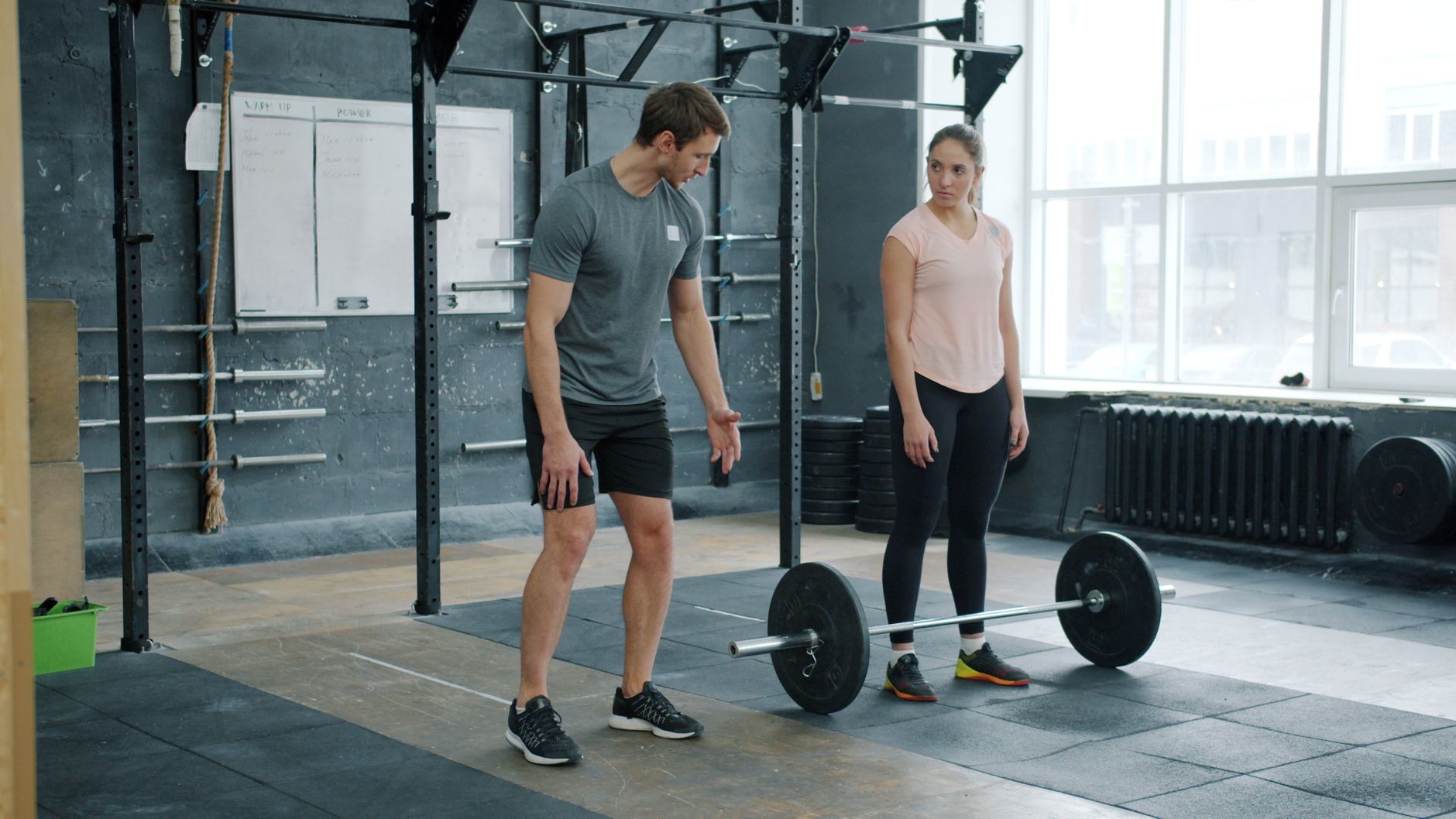
The difference between a standard trainer and a high-performance coach lies in the bridge between raw effort and strategic intent. When working with athletes or elite professionals, the goal shifts from simple movement to specific, measurable adaptations. Elite training program design requires an intimate understanding of human physiology, mechanical efficiency, and the psychological demands of high-stakes performance.
High-performance coaching is not merely about pushing clients to failure; it is about managing the fine line between stimulus and recovery. To optimize results, coaches must integrate progressive overload strategies that are mathematically aligned with the client's current capacity. Without this precision, even the most dedicated athletes fall into the trap of overtraining or, conversely, stagnant performance.
Defining the Elite Framework
At the core of performance programming is a systematic approach to movement analysis and goal setting. We must first establish a baseline using objective testing protocols rather than intuition. This allows us to create custom workout plans that address specific deficiencies, whether that is neural drive, metabolic conditioning, or structural stability.
Effective programming begins by identifying the 'Big Three' pillars: movement quality, structural integrity, and metabolic output. By auditing these areas, you ensure that every repetition serves a purpose. As you refine your approach, consider how protein intake guide adjustments support the recovery necessary to sustain these demanding cycles. Explore our professional services to see how we apply these frameworks to diverse client profiles.
The Role of Data in Programming
Data-driven decisions remove the guesswork from the weight room. By tracking metrics like HRV (Heart Rate Variability), bar speed, and perceived exertion, coaches can pivot training volume in real-time. This dynamic adjustment is what separates average fitness training from elite athletic preparation.
Understanding Periodization for Advanced Clients
Linear vs. Non-Linear Models
Periodization remains the backbone of long-term success. While linear models offer simplicity, they often fail the advanced client who requires constant novelty to break plateaus. We often advocate for block periodization or conjugate models to manage the training stress across distinct physical qualities, such as force production and velocity.
Understanding how to manipulate volume and intensity is essential. You must schedule deload weeks with the same precision as peak training phases to ensure the athlete supercompensates rather than burns out. Incorporating active recovery sessions becomes non-negotiable for these high-performing individuals who refuse to sit still.
Managing Fatigue and Adaptation
Adaptation occurs during rest, not during the training session. For advanced client programming, the coach must be an expert in monitoring systemic fatigue. Overlooking the central nervous system (CNS) load is a frequent mistake that leads to injury and performance regression. Use objective data to scale back work capacity when CNS recovery is compromised.
Biomechanics and Movement Efficiency

Optimizing Kinetic Chains
Every movement in the gym must translate to the client's objective. If a sprinter requires more explosive hip extension, the program must prioritize posterior chain force production. Biomechanical efficiency minimizes energy leakage, allowing the athlete to perform more work with less metabolic cost.
We focus heavily on assessing movement faults before loading patterns. A client with poor thoracic mobility will never achieve a true overhead press. By prioritizing mobility as part of the warm-up, we unlock the potential for higher intensity loads later in the session. Learn more about our specialized approach to movement by viewing our personal training programs.
The Science of Compound Movements
Compound movements are the heavy hitters of performance programming. Squats, deadlifts, and overhead presses utilize the greatest amount of muscle mass, triggering the highest hormonal response. When programmed correctly, these movements build the structural foundation required for all other modalities.
Nutritional and Lifestyle Integration
Optimizing Recovery Protocols
Programming ends the moment the client leaves the gym floor. You cannot design a world-class plan if the client lacks the infrastructure to recover. High-performance clients often face high stress in their professional lives; therefore, implementing sleep optimization strategies is just as vital as selecting the correct rep ranges for hypertrophy.
Education is a core component of the coaching process. We teach clients how to manage their external stressors and dietary habits to match their training stimulus. Without this holistic integration, the program is merely a temporary boost followed by a likely decline.
Supplementation and Hormonal Balance
While food is the foundation, strategic supplementation can bridge the gap in recovery. Understanding how to manage inflammation through Omega-3s or how to support hormonal function during heavy training cycles is part of a complete elite training program design.
Psychology of High-Performance Clients
Building the Coaching Relationship
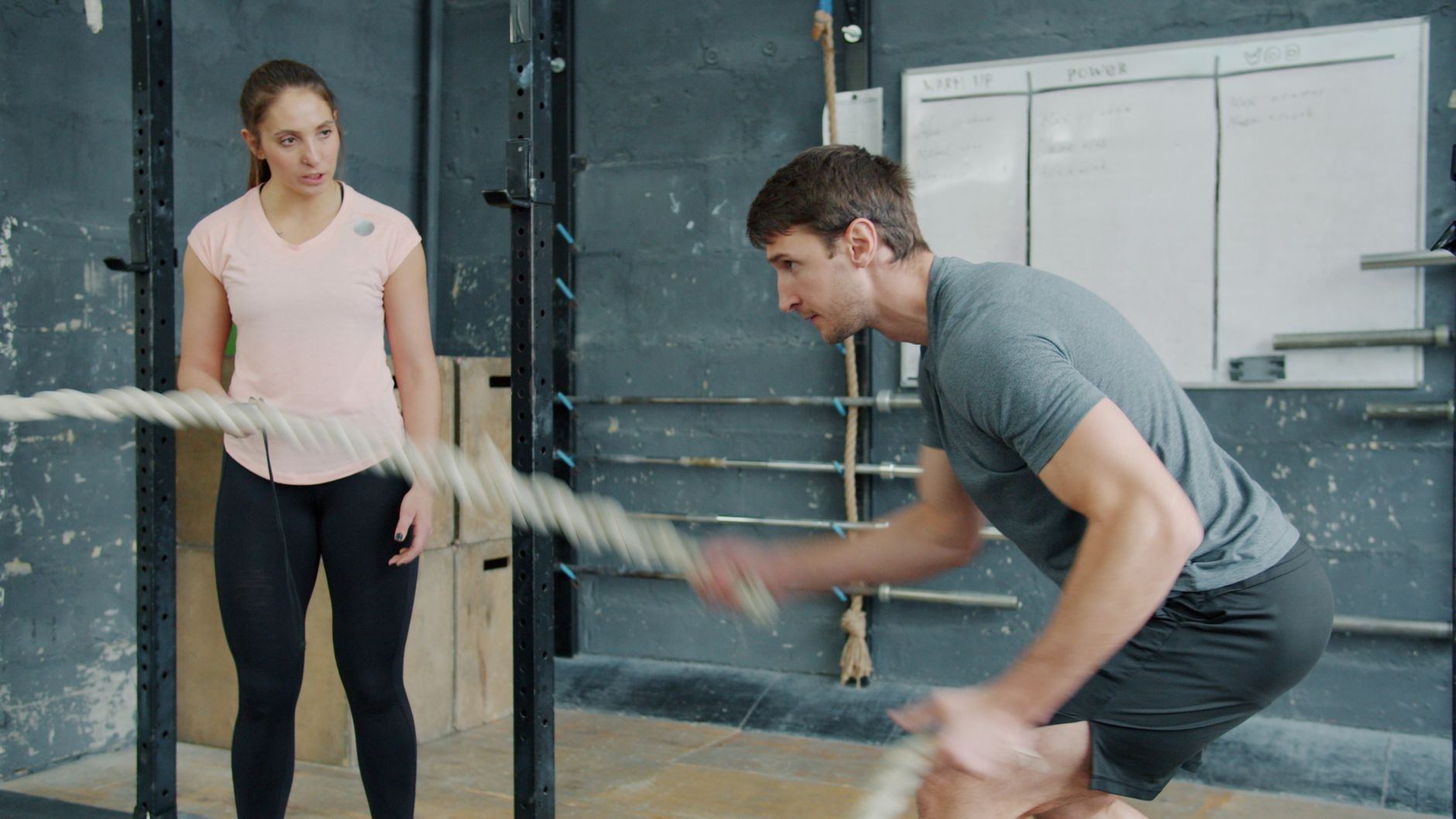
Working with high-performers requires a specific communication style. These clients value transparency, expertise, and efficiency. They want to know the 'why' behind the 'what.' When a coach provides the scientific reasoning for a specific lift, adherence increases significantly.
Build trust by showing that you care about their career or sport as much as they do. When they feel supported, they push harder and stay the course when results stall. Connect with us at our contact page to start your journey.
Fostering a Growth Mindset
Mental toughness is a trainable skill. We use specific density training blocks to force clients into uncomfortable zones. By managing this discomfort in a controlled environment, we prepare them for the psychological demands of their specific high-performance environment.
FAQ: Mastering Elite Programming
How often should I reassess a client's performance?
Reassessment should occur at the end of every mesocycle, typically every 4-6 weeks. This keeps the program responsive to changes in physical capacity.
Is high-volume training better for elite athletes?
Volume should be periodized. High volume is effective for hypertrophy, but intensity must take precedence during specific strength-peaking phases.
How do I handle a plateau in an advanced client?
A plateau usually indicates either a need for a deload to recover the CNS, a change in stimulus, or an issue with nutrition and sleep habits.
Conclusion
Designing programs for high-performance clients is a craft that balances hard science with intuitive coaching. By mastering periodization, biomechanics, and lifestyle management, you position yourself as a true expert in the field. Remember that the goal is always sustainable progress—every session should move the needle without breaking the foundation. If you are ready to take your training to the next level and work with a team that understands the rigors of peak performance, reach out to us at ElitePTS today.