

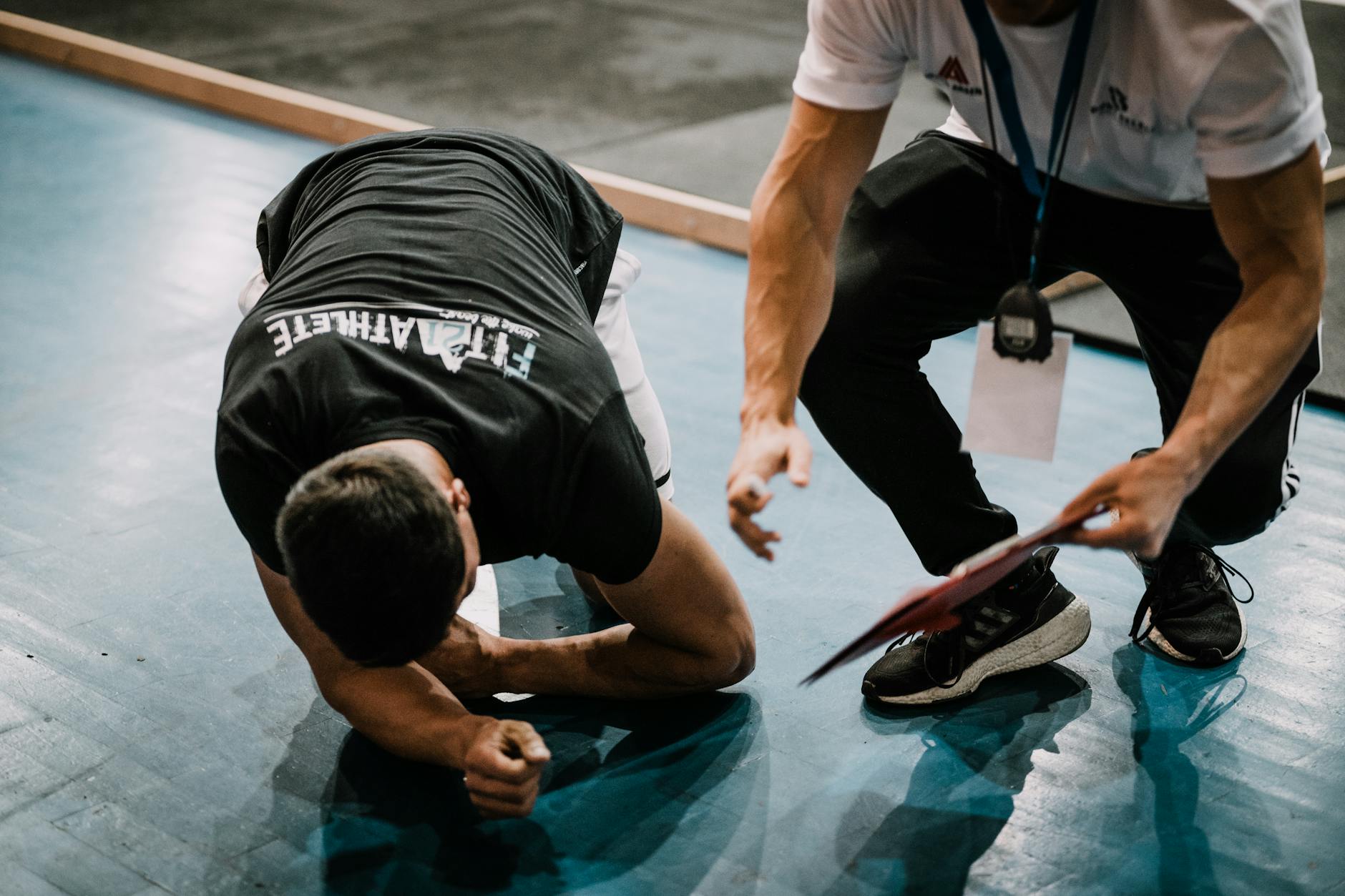
Developing Your Fitness Niche as a Specialized Coach
The fastest way to blend in as a coach is to market yourself to everyone. The fastest way to become valuable is to solve one expensive, urgent problem better than the average trainer. That is the power of a clear fitness niche.
If you want stronger results, easier referrals, and a more durable personal trainer career, specialization is not a branding trick; it is a performance strategy. In coaching science, specificity drives adaptation. The same idea applies to business: the clearer the population, problem, and process, the easier it is to build programming, content, systems, and proof. This article breaks down how to choose a niche, validate demand, design an evidence-based service, and create repeatable client wins through specialized coaching. The goal is simple: help you make better decisions today so your next 12 months of coaching produce sharper positioning, better client outcomes, and more momentum.
Why a Fitness Niche Beats Generalist Positioning
A niche is not about limiting your ceiling. It is about increasing your relevance. The coach who helps “everyone get fit” competes on price and personality. The coach who helps powerlifters break plateaus, postpartum clients regain strength, or busy executives lose 10 kg without losing muscle competes on outcomes.
Specificity creates better coaching decisions
Exercise science repeatedly supports the principle of specificity: the body adapts to the demands you place on it. The same logic applies to coaching systems. When you repeatedly work with one population, you get better at screening, exercise selection, communication style, progression, and recovery management for that exact group.
That means faster pattern recognition. A specialized running coach will spot workload spikes and shin pain risk earlier. A specialized hypertrophy coach will standardize volume landmarks and meal compliance faster. Over time, your programming becomes less generic and more precise, which improves results and client confidence.
Elite takeaway: Better niches create better feedback loops. Better feedback loops create better programs.
Specialization sharpens referrals and trust
Clients rarely refer “a good trainer.” They refer a coach for a specific problem. A physio is more likely to send you clients if your lane is obvious and your process is reliable. Clear positioning also improves conversion because prospects can quickly decide, “This coach is for me.”
If you want to improve your foundational coaching systems, study resources on evidence-based personal training and client assessment fundamentals. Strong general coaching skills still matter, but your niche is what turns those skills into a recognizable market advantage.
How to Choose the Right Specialized Coaching Lane
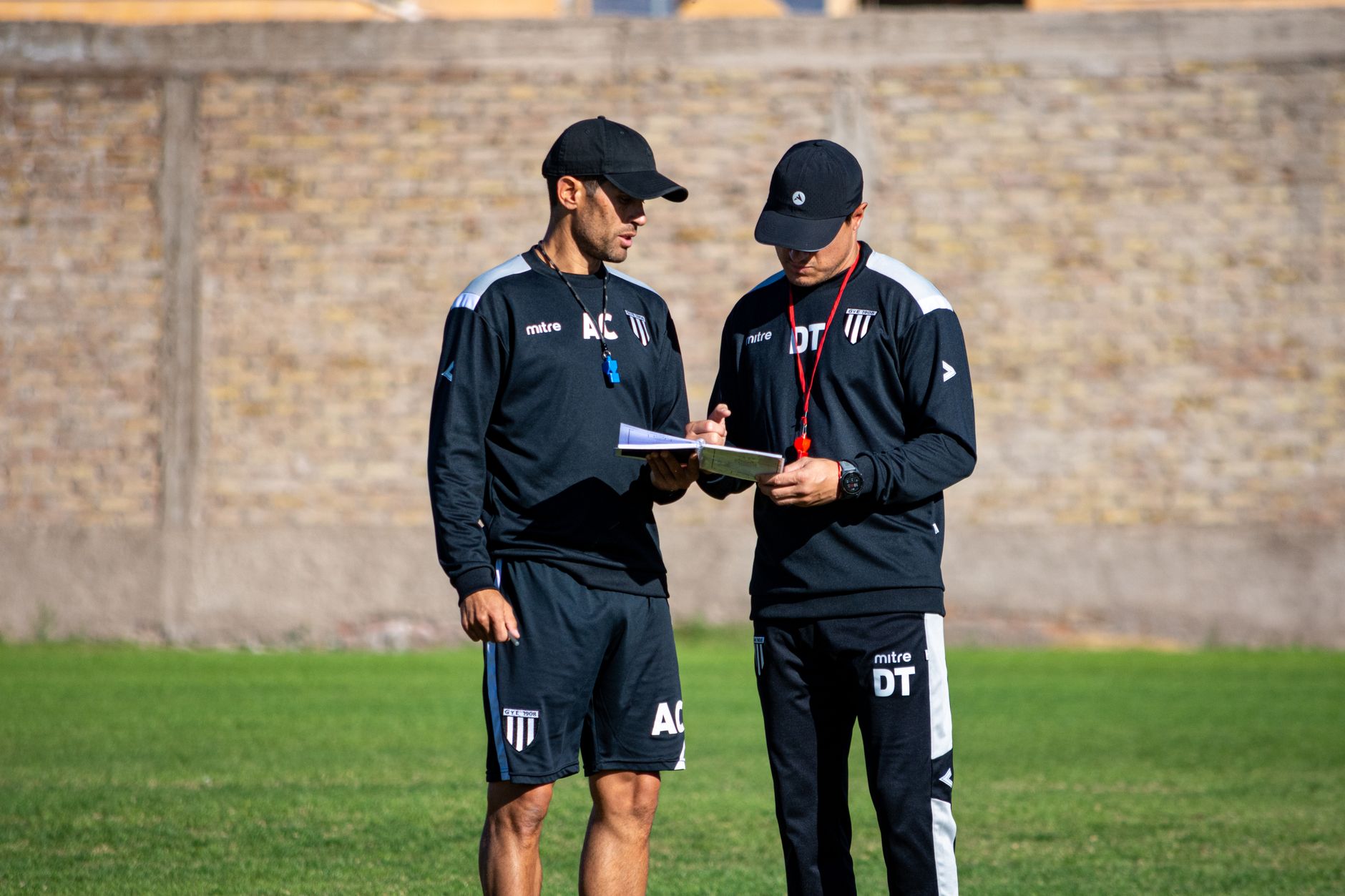
The best niche sits at the intersection of competence, curiosity, access, and demand. Too many coaches choose based on trends alone. That usually produces shallow expertise, weak content, and burnout within a year.
Use the population-problem-process filter
Start with three variables: who you serve, what problem you solve, and how you solve it. “Women 40+ who want to build strength around knee pain using two gym sessions and one home session weekly” is dramatically stronger than “online fitness coach.”
Write 10 niche ideas, then filter them through your coaching history. Where do you already have results? Which clients do you enjoy coaching most? Which problems do you understand deeply enough to explain simply? A good niche should feel narrow in marketing but broad enough to support at least 20 to 30 ideal clients per year.
Score demand before you rebrand
Before changing your website and Instagram bio, validate demand with a simple scorecard. Rate each niche from 1 to 5 on expertise, enjoyment, case-study proof, referral potential, willingness to pay, and local or online access. Any niche scoring under 22 out of 30 needs more validation.
Then run a 14-day research sprint. Interview 15 to 20 people in that market and ask what they have tried, what failed, what outcome matters most, and what would make coaching feel worth the investment. If you need better behavior tools for those interviews and onboarding, review behavior change coaching; adherence is usually the difference between a good niche and a profitable one.
- Minimum validation target: 15 interviews
- Pilot cohort: 5 to 8 clients
- Test period: 8 to 12 weeks
- Success threshold: 70%+ completion and measurable progress in the primary outcome
Build a Specialized Coaching Offer That Gets Results
Once your lane is clear, build one flagship offer before adding extras. Most coaches dilute their message by selling one-off sessions, random templates, nutrition add-ons, and “accountability” packages that do not connect to a single transformation.
Create a 12-week flagship system
A strong specialized coaching offer solves one major problem in a defined time frame. For most populations, 12 weeks is long enough to create objective change but short enough to feel buyable. Break the offer into three phases: assessment and baseline, progressive build, and consolidation with next-step planning.
Example: a strength-focused fat-loss coach might use 3 full-body sessions weekly, 8,000 to 10,000 daily steps, 1.6 to 2.2 g/kg/day protein, and weekly calorie adjustments of 150 to 250 kcal based on a rolling 7-day bodyweight average. That is not sexy. It is effective. Specific protocols sell because they feel real.
Meta-analyses on resistance training and nutrition consistently support adequate protein intake, progressive overload, and consistent adherence as major drivers of body-composition change.
Standardize assessment, dosage, and communication
Your niche should produce a repeatable operating system. Use the same baseline dashboard for every client in that lane: body metrics, performance metrics, pain or symptom rating, sleep, training age, step count, and adherence barriers. This lets you compare clients, spot trends, and refine decisions faster.
Program dosage should also be standardized. For a gen-pop strength niche, start most clients at 8 to 12 hard sets per major muscle group weekly, RPE 6 to 8, and progress one variable every 1 to 2 weeks. For progression frameworks, study progressive overload. Standardization does not make your coaching robotic; it makes your customization more precise.
Establish Credibility Faster Than Competitors
Credentials matter, but markets reward visible proof. Your niche becomes believable when prospects can see outcomes, methodology, and consistency. The goal is not to look smart; the goal is to remove buying friction.
Turn education into proof, not just credentials
Continuing education should be matched to your lane. A coach specializing in barbell athletes should not spend most of their CE budget on prenatal fitness, and vice versa. Pick 1 to 2 certifications or courses per year that directly improve your niche-specific assessment, programming, or communication.
Then convert what you learn into assets. Build a one-page intake form, a warm-up template, a return-to-training protocol, or a fatigue checklist. Clients do not pay more because you own certificates. They pay more because your system solves their problem with less guesswork.
Publish narrow content with case studies
Content works best when it answers the same questions your ideal client asks before they buy. Publish one in-depth article or email weekly, three short posts weekly, and two case studies monthly. Use the same structure each time: starting point, intervention, metrics, obstacle, result, and lesson.
Support your training advice with adjacent recovery and nutrition education when appropriate. For example, linking to credible pieces on recovery strategies for athletes or sports nutrition basics can strengthen your authority without diluting your niche. The key is that every piece of content should move a prospect one step closer to saying yes.
- Case study metrics: strength gains, circumference changes, pain reduction, adherence rate, missed sessions
- Content KPI: save rate, replies, consult bookings, and referral mentions
- Trust builder: show process screenshots, not just transformations
Build a Sustainable Personal Trainer Career Around Your Niche
A niche is only valuable if it improves retention, pricing power, and coach efficiency. If your workload gets heavier but your margins stay flat, your system is incomplete.
Price for complexity and outcome value
Generalist coaching is often priced by session count. Specialized coaching should be priced by the value of the problem solved and the depth of support required. A niche involving injury history, advanced programming, or travel-heavy executives deserves higher pricing than simple workout supervision.
A practical rule: once you have 5 to 10 solid case studies and a repeatable process, raise rates by 15% to 25% for new clients. Do not justify the increase with hype. Justify it with structure: clearer assessments, tighter communication, better progress tracking, and more predictable outcomes.
Track business metrics like performance metrics
Coaches love data in the gym and ignore it in the business. Track lead-to-call rate, call-to-sale rate, 30-day adherence, average client length, monthly churn, referral percentage, and effective hourly rate. Your niche is working when these metrics improve without adding more random effort.
Healthy targets for many coaches are a 20%+ inquiry-to-call rate, 40%+ consult close rate, 80%+ session adherence, and less than 5% monthly churn. If retention is weak, your problem is usually not lead generation. It is delivery, expectation setting, or poor client fit. That is where a sharper fitness niche protects your personal trainer career.
Common Mistakes in Specialized Coaching
Most niche failures come from impatience, imitation, or poor positioning. Avoiding these errors can save you months of content creation and dozens of low-quality leads.
Niching too broad or too early
“Athletes” is too broad. So is “fat loss.” But niching before you have at least a handful of client patterns can also backfire. You need enough reps to understand the language, constraints, and objections of the market you want to serve.
The fix is to narrow one variable at a time. Keep the population broad and tighten the problem, or keep the problem broad and tighten the population. Then run a 12-week pilot before fully rebranding. Data first, identity second.
Copying a profitable market you do not actually enjoy
Some niches look lucrative from the outside but become draining in practice. If you dislike high-touch messaging, do not build a niche around anxious beginners who need daily reassurance. If you dislike technical barbell coaching, do not force a powerlifting brand because it looks credible online.
The best niche is the one you can study for years without resentment. Long-term authority comes from repetition and curiosity, not trend chasing. That is what separates sustainable specialized coaching from short-lived marketing pivots.
FAQ: Developing Your Niche as a Specialized Coach
How narrow should my fitness niche be?
Narrow enough that a prospect immediately knows you are relevant, but not so narrow that you have no market. A great test is whether your niche can fit this sentence: “I help this population solve this problem with this process.”
Examples include “busy professionals building strength with three 45-minute sessions weekly” or “masters runners improving durability and 10K performance.” If your niche statement needs three commas and still feels vague, it is too broad.
Do I need a certification for every specialization?
No, but you do need competence, risk management, and a method for staying current. Certifications can accelerate trust and structure, especially in areas with higher complexity, but they do not replace actual coaching ability.
Prioritize education that directly improves your lane. One useful course that changes how you assess, program, or communicate is better than three generic credentials that never show up in your client outcomes.
How long does specialized coaching take to build?
Most coaches can validate a niche in 30 to 60 days and build meaningful proof in 3 to 6 months. That timeline assumes you are actively interviewing prospects, running a small pilot, collecting data, and publishing content consistently.
Do not wait for perfection. Pick a lane, test it, refine it, and let the market teach you. Many successful coaching brands were built through two or three iterations, not one perfect decision.
Can online coaches build a niche as effectively as in-person coaches?
Yes. In many cases, online coaches benefit even more from niching because digital markets are crowded. Specialization improves searchability, messaging, and content relevance, which are critical when prospects cannot meet you in person first.
The tradeoff is that online delivery needs stronger systems: clearer check-ins, faster feedback loops, stronger exercise video review, and simple dashboards. If those systems are tight, online niche coaching can scale extremely well.
Conclusion
Developing a real fitness niche is not about boxing yourself in. It is about becoming more useful, more referable, and more effective. The best specialized coaching brands are built the same way elite training results are built: through specificity, measurement, progressive refinement, and ruthless focus on what works. If you want a stronger personal trainer career, do not start by asking how to reach more people. Start by asking which people you can help best, what outcome you can repeatedly deliver, and what system makes that result more predictable.
Use the frameworks in this article to choose your lane, run a pilot, track outcomes, and turn early wins into a sustainable coaching brand. For more evidence-based strategies that improve both coaching quality and business performance, explore the latest resources at ElitePTS. That is where good intentions become better systems and better systems become real client gains.