


Unlocking the Secrets of Elite Coaching
In a world flooded with fitness enthusiasts and trainers, the distinction between a good personal trainer and a truly great one can be as thin as a rep in a workout. If you’ve ever considered hiring a trainer or you are one yourself, understanding the factors that elevate certain trainers to elite status can be the difference between merely achieving fitness goals and surpassing them. This comprehensive examination of elite coaching will illuminate what separates the good from the great.
What is Elite Coaching?
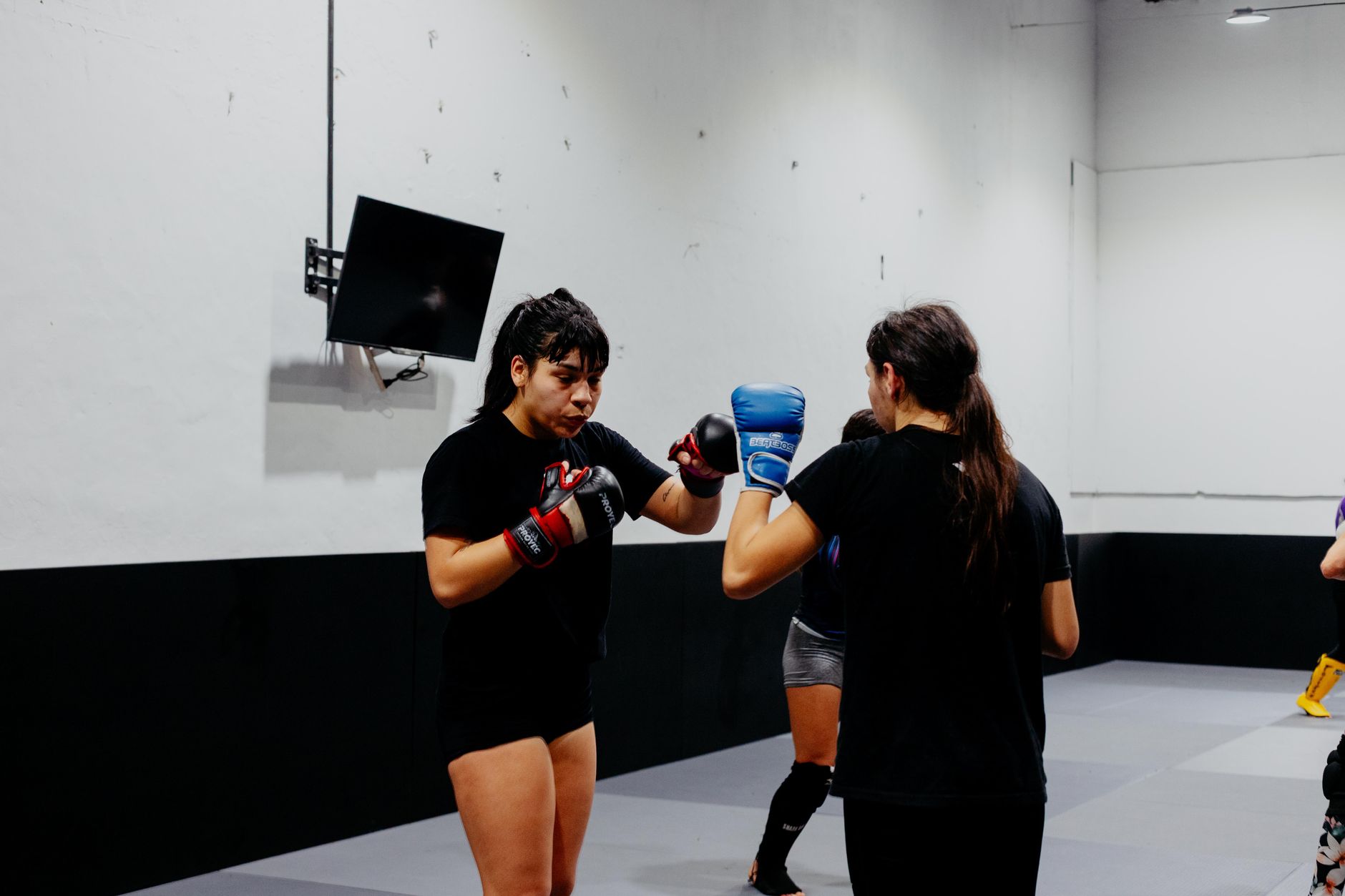
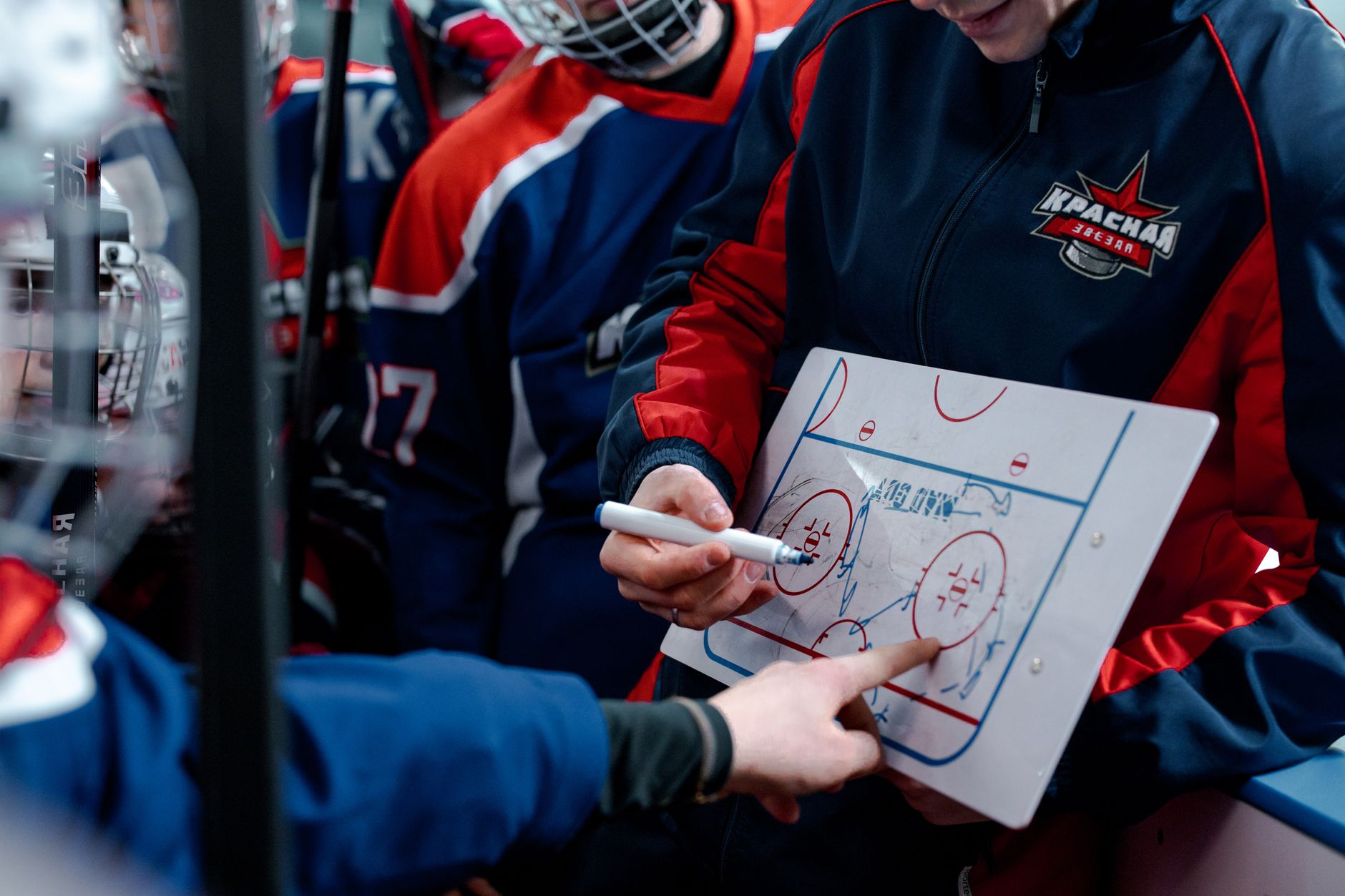
Elite coaching transcends standard personal training; it's a commitment to continuous education, personalized strategies, and outstanding client support. Elite coaches not only possess a deep understanding of exercise science but also know how to tailor physical training to each client’s unique biological and psychological needs. They emphasize creating sustainable, long-term fitness solutions instead of quick fixes.
Educational Background and Certifications
One of the hallmark traits of an elite coach is their commitment to education. While many personal trainers hold basic certifications, elite coaches often go beyond. They often pursue advanced certifications and specialized training in areas like nutrition, strength conditioning, and rehabilitation.
- Nationally Recognized Certifications: Certifications from organizations like the NSCA or ACE indicate a professional level of training knowledge.
- Ongoing Education: Great trainers regularly attend workshops and conferences to stay updated on the latest in fitness science.
Depth of Knowledge
Knowledge in fitness should not only be about exercises and nutrition but also about psychological factors that influence behavior.
- Understanding Biomechanics: An elite coach recognizes the importance of proper form and injury prevention, tailoring exercises to the individual’s capabilities.
- Behavioral Psychology: They understand how to motivate and empower clients, making workouts both productive and enjoyable.
The Role of Personalized Attention
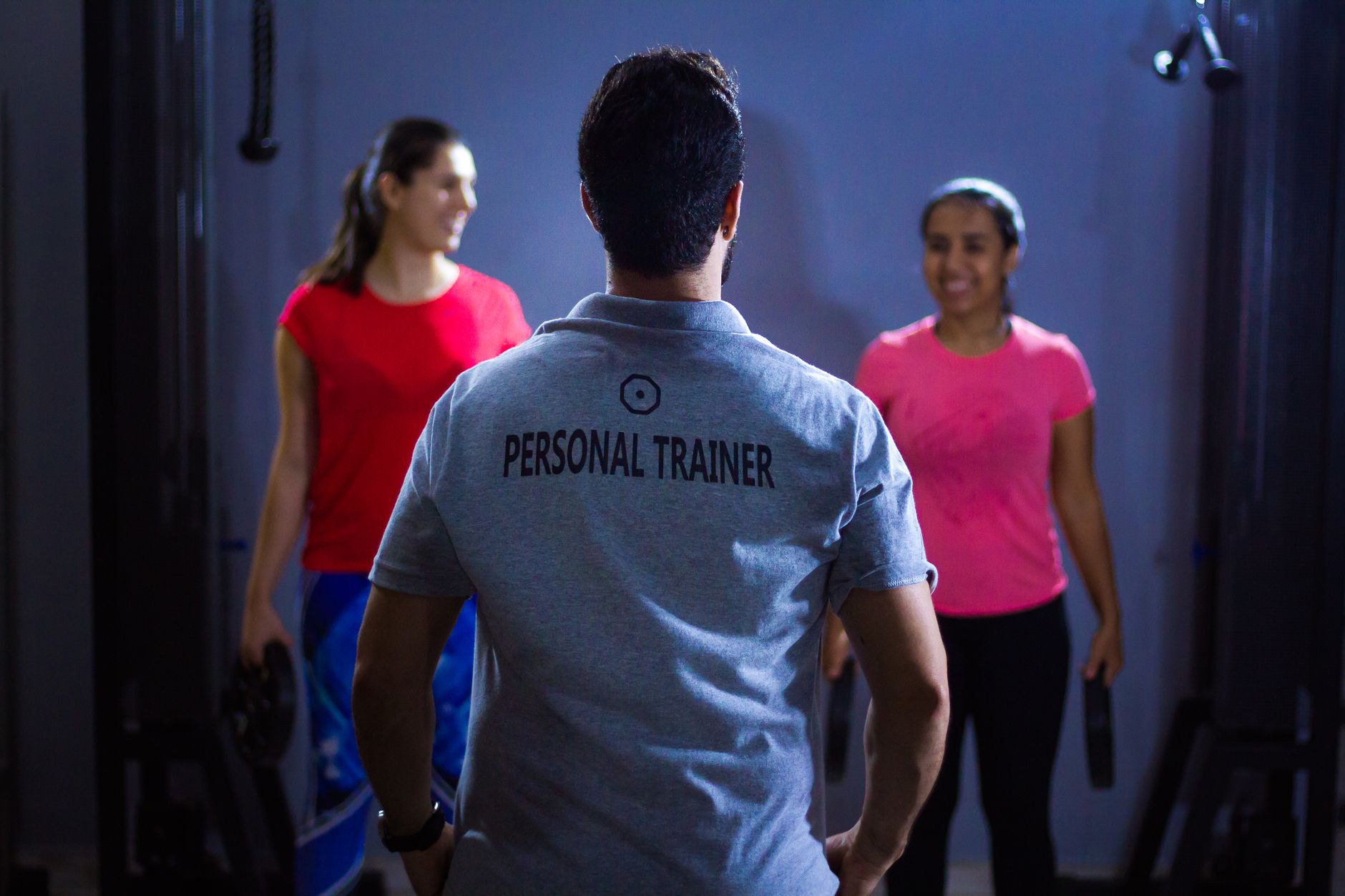
Each client is unique, bringing distinct challenges, preferences, and goals to the table. Personal trainer tips stress the need for tailored programs, which is a defining feature of elite coaching.
Custom Workout Plans
Elite coaches design a custom workout plan based on a comprehensive assessment of the client’s fitness level and personal goals.
- Initial Assessment: This includes discussions about health history, fitness experience, and expected outcomes.
- Regular Adjustments: Plans are not static; elite coaches recalibrate them based on progress and feedback.
Nutritional Guidance
The synergy between exercise and nutrition cannot be overstated. Elite coaches often provide nutritional guidance to complement the training regimen.
- Customized Meal Plans: Just as workouts are tailored, nutrition should address specific dietary requirements and preferences.
- Education on Nutrition: Elite coaches educate clients about macronutrients and meal timing to optimize performance.
Building Strong Relationships
A strong coach-client relationship contributes significantly to client success. Elite trainers foster trust and open communication.
Empathy and Understanding
Great trainers develop the emotional intelligence to understand their clients’ struggles.
- Active Listening: They actively listen and respond to clients’ concerns, opinions, and motivations.
- Building Rapport: Establishing a personal connection makes clients feel valued and understood.
Accountability and Motivation
Every fitness journey is filled with peaks and valleys, and elite coaches play a pivotal role in keeping clients motivated.
- Setting Achievable Goals: They help clients set realistic and measurable goals, celebrating small victories.
- Consistent Check-Ins: Regular follow-ups keep accountability high and maintain motivation.
Integrating Technology in Coaching

Incorporating technology into coaching can vastly enhance the client experience. Elite coaches leverage tools and apps for effective training.
Monitoring Progress
Utilizing fitness tracking technologies provides data that both the coach and client can analyze.
- Wearable Fitness Devices: These devices track heart rate, calories burned, and activity level, offering insights into workout efficiency.
- Apps and Software: Trainers might use software to monitor progression, making adjustments based on real-time data.
Virtual Coaching Options
The demand for remote coaching has grown immensely.
- Online Platforms: Using video calls allows trainers and clients to communicate without geographical limitations.
- Digital Resource Sharing: Through apps, coaches can easily share workout plans and educational materials.
Fostering a Positive Environment
Creating an uplifting atmosphere is critical in motivating clients to push through challenges.
Encouragement and Positive Reinforcement
Elite coaches recognize the importance of a positive environment.
- Celebrate Small Wins: Acknowledging improvements, no matter how small, builds confidence.
- Constructive Feedback: Offering constructive, honest feedback helps clients see where they can improve.
Community Building
Creating a sense of community can enhance the client experience.
- Group Classes: Offering group classes fosters relationships among clients.
- Social Media Engagement: Elite coaches maintain social media platforms where clients can share their experiences and support one another.
Continuous Professional Development
Great trainers are never satisfied with their level of expertise. They strive for continuous improvement.
Health and Fitness Trends
Being informed about the latest trends can differentiate good coaches from great ones.
- Staying Updated: Elite coaches constantly read research articles and attend workshops on evolving fitness psychology and methods.
- Specialization: They may specialize in specific areas such as sports conditioning or rehabilitation, allowing them to address diverse clientele.
Networking with Professionals
The best trainers often network with other fitness professionals.
- Collaboration: Collaborating with nutritionists or physiotherapists improves the holistic service offered to clients.
- Community Engagement: Participating in local fitness events helps them stay in touch with community needs.
FAQ
What should I look for in a personal trainer?
When choosing a trainer, focus on their qualifications, experience, and ability to communicate well with clients. Look for a trainer who customizes programs for each individual.
How important is nutrition in personal training?
Nutrition plays a crucial role in achieving fitness goals. A good trainer will integrate nutritional guidance into your training plan for optimal results.
Can technology really enhance my training experience?
Yes! Technologies like fitness apps and wearables aid in tracking progress and maintaining motivation, making your training more efficient.
How can I find personal training in San Diego?
You can find qualified trainers by searching local gyms, websites, or platforms that specialize in personal coaching such as ElitePTS.
Conclusion
The journey from good to great as a personal trainer is not solely about knowledge—it's about empathy, adaptability, and a commitment to excellence. If you’re ready to elevate your fitness journey, consider reaching out to the elite coaches at ElitePTS for personalized training that matches your goals and aspirations!