

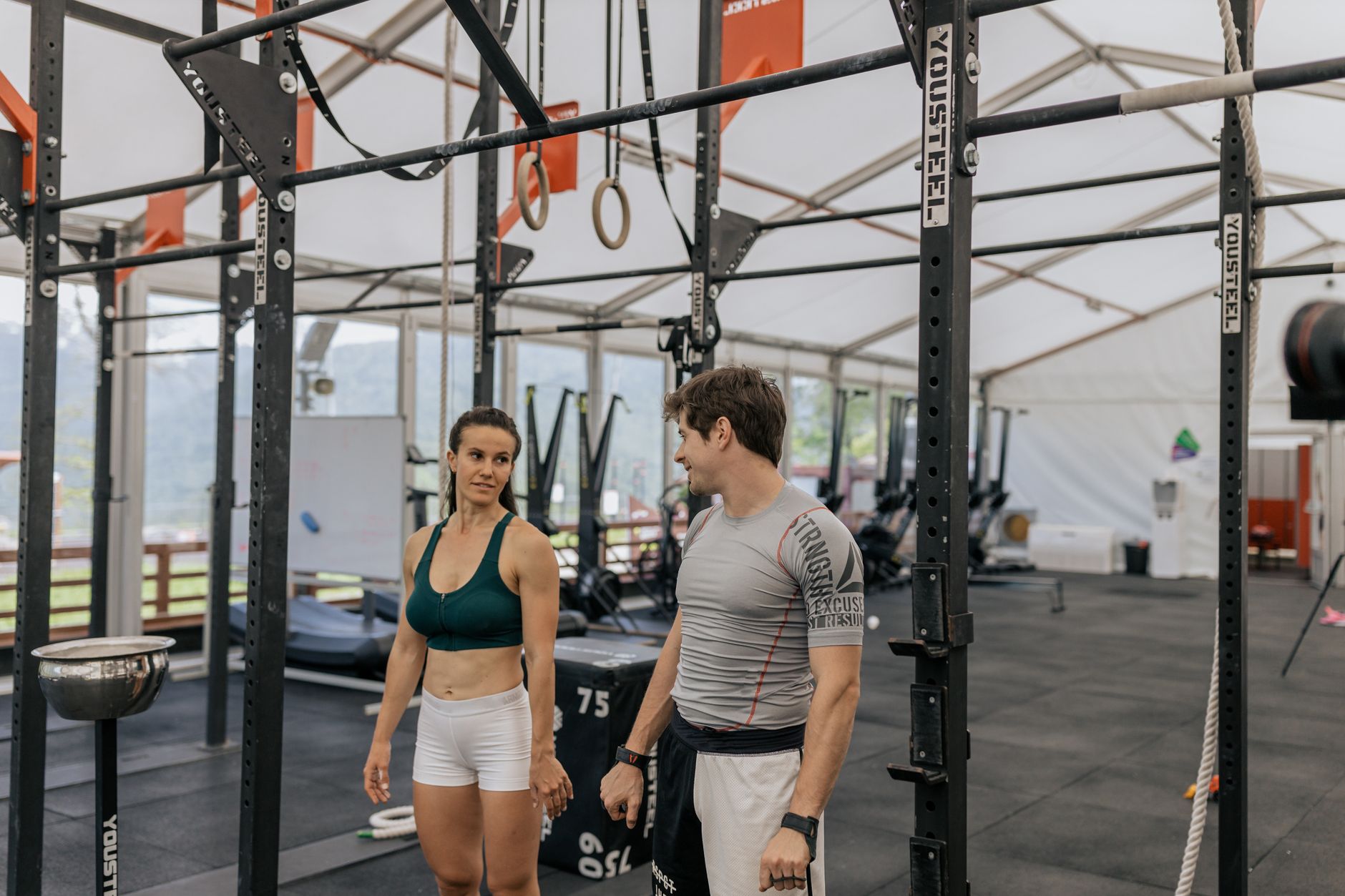
Essential Coaching Skills for Elite Fitness Coaches
The best program on paper still fails if the client does not trust you, understand you, or follow through. In elite fitness coaching, soft skills are not extras; they are performance tools that directly affect adherence, effort, and long-term results.
When coaches talk about leveling up, they usually mean better programming, better exercise selection, or better load management. Those matter, but the coaching skills that separate average from elite often happen between sets: how you explain, how you listen, how you correct, and how you handle resistance. Strong fitness coaching depends on strong human interaction. If your personal trainer communication is unclear, your cues get ignored, your check-ins get skipped, and your retention drops. If your communication is precise, empathetic, and structured, clients train harder, report more honestly, and stay consistent longer. This article breaks down the essential soft skills elite coaches use, plus practical protocols you can apply today in consults, sessions, and online check-ins.
Why soft skills are performance multipliers in fitness coaching
Trust changes compliance, effort, and reporting accuracy
Clients do not just buy a program; they buy confidence in the person delivering it. When trust is high, athletes report pain sooner, admit missed sessions faster, and tell you the truth about sleep, stress, and nutrition. That honesty improves decision-making. Without it, even well-designed training becomes guesswork.
Elite coaches build trust with repeatable behaviors, not charisma alone. Greet the athlete by name, state the session goal in under 20 seconds, and ask one readiness question before the warm-up: How recovered do you feel today on a 1-10 scale? That one number gives you a fast read on buy-in and fatigue. Over time, the athlete learns that your coaching is responsive rather than robotic.
Autonomy support improves adherence
Behavior-change research consistently shows that people adhere better when three needs are supported: autonomy, competence, and relatedness. In practical terms, that means clients stick to training longer when they feel heard, capable, and connected to the coach. Telling someone exactly what to do can work short term; helping them understand why and giving them controlled choices works better over months.
Use “bounded choice” instead of open-ended choice. For example: “We need a hard lower-body pattern today. Do you want trap-bar deadlifts for 5 sets of 3 or front squats for 4 sets of 5?” You preserve the training objective while giving the client ownership. That is one of the highest-return coaching skills in real-world adherence.
Research grounded in self-determination theory shows athletes and clients are more likely to maintain exercise behavior when coaches support autonomy, competence, and connection.
Personal trainer communication: deliver clear messages under load
Use the 30-second briefing protocol
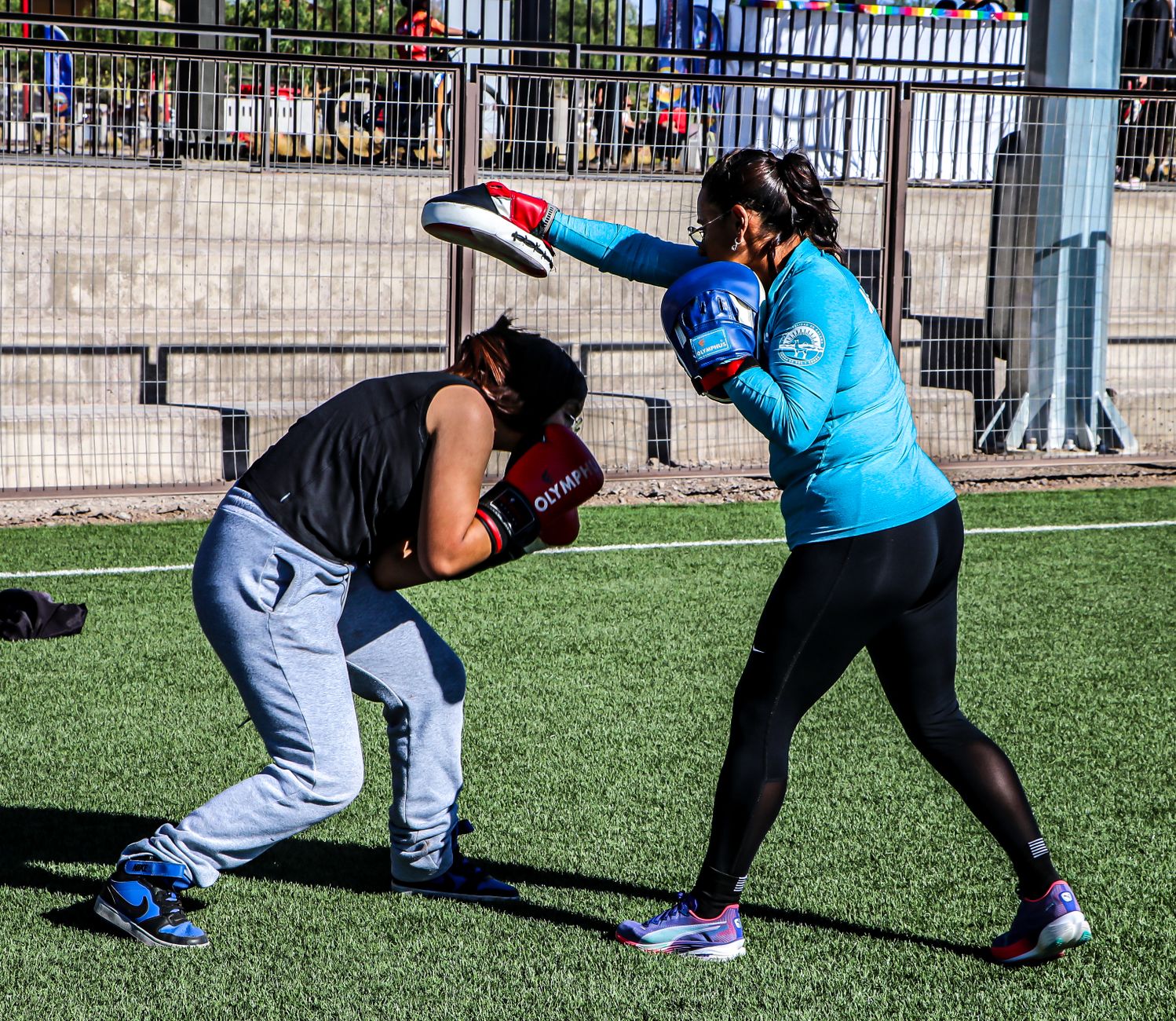
Most coaches talk too much before a set. Under fatigue, attention narrows, working memory drops, and long explanations lose impact. Use a simple 30-second briefing before key lifts: state the goal, one main cue, and the win condition. Example: “Goal is bar speed. Cue is push the floor away. Win condition is all 4 reps at RPE 7 with the same depth.”
This format improves recall because it strips away noise. It also keeps your communication consistent across sessions and coaches. If you work with youth athletes or group training, consistency matters even more because athletes copy the language you repeat most often.
- Goal: what the set is for
- Cue: one priority action
- Win condition: how success will be measured
Build a cue hierarchy for faster motor learning
Motor learning research suggests external cues often outperform internal cues for skill execution, especially under speed or load. Instead of “squeeze your glutes,” try “drive the hips through.” Instead of “keep your chest up,” try “show the logo on your shirt to the wall.” External cues organize movement around the outcome, which tends to create cleaner execution.
Use a cue hierarchy: first set gets one external cue, second set gets video or tactile feedback if needed, third set gets regression only if the error persists. Cap it at 1-2 cues per set. More than that usually creates paralysis. When you prescribe intensity using RPE and RIR, better cueing also improves rating accuracy because athletes can focus on output rather than overthinking positions.
Another useful rule: correct after rep 1 only if safety is involved. Otherwise, wait until the set ends. Mid-set overcoaching often harms rhythm and confidence.
Listening, questioning, and motivational interviewing
Use OARS during consults and check-ins
Elite coaches spend less time persuading and more time uncovering. A practical framework is OARS from motivational interviewing: Open questions, Affirmations, Reflections, and Summaries. This structure keeps consults from turning into lectures and helps the client generate their own reasons for change.
Try a 70/30 split in the first consult: the client talks 70% of the time, the coach 30%. Ask: “What usually gets in the way of training?” Reflect back the answer, then summarize it. If a client says, “I’m motivated for two weeks, then work gets crazy,” your reflection might be, “So your main problem is not effort; it is planning around stress.” That small shift makes the client feel understood and gives you a clearer intervention target.
- Open question: “What would a successful 12 weeks look like for you?”
- Affirmation: “You have already shown you can be consistent when the plan fits your schedule.”
- Reflection: “You want results, but you do not want the plan to dominate your life.”
- Summary: “Your priorities are energy, strength, and a plan you can follow on busy weeks.”
Turn resistance into commitment language
When clients resist, arguing is usually a losing strategy. Resistance often means the plan is too aggressive, the rationale is unclear, or the person feels judged. Instead of “You need to be more disciplined,” ask, “On a scale of 1-10, how confident are you that you can complete three sessions this week?” If the answer is below 7, shrink the target until confidence rises.
This is where elite fitness coaching becomes behavior design. A client who misses four workouts is not helped by guilt. They are helped by a smaller minimum dose: two full sessions, one 20-minute backup session, and a daily 8,000-step floor. The motivational interviewing literature consistently shows change sticks better when the client states the plan in their own words.
Motivational interviewing works best when the coach avoids arguing, draws out the client’s own reasons for change, and turns vague intentions into specific next actions.
Feedback and accountability systems that actually change behavior
Use a 3:1 feedback ratio with objective KPIs
Corrective feedback works better when the athlete also hears what is going right. A simple target is a 3:1 ratio: three pieces of reinforcing feedback for every one corrective point. That does not mean fake praise. It means you identify real wins such as tempo control, bar path, attendance, or improved recovery habits before delivering the fix.
Pair feedback with numbers. The most useful coaching dashboard for general population clients is usually just 4-5 KPIs: session attendance, average daily steps, protein target hit rate, sleep duration, and top-set performance on 1-2 anchor lifts. Those numbers reduce emotional decision-making. If adherence is high and performance is stable, you probably do not need dramatic changes.
- Attendance: target 85-90% of planned sessions
- Steps: set a floor, not a heroic goal
- Protein: hit the target on 5-7 days per week
- Sleep: aim for a weekly average, not one perfect night
- Performance: track one objective benchmark lift
Run a weekly check-in with fixed questions
High-performing coaches do not “wing” accountability. They standardize it. Use the same five questions every week: What went well? What was the biggest barrier? Training adherence out of 10? Recovery out of 10? What is the one adjustment for next week? This creates trend data and makes it easier to spot repeated friction points.
Keep response time under 24 hours and end every check-in with one concrete action. Example: “Next week, schedule Tuesday and Thursday sessions in your calendar by 8 p.m. tonight.” That is far more effective than “Try to be more consistent.” For programming decisions, pair your communication system with a solid progressive overload guide and a clear hypertrophy program structure so accountability and training stress move together.
Emotional intelligence in high-pressure coaching moments
Read readiness before you push intensity
Emotional intelligence is not being soft; it is reading the athlete accurately. Before big sessions, scan for changes in affect, pace, posture, and self-talk. A technically prepared athlete can still underperform if stress is high and attention is fragmented. Your job is to separate low motivation, true fatigue, and simple nerves.
A practical readiness screen takes under 60 seconds: ask for sleep hours, stress score out of 10, soreness score out of 10, and motivation score out of 10. If two of those are clearly down, reduce either volume by 20-30% or intensity by 2-5%, not both. You preserve momentum while respecting recovery. That is often a better decision than forcing a personal record on a bad day.
De-escalate setbacks without lowering standards
Missed sessions, pain flare-ups, and poor performances are where client retention is won or lost. The elite move is calm, specific, and forward-looking communication. Use this four-step script: name the issue, normalize the setback, identify the controllable variable, and restate the next action. Example: “You missed two sessions. That happens during travel. The controllable piece is planning shorter backups. This week we are doing two full sessions and one 25-minute hotel session.”
Do not confuse empathy with vagueness. You can be supportive and still precise. If a client spirals after one bad weigh-in or one weak session, anchor them to trend lines, not isolated events. Recovery conversations are also stronger when coaches can separate true fatigue from poor pacing; the framework at Peak recovery strategies for athletes is a useful complement.
- Name it: “Today is not a peak day.”
- Normalize it: “Performance fluctuates.”
- Control it: “We can adjust volume and keep quality high.”
- Act on it: “We will hit the top set at RPE 7 and move on.”
Professional boundaries and leadership habits
Boundaries make personal trainer communication cleaner
Strong boundaries improve service quality. Tell clients your response window, cancellation policy, messaging channel, and scope of practice during onboarding. This prevents frustration later and reduces emotional labor. For example: “Program questions get answered within 24 hours on weekdays. Acute pain questions get exercise modifications, but medical diagnosis goes to a qualified clinician.”
Clear scope protects the coach-client relationship. Coaches who drift into therapy, constant texting, or random nutrition advice often create confusion and dependency. Better boundaries increase trust because the client knows what to expect. That reliability is a core part of professional coaching skills, not a separate business issue.
Culture is built in small repeated behaviors
Leadership in fitness coaching is rarely one big speech. It is the small things done every session: starting on time, using names, celebrating process wins, and keeping standards consistent. In a team or small-group setting, culture grows from repeated signals about effort, honesty, and respect.
Create three micro-habits for every session: greet within 5 seconds, state the session objective before the warm-up, and end with one specific win plus one next focus. That loop improves memory and keeps athletes oriented. If you want to strengthen adherence systems further, pair these habits with exercise adherence strategies that make consistency easier outside the gym.
FAQ: coaching skills for modern fitness coaching
Can soft skills be measured?
Yes. Track them indirectly through outcomes and directly through process. The best indirect markers are retention, attendance, check-in response rate, referral rate, and client-reported confidence. If those improve while programming quality stays stable, your communication and relationship skills are probably improving too.
Directly, review session recordings or notes and score yourself on simple criteria: Did I ask at least three open questions? Did I give one clear cue instead of five? Did I summarize the plan at the end? Measured behaviors improve faster than vague intentions.
What is the best communication skill for new coaches?
If you only master one skill first, make it clarity. Most new coaches know plenty about exercise science but overload clients with words. Learn to explain the goal of a set in one sentence, deliver one cue, and confirm understanding with teach-back: “Tell me what you are focusing on this set.”
Teach-back is a powerful shortcut because it shows whether the athlete actually understood you. It also reduces repeated corrections later in the session. Better clarity improves technique, confidence, and perceived professionalism immediately.
How often should coaches check in with clients?
For most general population clients, one formal weekly check-in works best. It is frequent enough to catch barriers early but not so frequent that it creates noise. High-touch phases such as the first two weeks, return from injury, or a cut may justify a second brief touchpoint.
The key is consistency and structure. Weekly check-ins should follow the same format, include objective metrics, and end with one specific action for the next seven days. That rhythm makes accountability predictable instead of emotional.
How do online coaches build rapport quickly?
Start with a better onboarding call. Spend the first 10 minutes understanding training history, barriers, schedule realities, and what success would look like in the client’s own words. Then send a recap message summarizing priorities, plan structure, and the first week’s non-negotiables.
Rapport online is built through speed, specificity, and memory. Reply on time, reference details the client shared, and give feedback that sounds individualized rather than templated. Even short video responses can dramatically improve perceived support and personal connection.
Conclusion
Elite coaching skills are not soft because they are optional; they are soft because they happen through language, attention, timing, and leadership. Better personal trainer communication, stronger listening, clearer accountability, and tighter boundaries all improve the same things that matter most in fitness coaching: adherence, effort, and results. If you want clients to train consistently, recover intelligently, and trust your decisions, improve how you coach the human in front of you, not just the program on the page. For more evidence-based strategies, visit ElitePTS coaching articles and keep turning science into real-world performance gains.