


How to Build a High-Retention Fitness Coaching Program
Most coaches do not lose clients because their exercise selection is bad. They lose them because their system does not make success easy to feel, easy to track, and easy to repeat. A high-retention fitness coaching program turns behavior science into daily actions clients can actually sustain.
If you want better results, stronger client retention strategies, and a more durable personal trainer business, retention has to be designed from day one. The best coaches do not wait for motivation to appear; they build systems that create momentum through fast wins, clear expectations, consistent communication, and visible progress. That means selling a defined transformation, not random sessions; onboarding for adherence, not information overload; and tracking leading indicators, not just scale weight. If your clients stay longer, they learn more, execute better, and produce stronger outcomes. For a practical framework on aligning coaching targets with real behavior, start with smart fitness goals that clients can actually follow. In this guide, you will get the exact structure, cadence, and protocols ElitePTS-style coaches can use to build a retention engine instead of a revolving door.
Client Retention Strategies Start With the Offer
Sell outcomes and process, not blocks of sessions
Retention starts before the first workout. If your offer sounds like 12 sessions, 8 weeks, or unlimited messaging, clients mentally compare price to access. If your offer sounds like lose 5 to 10 pounds while building three weekly training habits, clients compare price to transformation. That shift changes expectations and dramatically improves buy-in.
Build your coaching promise around a specific problem, a likely timeline, and a measurable process. A simple retention-friendly format is: baseline assessment, 12-week roadmap, weekly accountability, monthly progress review, and a defined next-phase plan. Clients stay when the path is clear. Confused clients churn. Overpromised clients churn faster.
Define who the program is for and what success looks like
A generic service attracts generic commitment. Your best retention usually comes from one or two clear avatars: busy professionals returning to training, strength-focused beginners, or field-sport athletes in off-season. When programming, messaging, and education match the client’s real life, adherence rises because the plan feels relevant, not imported from social media.
Write success markers before you onboard anyone. Good examples are attendance above 85 percent, protein intake hitting target on five days per week, step count averaging 7,000 to 10,000, or a 10 percent improvement on key lifts in 8 to 12 weeks. Use simple filters:
- Best fit: wants coaching, accepts tracking, can train 2 to 4 days weekly
- Poor fit: wants instant fat loss, resists feedback, refuses basic compliance
- Retention trigger: every client knows what winning this month looks like
Onboard Your Fitness Coaching Program for a 7-Day Win
Remove friction before day one
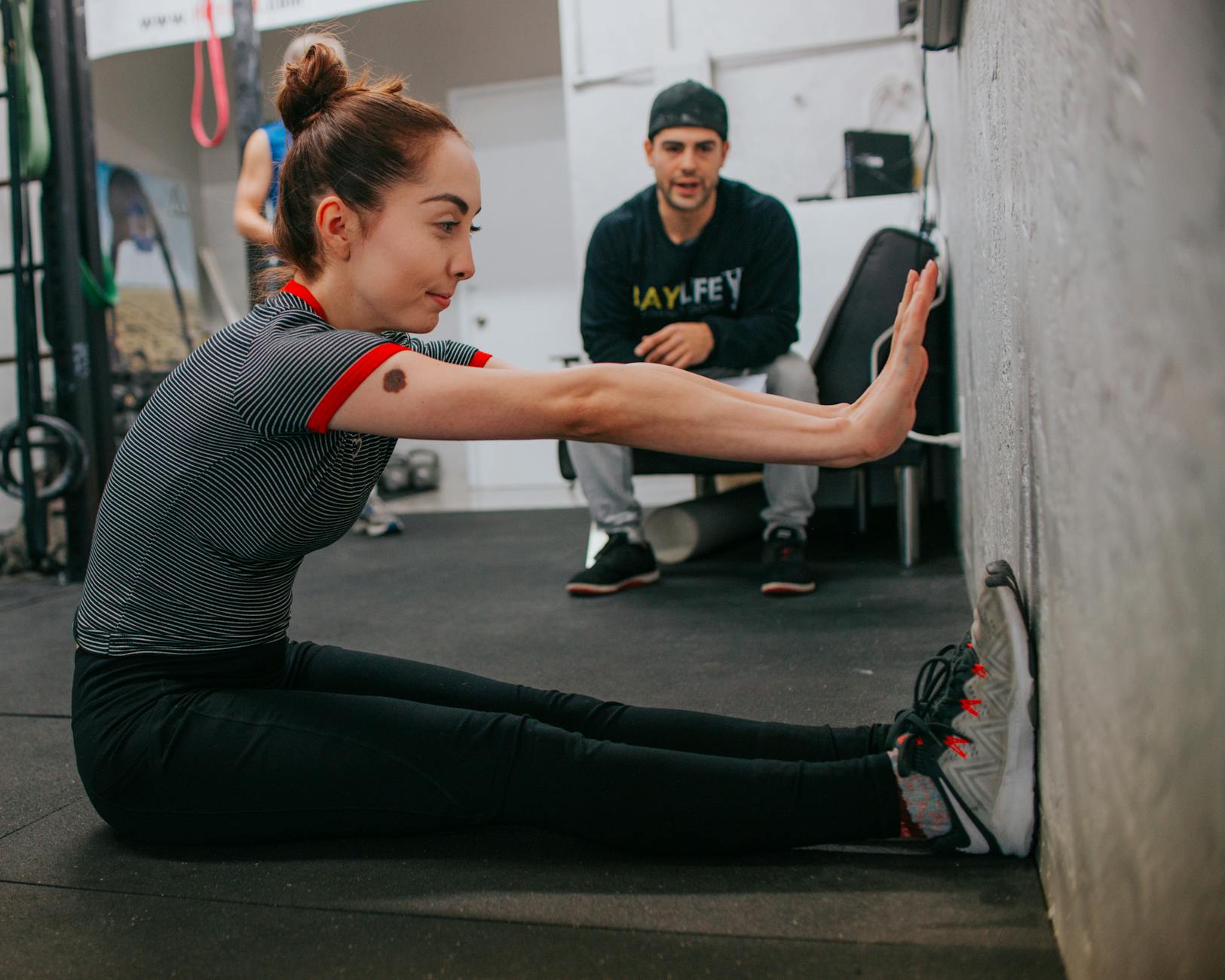
The first week is the highest-risk period in most coaching systems. Clients are excited, but also overwhelmed. Your onboarding job is not to educate them on everything you know; it is to reduce cognitive load. Collect only the variables that change decisions: schedule, equipment access, injury history, training age, sleep, steps, protein, and preferred communication channel.
Then send a pre-start checklist 48 hours before training begins. Keep it short: book sessions in calendar, place shoes and clothes in visible location, set step target, buy protein sources, and confirm first check-in time. This is where many coaches unintentionally lose momentum. Activation matters more than inspiration.
Script the first-week win
Do not make the first goal body composition. Make it completion. A reliable week-one target is three training exposures, one meal-prep action, and one daily behavior target such as 8,000 steps or 30 grams of protein at breakfast. Small wins raise self-efficacy, and self-efficacy is one of the strongest predictors of continued effort in behavior change research.
One practical template is a 7-day activation score out of 10: three points for sessions completed, three for step goal, two for nutrition target, and two for sleep averaging 7 hours. A coach managing 30 online clients can often raise 90-day retention simply by reviewing this score on day 7 and adjusting early. In real practice, moving clients from vague first weeks to a clear activation score often produces fewer missed check-ins and better month-two continuation.
Use Behavior Science to Improve Adherence
Build autonomy, competence, and relatedness
Strong client retention strategies are rooted in self-determination theory. People stick to training longer when they feel they have choice, when they feel capable, and when they feel connected to the coach. If your system is rigid, confusing, or impersonal, retention drops even if the program is technically solid.
Adherence research consistently shows that clients stay engaged longer when coaching supports autonomy, competence, and relatedness rather than relying on pressure or guilt.
In practice, offer controlled choices: trap-bar deadlift or kettlebell hinge, bike intervals or incline walking, morning or evening check-ins. Scale sessions so clients can finish successfully 80 to 90 percent of the time. Add one personalized touch weekly, such as a voice note or short video review. For more evidence-led tactics, see exercise adherence strategies that work.
Use habit anchors and if-then plans
Motivation is unreliable; context is not. Anchor training to an existing routine: after dropping the kids at school, after work before heading home, or immediately after coffee on home-office days. Then create implementation intentions. Example: If a meeting runs late and I miss my full session, then I will do the 20-minute backup workout before dinner.
Teach clients to build a two-tier system: primary plan and fallback plan. The fallback plan preserves identity and streaks. That could mean 2 sets instead of 4, 20 minutes instead of 45, or steps plus mobility instead of a full lift. Nutrition can follow the same model through habit-based nutrition coaching, where consistency beats perfection over time.
Communication Systems That Protect Your Personal Trainer Business
Set response-time and check-in standards
Clients do not just buy programming. They buy certainty. Tell them exactly when you respond, how often you review logs, and when longer feedback arrives. Good standards for most online and hybrid coaching models are weekday responses within 24 hours, proactive outreach after 72 hours of silence, and a deeper review every 2 to 4 weeks.
A simple cadence works well:
- Daily: automatic workout logging and habit tracking
- Weekly: structured check-in with behavior review and next-step focus
- Monthly: progress audit, programming changes, and goal reset
When communication is predictable, clients do not interpret silence as neglect. That one systems change can stabilize a growing personal trainer business because fewer clients feel lost between sessions.
Use a high-signal weekly check-in template
Your check-in should surface decision-making data, not invite essays. Ask five questions: What went well? What got in the way? How was energy out of 10? How many sessions were completed? What is the one focus for next week? This keeps the review short, objective, and coachable.
Create red-flag rules that trigger a faster intervention. Examples: two missed sessions in seven days, sleep under 6 hours for three nights, motivation at 5 out of 10 or lower, or food logs disappearing for five days. Do not wait for the next scheduled review. A five-minute rescue call within 24 to 48 hours often saves a client who would otherwise drift out.
Program Design That Keeps Progress Visible
Progress slowly enough to win consistently
Retention is not built on brutal programs. It is built on repeatable success. For general fitness clients, three full-body sessions weekly with 4 to 6 exercises per session is often the sweet spot. Use 4-week mesocycles, 1 to 2 primary lifts, 2 to 3 accessories, and a simple double-progression model: hit the top of the rep range twice, then raise load 2.5 to 5 percent.
Keep intensity in the productive zone. Most clients do well when primary lifts finish around RPE 7 to 9 and accessories around RPE 7 to 8. Reserve true grinders for rare testing periods. When clients recover better, they miss fewer sessions. For a deeper load-management framework, review progressive overload for muscle and strength.
Track metrics clients can understand
Most clients stay longer when they can see progress in multiple ways. Use a three-column scoreboard: performance, behavior, and lifestyle. Performance might include reps, load, or cardio pace. Behavior might include session completion and protein compliance. Lifestyle might include sleep duration, energy, or daily steps.
If the only metric you show is scale weight, you hide wins that matter. Visible wins drive confidence, and confidence drives retention.
Give clients one dashboard they can read in 30 seconds. Green for on target, yellow for inconsistent, red for immediate attention. Coaches often overcomplicate reporting. Simpler scoreboards produce faster decisions and better adherence because clients know exactly what to improve next.
Build Accountability, Community, and Recovery Loops
Create belonging, not just oversight
People stay where they feel seen. Even one small community touchpoint can improve retention: a monthly Q and A, a private group chat, a technique review day, or a consistency leaderboard. Focus recognition on controllables such as attendance, meal prep, or streaks, not aesthetics. That builds process identity instead of comparison anxiety.
At the individual level, celebrate specifics. Instead of great job, say you hit all three training days during a stressful work week and still averaged 8,200 steps. Precise praise reinforces the behaviors you want repeated. Social support literature consistently links accountability and belonging with stronger long-term exercise adherence.
Plan for lapses before they happen
Every high-retention fitness coaching program needs a relapse plan. Missed weeks are normal, not moral failures. Build a written rescue protocol: day 1 re-establish schedule, day 2 do the shortest possible workout, day 3 restore nutrition anchor, day 4 review barriers with coach. Speed matters more than perfection.
Also protect recovery so clients do not burn out. Use deloads every 4 to 8 weeks as needed, step down volume during travel or high-stress periods, and prioritize sleep and soreness management. Resources on recovery strategies for athletes can support this phase. The rule is simple: if life stress rises, reduce training complexity before compliance collapses.
Frequently Asked Questions
How often should coaching clients be contacted?
For most general-population clients, one structured weekly check-in plus short replies during the week is enough. Higher-touch clients, beginners, or those in the first month often benefit from two proactive touchpoints weekly because early accountability reduces dropout risk.
A useful standard is this: reply within 24 hours on weekdays, initiate contact if there is no logging for 72 hours, and do one monthly progress review. Contact should increase during onboarding, injury modification, or major life disruption.
What is a good retention target for a coaching program?
A practical benchmark is to track 30-day activation, 90-day retention, and 6-month retention. Many strong coaching businesses aim for 80 percent or better at 90 days and 65 to 75 percent at 6 months, depending on niche, pricing, and service model.
Do not judge retention only by annual averages. If clients frequently disappear in the first 14 to 30 days, your onboarding is the problem. If they leave after 8 to 12 weeks, your progress visibility or next-phase planning is likely weak.
Should every client get fully custom programming?
No. Fully custom is often a poor use of coaching time if the client needs behavior support more than exercise novelty. A better model is a proven template customized for schedule, equipment, injury history, and priority lifts.
Customize where it matters most: exercise selection, weekly frequency, volume tolerance, and progression speed. Standardize where it improves consistency: warm-up flow, check-in format, habit targets, and dashboard tracking.
What is the fastest way to reduce churn?
Fix the first two weeks. Most churn begins with a weak start: confusing setup, too much homework, no clear target, and no early feedback. Give clients one fast win, one fallback plan, and one clear next step every week.
If you do only three things, do these: define success in week one, message proactively after missed logs, and show progress using more than body weight. Those three changes solve a large percentage of preventable drop-off.
Conclusion
A high-retention coaching model is not built on charisma or constant content. It is built on clear offers, low-friction onboarding, behavior-first systems, visible progress, and fast intervention when compliance slips. If you want stronger client retention strategies, a better fitness coaching program, and a more resilient personal trainer business, start by tightening the first 14 days, standardizing your weekly communication, and giving every client a scoreboard they understand.
Retention is a coaching skill. Like programming, it improves when you measure it, review it, and refine it. Audit your current system this week: activation rate, weekly response standard, missed-session rescue plan, and 90-day retention percentage. Then build the next version. For more evidence-based coaching systems, practical training frameworks, and performance education, explore ElitePTS articles.