


The Evolution of Modern Coaching: Why Small Group Training Works
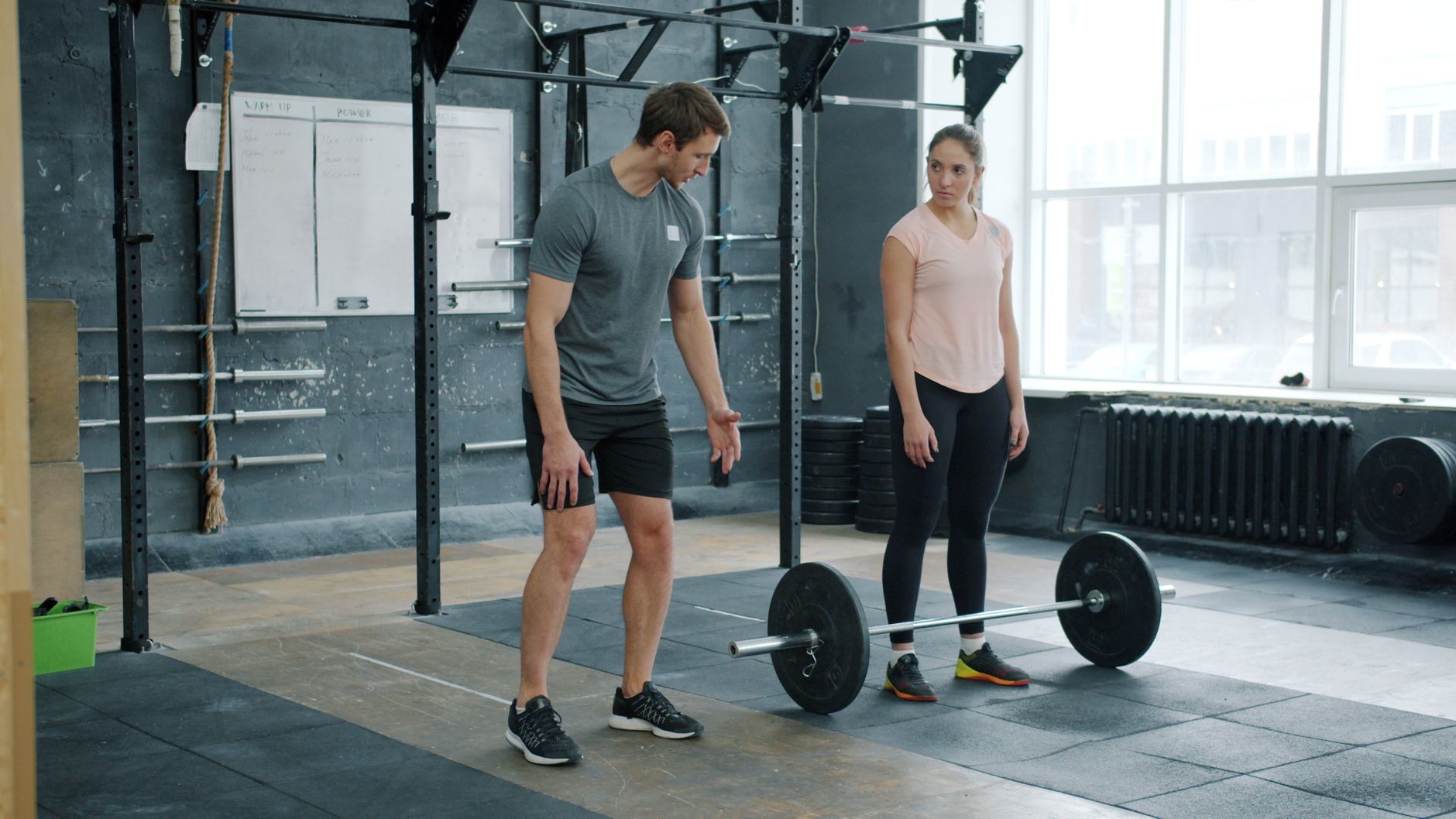
Imagine a training environment where the energy of a community meets the precision of individualized coaching. This is the hallmark of professional small group training. In an industry often divided between high-volume bootcamps and solitary one-on-one sessions, the middle ground—specifically semi private sessions—offers a unique opportunity for both the trainer and the client to thrive. As a coach, mastering this modality requires more than just knowing how to count reps; it requires a deep understanding of human dynamics, efficient movement analysis, and scalable programming.
The shift toward small group models is not just a trend; it is a response to the growing demand for affordable yet personalized fitness experiences. When you transition from one-on-one to a group of four to six, you are not simply multiplying your effort; you are creating a synergy that often leads to better client adherence. By effectively utilizing group PT coaching, you can leverage peer accountability, which is often the missing link in long-term success. This guide provides the blueprint for designing, managing, and scaling a training model that maximizes both your hourly revenue and your clients' physical results.
Designing Scalable Small Group Fitness Programming
The Fundamentals of Periodization
When dealing with multiple clients at different levels, your small group fitness programming must be robust enough to handle variance. You cannot rely on ad-hoc workouts. Instead, you need a templated periodized approach that allows for individual adjustments. Whether you are focusing on strength blocks or metabolic conditioning, the overarching structure should be consistent for the group to maintain efficiency, while specific loading parameters change per individual.
For those looking to deepen their understanding of training loads, you should review our principles of progressive overload. By standardizing the movement patterns across the group while customizing the intensity, you ensure that every client experiences a meaningful challenge. This prevents the chaos that often plagues poorly managed group sessions, allowing you to maintain authority and focus as the coach.
Implementing Tiered Exercises
A key strategy in successful semi private sessions is the use of tiered progressions. If your group is performing a squat pattern, have a foundational version (goblet squat), a regressive version (box squat), and a progressive version (barbell back squat) ready. This allows you to coach the room effectively rather than running from person to person correcting fundamental errors.
- Ensure all participants have mastered the base movement before adding complex implements.
- Use consistent cueing terminology so that every client knows exactly what you mean by 'hinge' or 'brace.'
- Periodically review your active recovery strategies to ensure that the group volume does not lead to overtraining.
Mastering Coaching Dynamics in a Shared Space
The Art of the 'Global' Cue
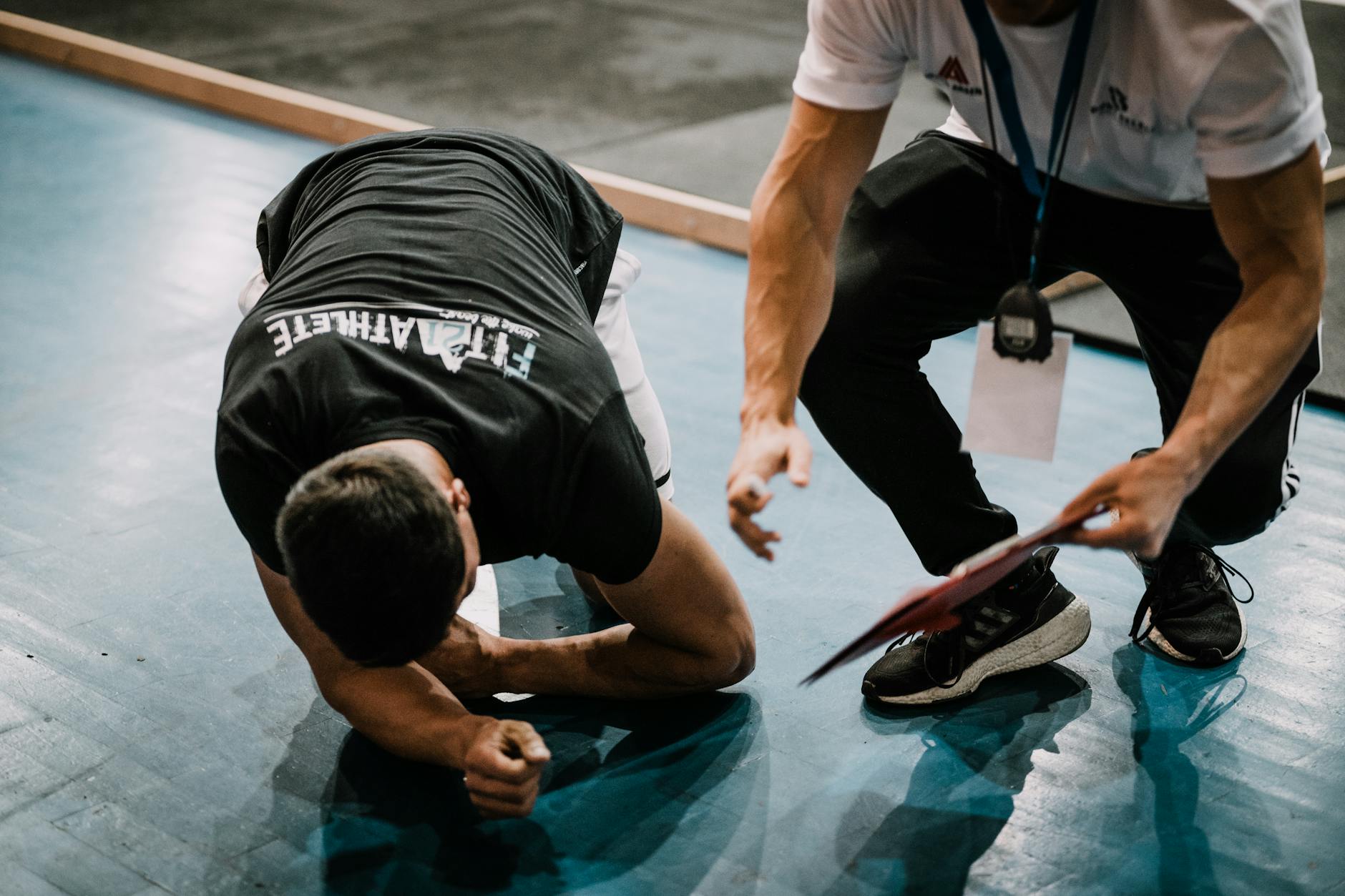
One of the most important skills in group PT coaching is the ability to deliver cues that apply to everyone while maintaining individual feedback. Instead of yelling over the music, use pauses in the movement to provide 'global' cues that address common technical breakdowns. This keeps the flow of the session intact and educates the entire group simultaneously.
Effective communication is also about knowing when to be silent. Constant talking creates noise that diminishes the focus of your clients. By establishing clear expectations during your onboarding, you allow clients to understand the rhythm of the session. If you want to learn more about how we help coaches structure these professional relationships, visit our coaching services page to see how we help you build your brand.
Managing Energy and Flow
Small group sessions can quickly become unmanageable if the logistics are poor. Map out your gym floor to create clear 'stations' for each participant. This reduces the time wasted moving equipment, which is a major factor in client frustration. When the environment is organized, you spend more time teaching and less time playing equipment manager.
Remember that your presence is the anchor of the room. Your energy levels dictate the intensity of the group. Even on days when the room is low-energy, your role is to facilitate an environment that pushes clients beyond their perceived limitations. It is about balancing the 'tough love' aspect of elite training with the supportive community aspect of a group setting.
Optimizing Client Retention Through Community
Building a Peer Support Ecosystem
Retention in the fitness industry is largely about connection. In a one-on-one session, the connection is limited to the trainer and the client. In a group, the network effect takes over. Clients start to look forward to seeing their 'gym friends,' which turns attendance into a social obligation rather than just a fitness goal. As a coach, you must foster this community intentionally.
Encourage partners during difficult sets or schedule periodic group challenges. When the group succeeds together, the internal satisfaction of the clients increases, leading to higher long-term retention. To ensure your clients are staying healthy outside the gym, emphasize the role of nutrition. You can refer your clients to our protein intake guide to ensure they are supporting their recovery.
Handling Individual Needs in a Group
There will always be clients with specific injuries or unique goals. Part of the value proposition of high-quality small group training is that you, as the expert, provide modifications on the fly. This differentiates you from low-cost, high-volume gyms where people are just following a screen or a generic whiteboard. Never compromise individual safety for the sake of group uniformity.
For clients struggling with consistency, consider educating them on the importance of sleep optimization. A coach who provides holistic advice is viewed as a partner in health, which justifies higher price points and improves client loyalty. If you are struggling to manage your business operations alongside your coaching, contact us at ElitePTS for business consultation.
Scaling Your Business and Managing Time
The Economics of Semi Private Sessions
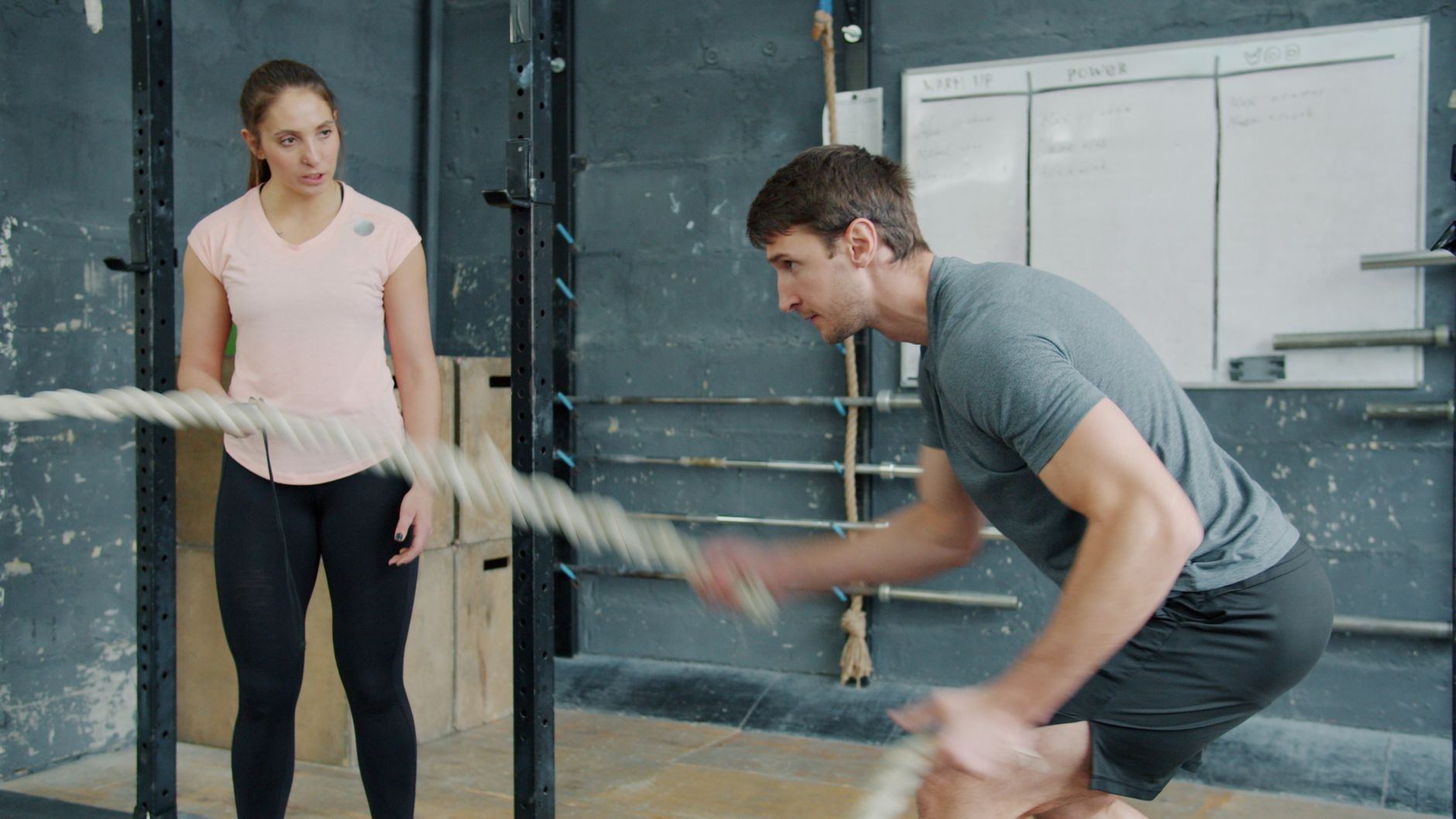
When you shift your business model to group PT coaching, your income ceiling shifts significantly. By seeing four clients per hour at a lower individual rate, you can increase your total hourly revenue compared to a single private session, all while providing a more engaging product. The key is in the efficiency of your management.
Ensure that your scheduling and payment systems are automated. You do not want to waste your high-value time acting as a receptionist. Use booking software that allows clients to claim their spots in advance, creating a sense of scarcity and urgency that drives better attendance rates.
Maintaining Professional Standards
As you grow, it is easy to let the 'personal' touch slip. Maintain a database of your clients' progress and history. Before a group session begins, take two minutes to review the notes for everyone in that group. Greeting a client by their name and referencing a previous PR or a specific recovery need demonstrates that despite being in a group, they are still receiving high-level care.
Quality control is paramount. If you ever feel that your coaching is suffering due to group size, reduce the number of participants. The goal of a premium small group experience is to never let the 'service' feeling drop. We invite you to explore our professional development offerings for coaches to refine your craft further.
Frequently Asked Questions
How many people should be in a small group?
We recommend a ratio of 1:4 to 1:6. This allows for individual attention while maintaining the energy of a community. Anything over 6 often degrades into a generic fitness class where technical coaching is sacrificed for volume.
What is the biggest mistake coaches make in small groups?
The biggest mistake is 'circuit-style' laziness, where the coach simply writes a list of exercises on a board and monitors the clock. Effective coaching requires constant feedback, technical adjustments, and personalized loading for every single person in the room.
How do I price small group training?
Price your group sessions at 60-75% of your one-on-one rate. This makes the session more accessible for the client while significantly increasing your net income per hour. If you need help with your business model, read our comprehensive guide to scaling.
Conclusion
Small group training represents the perfect intersection of professional coaching and sustainable business growth. By mastering the delicate balance between individualized programming and communal energy, you can create a training environment that your clients will never want to leave. Remember that the quality of your service is what justifies your premium rates, and the strength of your community is what secures your client retention.
As you move forward, focus on refining your cueing, systematizing your periodization, and fostering a culture of mutual support. If you are ready to take your coaching business to the next level and want expert guidance on scaling your model, please reach out to the team at ElitePTS today to schedule a consultation. Your transition to a more efficient, higher-earning coaching practice starts with a solid foundation.