


Introduction
Bringing a new life into the world is a profoundly transformative experience. For many women, this journey can bring not only joy but also physical and emotional challenges. Understanding how to coach postpartum women back to fitness is crucial to help them regain their strength, confidence, and health. In this article, we’ll explore the unique demands of postpartum fitness coaching, the physiological changes women experience after childbirth, and effective strategies to support their journey back to exercise.
Understanding Postpartum Changes


After giving birth, a woman's body goes through significant changes that impact her physical and mental well-being. Recognizing these changes is vital for any coach working with postpartum clients.
The Physical Changes
- Hormonal Fluctuations: After delivery, hormone levels drop significantly. This can affect mood, energy levels, and body composition.
- Muscle and Joint Changes: Pregnancy alters posture and can weaken core muscles and pelvic floor strength. This may lead to issues such as incontinence or diastasis recti (abdominal separation).
- Cardiovascular Adaptations: Women may experience decreased cardiovascular fitness and endurance as their body recovers from childbirth.
The Emotional Journey
Besides physical challenges, new mothers often face emotional hurdles. Anxiety and postpartum depression are common, making it crucial to provide a supportive and understanding environment.
Strategies for Effective Postpartum Fitness Coaching
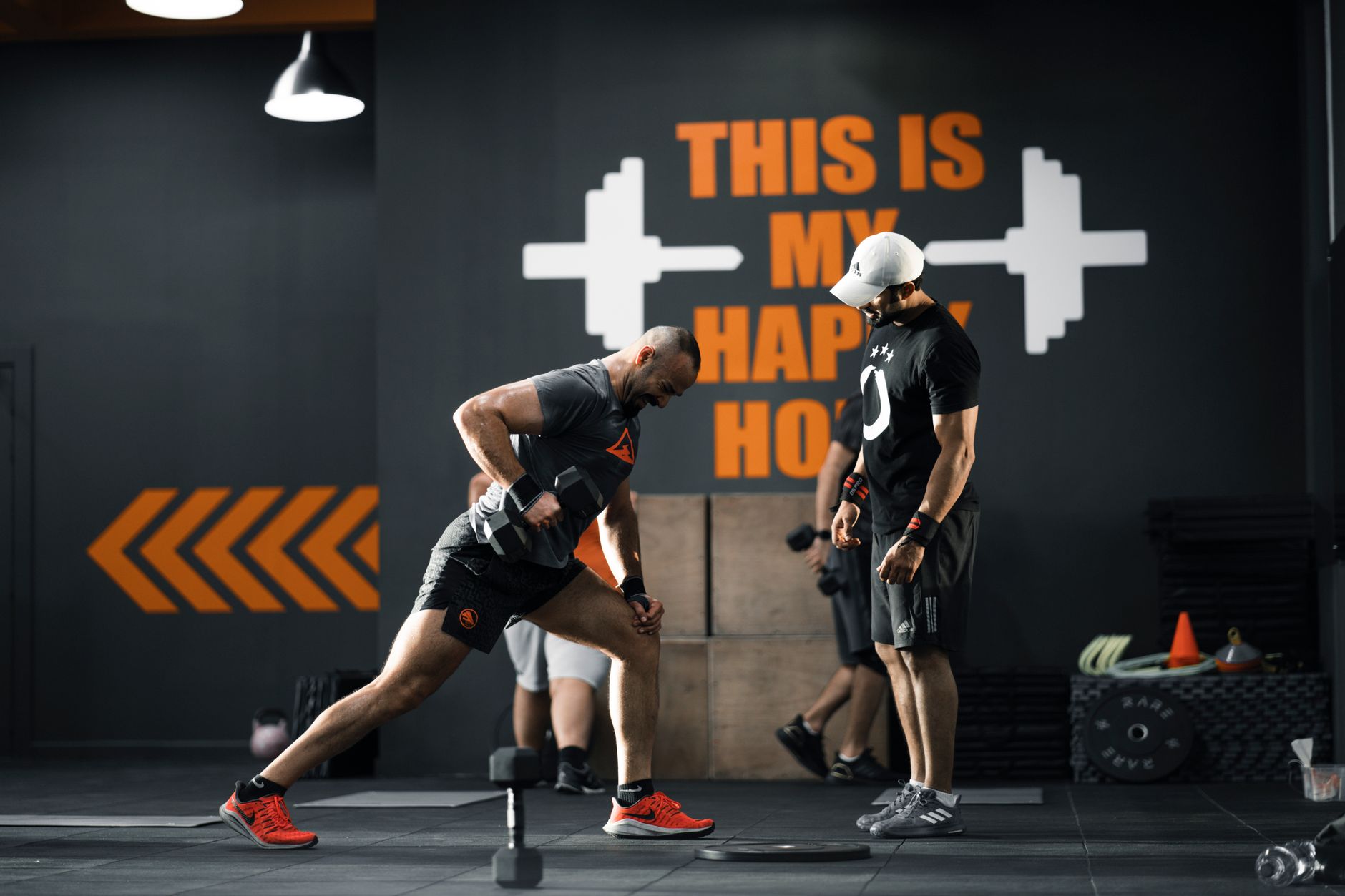
Coaching postpartum women requires a tailored approach that respects their unique challenges and goals. Here are some strategies to implement in your training sessions:
1. Build a Relationship of Trust
- Open Communication: Encourage conversations about their experiences, fears, and goals.
- Empathy and Support: Understand that every woman's journey is different; be patient and understanding to their needs.
2. Conduct a Thorough Assessment
Before starting any workout program, assess your client's physical condition. Key elements to evaluate include:
- # of weeks/months postpartum
- Medical clearance from healthcare provider
- Current fitness level and previous exercise history
Creating a Safe and Effective Postpartum Exercise Plan
A well-structured exercise plan is essential for postpartum women. It should be flexible, allowing for adjustments based on recovery and energy levels.
1. Start Slow and Progress Gradually
It is crucial to begin with low-impact exercises that focus on core stabilization and mobility. Here are some effective options:
- Pelvic Floor Exercises: Encourage clients to practice Kegels to strengthen pelvic muscles.
- Modified Planks: Help clients engage their core safely.
- Walking: Simple yet effective for cardiovascular health and gradual re-conditioning.
2. Focus on Core and Pelvic Floor Rehabilitation
Prioritize core and pelvic floor strength to aid recovery. Incorporate exercises like:
- Bridges: Strengthen glutes and core.
- Dead Bugs: Enhance core control.
3. Gradually Introduce Resistance Training
Once the client has built foundational strength, begin gradually introducing resistance training. Consider:
- Bodyweight exercises (squats, lunges)
- Light weights with proper form
Creating a Supportive Environment

Creating a positive and encouraging atmosphere is essential for postpartum women returning to fitness.
1. Promote a Positive Mindset
Encourage your clients to celebrate small victories and focus on progress rather than perfection.
2. Foster Community
Consider group sessions or community events where postpartum women can connect and support one another.
Incorporating Nutrition for Recovery
Nutrition plays a Crucial Role in postpartum recovery and fitness. Offer guidance on:
- Balanced Diet: Encourage a diet rich in whole foods, lean proteins, healthy fats, fruits, and vegetables.
- Hydration: Emphasize the importance of staying hydrated, especially for breastfeeding mothers.
FAQs About Postpartum Fitness Coaching
What are the best exercises for postpartum women?
Core rehabilitation exercises like pelvic floor workouts, gentle yoga, and walking are ideal to start with.
How soon after childbirth can a woman start exercising?
Generally, women can return to exercise within 4-6 weeks postpartum, but it’s essential to receive medical clearance first.
Can postpartum women lift weights?
Yes, but they should start with light weights and focus on proper form and stabilization before increasing intensity.
Are there specific workouts for diastasis recti?
Yes, specific rehab exercises like modified crunches and core stabilization workouts can help address diastasis recti.
Conclusion
Coaching postpartum women back to fitness requires a holistic understanding of their physical and emotional needs. By focusing on safe, effective strategies and creating an encouraging environment, you can significantly impact their recovery journey. At ElitePTS, we are dedicated to empowering new mothers through tailored fitness coaching that supports their unique postpartum journey.