


The Science of Human Connection in Fitness
Imagine two trainers with identical credentials, programming knowledge, and access to the same equipment. One produces mediocre results, while the other consistently turns sedentary individuals into high-performing athletes. The difference is rarely the number of sets or reps; it is the presence of empathy in coaching. In an industry often obsessed with data, heart rate monitors, and mechanical efficiency, we frequently overlook the most potent tool in our kit: the human nervous system.
The fitness industry is undergoing a paradigm shift. We are moving away from the drill-sergeant archetype toward a more nuanced, connection based coaching model. Understanding that a client's resistance to a squat pattern might not be a physical limitation but a psychological barrier is what separates good trainers from world-class performance coaches. This article explores how deep empathy acts as a catalyst for neuro-physiological changes in our clients, ultimately leading to higher adherence and superior outcomes.
Defining Empathy in the Personal Training Context

Beyond Sympathy: Understanding Cognitive Empathy
Many trainers confuse sympathy—feeling sorry for a client—with empathy. Empathy is the ability to understand and share the feelings of another. In a gym setting, this manifests as cognitive empathy, where the empathetic personal trainer identifies exactly why a client struggles with progressive overload during high-stress periods at work. It is an intellectual process of perspective-taking.
By utilizing ElitePTS coaching frameworks, trainers can learn to separate their ego from the client's journey. Instead of pushing a generic program, they evaluate the client's internal state. This is not soft science; it is a calculated approach to removing the friction that prevents physical adaptation.
The Neurobiology of Emotional Intelligence PT
Research suggests that when a client feels heard and understood, their sympathetic nervous system shifts. A state of high cortisol—often induced by pressure or shame—inhibits progress. When you apply emotional intelligence PT techniques, you down-regulate that stress, allowing for better recovery and focus.
- Active listening reduces client anxiety.
- Validation fosters a safe environment for physical risk-taking.
- Reduced cortisol allows for improved neuromuscular output.
The Direct Impact on Client Adherence

Building Trust Through Shared Vulnerability
High-performance coaching is built on a foundation of trust. If a client doesn't trust your intent, they will never push their threshold of exertion. Trust is not built by shouting or demonstrating a perfect clean-and-jerk; it is built by showing that you care about their life outside the gym. This is why connection based coaching is the ultimate predictor of retention.
When you demonstrate empathy, you create a psychological safety net. If a client misses a session, an empathetic inquiry into their well-being is far more effective than a scolding about accountability. Check out our professional training services to see how we integrate these human-centric values into every program.
Overcoming Plateaus Through Emotional Support
Plateaus are rarely just physical; they are often the result of burnout or lack of mental buy-in. When a client hits a wall, the empathetic personal trainer looks for the root cause. Are they neglecting sleep optimization? Is their nutritional stress causing systemic inflammation? Empathy allows you to ask the questions that uncover these hidden culprits.
- Identifying stressors that drain recovery resources.
- Adjusting volume when life demands are peaking.
- Providing encouragement that aligns with the client's unique values.
Communication Skills That Drive Results
The Art of the Empathetic Inquiry
Communication is the bridge between a plan and a result. Instead of telling a client to "eat more protein," the high-performance coach asks about their daily barriers. Understanding that a client might be struggling with time management allows for more effective protein intake guide solutions that actually fit their lifestyle.
Reflective listening is your most valuable asset. When you repeat back what a client has said, they feel validated. This simple validation is often enough to break through a wall of resistance. To master these skills, consider joining our community at ElitePTS.
Managing Resistance Without Confrontation
Resistance is a natural part of change. When a client fights back against a new habit, the untrained coach calls it laziness. The expert coach sees it as an emotional reaction to change. Empathy allows you to lean into the discomfort rather than forcing your way through it, which is the cornerstone of effective connection based coaching.
The Role of Empathy in Program Design
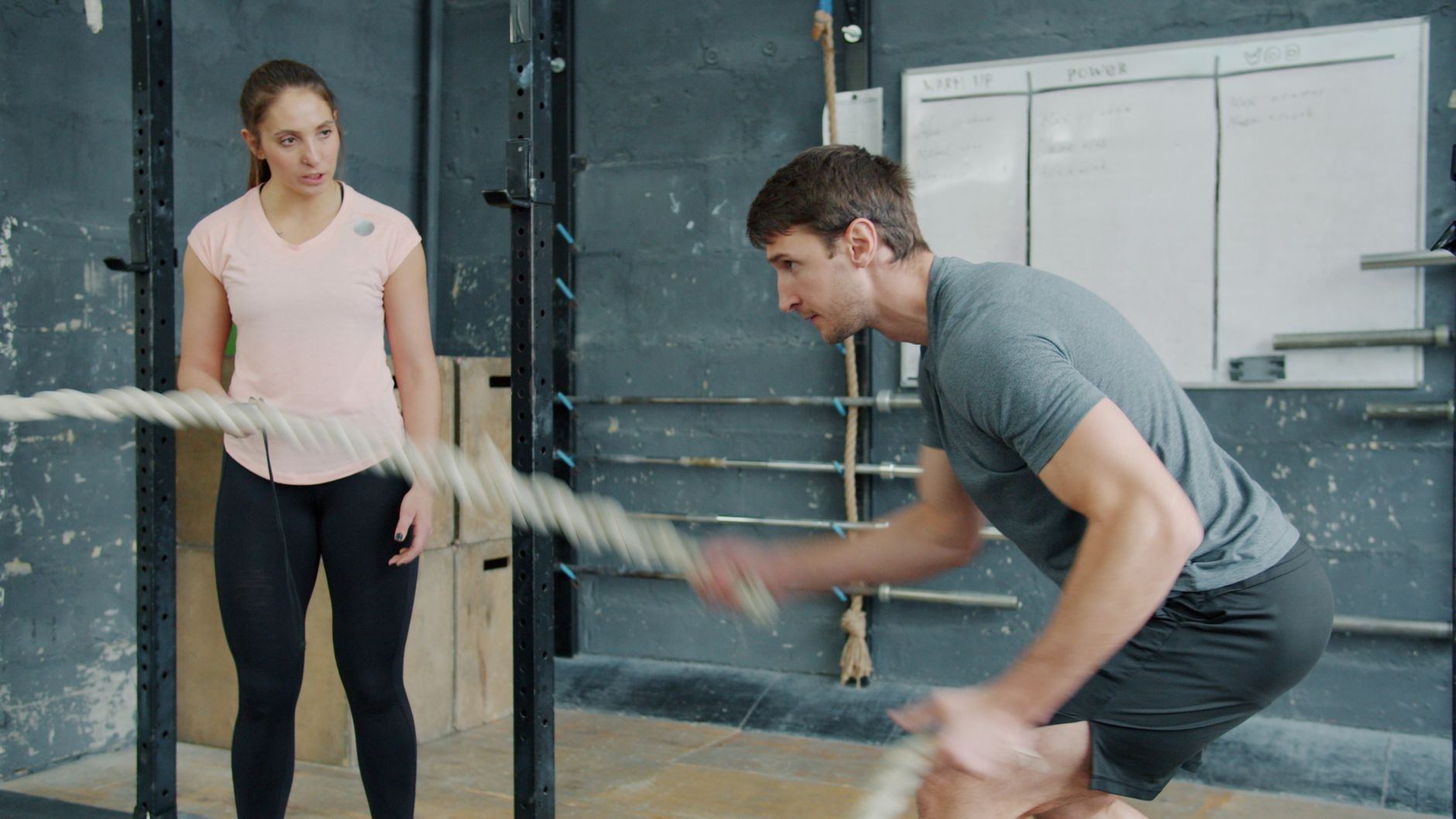
Personalizing the Fitness Journey
Programming should never be a one-size-fits-all exercise. By utilizing empathy, you understand that a client's "intensity" looks different on a Monday after a poor night of rest than it does on a Friday morning. Effective programming is flexible and responsive to the client's immediate state of readiness.
When we prioritize active recovery, it isn't just because the science says so; it's because we empathize with the athlete's need for sustainability. We build programs that respect the human behind the barbell, ensuring longevity and consistency.
Long-Term Development and Sustainability
High-performance coaching isn't just about the next four weeks; it is about the next four years. Empathy ensures you aren't burning out your client for short-term gains. By monitoring their emotional bandwidth, you create a long-term roadmap that evolves as the client matures, minimizing injury risks and burnout.
FAQ: Mastering the Empathetic Approach
How do I maintain boundaries while being empathetic?
Empathy does not mean becoming your client's therapist. You can hold space for their emotions while maintaining professional standards. Always guide the conversation back to the training goal after providing support.
Can empathy make a trainer appear weak?
On the contrary, true strength lies in composure and understanding. Clients respect trainers who are confident enough to listen and adjust, rather than those who blindly follow a rigid dogma.
How can I practice empathy if it doesn't come naturally?
Empathy is a skill that can be cultivated. Practice active listening, observe body language, and try to view every interaction through the lens of "what is this person currently experiencing?" before offering your opinion.
Conclusion: The Future of Elite Coaching
The future of fitness belongs to those who can bridge the gap between hard science and soft skills. Empathy in coaching is not a distraction from physical progress; it is the catalyst that allows that progress to happen in the first place. By mastering the art of emotional intelligence, you transform from a taskmaster into a true architect of human potential. If you are ready to elevate your career and learn how to implement these high-performance strategies into your daily practice, contact our team today at ElitePTS contact page to see how we can support your growth.