


The Modern Evolution of Workplace Health
In the fast-paced corporate landscape, the health of an organization is inextricably linked to the physical and mental well-being of its workforce. As a fitness professional, you have a unique opportunity to bridge the gap between sedentary desk life and peak human performance. Corporate wellness programs are no longer just a trend; they are a fundamental pillar of modern talent retention and organizational productivity.
Understanding the transition from traditional office dynamics to wellness-centric environments is crucial for any trainer entering this space. Many professionals spend upwards of eight hours a day in a seated position, leading to chronic musculoskeletal issues and diminished metabolic health. By stepping into the role of an office wellness trainer, you can implement structured physical activity that directly combats these sedentary risks. This guide will walk you through the structural, physiological, and commercial aspects of building a sustainable and highly profitable corporate wellness business.
Designing Science-Based Fitness Initiatives
Movement Patterns and Desk Ergonomics
The first step in any successful workplace fitness strategy is addressing the specific biomechanical limitations of the office environment. Prolonged flexion of the hip, forward-shifted head posture, and thoracic kyphosis are the "office worker's triad." As a trainer, your initial assessments should focus on restoring range of motion. You can learn more about how to structure these corrective strategies in our active recovery guide to ensure your clients aren't pushing too hard without adequate mobility.
Effective programming requires a focus on posterior chain activation and core stability. Implementing micro-breaks that include glute bridges, wall slides, and neck retractions can prevent cumulative trauma. If you want to expand your service offerings, check out our professional service packages at ElitePTS to see how we tailor these routines to diverse corporate populations.
Metabolic Conditioning for Busy Professionals
Time scarcity is the biggest barrier to exercise for executives and staff. Therefore, your corporate personal training sessions must be efficient. High-intensity interval training (HIIT) or circuit-based resistance training works exceptionally well in these environments. By utilizing limited equipment—such as resistance bands or bodyweight—you can drive significant cardiovascular adaptations without requiring a massive gym footprint.
Integration of progressive overload is still possible even in a corporate setting. By tracking volume and density, you ensure that employees are seeing measurable results, which serves as a powerful incentive to stay enrolled in the program. Consistency is the primary variable for long-term health success.
The Psychology of Engagement and Retention
Overcoming Sedentary Cultural Norms
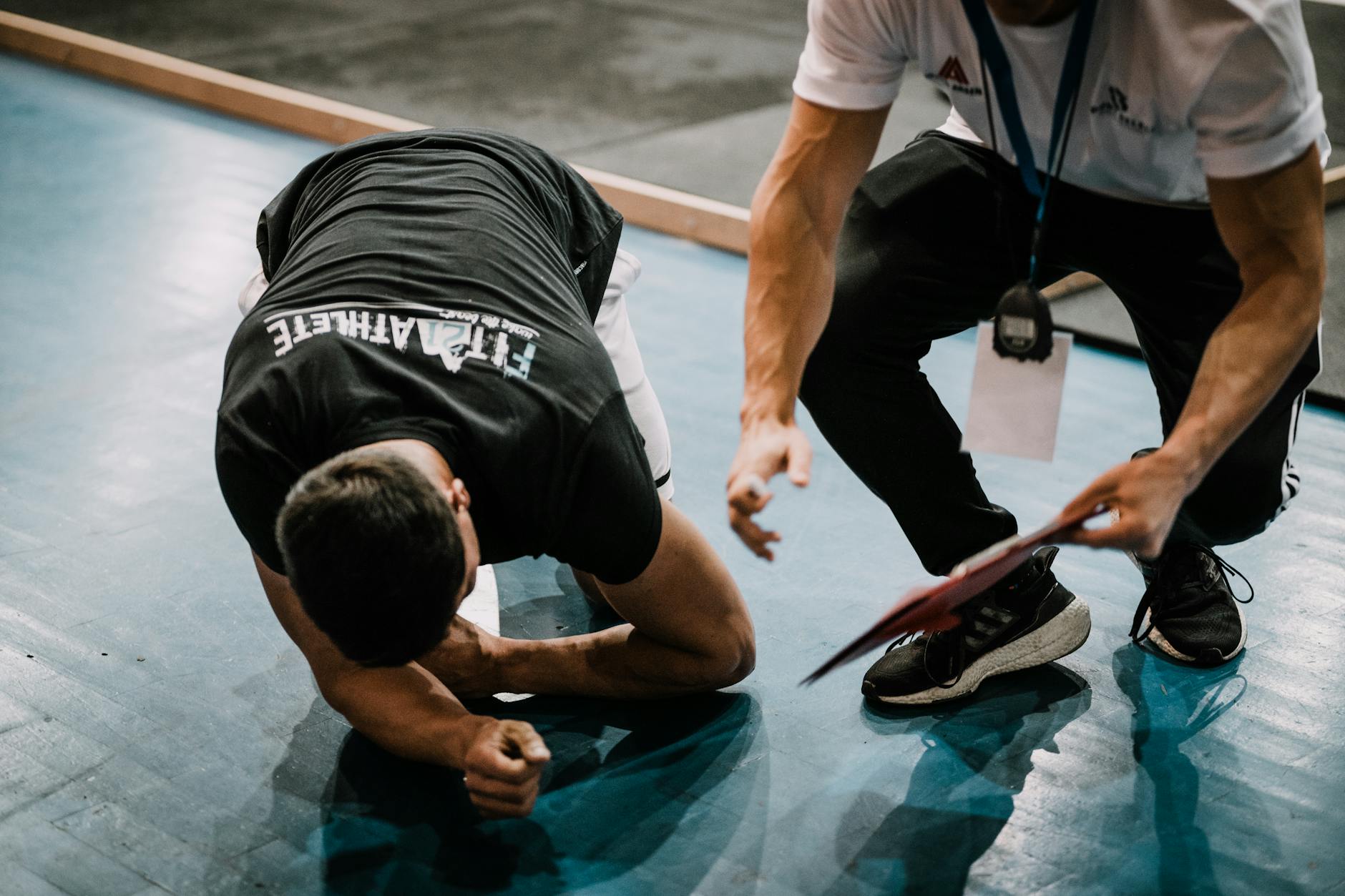
Cultural barriers are often the biggest obstacle to widespread participation in workplace fitness. Many employees feel that taking time for health is "unprofessional." Your role as an office wellness trainer involves reframing exercise as a performance enhancer for their daily work. When you demonstrate that movement correlates with improved cognitive function and lower stress, buy-in becomes much easier.
Use data to drive interest. Tracking participation rates, energy levels, and even basic anthropometric changes can provide employees with the validation they need to keep showing up. If your clients struggle with the nutritional component, you can reference our protein intake guide to help them fuel their workdays effectively.
Incentivizing Consistency Through Gamification
Gamification is a potent tool in the fitness industry. By creating company-wide challenges, such as step counts or collective lifting goals, you build a sense of community. This communal aspect of corporate wellness programs reduces the intimidation factor for less experienced participants, fostering a supportive environment that encourages longevity.
Ensure that all programs emphasize inclusivity. For those just starting their fitness journey, understanding the basics of sleep optimization and lifestyle habits is often more impactful than complex lifting protocols. Providing a holistic wellness roadmap keeps retention rates high.
Scaling Your Corporate Fitness Business
Targeting the Right Decision Makers
To scale your business, you must present your value to HR departments and leadership teams. They don't want to hear about "fitness" as much as they want to hear about "ROI." Focus your pitch on reduced healthcare costs, decreased absenteeism, and improved employee morale. Emphasize that your corporate personal training services provide a direct benefit to their bottom line.
Prepare a robust presentation that showcases your expertise. If you need support with your own business development, visit our specialized programs designed to elevate your career as a fitness professional.
Operational Efficiency in Large Scale Delivery
When you start servicing large teams, you will need a streamlined management system. Using mobile-friendly scheduling apps and automated reporting allows you to focus on the coaching rather than the paperwork. Maintaining high standards across multiple groups is essential for your brand reputation.
Standardize your onboarding protocols. Every employee should have a basic screening that flags potential risks. A high-quality initial assessment protects your clients and reduces your professional liability while ensuring the program is scientifically sound.
FAQs: Expert Insights
How do you measure success in corporate wellness?
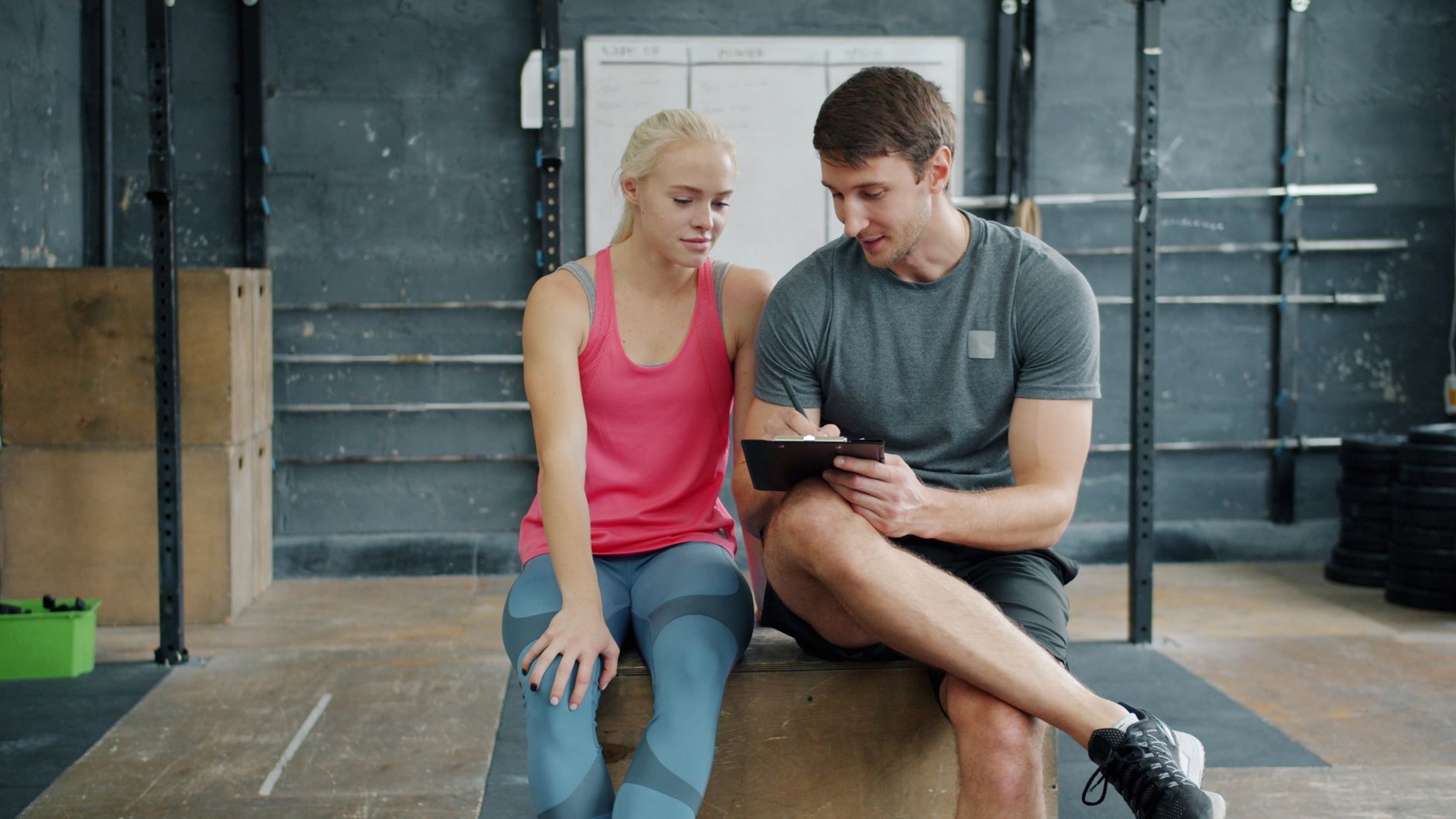
Success is measured through a blend of quantitative data (attendance, physical performance metrics, reduction in health insurance claims) and qualitative feedback (surveys, stress reduction reports, and overall team energy levels).
What equipment is necessary for an office fitness program?
Minimalist equipment is best. Think resistance bands, kettlebells, suspension trainers, and yoga mats. These tools allow you to facilitate complex movements in a breakroom or dedicated fitness corner.
How do I handle varying fitness levels in one group session?
Use exercise regression and progression models. Ensure every movement has a "beginner" and an "advanced" variation so that everyone in the group can work at an appropriate level of intensity.
Conclusion
Running successful corporate wellness programs is a rewarding way to diversify your income while making a profound impact on public health. By combining evidence-based exercise science with strong communication and business acumen, you can transform the way employees approach their work and their lives. Focus on delivering measurable value, building strong relationships with company leadership, and always keeping the client's goals at the forefront of your programming. If you are ready to take the next step in your career and need personalized mentorship on scaling your business, contact the ElitePTS team today and let us help you reach your professional peak.