

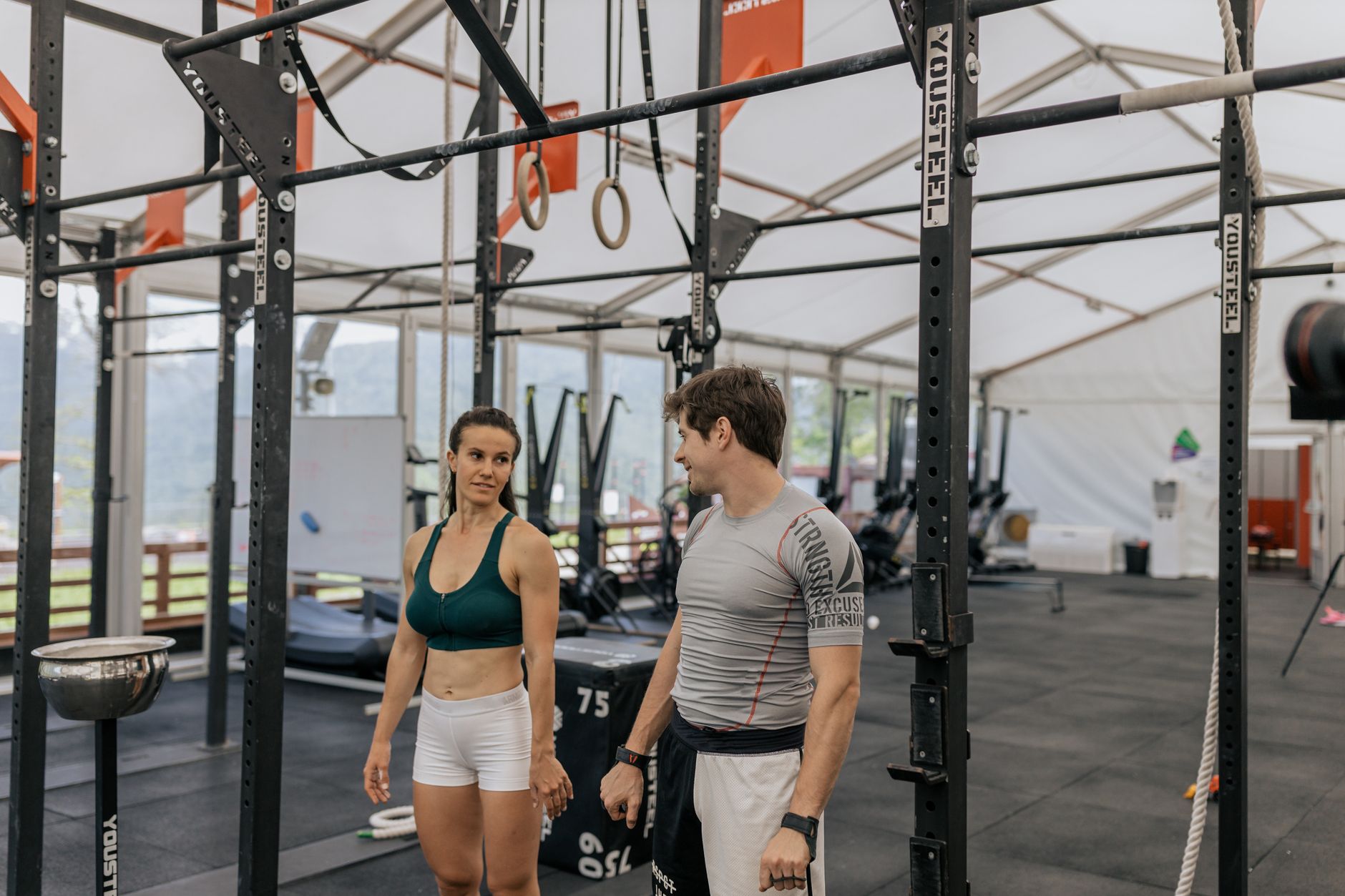
Social Proof for Coaches: Grow Your Coaching Biz Faster
Most coaches do not have a lead problem; they have a trust gap. Social proof for coaches closes that gap by showing real people, real results, and real buying confidence. If you want better fitness testimonials and stronger personal trainer marketing, you need a system, not random screenshots.
Coaching is a high-uncertainty purchase. A prospect cannot fully test your service before paying, so they look for signals that reduce risk: reviews, client stories, before-and-after photos, screenshots of compliance, retention data, and visible expertise. That is why social proof works so well in coaching compared with vague branding. It gives prospects evidence that your process delivers outcomes for people like them.
Used correctly, social proof is not manipulation. It is decision support. It helps the right client see themselves in your offer, understand what results are realistic, and trust that your method is organized. Throughout this guide, you will get practical protocols for collecting proof, packaging it, and deploying it across your funnel so more consults turn into committed clients.
Why Social Proof for Coaches Changes Buying Behavior
The psychology: people borrow certainty from other people
Robert Cialdini's work on influence popularized social proof as a core decision shortcut: when people feel uncertain, they look to others for cues on what is safe, smart, and effective. Hiring a coach is full of uncertainty. Prospects wonder whether your program works, whether they will stick to it, and whether you understand their situation.
That is why a detailed client story often outperforms a polished brand statement. Research on electronic word-of-mouth consistently shows that credibility, specificity, and reviewer similarity drive purchase intention. In practical terms, a 34-year-old shift worker in Edmonton trusts a testimonial from another busy shift worker more than a generic claim like results guaranteed.
In high-uncertainty purchases, people do not just buy expertise. They buy evidence that someone like them succeeded with your process.
Trust beats hype in service-based sales
Social proof works best when it lowers perceived risk. A coach saying, I build great programs, is a claim. A client saying, I went from 2 to 4 sessions per week, lost 7 kg in 16 weeks, and reduced knee pain because the plan was flexible, is evidence. Evidence travels farther because it answers the unspoken question: Will this work for me?
This is why strong proof also improves retention. When clients see your process producing wins for others, they understand the standard and stay engaged longer. If you want stronger buy-in after the sale, pair your social proof strategy with client adherence strategies that make those wins more likely and easier to share.
Which Fitness Testimonials Actually Convert
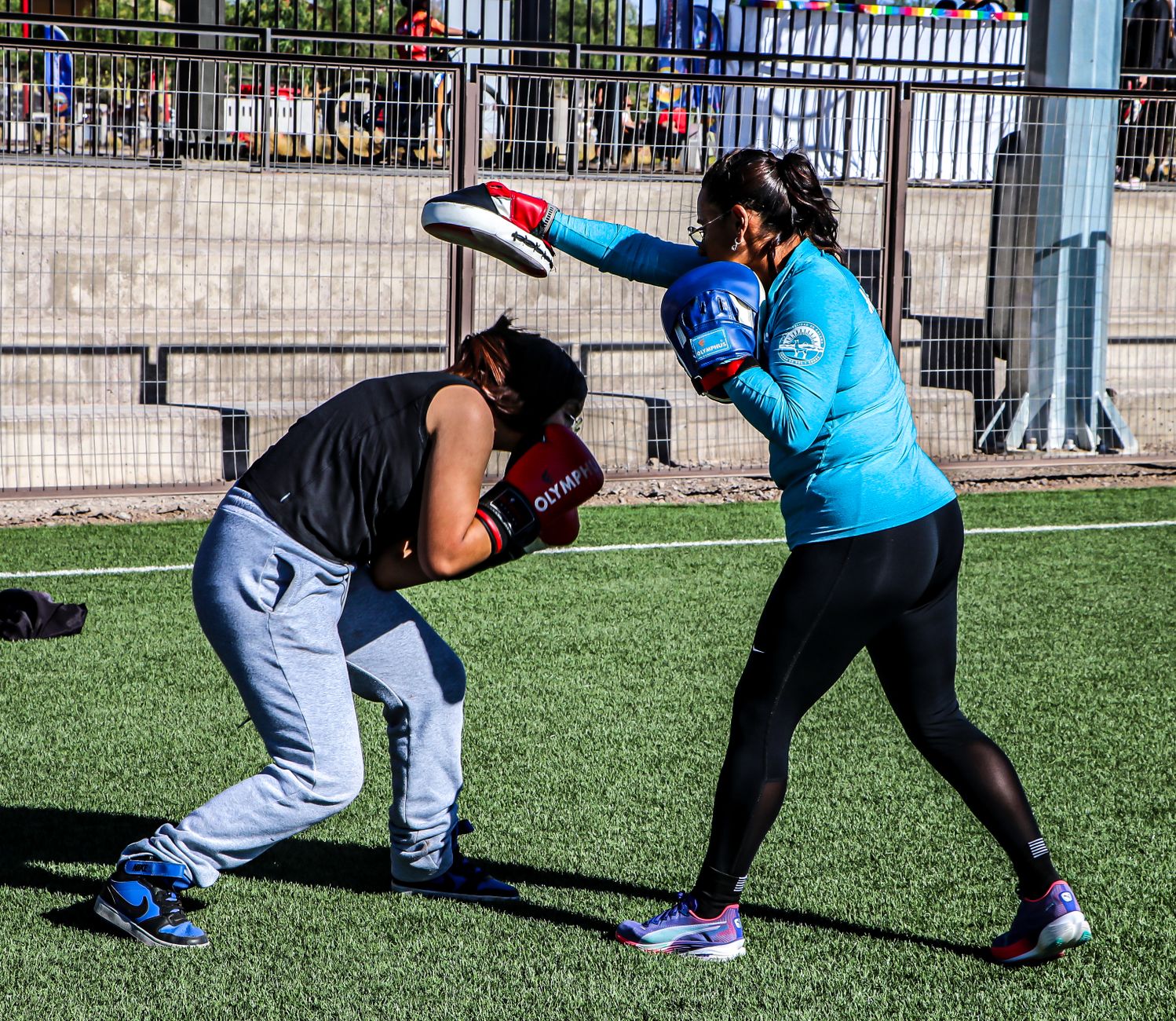
Outcome stories with numbers beat praise without context
The best fitness testimonials are not the most emotional. They are the most specific. Generic praise like great coach or highly recommend adds little value because it does not tell the prospect what changed, how long it took, or why the method worked. Aim for measurable changes in body composition, strength, consistency, pain-free movement, energy, or confidence.
Use a simple five-part structure: starting problem, client identity, time frame, objective win, and process detail. Example: a 42-year-old parent trained three times weekly for 12 weeks, increased deadlift from 185 to 255 lb, lost 4 cm off the waist, and succeeded because sessions were scheduled before school drop-off. That level of detail reduces doubt.
- Weak: "Amazing coach. Love the workouts."
- Strong: "In 10 weeks I attended 27 of 30 planned sessions, added 15 kg to my squat, and finally trained without low-back flare-ups because the plan started with pain-free regressions."
Similarity-based proof is the hidden conversion lever
Prospects do not just ask whether you get results. They ask whether you get results for people like them. Organize your testimonials by archetype: beginners, busy professionals, postpartum clients, masters athletes, youth athletes, fat-loss clients, or barbell-focused lifters. Similarity improves trust because the prospect can see a believable path from their starting point to a likely outcome.
Build a simple testimonial library with tags such as age range, goal, obstacle, training age, and timeline. Then match the right story to the right lead. A powerful proof stack might include one written review, one photo, one objective data point, and one short video. The same principle applies when showcasing your programming quality through education-based content like better training programs.
How to Collect Social Proof Without Feeling Salesy
Ask at the moment of visible progress
The best time to ask is not at random. It is when motivation and gratitude are highest. In behavior terms, this is when the client has just experienced a salient win and can easily recall what caused it. Good collection points are week 2 compliance wins, week 6 habit milestones, a new PR, pain reduction, clothing-fit changes, or the moment a client renews.
Use a repeatable schedule. Ask for a quick text testimonial after the first clear win, a video testimonial after 8 to 12 weeks, and a public review at renewal or program completion. Keep the ask simple: What was your challenge before? What changed? What part of the coaching helped most? Short prompts produce better answers than open-ended requests.
- Text testimonial ask: 2-3 questions, sent within 24 hours of a visible win
- Video ask: 45-90 seconds, landscape, natural light, one outcome plus one process detail
- Public review ask: send direct link, ask within 48 hours of renewal or celebration milestone
Use consent, context, and low-friction prompts
Ethical collection matters. Always ask for permission before sharing screenshots, body photos, or health-related details. Give clients options: first name only, initials, blurred face, or private internal use. When clients feel safe, response rates go up and proof quality improves.
Create a standard intake checkbox and a separate media release so consent is clear and revocable. Also, coach clients on specificity. A simple prompt such as mention one measurable result, one obstacle, and one thing that made adherence easier creates strong proof fast. If your service includes nutrition, those same prompts work well alongside stories from habit-based nutrition coaching clients.
Turn One Client Win into 10 Marketing Assets
Build an asset stack from every success story
One great result should never live as a single Instagram story and disappear. Turn each win into a reusable asset stack. Start with the long-form source: a 5-7 sentence written testimonial or 60-second video. Then extract shorter pieces for your landing page, consultation deck, email nurture, social posts, FAQ objections, and onboarding materials.
A single transformation can become: one website case study, three quote graphics, one reel, one email, one consultation slide, one objection-handling screenshot, and one renewal celebration post. This is how elite coaches create consistency without manufacturing new content daily. You are not creating more proof; you are repurposing proof intelligently.
Show the process, not just the finish line
Before-and-after photos get attention, but process proof closes sales. Prospects want to know what made the result possible: attendance rate, exercise modifications, nutrition adherence, sleep changes, step count, or pain-management strategy. Process proof makes outcomes look repeatable rather than lucky.
Include metrics such as session adherence percentage, weekly steps, protein target compliance, or performance lifts. Example: a client lost 6 kg in 14 weeks while averaging 8,500 steps, three lifts weekly, and 85 percent workout completion. That tells a prospect the standard required. For broader business strategy, pair those assets with the lead-nurture ideas in sales systems for coaches.
Build a Social Proof System into Personal Trainer Marketing
Map proof to each stage of the buyer journey
Strong personal trainer marketing uses different proof at different stages. Cold traffic needs broad credibility: review volume, recognizable client types, and clear transformations. Warm leads need relevance: a testimonial from someone with a similar goal or schedule. Sales calls need objection-specific proof: cost, time, fear of failure, pain history, or inconsistency.
Here is a simple funnel map. On your homepage, use 3-5 short testimonials plus one flagship case study. In DMs or email, send one testimonial matched to the prospect's goal. On consultations, use a proof deck with 5 slides: problem, process, data, client quote, and realistic timeline. If you need better sales conversations, study consultation scripts for personal trainers and plug proof directly into each objection.
Run a weekly proof workflow with KPIs
Do not leave social proof to memory. Build a weekly operating system. Every Friday, review wins and tag three clients who hit a milestone. Every Monday, request one testimonial. Every Wednesday, publish one proof asset. This rhythm is sustainable even for a solo coach.
Track four KPIs: ask rate, response rate, public review count, and consult-to-sale conversion. A solid starting benchmark is requesting proof from 3 clients per week, aiming for a 50 to 70 percent response rate, publishing 2 assets weekly, and reviewing whether pages with testimonials convert better than pages without them. If the numbers do not improve, your proof is probably too generic or poorly matched.
Mistakes That Kill Trust Fast
Generic praise, cherry-picked extremes, and fake certainty
The fastest way to weaken social proof is to use testimonials that sound too clean. Prospects are skeptical, and rightly so. If every story says best trainer ever with no context, it feels filtered. Likewise, only showing rare extremes, like 30 kg fat-loss transformations, can backfire if your typical client just wants consistency and strength.
Use a mix of outcomes: modest wins, early wins, adherence wins, and long-term wins. Show realistic timelines and note constraints. Saying a client trained twice weekly for 24 weeks is often more persuasive than showing a dramatic 6-week result. Specificity feels honest, and honesty converts.
Overediting, no context, and missing compliance data
A perfect before-and-after with no explanation invites doubt. Was the lighting manipulated? Was the timeline realistic? Did the client follow the plan? Add context beside every visual: training frequency, duration, nutrition approach, injury history if relevant, and whether the result is still maintained. Context turns image-based proof into decision-grade proof.
Also avoid hiding the required effort. Social proof should inspire, not mislead. If a result required four sessions per week, daily walks, and diet compliance, say so. Clear expectations improve client quality, reduce buyer's remorse, and attract people who actually fit your process. Trust compounds when your proof matches the real work.
FAQ: Social Proof for Coaches
How many testimonials do I need before they start helping?
You do not need 100. You need enough to show pattern recognition. For most coaches, 8 to 12 high-quality testimonials covering different client types is enough to strengthen a landing page and consultation deck. Prioritize variety over volume: one beginner, one busy parent, one athlete, one fat-loss case, one pain-management case, and one long-term retention story.
Once you have that base, add proof steadily. A good operating target is 2 new written testimonials per month, 1 new public review per week, and 1 new case study per quarter. Consistency matters more than chasing viral transformations.
Can new coaches use social proof if they do not have many client results yet?
Yes, but use proof honestly. Start with experience-adjacent credibility: education, mentorship, your own training logs, internship outcomes, sample programs, and detailed process content. You can also use beta-client feedback focused on professionalism, communication, and adherence support rather than dramatic body changes.
New coaches should emphasize process proof. Show how you assess, program, progress, communicate, and review. That makes your offer look structured even before you have a large result library. As your caseload grows, replace borrowed credibility with client-based proof.
Are before-and-after photos enough for fitness marketing?
No. They are useful attention tools, but weak trust tools when used alone. Photos lack context and can be manipulated, misunderstood, or compared unfairly. They also fail to answer why the result happened or whether it fits the prospect's life constraints.
Pair every photo with a caption containing time frame, training frequency, obstacle, and one measurable outcome. The best combo is photo plus quote plus data point. That three-part format consistently outperforms image-only posts because it adds both emotion and evidence.
How do I ask for reviews without making clients uncomfortable?
Ask after a win, keep it short, and make the request easy to decline. A simple script works well: You have been crushing it. Would you be open to sharing 2-3 sentences about what changed for you? No pressure at all. This protects the relationship while still creating a clear ask.
Remove friction by sending a direct review link, example prompts, and a 60-second deadline. Clients are far more likely to respond when the task is easy and specific. If they say no, respect it and ask again only after another meaningful milestone.
Conclusion
Social proof for coaches is not a cosmetic add-on. It is one of the highest-leverage trust tools in modern coaching. Done well, fitness testimonials make your service feel credible, your process feel repeatable, and your personal trainer marketing feel honest instead of pushy. The key is specificity: show who the client was, what changed, how long it took, and what part of your system produced the result.
Start this week: identify three client wins, request one testimonial within 24 hours, turn that story into at least three assets, and place proof at the exact point where prospects hesitate. If you want more evidence-based coaching systems that turn effort into real business and training gains, visit https://elitepts.com/articles for more Elite Catalyst content built for coaches who want results.