


Compelling Opening Hook
In a world overflowing with fitness gurus and trainers, standing out can be a daunting task. The key isn’t just in what you offer—it's in how you communicate it. Enter fitness storytelling, a powerful tool that transforms mundane marketing into captivating narratives, bringing your brand to life and converting followers into loyal clients.
Introduction to Fitness Storytelling

Fitness storytelling integrates your personal experiences, training successes, and client transformations into a cohesive narrative that resonates with your audience. In an age where social media dominates, cultivating a narrative helps you connect on a deeper level, bridging the gap between mere followers and devoted clients. This article will explore how effective storytelling can bolster your PT content strategy and boost your fitness business.
Why Fitness Storytelling Matters
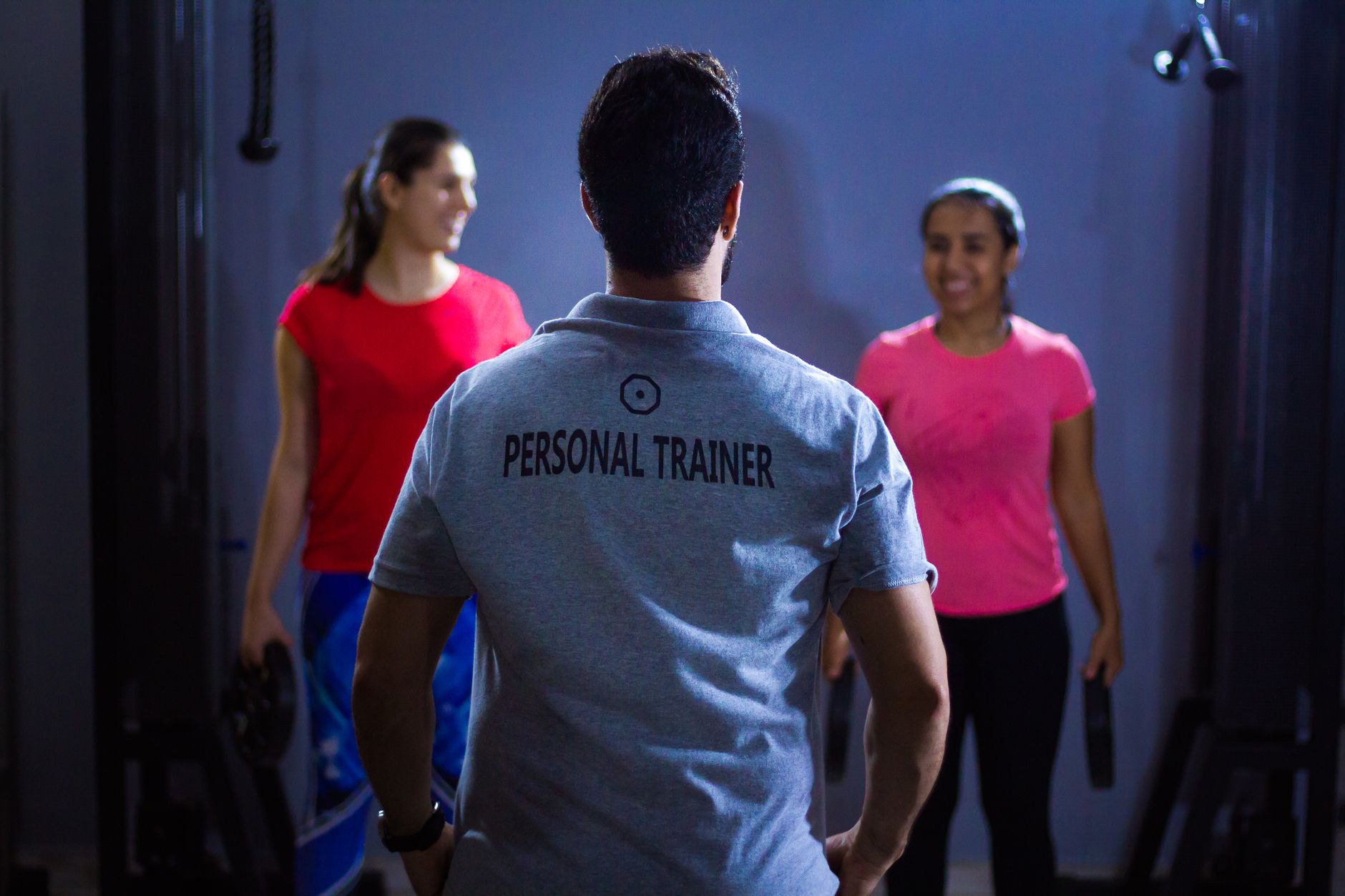
Establishing a Personal Connection
People don’t just buy products; they buy stories. Your journey as a personal trainer is relatable and authentic. By sharing your path—struggles, achievements, and daily routines—you make yourself approachable. Here’s why that connection is pivotal:
- **Relatability:** Followers identify with your journey.
- **Trust:** Authentic stories build trust over time.
- **Engagement:** Engaged followers are more likely to take action.
As social media users scroll through countless fitness profiles, a personal narrative can halt their scrolling and compel them to engage.
Creating Brand Identity
Your personal story forms the foundation of your brand identity. By effectively communicating your experiences and values, you set yourself apart. Elements to include:
- **Core Values:** What principles guide your training philosophy?
- **Unique Selling Proposition:** What makes your approach distinct?
- **Audience Alignment:** Who does your story resonate with the most?
Incorporating these elements into your fitness marketing story allows you to cultivate a brand that’s not just about fitness—it’s about connection.
Components of Effective Fitness Storytelling
Conflict and Resolution
Every compelling story includes a conflict. For trainers, this can relate to personal struggles or client challenges. Showcasing how you overcame these hurdles provides inspiration. Consider these steps:
- **Identify Challenges:** Share the obstacles you faced in your journey.
- **Explain Your Strategy:** Detail how you addressed these issues.
- **Highlight Transformation:** Showcase the positive outcomes and growth.
Sharing your journey magnifies your resilience and showcases your problem-solving skills, making your story more impactful.
Authenticity and Vulnerability
Audiences crave authenticity. Share moments of vulnerability to create an emotional connection. Highlight sections of your life that show your human side. For instance, discuss:
- **Failures:** Emphasize what didn’t work and what you learned.
- **Fears:** Talk about your fears and how you’ve navigated them.
- **Real-life Experiences:** Use real clients to relate success stories.
This authenticity invites potential clients to champion your brand, as they can see you are genuine and relatable.
Leveraging Social Media Platforms

Choosing the Right Platforms
Different platforms cater to varying demographics and content styles. Decide where to focus your storytelling efforts based on your target audience. Essential platforms include:
- **Instagram:** Excellent for visual narratives and short videos.
- **Facebook:** Effective for community building and longer posts.
- **YouTube:** Great for in-depth storytelling and tutorials.
Utilizing diverse platforms allows for varied narrative styles that can appeal to different segments of your audience.
Creating Engaging Content
Your storytelling content shouldn’t simply convey information; it should engage your audience. Here are tips to enhance engagement:
- **Visual Storytelling:** Use high-quality images or videos to complement your narratives.
- **Interactive Content:** Utilize polls or questions to involve your audience.
- **Stories Feature:** Take advantage of social media’s stories feature for behind-the-scenes content.
Engaging your audience through various formats fosters a sense of community and encourages interaction.
Structuring Your Fitness Stories
Creating a Narrative Framework
Structure is essential for effective storytelling. Employ the classic storytelling arc—beginning, middle, and end. Integral components include:
- **Hook:** Start with a captivating hook that piques interest.
- **Development:** Provide details that build up the narrative's conflict and emotions.
- **Resolution:** End with a resolution that integrates a client testimonial or your personal learning.
A well-structured narrative keeps your audience invested and eager for more.
Incorporating Client Testimonials
Client success stories enhance your narratives by adding credibility. Use these elements when sharing testimonials:
- **Before/After Photos:** Visual proof of transformations can be compelling.
- **Direct Quotes:** Authentic quotes from clients lend credibility and relatability.
- **Narratives:** Frame testimonials within your broader storytelling context.
By integrating testimonials, real experiences supplement your storytelling without appearing forced or disingenuous.
Turning Followers into Clients with Storytelling
Clear Calls to Action (CTAs)
Converting followers into clients requires clear CTAs. Throughout your storytelling, direct your audience towards a specific action. Effective CTAs may include:
- **Contact Information:** Provide easy access to message or call you.
- **Service Links:** Direct them to service offerings.
- **Promotions:** Highlight any upcoming promotional offers or programs.
Your CTAs should flow naturally with your narrative rather than appearing as a sales pitch.
Building Trust Through Consistency
Consistency in sharing your stories fosters trust. Consider the following to maintain consistency:
- **Content Calendar:** Map out storytelling posts in advance for systematic sharing.
- **Brand Voice:** Develop and maintain a recognizable tone and style.
- **Engagement Schedules:** Actively engage with followers to nurture your community.
Being consistent in your storytelling lends credibility and fosters a loyal audience that sees you as a trusted resource.
Measuring the Impact of Your Storytelling
Tracking Engagement Metrics
To understand the effectiveness of your storytelling, track engagement metrics across platforms. Key metrics include:
- **Likes and Shares:** Indicates popularity and resonance.
- **Comments and Interactions:** Direct feedback on engagement and relatability.
- **Follower Growth:** Measure how storytelling impacts your follower count.
Use these metrics to refine your storytelling strategies and enhance future content.
Adapting Based on Feedback
Audience feedback is invaluable. Use insights gained to tailor your storytelling approach. Steps to adapt:
- **Listen Actively:** Monitor audience interactions to gather insights.
- **Experiment:** Don’t hesitate to try new narrative styles or platforms.
- **Refine:** Adjust your content based on the performance of different stories.
Feedback loop fosters an engaging community and continuously nurtures client relationships.
FAQs on Fitness Storytelling
What elements make an effective fitness story?
Key elements include relatability, conflict resolution, authenticity, and a clear structure with testimonials.
How often should I share my fitness stories?
Regularly share stories—consider weekly or biweekly posts to maintain engagement and freshness.
Can storytelling really impact my client conversions?
Absolutely. Storytelling builds emotional connections and trust, leading to higher conversion rates.
What platforms are best for fitness storytelling?
Instagram, Facebook, and YouTube rank highly for storytelling due to their visual and interactive capabilities.
Conclusion
Fitness storytelling is not just a strategy; it's an art form that can significantly enhance your personal training business. By sharing authentic narratives, embracing your journey, and engaging your audience, you have the power to convert followers into loyal clients. Start crafting your unique fitness marketing story today, and for further assistance, visit Elite PTS to connect with dedicated professionals ready to guide you.