

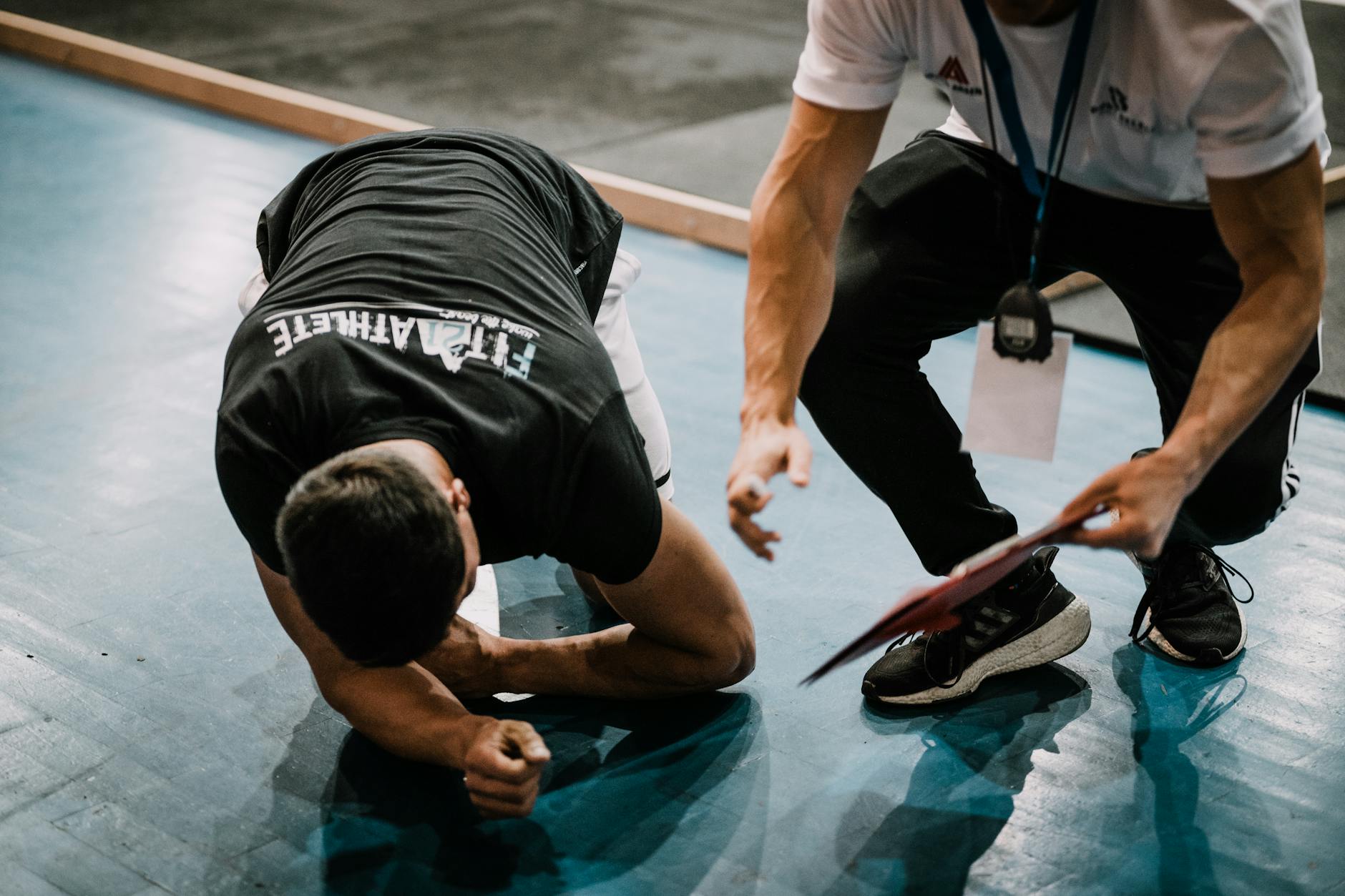
Using Motivational Interviewing for Fitness Success
Most clients do not fail because they lack information. They fail because they feel torn, overloaded, or unconvinced they can actually follow through. Motivational interviewing fitness strategies help coaches close that gap by turning resistance into ownership and vague goals into behaviors that stick.
In coaching, better programs matter. But better conversations often matter more. A client can have the perfect training split, protein target, and recovery plan on paper, then still miss sessions because work exploded, confidence dropped, or the plan never felt like their plan. That is where motivational interviewing fitness becomes a practical edge. Instead of pushing harder with advice, you use evidence-based coaching communication skills to resolve ambivalence, build self-efficacy, and guide client behavior change. For coaches at ElitePTS, that means turning science into adherence. If you also want a stronger foundation for planning outcomes, pair this approach with goal setting for fitness results so motivation and structure work together.
What motivational interviewing fitness actually is
The goal is to resolve ambivalence, not win an argument
Motivational interviewing, developed by William Miller and Stephen Rollnick, is a collaborative style of communication designed to strengthen a person’s own motivation and commitment to change. In fitness, that means you are not trying to out-talk a client’s excuses. You are helping them hear themselves say why the change matters and how they can realistically do it.
Ambivalence is normal in training and nutrition. A client can want fat loss and still value convenience foods. They can want strength gains and still fear crowded gyms. When coaches push advice too early, the client often argues the other side. MI reduces that push-pull by using curiosity, reflective listening, and guided choice.
“Motivational interviewing is a collaborative, goal-oriented style of communication with particular attention to the language of change.” — Miller & Rollnick
Why it works for client behavior change
MI fits well with self-determination theory: people adhere better when they feel autonomy, competence, and relatedness. When clients choose the plan, believe they can execute it, and feel understood by the coach, adherence rises. That matters more than chasing a perfect program that never gets done.
Reviews across health, exercise, and weight-management settings consistently show MI produces meaningful gains over advice-only counseling, especially for adherence-related outcomes. In practical coaching terms, that means more sessions completed, fewer all-or-nothing lapses, and better follow-through on boring but powerful basics like sleep, steps, and protein intake.
Research snapshot: In behavior-change coaching, small improvements in adherence compound faster than big improvements in program design. The best plan is the one a client can repeat for weeks, not days.
The coaching communication skills that make MI effective
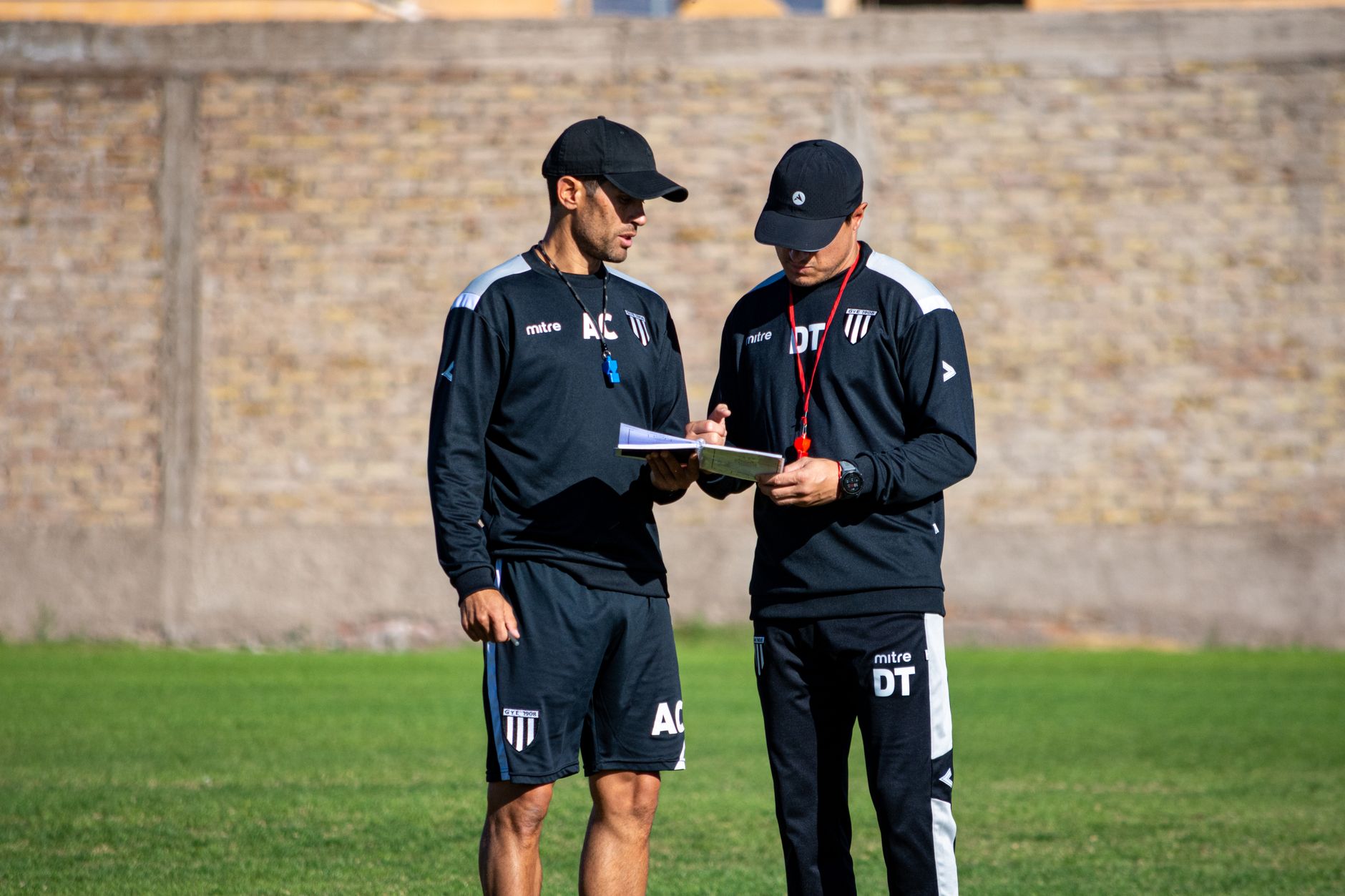
Use OARS in every consult
The fastest way to improve coaching communication skills is to master OARS: Open questions, Affirmations, Reflections, and Summaries. These are not soft skills. They are performance tools that help clients organize motivation, identify barriers, and commit to actions they can actually execute.
Use open questions to expand, affirmations to reinforce strengths, reflections to show understanding, and summaries to move toward action. Here are simple examples a coach can use today:
- Open question: “What has made training hardest in the last 2 weeks?”
- Affirmation: “You kept walking even when lifting fell off. That shows you do not quit.”
- Reflection: “You want fat loss, but the current meal prep routine feels impossible on workdays.”
- Summary: “So the goal is 3 sessions, but for this week 2 is more realistic and still moves you forward.”
Most coaches overuse questions and underuse reflections. A useful rule is 1 question, then 1 to 2 reflections before asking the next question. That slows the urge to fix and helps clients explore their own reasons for change.
Listen for change talk, then amplify it
Change talk is the client arguing for improvement. Listen for desire, ability, reasons, need, and commitment. If a client says, “I feel better when I train in the morning,” that is gold. Do not rush past it. Reflect it back: “Morning sessions seem to give you more energy and fewer excuses.”
Once change talk shows up, amplify it with follow-ups like, “Why does that matter to you?” or “What would be the biggest win if you did that consistently for 4 weeks?” You are not manipulating the client. You are helping them strengthen the very thoughts most likely to drive adherence.
A 10-minute motivational interviewing fitness framework
Minutes 1-3: set the agenda and ask permission
Start brief consults with one target behavior, not a full lifestyle overhaul. Ask, “Would it be okay if we spent 10 minutes on your missed workouts and what might work better this week?” Asking permission lowers defensiveness and keeps the conversation focused.
Then define the problem behaviorally. Not “motivation is low,” but “you completed 1 of 3 planned sessions.” Specific behaviors are coachable. Vague emotions are only useful once tied to a concrete action.
Minutes 4-7: use readiness and confidence rulers
Ask two 0-10 questions: “How important is this change?” and “How confident are you that you can do it this week?” If importance is 8 but confidence is 4, the bottleneck is not desire. It is plan design, environment, or recovery capacity.
The key follow-up is not “Why so low?” Ask, “Why a 4 and not a 1?” That elicits strengths. Then ask, “What would move it from 4 to 6?” That reveals the next practical lever: shorter sessions, earlier bedtime, training partner, or fewer weekly targets.
Minutes 8-10: commit to a minimum viable plan
End every MI conversation with a plan small enough to survive a stressful week. For most busy adults, that means choosing one training floor and one nutrition floor for the next 7 days. Example: 2 full-body sessions, 25-35 minutes each, plus 30-40 g protein at breakfast.
Use implementation intentions: “If it is 6:30 a.m. on Tuesday and Thursday, then I start my first set within 10 minutes of waking.” Have the client say the plan aloud, rate confidence again, and revise until confidence reaches at least 7/10. Below that, the plan is probably too ambitious.
Using MI for training and nutrition adherence
When workouts are inconsistent
If a client misses sessions, resist the reflex to immediately prescribe discipline. First ask what made consistency hard. Time? Fatigue? Gym anxiety? Schedule chaos? Then reflect the barrier and offer options. This is where MI and programming meet.
A practical adherence-first template is 2 full-body sessions per week, each with 4-6 movements, 2-4 sets, and 6-12 reps at roughly RPE 7-8. Let the client choose between Monday/Thursday or Tuesday/Saturday. If they need more structure around attendance, see building training adherence and how to progress strength training for ways to make consistency measurable.
When nutrition compliance keeps breaking down
Nutrition struggles usually reflect friction, not ignorance. Instead of saying, “You just need more protein,” ask, “What makes your evenings hardest?” or “Which meal would be easiest to improve first?” This keeps the focus on workable change, not guilt.
For many clients, the best first move is one anchor habit: 1.6-2.2 g/kg/day protein as the long-term target, but just 30-40 g at the first meal this week. Another strong option is 3 meals built around protein, produce, and fluids before calorie tracking. For applied tactics, pair MI with nutrition coaching for busy clients so the behavior matches the person’s real schedule.
When motivation drops after life stress
Stress, travel, injury, and poor sleep can crush training momentum. MI helps coaches normalize the dip without normalizing quitting. Reflect the reality: “You are not less committed; your bandwidth is lower.” That distinction protects identity and reduces shame.
Then shrink the dose instead of scrapping the habit. Use a recovery-week floor such as 20-minute sessions, 6,000-8,000 steps/day, and a fixed bedtime window. If recovery is the true bottleneck, direct clients toward broader habits like sleep recovery for athletes so the next training block has a real foundation.
Language swaps that improve coaching communication skills
Replace expert-driven talk with autonomy-supportive wording
Small language changes create big shifts in buy-in. Compare “You need to train 4 days” with “Given your schedule, what training frequency feels realistic enough to nail for 4 straight weeks?” The second version preserves coach leadership while respecting autonomy.
Useful swaps include:
- Instead of: “You should” Use: “Would you be open to trying”
- Instead of: “Here’s what you need to do” Use: “Here are 2 options; which fits better?”
- Instead of: “That excuse won’t work” Use: “What would make this doable on your hardest day?”
This does not make coaching passive. It makes it precise. Your job is still to guide the standards, but client ownership is what turns standards into compliance.
Pair MI with objective tracking
MI is not just empathetic conversation. It works best when paired with scoreboards. Track sessions completed, daily steps, protein servings, bedtime consistency, or weekly bodyweight averages. Review one to three metrics weekly, not twelve.
A strong coaching rule is to avoid changing the program until adherence drops below roughly 80% for the week or two weeks in a row. Often the issue is not exercise selection but behavior execution. This same principle shows up in broader habit work like habit-based fat loss, where repeated fundamentals outperform aggressive short-term plans.
Common mistakes with motivational interviewing fitness
The fixing reflex
The fixing reflex is the urge to solve the problem before the client fully explains it. It usually sounds smart and lands poorly. The coach hears “I skipped training because work was brutal,” and replies with a full lecture on priorities, discipline, and meal prep.
A better sequence is ask-offer-ask: ask what they have tried, offer information with permission, then ask what fits. Example: “Would it be helpful if I shared two ways other clients keep training alive during high-stress weeks?” This preserves autonomy while still delivering expertise.
Too much empathy, not enough specificity
Some coaches validate beautifully but never land the plane. The client leaves feeling heard, yet with no clear next action. MI is not just understanding. It is understanding that moves toward commitment.
Always finish with a behavior, a schedule, and a barrier plan. “Two sessions, Tuesday and Friday, 30 minutes each. If meetings run late, you switch to the home dumbbell version.” That is real client behavior change: specific, measurable, and prepared for friction.
FAQ: motivational interviewing fitness for coaches
How long should an MI conversation last?
It does not need to be a 60-minute counseling session. In fitness coaching, 5 to 15 minutes is often enough to clarify the barrier, elicit change talk, and agree on the next action.
Use MI most heavily during onboarding, plateaus, missed-check-in weeks, and relapse periods. During high-adherence phases, lighter touch-ins are usually sufficient.
Can MI work with athletes who already know what to do?
Yes. Knowledge rarely guarantees execution. Even advanced athletes deal with burnout, competing priorities, fear of failure, and identity-based resistance after injury or underperformance.
With knowledgeable athletes, MI is less about education and more about aligning training with current readiness, recovery, and life constraints so compliance stays high.
Is MI too soft for high-performance coaching?
No. MI is not the absence of standards. It is a better route to standards. High performers still need ownership, confidence, and clarity, especially when the work is demanding.
The toughest coaches often get the best results when they combine accountability with reflective listening. You can be demanding without being combative.
What should I track to know if MI is working?
Track behaviors first: attendance rate, weekly training volume completed, step count, nutrition targets hit, sleep consistency, and check-in completion. Motivation matters, but adherence is the scoreboard.
If the client is doing more of the right behaviors with less friction and fewer all-or-nothing lapses, your motivational interviewing fitness process is working.
Using motivational interviewing fitness strategies does not replace great programming. It makes great programming usable. When coaches improve coaching communication skills, they stop fighting resistance and start guiding ownership. That is the difference between a client who understands the plan and a client who actually follows it. Use MI to identify ambivalence, build confidence, and commit to minimum viable actions that survive real life. Over time, those small wins create durable client behavior change, better adherence, and better results.
If you want more evidence-based tools that turn coaching conversations into measurable progress, explore the full library at ElitePTS. Elite coaching is not just what you prescribe. It is what your clients can repeat consistently enough to produce real gains.