


Introduction
In the expansive world of fitness, the distinction between average trainers and elite personal coaches is vast. As fitness enthusiasts and athletes strive to enhance their performance, understanding the qualities that make a great personal trainer is essential for success. This article delves into the defining attributes of the elite personal trainer, offering insights and actionable advice that can elevate your training experience.
The Mindset of Elite Coaches

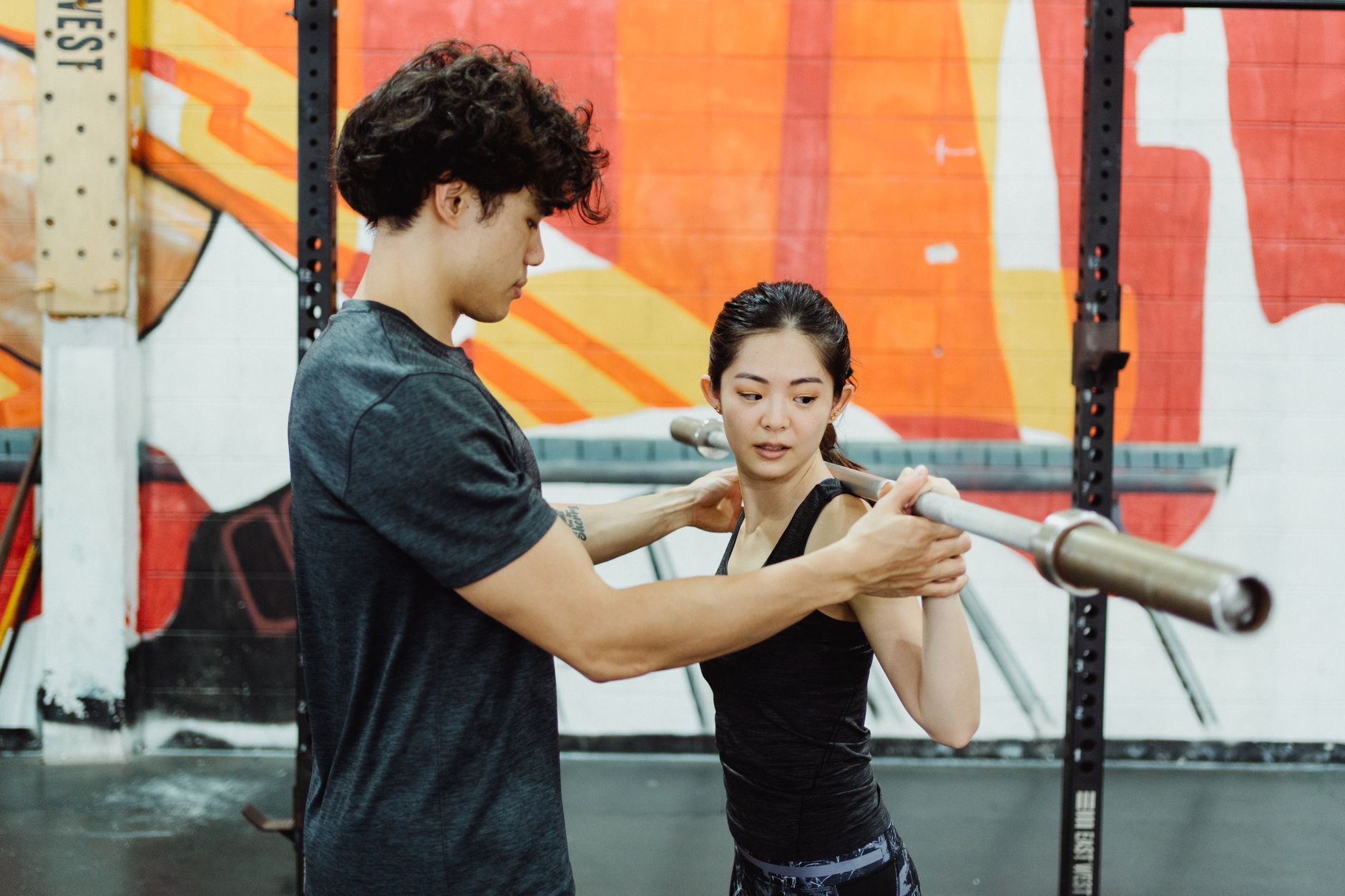
One of the primary differences between average trainers and elite coaches is their mindset. Elite coaches possess a growth mindset, embrace challenges, and believe in continuous improvement.
Defining a Growth Mindset
A growth mindset involves the belief that skills and intelligence can be developed through dedication and hard work. This mindset encourages elite personal trainers to:
- Seek out education and certification opportunities
- Adapt their coaching styles to better serve clients
- Welcome feedback and use it for improvement
Setting High Standards
Elite coaches set high standards for themselves and their clients. This includes establishing clear goals, maintaining professionalism, and demonstrating commitment to their craft. They inspire their clients to reach new heights through personalized training programs and accountability.
Knowledge and Expertise
The foundation of any great trainer is their knowledge of exercise science, nutrition, and human anatomy. Elite personal trainers invest time into continuously expanding their knowledge base.
Certifications and Continuing Education
While basic certifications may qualify someone as a personal trainer, elite trainers go beyond the minimum requirements. They seek advanced specialties in:
- Nutrition science
- Exercise physiology
- Strength and conditioning
- Behavioral psychology
Understanding Individual Needs
A great trainer understands that every client is unique. They tailor their approach based on:
- Client’s fitness level and goals
- Medical history and physical limitations
- Personal preferences and motivators
Building Strong Relationships
Elite coaches excel at building rapport and trust with their clients. Strong interpersonal skills set them apart from average trainers.
Effective Communication
Effective communication is key in personal training. Elite trainers actively listen and provide clear instructions. They use:
- Encouraging language to motivate clients
- Constructive feedback to aid client comprehension
- Empathy to understand client concerns
Creating a Safe and Supportive Environment
Creating a nurturing space can enhance client performance. Elite personal trainers focus on:
- Ensuring a welcoming atmosphere in trainings
- Establishing trust and respect
- Encouraging clients to voice their challenges
Implementing Effective Training Techniques
Another hallmark of elite personal trainers is their ability to implement effective and innovative training techniques. They stay up-to-date with current research and methodologies.
Utilizing Evidence-Based Practices
Elite trainers rely on research-backed methods tailored to individual client needs. They apply:
- Progressive overload principles
- Periodization for optimal results
- Diverse modalities to keep training exciting
Incorporating Technology
In today’s tech-savvy world, elite personal trainers utilize technology to track progress and enhance workouts. They often use:
- Fitness apps to monitor client metrics
- Wearable devices for real-time data
Accountability and Support
Accountability is crucial in fitness success. Elite coaches understand its significance and establish mechanisms to keep clients on track.
Regular Check-Ins
Elite personal trainers prioritize regular communication with clients to assess progress and address challenges.
- Weekly evaluations of performance and goals
- Adjustments to programs based on results
Motivation Techniques
Staying motivated is critical for clients. Elite trainers implement various techniques like:
- Goal-setting that is specific and measurable
- Positive reinforcement to celebrate achievements
Conclusion
In summary, the difference between average trainers and elite personal coaches goes beyond just knowledge and skills; it includes mindset, continuous education, relationship building, and accountability. By understanding these differentiators, you can make an informed decision when seeking the best fitness coaches. If you're ready to elevate your fitness journey, consider reaching out to ElitePTS, where excellence in personal training is the standard.
FAQs
1. What qualifications should I look for in a personal trainer?
Look for trainers with accredited certifications, experience, and a proven track record in achieving client results.
2. How can I measure a trainer's effectiveness?
Evaluate their progress tracking methods, client feedback, and the adaptability of their training programs.
3. Are elite trainers worth the investment?
Investing in an elite trainer can lead to more effective training sessions, better results, and a supportive experience that often pays off in the long run.
4. How often should I meet with my personal trainer?
It depends on your goals and budget; typically, 1-3 times per week can be beneficial for consistent progress.