




The Mental Game: Building a Champion Athlete Mindset
Talent gets noticed. Mindset decides who keeps improving when training gets brutal, progress stalls, and pressure rises. The athletes who separate themselves are rarely the ones who feel motivated every day—they are the ones who think, respond, and recover like professionals.
A true athlete mindset is not hype, bravado, or blind positivity. It is a trainable system of attention control, emotional regulation, confidence, and disciplined action. In modern sports psychology, elite performance is built by combining physical preparation with cognitive skills that protect execution under stress. If you want more mental toughness, stronger motivation, and better training consistency, you need mental habits that are as structured as your lifting, conditioning, and recovery.
This matters because performance is never just mechanical. Your thoughts change muscle tension, pacing, decision-making, and recovery behavior. Athletes who can reset after mistakes, stay process-focused, and execute under fatigue create a performance edge that compounds over months and years. For a full performance system, pair mindset work with smart recovery strategies like recovery for athletes and sport-specific physical preparation from explosive power training.
1. The Athlete Mindset Starts With Identity, Not Emotion
Build standards before you chase feelings
Many athletes wait to feel confident before they train hard. High performers do the reverse: they build standards, then let confidence emerge from repeated evidence. In practice, that means defining who you are when conditions are imperfect. Are you the athlete who finishes quality reps when tired? The one who logs sleep, nutrition, and effort honestly? Identity-based standards reduce emotional volatility because you no longer ask, Do I feel ready? You ask, What does my standard require today?
This idea aligns with self-determination theory and habit research: consistent behavior is more durable when tied to identity and values rather than short-term emotion. A sprinter who sees herself as a technician approaches every warm-up, drill, and acceleration with purpose. A fighter who sees himself as composed under fire trains breathing, decision-making, and pacing in every round. Identity creates behavioral consistency, and consistency builds performance confidence.
Use a growth lens without lowering the bar
A growth mindset is often misunderstood as simple optimism. In reality, it means treating skill, composure, and confidence as trainable capacities. That matters in serious training because setbacks are inevitable. Missed lifts, slow race segments, lineup changes, and plateaus are not proof that you lack talent; they are feedback about what the current system is missing.
The key is pairing growth thinking with ruthless accountability. Review performance without self-pity and without denial. Instead of saying, I choked, say, My routine broke down under pressure, so I need a more reliable cue and reset. That language preserves ownership while directing attention toward solutions. If your physical plan also needs better structure, improving your weekly workload with zone 2 conditioning for athletes can support both resilience and repeatable focus.
Sports psychology takeaway: Confidence is not a personality trait. It is evidence your brain collects from repeated execution, honest reflection, and successful recovery from adversity.
2. Mental Toughness Is Emotional Control Under Pressure
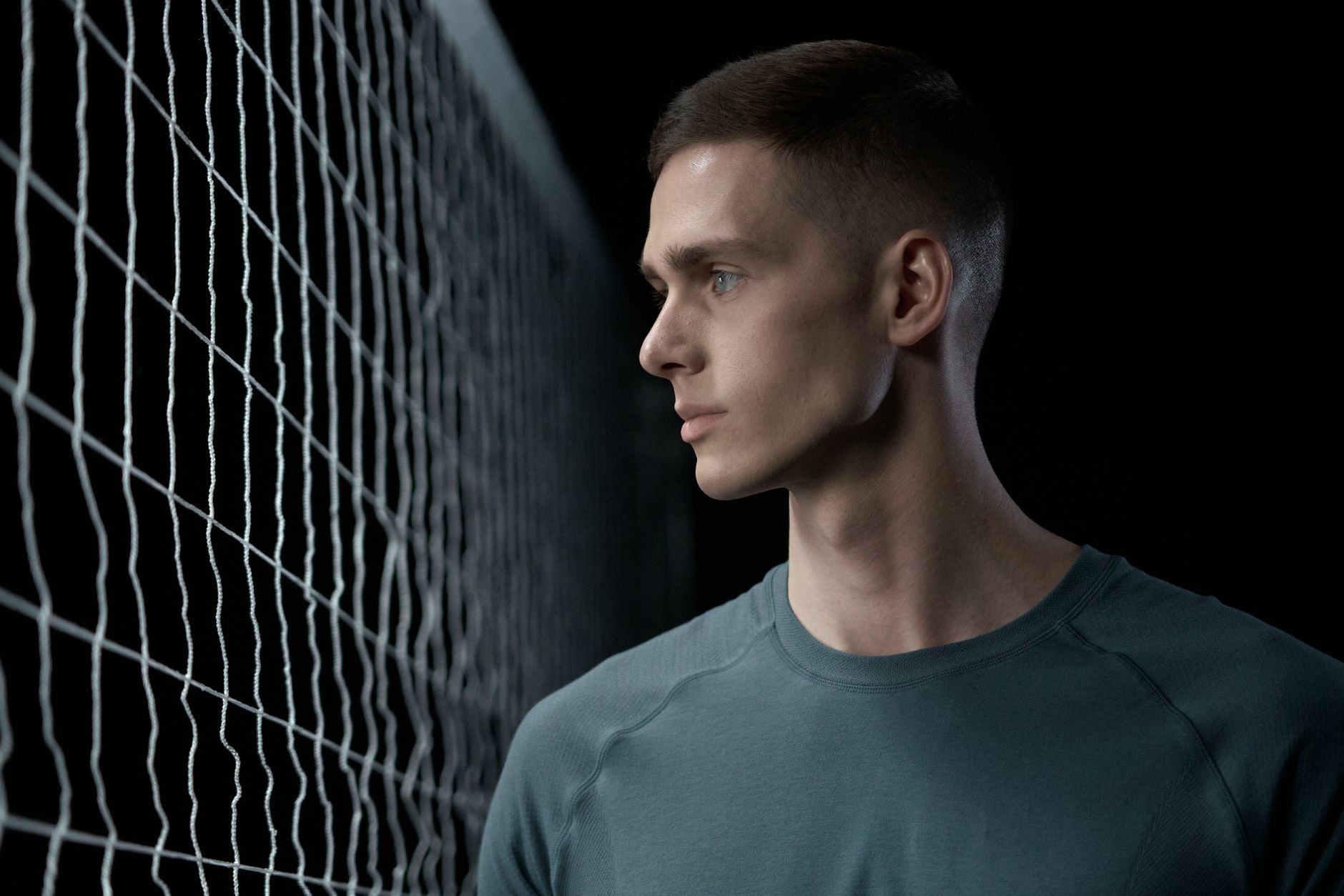

Mental toughness is staying effective, not acting fearless
Mental toughness is often framed as aggression, stoicism, or refusing to feel discomfort. Science and real competition show something more useful: mentally tough athletes experience pressure, doubt, and fatigue, but they still execute the next task effectively. They do not need to eliminate nerves; they need to keep nerves from hijacking attention and decision-making.
Think about a basketball player at the foul line after missing two shots, or a weightlifter approaching an opener after a long delay. The toughest competitors narrow their focus to controllables: breath, stance, cue, rhythm, first movement. This reflects attentional control research, which shows performance drops when athletes shift from task-relevant cues to internal panic or outcome obsession. Toughness is the skill of returning attention where it belongs.
Train pressure in practice, not only in competition
If every training session is comfortable and predictable, competition stress will feel foreign. The solution is to dose pressure into practice. Use timed sets, consequence-based drills, scored finishers, public accountability, or fatigue-plus-skill combinations. A soccer player might take penalty kicks after repeated sprints. A power athlete might hit technical singles on the clock. A combat athlete might practice tactical decisions after hard intervals.
Pressure training should be deliberate, not chaotic. Pick one stressor, define success, and debrief immediately after. Ask: What changed in my breathing? Where did my attention drift? Which cue restored execution fastest? Over time, athletes learn that pressure is not a threat signal but a familiar performance context. That is how mental toughness becomes practical rather than motivational theater.
3. Motivation for Athletes Works Best When It Is Designed
Stop relying on hype and build sustainable motivation
Motivation fluctuates because biology, stress, sleep, and life load all fluctuate. Elite athletes accept this and design systems that reduce dependence on mood. Intrinsic motivation matters, but it is strengthened by structure: clear goals, visible progress, meaningful autonomy, and training that feels connected to a larger purpose.
Research in behavioral science consistently shows that motivation improves when athletes feel competent, autonomous, and connected. That means your program should include measurable wins, some ownership over execution, and a supportive culture. A distance runner who tracks split consistency, recovery markers, and weekly intent has more motivational fuel than one who simply tries to "push harder." Purpose plus measurement creates sustainable drive.
Use process goals to protect performance consistency
Outcome goals matter, but they are delayed and partially outside your control. Process goals keep motivation alive because they reward the behaviors that create results. For example, instead of focusing only on making an all-conference team, focus on completing four quality lifting sessions, hitting protein targets, and executing a nightly wind-down routine for eight weeks.
A simple weekly protocol works well:
- One outcome goal: the result you want this season.
- Three process goals: daily or weekly actions you fully control.
- One review question: what behavior produced my best sessions?
- One adjustment: what friction can I remove next week?
When motivation dips, process goals keep the engine running. And if nutrition adherence is a recurring weak point, tightening your fueling habits with pre-workout nutrition for performance often improves both energy and training buy-in.
Evidence note: Reviews in sport and exercise psychology consistently find that goal-setting, especially specific and process-oriented goals, improves effort, persistence, and self-regulation.
4. Sports Psychology Tools That Improve Execution
Self-talk should be short, specific, and rehearsed
Self-talk is one of the most researched skills in sports psychology, yet most athletes use it poorly. Random phrases like "let's go" may increase intensity, but they rarely improve precision. Effective self-talk is brief, cue-based, and linked to the task. A thrower might use "tall-fast-finish." A sprinter might use "push and relax." A lifter might use "brace, drive, finish."
The best self-talk scripts are practiced in low-stakes settings first. Use one cue for preparation, one for execution, and one for reset. This reduces cognitive overload and gives your brain a repeatable path back to task focus. Meta-analytic research has shown that instructional and motivational self-talk can improve both motor performance and confidence, especially when the cue matches the skill demand.
Imagery and routines help the body trust the plan
Visualization works when it is vivid, controlled, and paired with real action. Before a key set or competitive effort, mentally rehearse the environment, rhythm, and successful execution. Include pace, tension, breathing, and what you will do if something feels off. This is not daydreaming; it is neural preparation. Skilled imagery improves confidence and can sharpen movement quality by reinforcing the intended motor pattern.
Pair imagery with a pre-performance routine. A strong routine might include one breath pattern, one physical reset, one focal point, and one execution cue. For example: two slow exhales, shake out the shoulders, eyes on the target, then "smooth and violent." The body begins to associate the routine with readiness. That lowers uncertainty and helps execution stay stable when stakes rise.
For broader coaching frameworks and athlete development resources, explore ElitePTS coaching education, then apply those principles within your performance plan at Peak by ElitePTS.
5. Recovery, Reflection, and Resilience Complete the Mental Game
Fatigue changes your psychology more than you think
Athletes often interpret irritability, low confidence, and poor focus as a motivation problem when the real issue is accumulated fatigue. Sleep loss, under-fueling, excessive volume, and emotional stress reduce cognitive control and amplify threat perception. In simple terms, everything feels harder, more personal, and more permanent when recovery is poor.
This is why champion-level mindset work must include recovery behavior. If you want stable confidence and better emotional control, treat sleep, nutrition, and stress management as performance psychology tools. A tired brain is more negative, more impulsive, and less coachable. A recovered brain learns faster, regulates better, and returns to task more quickly after mistakes.
Use reflection to turn setbacks into usable data
Resilient athletes do not merely "move on" from bad sessions. They extract information. A simple post-training reflection can take three minutes: What was the goal? What did I execute well? Where did my focus break? What is one action for tomorrow? This prevents emotional storytelling from replacing objective evaluation.
Real-world example: a baseball hitter in a slump may feel that confidence has disappeared. But after reviewing video, sleep logs, and at-bat notes, the issue may be late pitch recognition due to fatigue and overthinking counts. Once the athlete adds recovery emphasis, simplifies the approach, and rehearses one cue, performance often rebounds quickly. Resilience is not denial. It is the ability to adapt with evidence.
6. FAQ: Building an Athlete Mindset in Real Training
Can mental toughness be trained, or are some athletes just born with it?
It can absolutely be trained. Genetics and temperament may influence how athletes experience stress, but the core skills behind mental toughness—attention control, emotional regulation, self-talk, breathing, and recovery habits—respond to practice just like strength and conditioning do.
The key is specificity. Do not try to become "mentally tougher" in the abstract. Train pressure exposures, post-error resets, fatigue management, and process-focused routines inside normal practice. Repetition under realistic conditions is what makes toughness transferable.
How long does it take to build a stronger athlete mindset?
You can feel early benefits in one to two weeks if you apply a few tools consistently, especially breath control, self-talk, and a pre-performance routine. But a durable athlete mindset is built over months of evidence, not a single breakthrough session.
Think of it as stacking proof. Every time you execute your routine under fatigue, finish a hard session with discipline, or recover intelligently after a bad day, your brain updates its expectation of who you are. That is how confidence becomes stable rather than fragile.
What is the best sports psychology tool for competition anxiety?
For most athletes, the best starting point is a short reset sequence: one physiological sigh or long exhale, one body cue to release tension, and one task-focused word or phrase. Anxiety becomes damaging when it widens attention and speeds up behavior. A reset sequence narrows attention again.
Combine that with a clear routine before key moments. Competition anxiety is rarely solved by trying to calm down completely. It is managed by giving the body and mind a familiar script that leads back to execution.
How do I stay motivated when progress stalls?
First, audit the basics: sleep, fuel, workload, and whether your goals are actually measurable. Stalled progress often feels like a motivation problem when it is really a recovery or programming problem. Restoring momentum starts with finding the bottleneck honestly.
Then shift attention from outcome frustration to process wins. Track attendance, effort quality, technique scores, and recovery compliance for two weeks. Visible evidence of disciplined behavior helps rebuild motivation even before major performance numbers improve.
Conclusion: Train Your Athlete Mindset Like a Physical Skill
The best athletes are not mentally strong because they never struggle. They are strong because they have systems for focus, composure, and recovery when struggle shows up. That is the real intersection of athlete mindset, mental toughness, sports psychology, and lasting motivation: standards over moods, process over panic, and reflection over ego.
If you want to build a champion mindset in training, start small and train it daily. Create a pre-performance routine, define your self-talk cues, track process goals, and protect recovery with the same seriousness you give your sets and reps. Then keep stacking evidence. For more elite, science-backed strategies on training, nutrition, and performance, visit https://peak.elitepts.com and integrate your mental game with a complete performance system.