


Understanding Movement Dysfunctions
Movement dysfunctions refer to the inability to perform movements effectively, often resulting in compensatory patterns that lead to injuries and reduced performance. According to a study by the National Academy of Sports Medicine (NASM), nearly 80% of active individuals may suffer from some form of movement dysfunction at some point in their lives. This highlights the critical role of corrective exercise in maintaining a healthy, functioning body.
What Causes Movement Dysfunctions?
Movement dysfunctions can arise from various factors, including:
- Poor posture: Poor alignment can lead to muscle imbalances.
- Repetitive strain: Overuse injuries from sports or daily activities.
- Anatomical constraints: Structural abnormalities affecting movement.
- Inadequate strength or flexibility: Lack of physical fitness can lead to compensatory movements.
Identifying Movement Dysfunctions

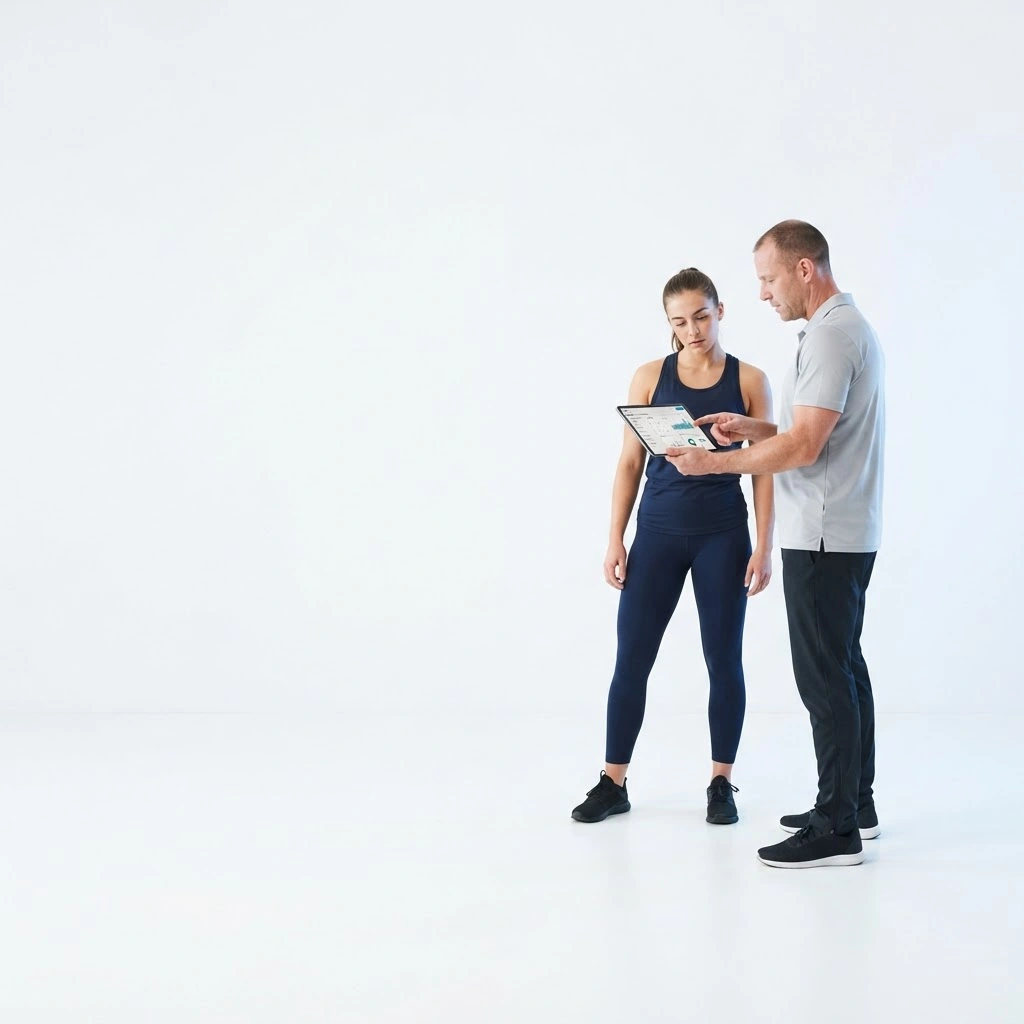
The first step in corrective exercise is understanding how to perform a proper movement assessment. This includes evaluating a client's movement patterns and identifying any dysfunctions that may inhibit performance.
Common Assessment Techniques
Some effective movement assessment techniques include:
- Functional Movement Screen (FMS): A series of tests designed to identify movement limitations and asymmetries.
- Postural assessments: Observing standing and dynamic posture to spot misalignments.
- Joint mobility tests: Assessing the range of motion in key joints.
Implementing Corrective Training
Once movement dysfunctions are identified, corrective training aims to restore optimal movement patterns through targeted exercises.
Developing a Corrective Exercise Plan
A solid corrective exercise plan should include:
- Stretching and mobility work: Addressing tight muscles that restrict movement.
- Strengthening exercises: Targeting weak muscles that can’t support effective movement.
- Balance and stability training: Enhancing neuromuscular control and proprioception.
Types of Corrective Exercises
Integrating specific corrective exercises into training can significantly improve movement patterns.
Examples of Effective Corrective Exercises
Here are some effective corrective exercises to incorporate:
- Hip Flexor Stretch: To combat tight hip flexors that can cause lower back issues.
- Single-leg Deadlifts: To improve stability and strengthen the posterior chain.
- Wall Angels: To enhance shoulder mobility and postural alignment.
The Importance of Consistency in Corrective Training

Consistency is key in achieving improvement in movement patterns. Clients should be encouraged to perform corrective exercises regularly for maximum benefit.
Tracking Progress
To ensure progress, measure improvements through:
- Re-assessments: Regularly repeating movement assessments.
- Performance metrics: Tracking strength gains or mobility improvements.
- Client feedback: Collecting subjective improvements in movement comfort and performance.
Incorporating Corrective Exercise in Fitness Programs
Integrating corrective exercises into general fitness routines can help mitigate the risk of injuries while enhancing overall performance.
Designing a Balanced Program
When creating a fitness program, incorporate corrective exercises as warm-ups or dedicated sections to promote better movement quality:
- Warm-ups: Include dynamic stretches to prepare the body for intense workouts.
- Integrative drills: Add corrective work amidst traditional strength training sessions.
- Active recovery sessions: Utilize corrective exercises in recovery to promote healing.
FAQs About Corrective Exercise
How do I know if I have a movement dysfunction?
Common signs include pain during specific movements, decreased strength, or a noticeable asymmetry in the body. A movement assessment by a trainer can provide insight.
Can corrective exercise help prevent injuries?
Absolutely! By addressing imbalances and improving movement patterns, corrective exercise can greatly reduce the risk of injury.
How long should I perform corrective exercises?
The duration depends on individual needs. Typically, consistent practice shown over several weeks can yield noticeable improvements.
Is corrective exercise only for athletes?
No, corrective exercise can benefit anyone who experiences movement dysfunctions, regardless of athletic ability.
Conclusion
Corrective exercise is an essential strategy for anyone looking to optimize their performance and prevent injuries. By systematically addressing movement dysfunctions through tailored corrective training, fitness enthusiasts and athletes alike can achieve significant improvements in their physical capabilities. At ElitePTS, we offer expert guidance in developing a customized corrective exercise program to meet your unique needs. Contact us today to get started on your journey to optimal movement!