


The Science of Recreational Athlete Programming
The image of the disciplined athlete is often reserved for the professional stadium, but the reality is that millions of dedicated amateurs strive for greatness every weekend. Whether you are a local triathlon enthusiast, a competitive tennis player, or a recreational soccer captain, the bridge between 'just exercising' and true peak performance is structure. Welcome to the world of recreational athlete programming, where we apply the rigors of exercise science to the unique constraints of your everyday life.
Why Periodization Matters
Many amateur athletes fall into the trap of 'intensity addiction,' where every session is treated as a gut-busting test of will. This approach leads to plateaus and burnout. Periodization is the systematic planning of training phases to manage fatigue and maximize physiological adaptations. By manipulating volume and intensity over time, we ensure you are peaking exactly when your season begins.
Balancing Lifestyle and Training
Unlike professional athletes, the recreational athlete must balance training with a career, family, and social commitments. Effective programming acknowledges that stress is stress, whether it comes from a heavy squat session or a high-pressure work meeting. We utilize sleep optimization strategies to recover faster and perform better. For those seeking a tailored approach, our expert coaching services are designed to fit your schedule perfectly.
Understanding the Foundations of Periodization
Macrocycles, Mesocycles, and Microcycles
Periodization is broken down into time-based blocks. A macrocycle typically spans an entire year or season, providing the overarching roadmap for your long-term athletic development. Within this, mesocycles (lasting 4-8 weeks) focus on specific adaptations, such as building a base level of aerobic capacity or increasing muscular hypertrophy.
- Macrocycle: The big picture vision for your annual goal.
- Mesocycle: Focused training blocks targeting specific energy systems.
- Microcycle: Your weekly schedule of training sessions and recovery.
Progressive Overload Principles
At the heart of any program is progressive overload, which is the cornerstone of strength gain. Without constantly challenging your tissues, your body has no biological incentive to adapt. However, for the amateur, this must be calculated. Instead of just adding weight, we might adjust the tempo, reduce rest periods, or increase the complexity of movement patterns to elicit change without overloading your central nervous system.
Tailoring Sport Specific Training
Identifying Your Physical Demands
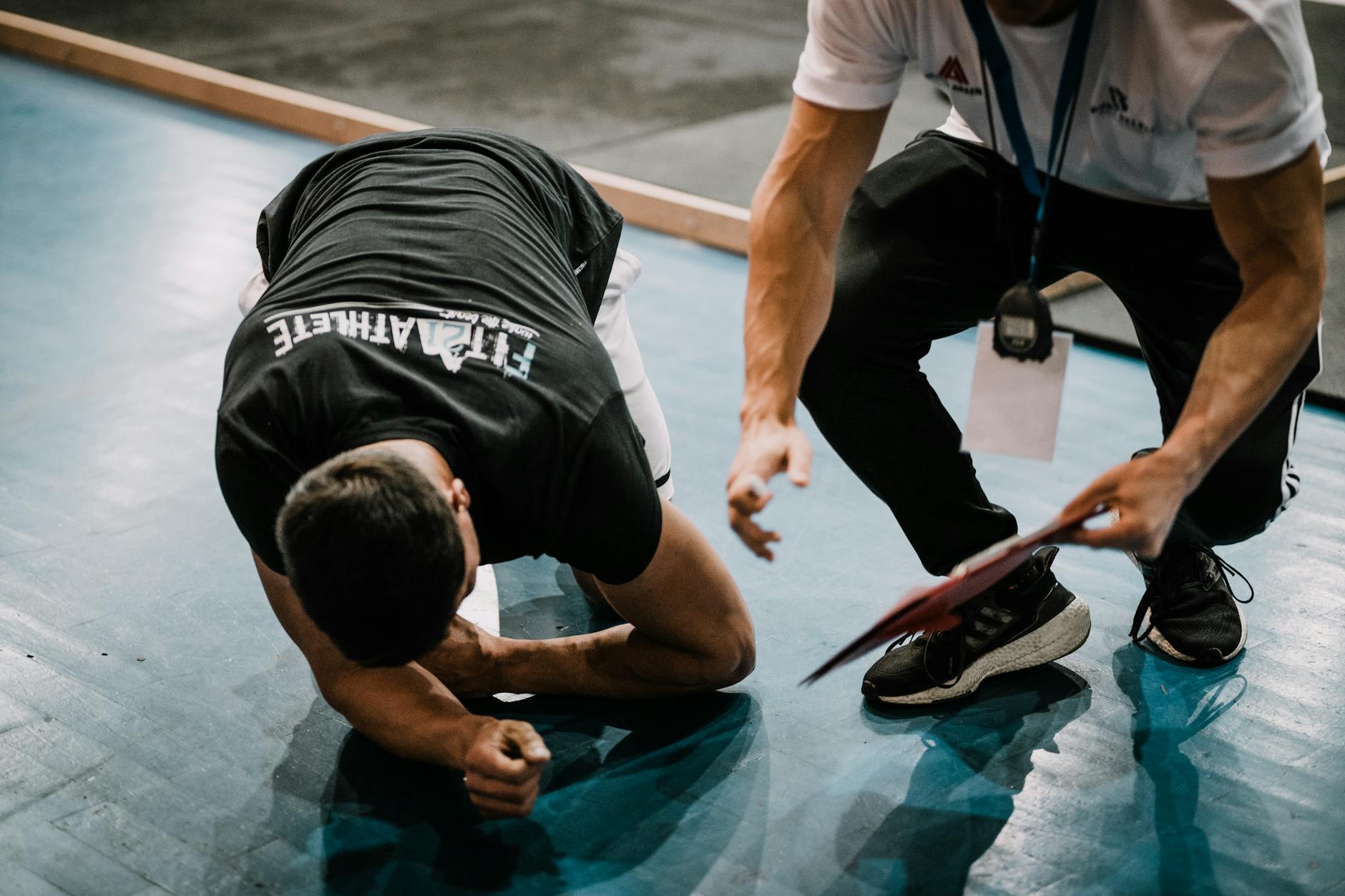
To succeed in sport specific training, you must first deconstruct your sport. A marathon runner has different needs than a recreational basketball player. An endurance athlete requires metabolic efficiency and steady-state conditioning, whereas a field sports player requires reactive agility, explosive power, and anaerobic capacity. Understanding these demands is the difference between general fitness and athletic mastery.
Movement Patterns vs. Muscle Isolation
Focusing on isolated muscles often neglects the way the body moves in the real world. Instead, prioritize compound movement patterns: hinges, squats, pushes, pulls, and carries. These movements improve functional capacity. If you are training for high-impact sports, consider how your protein intake guide can support muscle repair and connective tissue health during intense training blocks.
Managing Recovery and Fatigue
The Role of Active Recovery
Hard training is only as effective as your ability to recover from it. Many amateurs neglect the 'down-regulation' phase of their training. Implementing active recovery, such as low-intensity walking, swimming, or light mobility work, flushes metabolic waste products and reduces systemic inflammation without placing further tax on your recovery capacity.
Monitoring Readiness
Listen to your body. If your heart rate variability (HRV) is trending low or your resting heart rate is elevated, it is a sign that your central nervous system is fatigued. Training through these signals is a recipe for overtraining syndrome. Remember, consistency beats intensity over the long haul. Our coaching programs are specifically designed to help you monitor these metrics effectively.
Injury Prevention for Amateurs
Prehabilitation Strategies
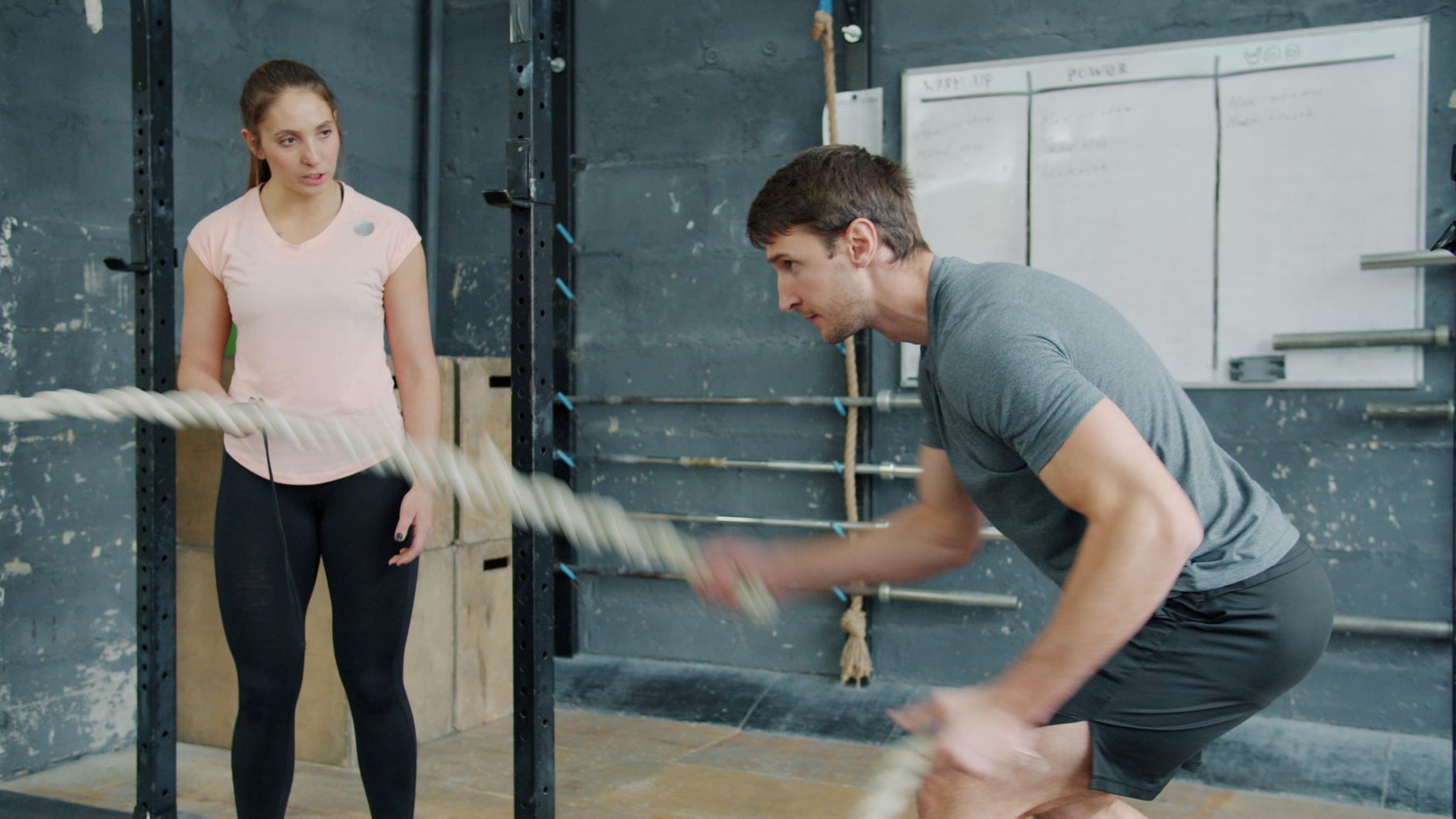
Injury prevention for athletes is about identifying weak links before they snap. Incorporating single-leg exercises, rotational stability work, and hip-strengthening routines can mitigate common overuse injuries. Think of prehab as an insurance policy for your joints and tendons.
Addressing Asymmetries
Almost everyone has imbalances between their left and right sides. If you are a right-handed tennis player, your right shoulder might have more range of motion, but your left side might be under-utilized. Addressing these imbalances through unilateral training is vital for longevity. It ensures that when you go hard on the court or field, your body is stable and capable of absorbing force safely.
FAQs: Mastering Your Program
How often should I change my training program?
Typically, a mesocycle should last 4-8 weeks. This allows your body enough time to adapt to the stimulus before it becomes stale. If you change your program too frequently, you never truly master the movement or realize the strength gains.
What is the best way to track my progress?
Use a digital logbook or a physical training journal. Track total volume, intensity levels, and how you felt during the session. Having a record allows you to see if you are actually making progress or just spinning your wheels.
Can I follow a professional athlete's routine?
Generally, no. Professional athletes have access to unlimited recovery resources, nutritionists, and world-class facilities. Trying to replicate their high-volume workloads will likely lead to burnout or injury for a recreational athlete. Stick to a program that matches your current recovery capacity.
Conclusion
The journey toward becoming a better recreational athlete is not paved with overnight success, but with the consistent application of sound training principles. By moving away from 'random' workouts and embracing structured periodization, you can dramatically increase your athletic ceiling while protecting your health. Whether your goal is to set a personal record in a local race or simply dominate your weekly pickup games, a well-designed program is your strongest asset. Don't leave your progress to chance; work with a coach who understands the nuance of your lifestyle and your goals. If you are ready to take your training to the next level, contact our team today for a customized assessment and training plan designed to unlock your full potential.