

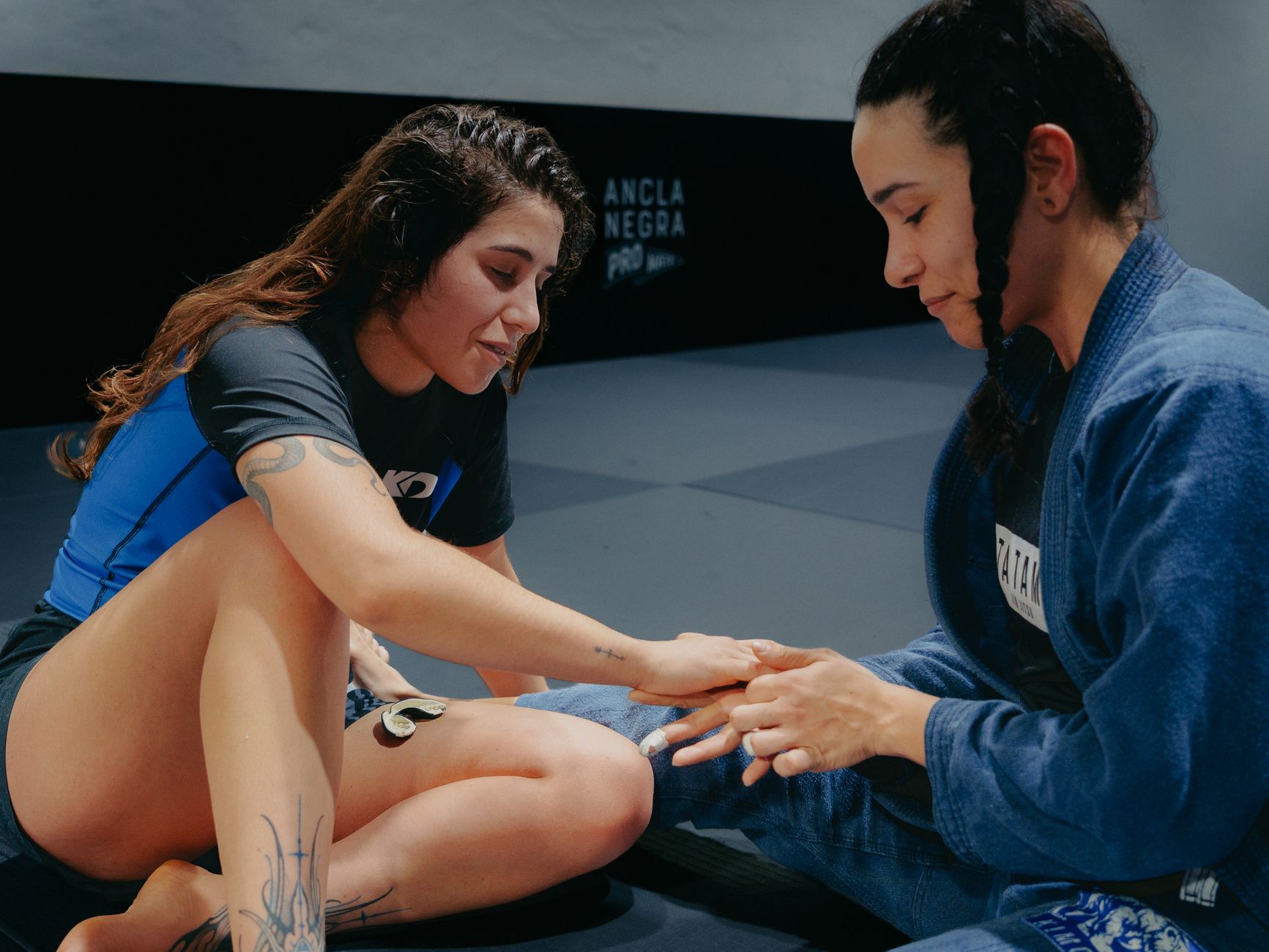
Introduction: The Truth About Personal Trainers
When it comes to achieving your fitness goals, the choice of your personal trainer is paramount. Many people think that all personal trainers are the same, but there is a significant difference between good trainers and great ones. The great trainers possess a unique set of skills, insights, and qualities that elevate their coaching from being merely adequate to transformative. If you’re in search of personal training in San Diego, understanding what makes an elite coach can ensure that you find a trainer who will truly make a difference.
The Foundation of Elite Coaching


1. Education and Certification
While many trainers have basic credentials, elite trainers often pursue extensive education beyond mere certification. This commitment to continuous learning enables them to stay updated on the latest fitness trends and scientific advancements.
- They often hold advanced degrees in fields like exercise science or nutrition.
- They regularly attend workshops and seminars to enhance their skills.
This proactive approach allows them to offer a more informed perspective on fitness coaching and tailored programs that meet the individual needs of their clients.
2. Specialization
Elite trainers typically specialize in specific areas, such as strength conditioning, functional training, weight loss, or rehabilitation. This specialization helps them deliver expert guidance tailored to their clients’ unique goals.
- A specialized understanding of unique physiological responses to different training styles.
- Ability to create specific plans that consider individual health conditions or goals.
The Art of Communication in Coaching
1. Building Rapport
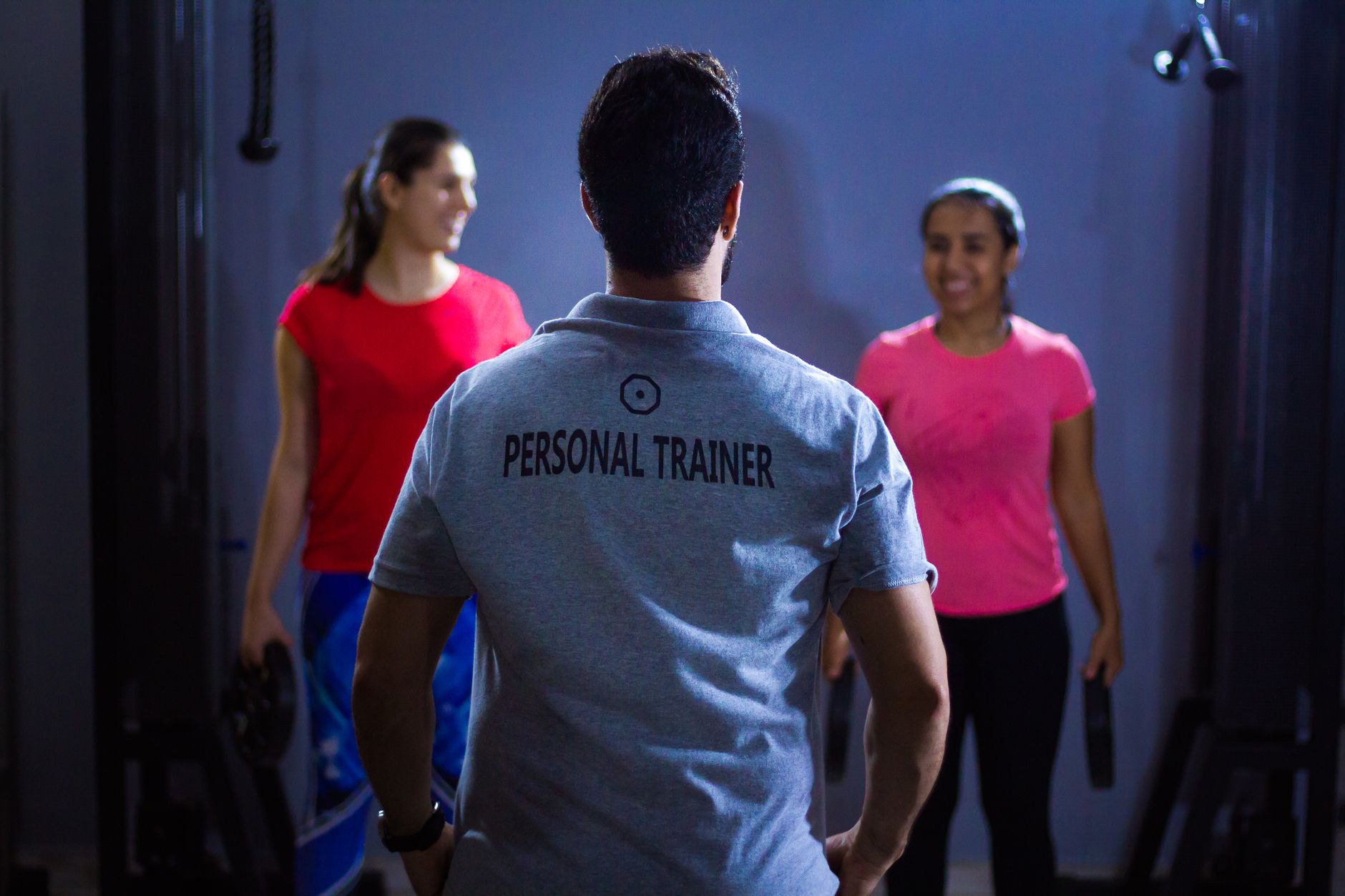
Effective communication is a cornerstone of elite coaching. Great trainers excel at building rapport with their clients. This connection fosters an environment where clients feel supported and motivated.
- They listen attentively to their clients' concerns and feedback.
- They utilize motivational interviewing techniques to understand what drives their clients.
This strong connection not only increases retention but also enhances client outcomes through accountability.
2. Providing Constructive Feedback
Another critical aspect of communication is the ability to provide constructive feedback. Elite trainers know how to critique without discouraging, which is key to effective learning and growth.
- They focus on both positive reinforcement and areas for improvement.
- They tailor their feedback style to suit individual client personalities.
Program Design and Personalization
1. Customized Programs
One-size-fits-all programs are rarely effective. Great trainers pride themselves on developing highly personalized training plans that align closely with their clients' goals, fitness levels, and preferences.
- They assess their clients' abilities through various evaluation methods, such as fitness assessments.
- The programs are flexible, adapting as the client progresses or if their goals change.
2. Goal Setting and Progress Tracking
Setting achievable yet challenging goals is vital for motivation and success. Elite trainers set SMART goals (Specific, Measurable, Achievable, Relevant, Time-bound) with their clients.
- They utilize a range of tools to track progress, from fitness apps to regular assessments.
- They celebrate milestones, reinforcing positive engagement in the training process.
Emotional Intelligence and Empathy

1. Understanding Client Psychology
Emotional intelligence can significantly impact a trainer's effectiveness. Great trainers can read their clients’ emotional states and adapt their coaching methods accordingly.
- They understand the psychological barriers that may hinder progress.
- They employ empathy to encourage clients through tough times.
2. Motivational Techniques
Different clients require different motivational techniques. Elite coaches possess a toolkit of strategies to inspire and engage their clients.
- They use intrinsic motivation techniques to instill self-drive.
- They implement extrinsic rewards to celebrate achievements.
Staying Current with Industry Trends
1. Knowledge of Fitness Trends
To remain competitive and effective, great trainers keep up with current trends in the fitness industry, allowing them to incorporate new techniques into their training.
- They participate in continuing education programs regularly.
- They engage with professional networks to exchange knowledge and ideas.
2. Adapting to Technological Advances
The use of technology in fitness is expanding rapidly. Today’s elite trainers incorporate tools like fitness trackers, apps, and online coaching programs to enhance their services.
- They use data analytics to refine training programs.
- They offer remote training options for flexibility in their coaching.
The Value of Professional Experience
1. Real-World Training Scenarios
Years of experience in various settings (gyms, studios, or in-home training) shape a trainer’s ability to handle a diverse clientele. Great trainers learn from each client interaction to improve their methods continuously.
- They encounter a variety of challenges that require innovative solutions.
- Their experience allows them to anticipate client needs effectively.
2. Success Stories and Testimonials
Great trainers have a track record of client success. Their previous accomplishments provide proof of their expertise and effectiveness.
- Clients' transformation stories serve as motivational examples.
- Positive reviews and testimonials build trust and credibility.
Final Thoughts: How to Choose the Right Trainer
When selecting a personal trainer, consider the qualities outlined above. Look for someone who not only possesses technical expertise but also shows passion, empathy, and commitment to your success. Often, engaging with a great personal trainer in fitness coaching entails aligning your values and goals.
FAQs on Elite Coaching
1. How do I know if my trainer is effective?
Check if your trainer regularly communicates with you, tracks your progress, and modifies your program based on results.
2. What should I expect from my first personal training session?
Your first session typically includes a fitness assessment and discussion of your fitness goals and preferences.
3. What is the importance of communication in coaching?
Effective communication fosters trust and accountability between clients and trainers, which is essential for client success.
4. How can I maintain motivation during my fitness journey?
Setting small, achievable goals and regularly assessing progress can help keep your motivation high.
Conclusion
The difference between a good trainer and a great trainer is substantial. By understanding the essential qualities of elite coaching, you'll be better equipped to choose a trainer who will support your fitness journey effectively. For more information on how to get started with top-notch personal training, visit elitepts.com/contact.