


The Anatomy of Mastery in Fitness Coaching
The fitness industry is saturated, yet true excellence remains rare. While any certified individual can prescribe a set of squats, the leap from a good trainer to one who provides elite coaching is vast, requiring a mastery of both physiology and human psychology. In a competitive market like personal training San Diego, clients no longer settle for generic templates; they demand a coach who acts as an architect of their lifestyle.
A great trainer does not just track sets and reps; they become an integral part of the client’s biological and psychological success. This transition involves moving beyond basic exercise science to incorporate behavioral change models, individualized programming, and a deep commitment to ongoing professional development. Whether you are seeking the best fitness guidance or aiming to sharpen your own skills, understanding these differentiators is essential for long-term health and career longevity.
The Science of Individualized Programming

Beyond the Cookie-Cutter Template
The hallmark of a generic program is its lack of nuance. Great trainers recognize that bio-individuality is the cornerstone of effective programming. They assess movement patterns, injury history, and recovery capacity before prescribing a single weight. By implementing progressive overload, they ensure that the intensity matches the client's current physiological tolerance, preventing plateaus and minimizing the risk of overtraining.
Great coaches understand that programming is a dynamic document. If a client is experiencing high stress levels, an elite coach adapts the volume to avoid system failure. This responsiveness, often referred to as auto-regulation, is what separates those who simply 'train' clients from those who truly coach them through a transformation.
Data-Driven Decision Making
Elite coaches leverage objective data to guide subjective experiences. They don't rely on guesswork; they track metrics such as heart rate variability (HRV), sleep quality, and daily protein intake guide compliance. By gathering this data, they can make informed adjustments that yield significant results over time.
- Quantitative data tracking (weight, reps, sets)
- Qualitative feedback (RPE, subjective energy levels)
- Biometric monitoring (sleep duration, recovery scores)
Behavioral Psychology and Client Motivation
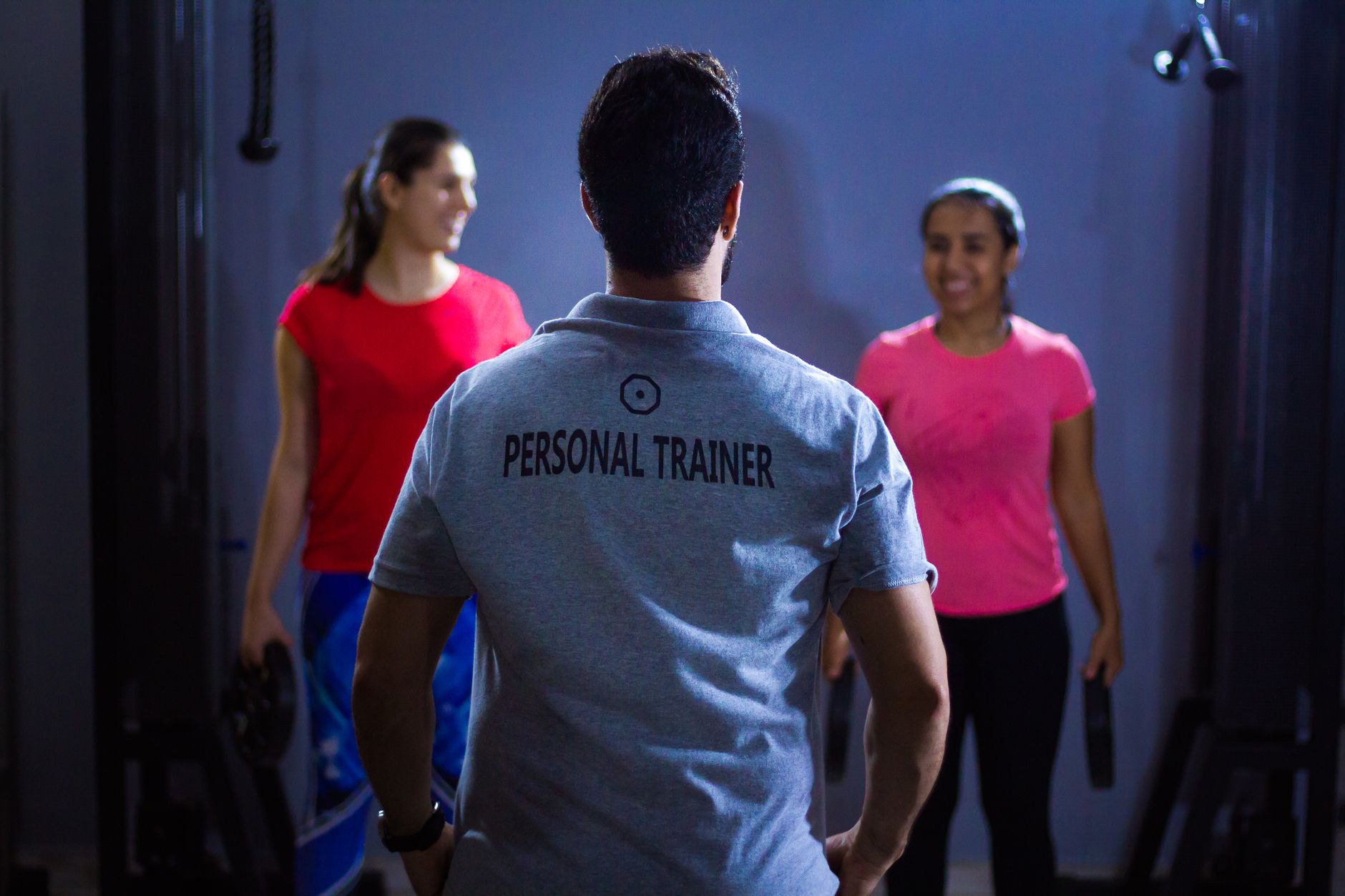
Mastering the Art of Habit Formation
True fitness coaching is 80% psychology. A client might know how to perform a movement perfectly, but consistency requires intrinsic motivation. Great trainers employ evidence-based techniques such as motivational interviewing and goal setting to ensure clients remain engaged when their initial enthusiasm inevitably wanes.
By identifying 'keystone habits,' coaches help clients build a foundation that cascades into other areas of their life. This approach transforms a short-term fitness challenge into a lifelong identity shift, which is the ultimate goal of high-end coaching.
Navigating Resistance and Plateaus
When a client encounters a hurdle, a good trainer might push harder. An elite trainer, however, investigates the root cause. They are skilled at navigating the complex emotional responses associated with fat loss and muscle gain. Their communication style is supportive yet authoritative, building a trust-based partnership that encourages honesty and vulnerability.
Effective Communication and Professionalism
The Feedback Loop
Communication is the bridge between intention and execution. Great trainers master the art of cues, simplifying complex biomechanical concepts into actionable, bite-sized instructions. They realize that 'telling' is not 'coaching'; coaching requires asking questions to ensure the client understands the 'why' behind the program.
Establishing Boundaries and Trust
Professionalism is non-negotiable. Elite coaches maintain strict boundaries, ensuring the client-coach relationship remains focused on health and performance. If you are ready to experience this level of dedication, you can contact us today to get started.
Optimizing Recovery and Longevity
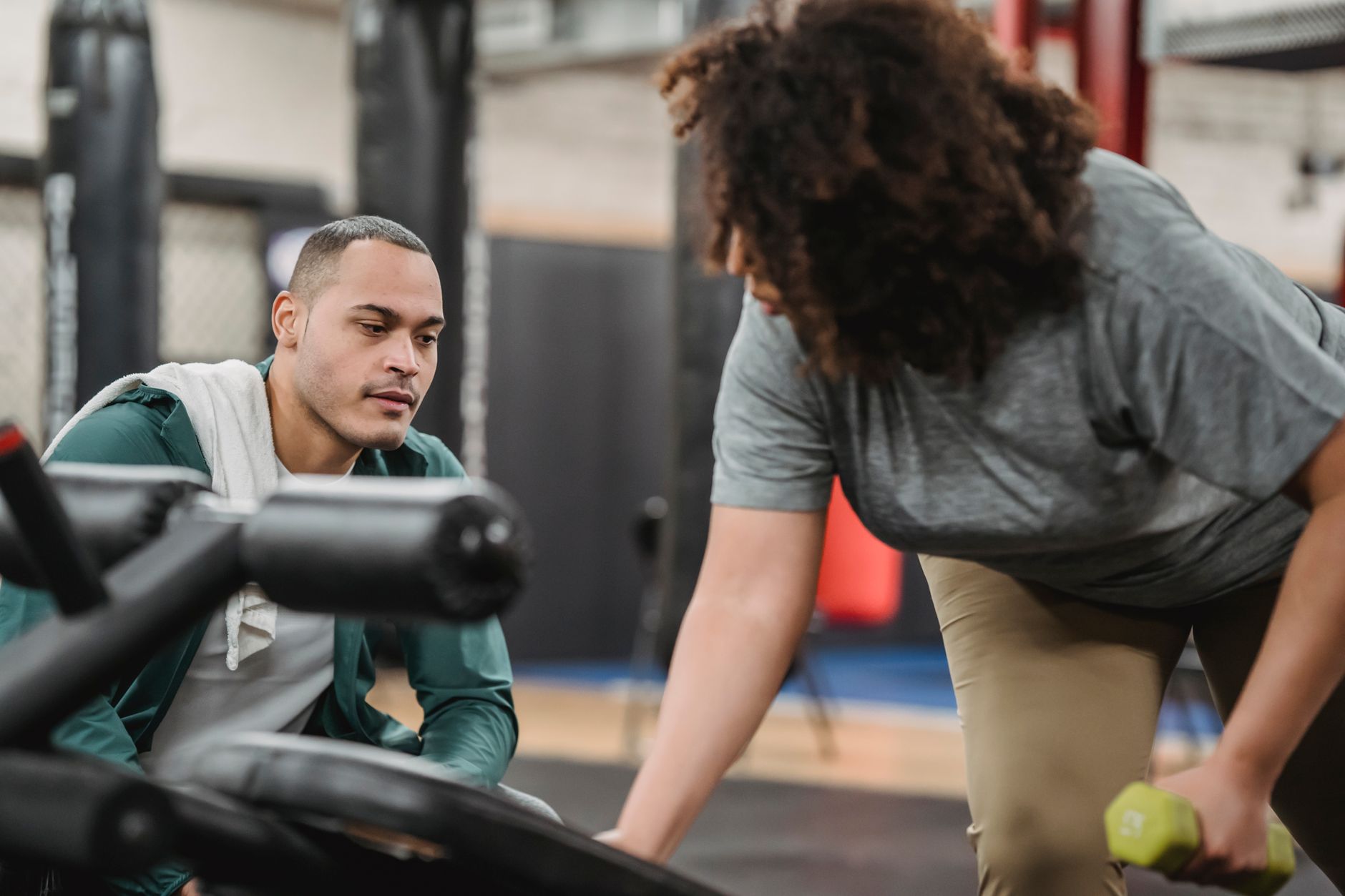
Sleep and Systemic Recovery
The gym is merely the stimulus; growth occurs during rest. Great trainers educate their clients on sleep optimization and the importance of parasympathetic nervous system engagement. Without recovery, performance improvements cease, and injury risk skyrockets.
- Managing cortisol levels via lifestyle adjustments
- Integrating active recovery sessions
- Prioritizing deep sleep for hormonal health
Sustainable Nutrition Strategies
Nutrition should never be a source of stress. Elite trainers avoid 'fad' diets, opting instead for sustainable, habit-based nutrition strategies. They help clients understand how to fuel their bodies for training, balancing their metabolic needs with their personal preferences to ensure long-term compliance.
The Future of Fitness Coaching
Adapting to Modern Technology
The landscape of personal trainer tips is changing rapidly. From wearable technology to sophisticated coaching apps, the ability to integrate digital tools into a human-centric practice is essential. A great trainer doesn't let technology replace their expertise, but rather uses it to enhance their reach and precision.
Continuing Education and Mentorship
The pursuit of knowledge is constant. Elite trainers read peer-reviewed journals, attend workshops, and seek out mentorship from industry legends. They understand that the moment they believe they know everything is the moment their coaching stagnates. If you want to see our full approach, visit our personal training portal.
FAQ: How to Spot a Great Trainer
What credentials should I look for in a trainer?
Look for recognized certifications (like NASM or NSCA) combined with a proven track record of long-term client success and a commitment to ongoing education.
Why is programming personalization so important?
Everyone has a unique body structure, history, and lifestyle. A personalized program accounts for these variables to maximize progress and ensure safety.
How long does it take to see real results?
While some changes occur within weeks, true physiological adaptation and lifestyle integration typically require 3 to 6 months of consistent, high-quality training.
Conclusion
Becoming an elite coach or finding one is a journey of intentionality. It is about prioritizing substance over flash, science over trends, and the client's long-term health over short-term vanity. Whether you are a fitness enthusiast or a budding professional, the principles outlined here provide a roadmap for excellence. By mastering the balance of programming, psychology, and communication, you can transform bodies and lives in ways that generic fitness simply cannot achieve. If you are ready to invest in a superior standard of health and performance, contact the team at ElitePTS today to experience the difference for yourself.