


The Path to Mastery in Fitness Coaching
The fitness industry is saturated with individuals holding certifications, yet the divide between a standard instructor and a true performance expert is widening every single day. If you are looking to elevate your practice, understanding elite coaching requires looking beyond the basic mechanics of movement and diving into the intersection of physiology, psychology, and strategic communication. This guide explores the essential components that separate good trainers from those who operate at the highest level of human performance.
The Evolution of Professional Standards
In the early days of the industry, fitness was often reduced to counting reps and setting basic weight increments. Today, a professional in personal training San Diego must serve as a multifaceted consultant, managing everything from hormonal health to neurological fatigue. Great trainers acknowledge that their role is not just to prescribe exercise, but to facilitate a total transformation of the client's lifestyle.
Defining the Elite Standard
What makes a trainer elite? It is rarely the number of certificates on their wall. Instead, it is the ability to apply progressive overload in a way that respects the individual’s unique recovery capacity and psychological hurdles. A good trainer follows a plan; an elite coach monitors the variables that dictate whether that plan will succeed or fail on a Tuesday morning.
Section 1: Advanced Programming and Periodization


Beyond Linear Progression
A novice trainer relies on simple linear models, increasing weight blindly until a plateau is reached. Elite coaches understand that true physiological adaptation requires sophisticated periodization. By manipulating volume, intensity, and frequency, they ensure that the body stays in a state of constant, manageable stress, allowing for long-term health and consistent gains.
Understanding how to implement active recovery sessions is another marker of a great coach. They know that training hard is only half the battle; ensuring the client recovers to adapt to that stress is where the magic happens. A deep knowledge of energy systems and metabolic demands prevents burnout and overtraining syndrome.
Applying Scientific Variables
Elite coaches use data to drive decisions. Whether it is tracking protein intake guide metrics or monitoring Heart Rate Variability (HRV), these professionals rely on objective markers. If you want to see how this approach is applied in real-world settings, view our professional coaching services for more information on structured programming.
Section 2: The Psychology of Behavioral Change
Motivational Interviewing Techniques
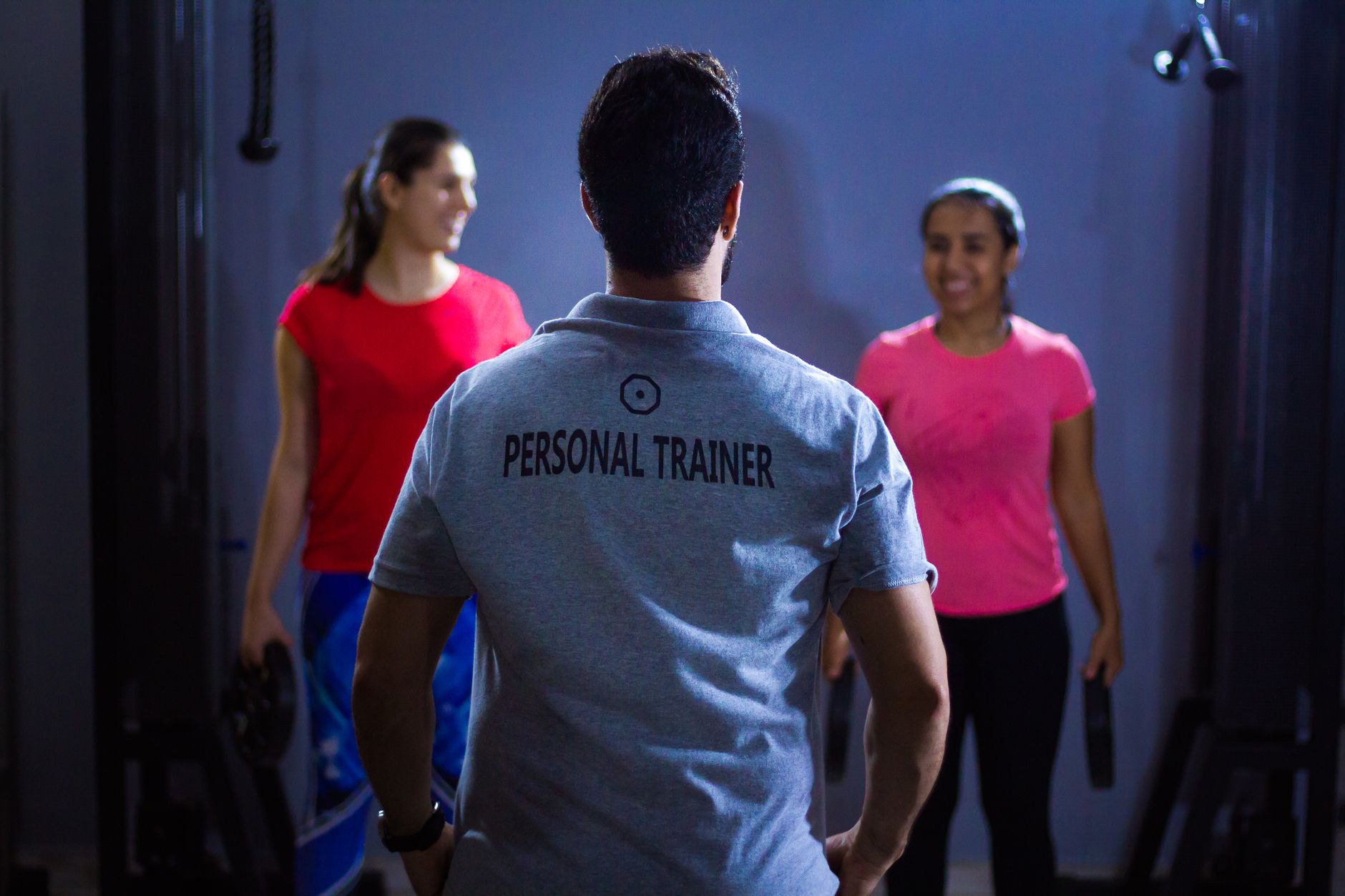
Fitness is 80% mental. A good trainer tells a client what to do, but an elite coach helps the client discover why they want to do it. By using motivational interviewing, great trainers peel back the layers of resistance a client faces. This empathetic approach turns a standard session into a transformative coaching encounter that impacts the client’s life outside the gym.
Great coaches recognize that habit formation is the bedrock of long-term success. They provide the necessary scaffolding for clients to build routines that survive even the most stressful work weeks. Through consistent support, these trainers build a level of client autonomy that ensures the results last a lifetime, not just for the duration of a transformation challenge.
Handling Relapse and Obstacles
When a client misses a goal, a standard trainer might blame the client's lack of discipline. An elite coach looks at the system. They ask, "What in your current environment made it difficult to succeed?" This shift from judgment to problem-solving is fundamental to high-level sleep optimization and lifestyle management.
Section 3: Communication and Client Retention
Active Listening and Empathy
The best personal training environments are built on trust. Elite coaches are master listeners. They understand that every client enters the gym with a unique set of stresses, injuries, and aspirations. By giving clients space to be heard, trainers foster an environment where psychological safety becomes the catalyst for physical effort.
- Use open-ended questions to clarify client needs.
- Practice reflective listening to ensure the client feels understood.
- Maintain professional boundaries while staying accessible.
The Art of Expectation Management
Disappointment is a common byproduct of poor communication. Elite coaches use transparency to set realistic timelines and benchmarks. When a client knows exactly what to expect from the process, their adherence levels rise significantly. Clear communication is the strongest tool in a coach's arsenal for long-term retention.
Section 4: Holistic Lifestyle Integration
Managing Stress and Recovery
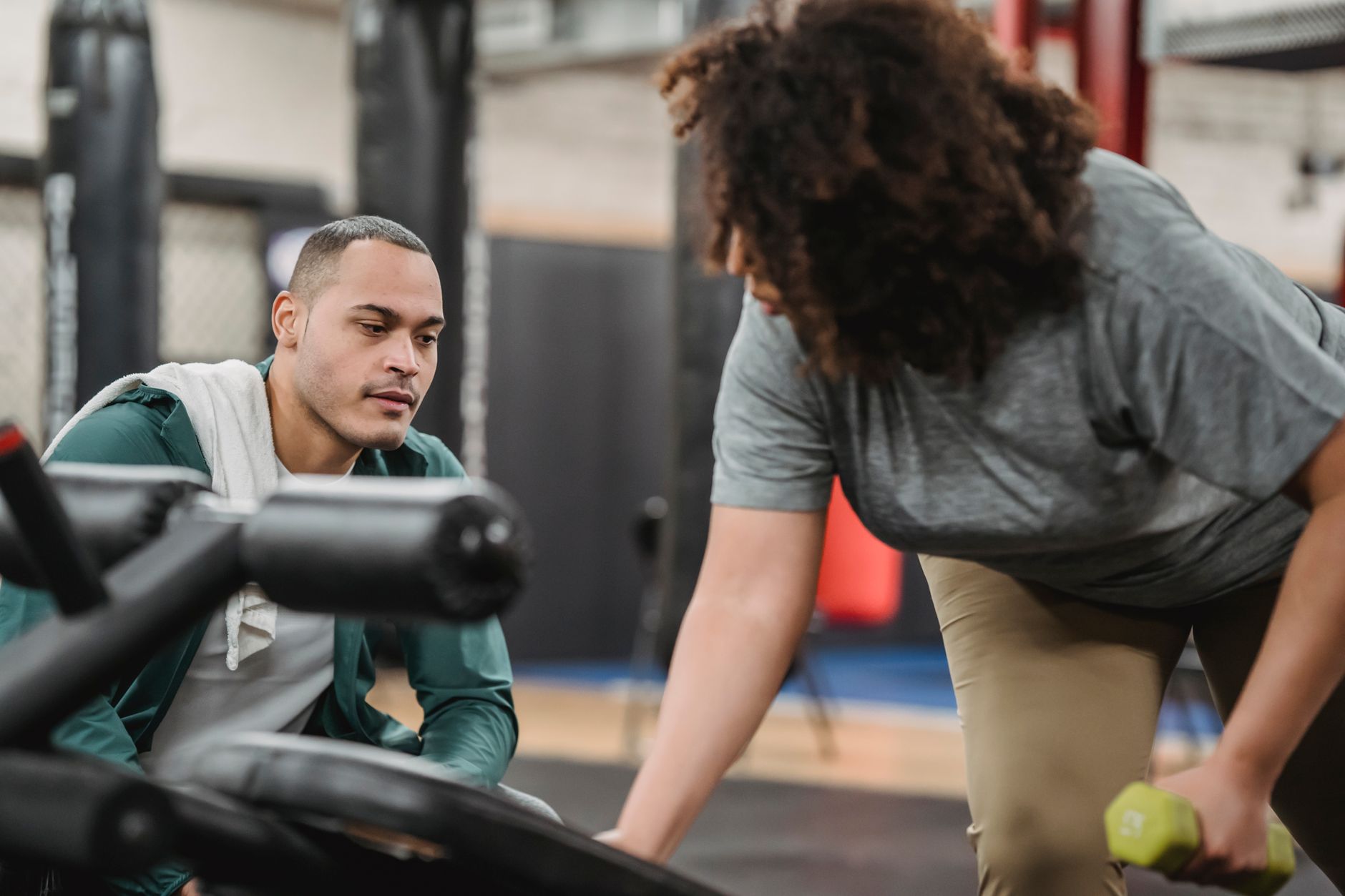
A trainer who only looks at the workout ignores 23 hours of the day. Great coaches integrate nutrition, sleep, and stress management into the conversation. They recognize that a client in a high-stress corporate job in San Diego requires a different approach than a college athlete. Integrating these elements is vital to preventing stagnation.
If you are ready to take your health seriously, contact us today to work with a coach who considers your entire lifestyle. We don't just focus on the workout; we optimize your environment for results.
Strategic Nutritional Guidance
Nutrition is often the missing piece of the puzzle. Elite coaches provide guidance that focuses on sustainable habits rather than restrictive dieting. They focus on nutrient density and systemic health, ensuring that the body is fueled appropriately for the training load. This evidence-based approach is what separates true professionals from amateur influencers.
Section 5: Professional Development and Ethics
Maintaining Evidence-Based Practice
The fitness industry changes rapidly. Elite coaches are perpetual students. They consume peer-reviewed literature, attend seminars, and engage in mentorship. This commitment to ongoing education allows them to filter through fitness myths and provide only what works. If you are struggling with your own programming, revisit the basics of progressive overload to ensure your foundation is solid.
Ethical Coaching Standards
High-level coaching requires a strict ethical code. This includes protecting client privacy, avoiding over-prescription of supplements, and knowing when to refer a client to a physical therapist or medical doctor. An elite coach knows their limits and operates within a professional network that prioritizes the client’s well-being above all else.
Frequently Asked Questions
How do I know if my trainer is elite?
Look for a trainer who tracks your progress using objective data, asks detailed questions about your recovery and sleep, and focuses on sustainable habits rather than quick fixes.
Is elite coaching only for athletes?
No. Elite coaching is for anyone who wants to maximize their results, minimize injury risk, and create a sustainable, high-quality lifestyle.
How does location affect my training?
While remote training is effective, local personal training San Diego clients benefit from the added accountability and physical feedback provided by in-person sessions.
Conclusion
Moving from good to great in the world of fitness is a journey of continuous refinement. By mastering the delicate balance between hard science and soft skills, an elite coach changes lives in a way that goes far beyond simple physical appearance. Whether you are a trainer looking to grow your craft or a client searching for excellence, the principles of professional accountability, data-driven programming, and empathetic communication remain the true gold standards of the industry. Are you ready to work with a team that prioritizes your long-term success? Reach out and contact us today to start your transformation with a truly elite coaching approach.