


The Path to Mastery in Fitness Coaching
The fitness industry is saturated with individuals who possess a basic certification and a passion for iron, but there is a profound chasm between someone who simply manages a session and a professional who crafts a life-changing experience. Elite coaching is not about shouting cues or counting repetitions; it is an intricate blend of exercise physiology, behavioral psychology, and high-level empathy that separates the good from the truly great. Whether you are seeking personal training San Diego locals trust, or you are an aspiring professional looking to refine your craft, understanding this distinction is the key to longevity and success.
In this article, we delve deep into the nuances that define greatness in the coaching sphere. We move beyond basic movement patterns to explore the systemic approach required to foster long-term behavioral change and physiological adaptation. By examining the methodologies utilized by the world's most effective trainers, we aim to provide a roadmap for those committed to excellence in the pursuit of human performance.
1. Beyond the Workout: The Psychology of Behavioral Change
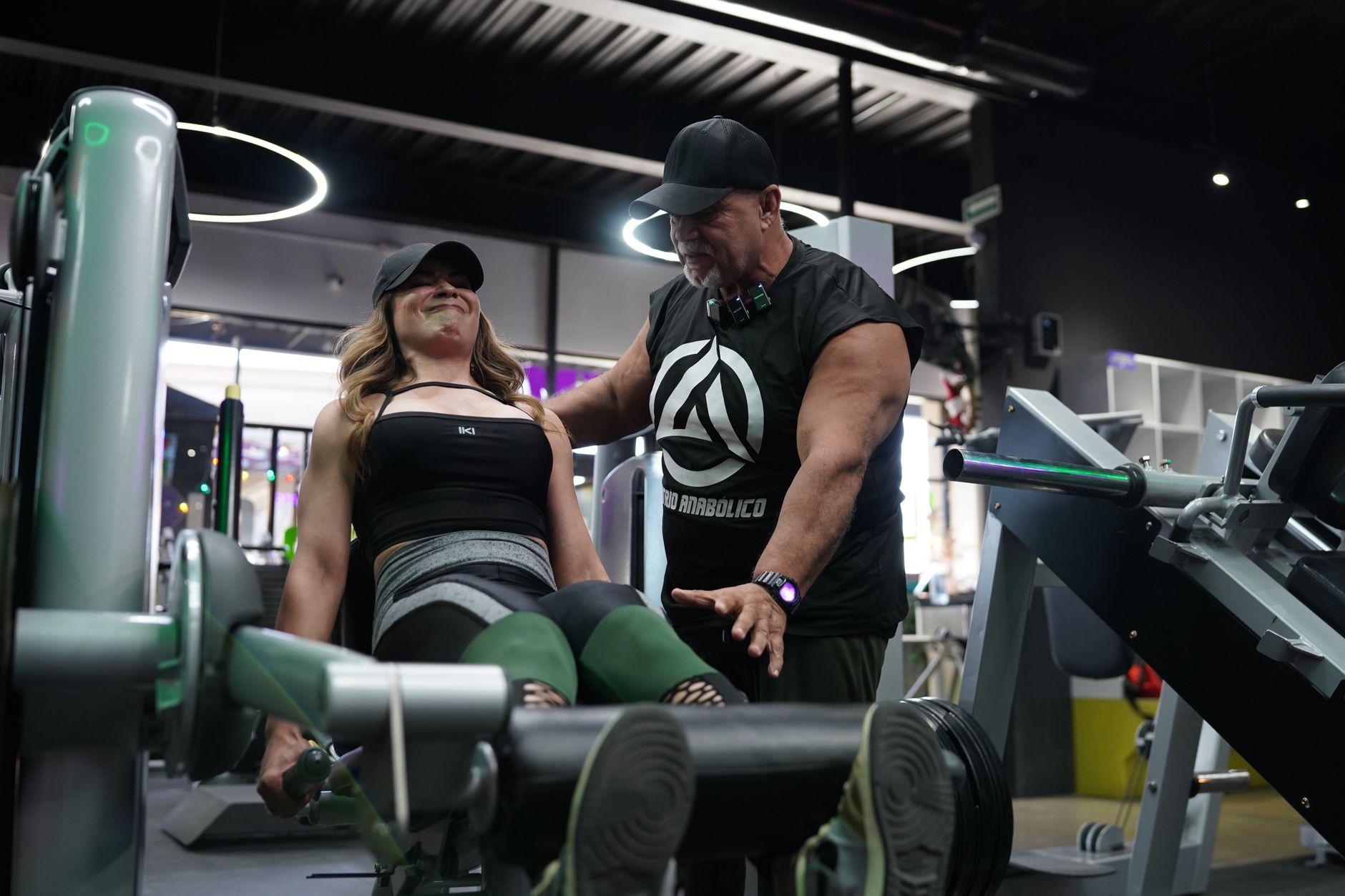
Mastering the Client-Coach Alliance
Great trainers understand that the most effective program is worthless if the client cannot adhere to it. The therapeutic alliance—a concept borrowed from psychology—is arguably the most critical component of fitness coaching. It is built on trust, consistency, and the ability to listen deeper than the surface level of the client's articulated goals.
- Establishing rapport through active listening and non-judgmental feedback.
- Aligning training methodologies with the client's lifestyle constraints rather than forcing a rigid, unmanageable plan.
- Using motivational interviewing techniques to help clients discover their own 'why' for training.
Overcoming Resistance to Change
Resistance is a natural byproduct of personal growth. An elite coach anticipates the plateau and provides the tools for sleep optimization to ensure hormonal recovery matches physical output. They realize that a client's failure to hit a PR is often rooted in stress, poor recovery habits, or a lack of psychological safety rather than a physical limitation.
2. Scientific Programming vs. Generic Templates
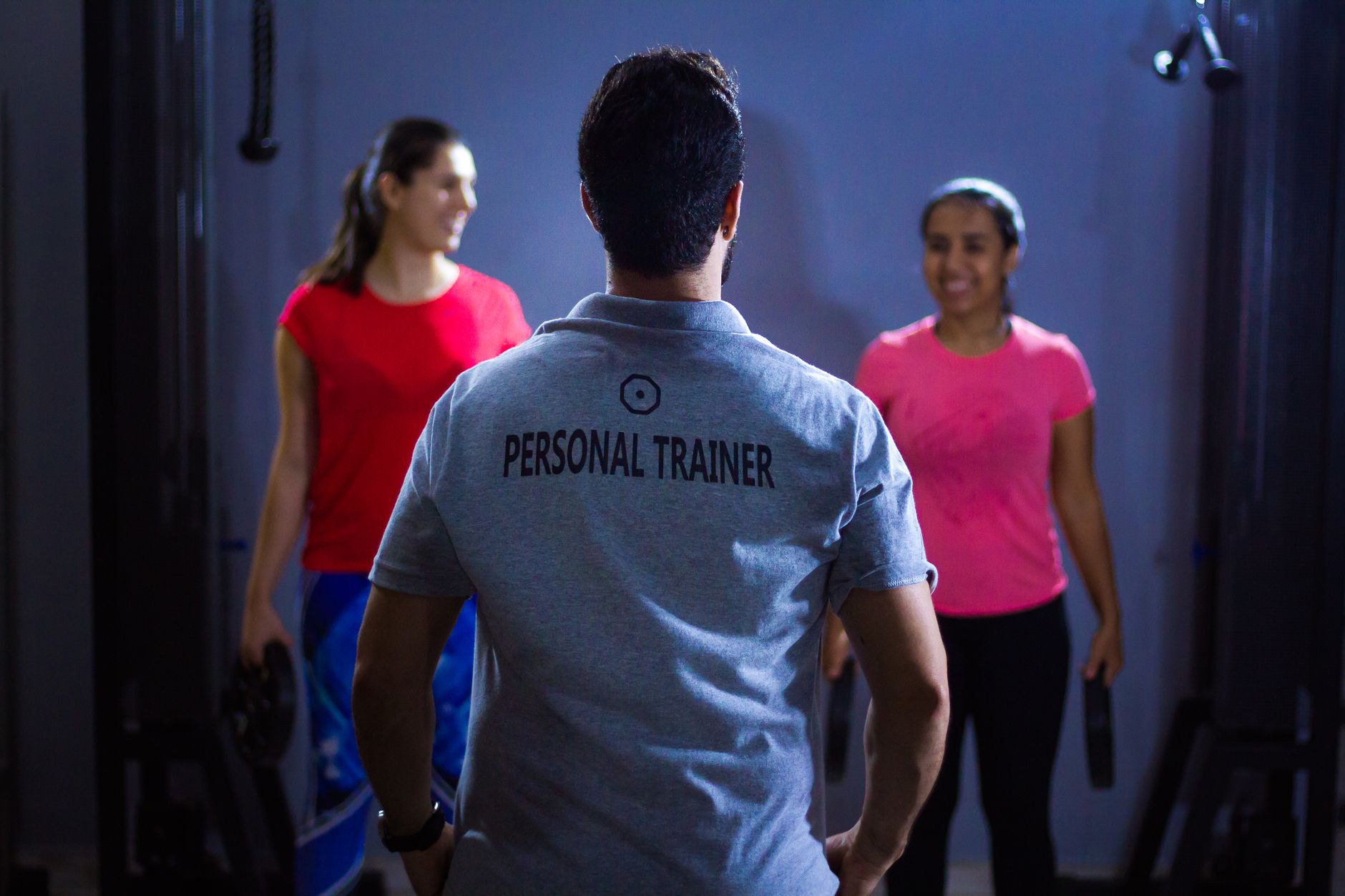
The Art of Progressive Overload
While generic templates exist in abundance online, they rarely account for individual physiological variance. Great trainers master the science of progressive overload by manipulating volume, intensity, and frequency with surgical precision. They are not chasing the 'workout of the day' but are building a long-term architecture of adaptation.
- Utilizing periodic assessment tools to adjust training loads based on real-time feedback.
- Understanding the individual threshold for systemic recovery.
- Implementing strategic deload phases that prevent overtraining and burnout.
Individualized Periodization Strategies
Great coaches approach periodization as a fluid roadmap. By integrating nutrition education alongside training, they provide a protein intake guide tailored to the client's specific metabolic demands. They do not guess; they measure and pivot based on objective data points gathered over weeks and months of training.
3. Developing an Eye for Human Movement
Biomechanics and Injury Prevention
An elite trainer sees the movement behind the weight. They understand that a squat is not just a squat; it is a manifestation of joint mobility, tissue quality, and motor control. They often incorporate active recovery protocols to manage inflammation and improve range of motion, ensuring that their clients stay in the game long enough to see true, transformative progress.
- Analyzing kinetic chain dysfunction before loading a movement.
- Utilizing corrective exercise to stabilize joints rather than just piling on weight.
- Educating the client on their own body mechanics for long-term self-sufficiency.
The Value of Movement Quality
Prioritizing form over ego is a hallmark of elite coaching. By fostering an environment where quality is the currency, coaches build long-term trust. When a client feels safer and more capable, their confidence surges, which naturally results in greater output and improved consistency—two essential pillars of any successful ElitePTS training program.
4. Data-Driven Decision Making
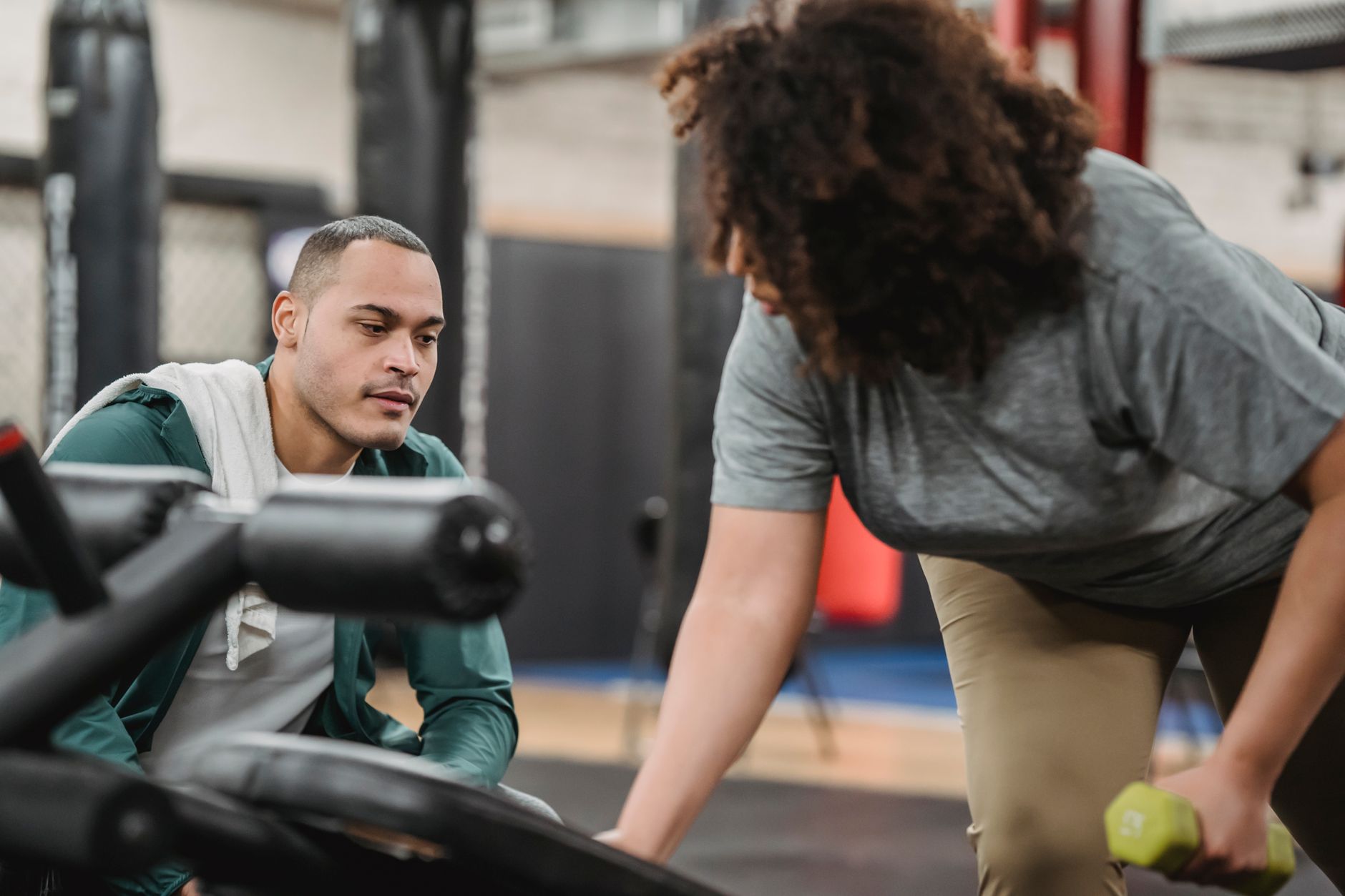
Quantifying Progress Beyond the Scale
Good trainers focus on the bathroom scale; great trainers focus on physiological biomarkers. Elite coaches look at HRV (Heart Rate Variability), sleep quality, training readiness, and recovery capacity. This data-first approach removes the emotion from the process and ensures the client is moving forward in a sustainable manner.
- Monitoring internal load metrics (Rate of Perceived Exertion) alongside external load metrics (weight on the bar).
- Using technology to track objective improvements in work capacity and recovery status.
The Feedback Loop
Every session should provide data for the next. By maintaining meticulous training logs, a coach can spot patterns of fatigue before they manifest as injuries. This professional diligence is what clients notice when they compare the average trainer to an elite professional who is truly invested in their biology.
5. Communication and Education
Translating Science into Action
An elite coach is an educator. They do not just tell a client *what* to do; they explain *why* they are doing it. This deepens the client's investment in the process and makes them more autonomous. If you are ready to experience this level of expert guidance, reach out to our team at ElitePTS to get started.
Adapting to Different Learning Styles
Great coaches identify whether a client is a visual, auditory, or kinesthetic learner. They adjust their cues accordingly, proving that personal trainer tips and technical knowledge are only useful if they can be effectively communicated. The ability to simplify complex physiological concepts into actionable, bite-sized instructions is a rare and highly valued skill.
FAQ: Questions About Elite Fitness Coaching
What makes a trainer 'elite' rather than just 'good'?
An elite trainer integrates psychology, advanced exercise science, and personalized recovery strategies. They treat training as a holistic lifestyle intervention rather than just an hour of gym time.
How does location factor into finding a great coach?
While many training principles are universal, finding professional personal training San Diego based experts ensures that you have someone who understands the local environment and can offer consistent, in-person accountability.
How long does it take to see results with an elite coach?
While some changes occur quickly, true physiological transformation—body composition changes, strength gains, and performance improvements—is a long-term process. An elite coach focuses on sustainable habits that last a lifetime.
Conclusion
Choosing a path in fitness coaching is a commitment to lifelong learning and service. Whether you are seeking an expert to guide your journey or a trainer aiming to level up, remember that the difference lies in the details. It is the marriage of rigorous science with deep, compassionate human connection that defines true greatness in this field. We encourage you to seek out mentors, study the mechanics of human behavior, and always prioritize the long-term well-being of the individual above all else. If you are ready to take your training to the next level with a coach who understands these elite principles, please visit our contact page to begin your transformation today.