


The Path to Mastery in Fitness Coaching
In a saturated industry where anyone with a social media account can claim the title of coach, the gap between the mediocre and the exceptional has never been wider. While many possess the technical knowledge to build a workout, only a select few truly master the art of elite coaching. This level of professional excellence is not merely defined by certifications, but by an unwavering commitment to holistic client development.
Great trainers understand that fitness is more than sets and reps; it is a complex intersection of physiology, psychology, and lifestyle management. Whether you are providing personal training in San Diego or managing a global online roster, your ability to influence behavior is your most valuable currency. This guide explores the foundational pillars that elevate a standard personal trainer into a transformative fitness professional.
The Psychology of Behavior Change
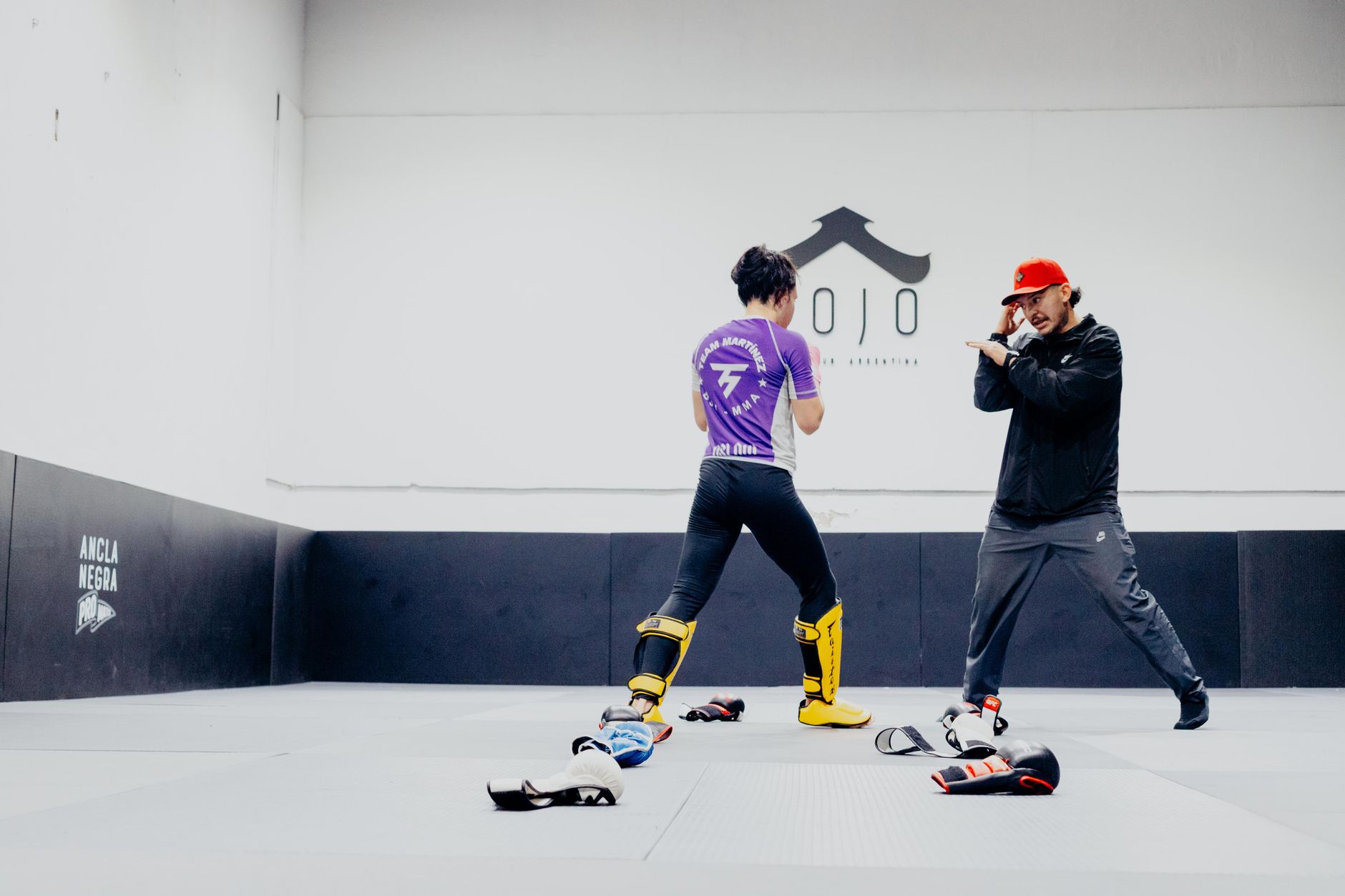

Mastering Client Communication
The best coaches recognize that emotional intelligence is the bedrock of successful outcomes. It is not enough to design the perfect program if the client does not feel heard, understood, or empowered. By utilizing active listening and empathy-driven feedback, coaches can identify the underlying barriers preventing progress, such as self-limiting beliefs or inconsistent habits.
Great coaches often utilize motivational interviewing techniques. Instead of dictating terms, they ask open-ended questions that lead clients to discover their own intrinsic motivation. This shift from 'expert-teacher' to 'guide-partner' creates a collaborative environment where clients feel ownership over their health journey.
Overcoming Plateau Through Mindset
When clients hit a wall, average trainers simply increase intensity. However, an elite coach realizes that persistent plateaus are often rooted in psychological stress. By integrating sleep optimization protocols and stress management techniques, coaches can help clients recover from the mental fatigue that often hampers physical output.
Successful behavior change is rarely linear. Great coaches document these shifts to demonstrate long-term value, ensuring that clients understand that progress is measured by more than just scale weight. This builds trust, which is the most vital component in long-term fitness coaching success.
Advanced Programming and Technical Expertise
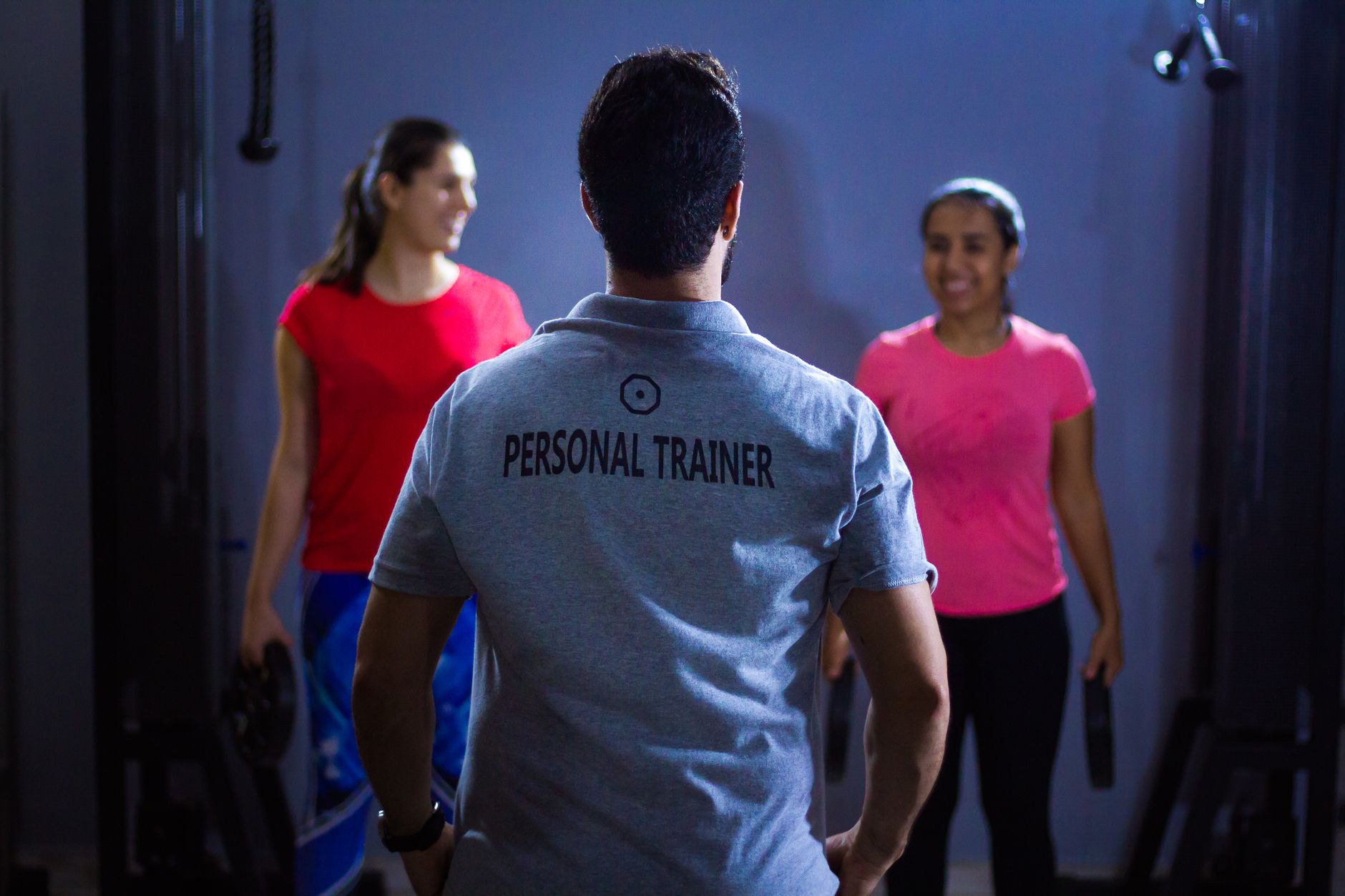
Evidence-Based Progressive Overload
Technical mastery involves more than knowing how to cue a squat; it involves a deep understanding of progressive overload as a dynamic system. A great trainer doesn't just add weight; they manipulate volume, intensity, and density based on the client's current physiological capacity.
- Individualizing rest intervals based on heart rate recovery.
- Applying biofeedback to adjust volume on low-energy days.
- Prioritizing movement quality over sheer load to ensure longevity.
By treating each program as a living, breathing document, elite trainers ensure that their clients avoid injury while maximizing neuromuscular adaptations.
Structuring Nutrition for Performance
Nutrition is the silent partner of physical training. Trainers who ignore the role of protein intake guide metrics are leaving results on the table. However, it is essential to operate within your scope of practice. Elite coaches provide actionable, evidence-based guidance that focuses on habit formation rather than restrictive meal plans.
When a client understands the 'why' behind their nutrition, compliance rates skyrocket. Helping clients track macros or simply build better meal awareness empowers them to make sustainable choices long after they leave the gym floor.
The Business of Elite Coaching
Client Retention and Lifetime Value
The most successful trainers know that acquisition is expensive, but retention is where profit—and impact—resides. Great coaches implement systems that track client progress, celebrate small wins, and maintain regular communication outside of training hours. If you want to refine your business model, consider exploring our professional resources to help streamline your operations.
Retention is built on a foundation of results and relationship. When you position yourself as a trusted advisor rather than just a hourly service provider, you increase your authority. Always ask for feedback and be willing to iterate on your coaching style to meet the evolving needs of your clientele.
Positioning in the Modern Market
To stand out in the crowded fitness market, you must define your niche. Whether you are the go-to expert for post-rehabilitation or high-performance athletes, your messaging must be clear. This is why many professionals choose to specialize their services to serve a specific audience better.
Recovery as a Competitive Advantage
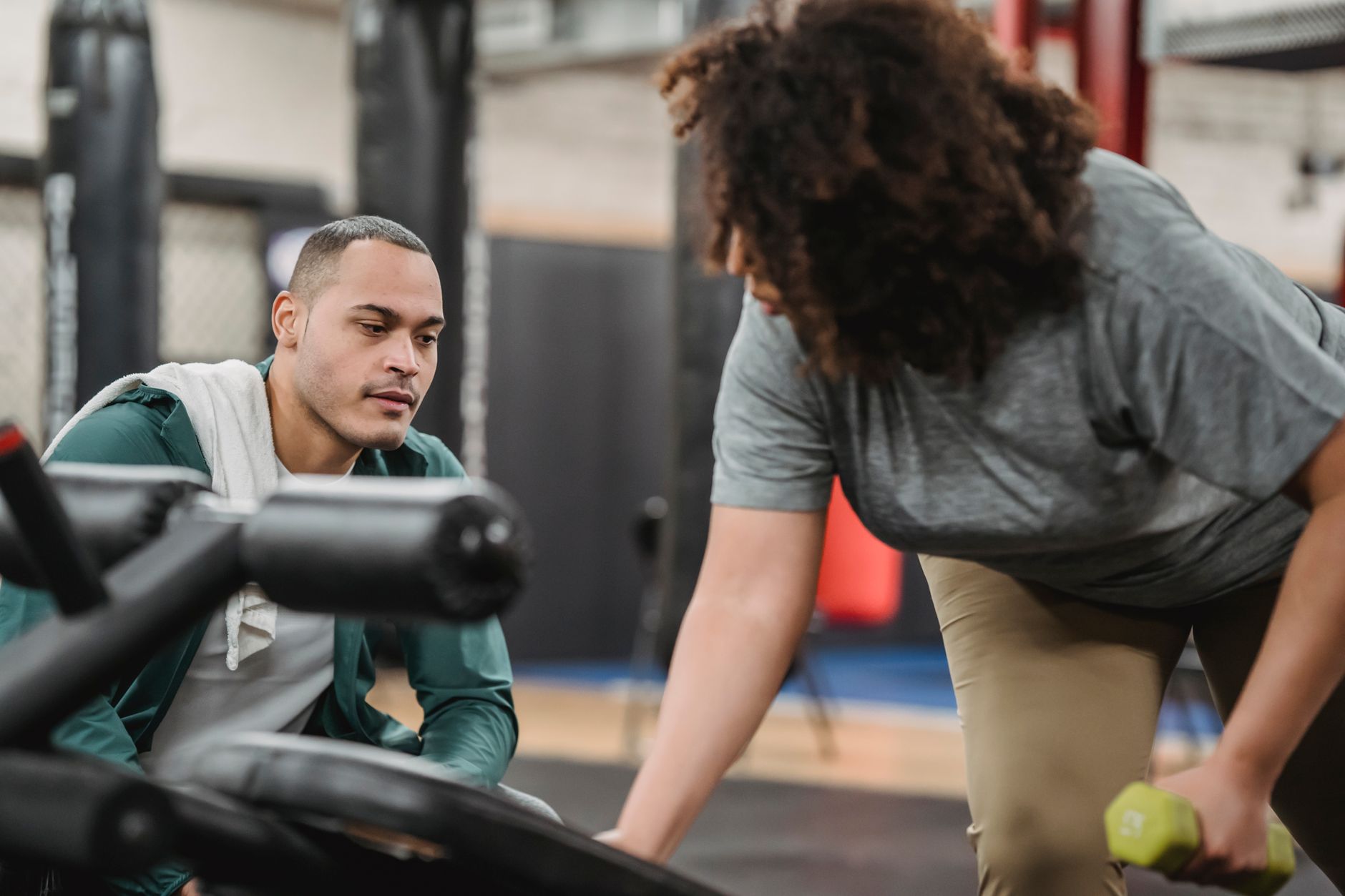
The Science of Active Recovery
Many trainers neglect the 'off-days,' but great trainers know that growth happens during recovery, not during the workout. Promoting active recovery is essential for preventing burnout and ensuring that the client returns to the next session at 100% capacity.
- Scheduling low-intensity movement such as mobility flows or light walking.
- Educating clients on the physiological benefits of rest.
- Monitoring readiness scores to dictate exercise intensity.
By normalizing recovery as an essential part of the training cycle, you teach your clients to view their health as a marathon, not a sprint.
Frequently Asked Questions
How can I start implementing elite coaching techniques immediately?
Start by focusing on the 'human' side of coaching. Increase your active listening skills and start tracking qualitative data (mood, energy, sleep) alongside quantitative data (weight, reps). This holistic view immediately elevates your service.
Does elite coaching require expensive equipment?
No. Elite coaching is about the quality of the programming and the depth of the coach-client relationship. Your brain and your communication style are your most important tools.
How do I handle a client who is consistently unmotivated?
Move away from 'tough love' and toward 'collaborative curiosity.' Ask them what is stopping them from being consistent. Often, the barrier is logistical or mental, not a lack of willpower.
Conclusion
Becoming an elite coach is a journey of continuous learning. By mastering the intersection of behavior change, advanced programming, and sustainable business practices, you transform from a commodity trainer into an indispensable partner in your client’s life. The difference between good and great lies in the attention to detail, the empathy you bring to every interaction, and the dedication to evidence-based outcomes. If you are ready to take the next step in your career and provide the highest level of care to your clients, contact our team for professional mentorship at ElitePTS. Your journey to becoming an elite professional starts with the commitment to elevate your standards today.