


The Path to Mastery in Fitness Coaching
Every fitness professional starts with the same ambition: to change lives through movement. Yet, in the bustling world of personal training San Diego markets and beyond, a vast chasm exists between those who simply count reps and those who orchestrate total physical transformation. The transition from a 'good' trainer to an 'elite' coach requires more than just a deep knowledge of anatomy; it requires a synthesis of psychological intuition, scientific rigor, and an unwavering commitment to the client's holistic well-being. This article explores the precise mechanisms that turn standard sessions into life-altering experiences.
To truly reach the level of elite coaching, one must move past the one-size-fits-all programming templates that saturate the industry. Great trainers understand that biology is dynamic. They treat every client as a unique ecosystem requiring nuanced adjustments. Whether you are navigating the complexities of progressive overload or managing long-term physiological stress, your ability to adapt on the fly is what separates you from the competition. As you advance, remember that your ultimate goal at ElitePTS is to build autonomy, teaching clients how to thrive both inside and outside the gym environment.
1. Beyond the Workout: The Psychology of Elite Coaching

Understanding Intrinsic Motivation
The hallmark of a great trainer is the ability to shift a client from extrinsic rewards—like wanting to look good for a vacation—to intrinsic motivation. When clients find joy in the process itself, their adherence skyrockets. You must become a master at identifying the 'why' behind the 'what.' Utilize active listening to uncover the deeper values driving your client's fitness journey.
By aligning training goals with personal values, you foster deep engagement. If a client cares about longevity, explain how your specific active recovery protocols serve that purpose. This shift changes the training room from a place of chore to a sanctuary of self-improvement.
Building Trust Through Transparency
Trust is the currency of the coaching world. A good trainer keeps sessions on time, but a great coach communicates the purpose of every exercise. Use your knowledge to educate, not just instruct. When a client understands the science, they feel empowered and more invested in the results.
Transparency also means admitting when you don't know an answer, but following up with evidence-based research. This builds immense professional credibility and establishes you as a partner in their success. For those looking to refine their professional standards, check out our specialized programs designed to bridge the gap between novice and pro.
2. Scientific Programming vs. Pattern Matching
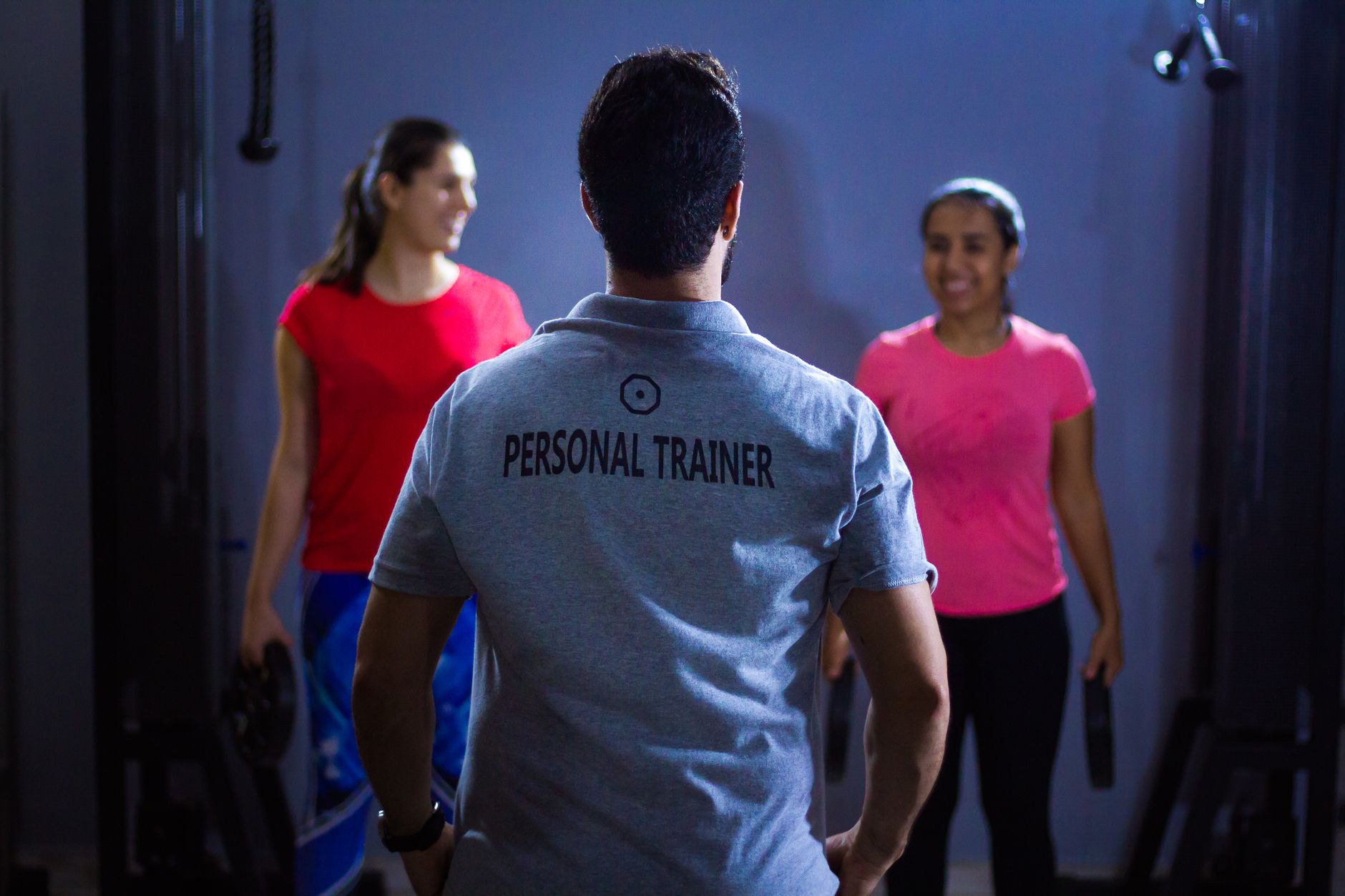
The Precision of Progressive Overload
Generic programs are for beginners; elite programming is a science of individual threshold management. Your ability to manipulate volume, intensity, and frequency is the core of progressive overload, yet it must be applied with clinical precision. Great coaches know exactly when to push and when to throttle back to prevent CNS burnout.
Track your data meticulously. Without documentation, you are just guessing. Elite coaches use robust tracking systems to ensure the client is consistently breaking plateaus without risking injury or overtraining syndromes.
Integrating Nutritional Nuance
Training is only half the battle. A truly elite trainer understands the foundational role of fuel. You must be able to guide your clients through a comprehensive protein intake guide, ensuring their metabolic capacity matches their training demands. Great coaching includes recognizing when external stressors like poor sleep are hindering performance, necessitating a discussion on sleep optimization.
- Assess dietary preferences
- Monitor macros without creating obsession
- Educate on hydration and recovery
3. The Art of the Assessment
Movement Quality as a Metric
Never start a program without a deep dive into movement patterns. A good trainer sees a squat; a great coach sees tight ankles, inhibited glutes, and thoracic immobility. High-level fitness coaching begins with a biomechanical assessment that guides the entire program design. This is how you prevent injury before it even occurs.
If you identify a deficiency, do not just hope it fixes itself. Implement targeted mobility work and corrective exercises that integrate seamlessly into the warm-up phase of the workout.
Continuous Feedback Loops
Assessment isn't a one-time event; it is a continuous loop. Check in before, during, and after every session. How is the client feeling today? Did that previous session cause undue fatigue? Great coaches maintain a dynamic feedback loop that ensures the client feels heard, understood, and safe under the load.
4. Business Growth and Professional Integrity
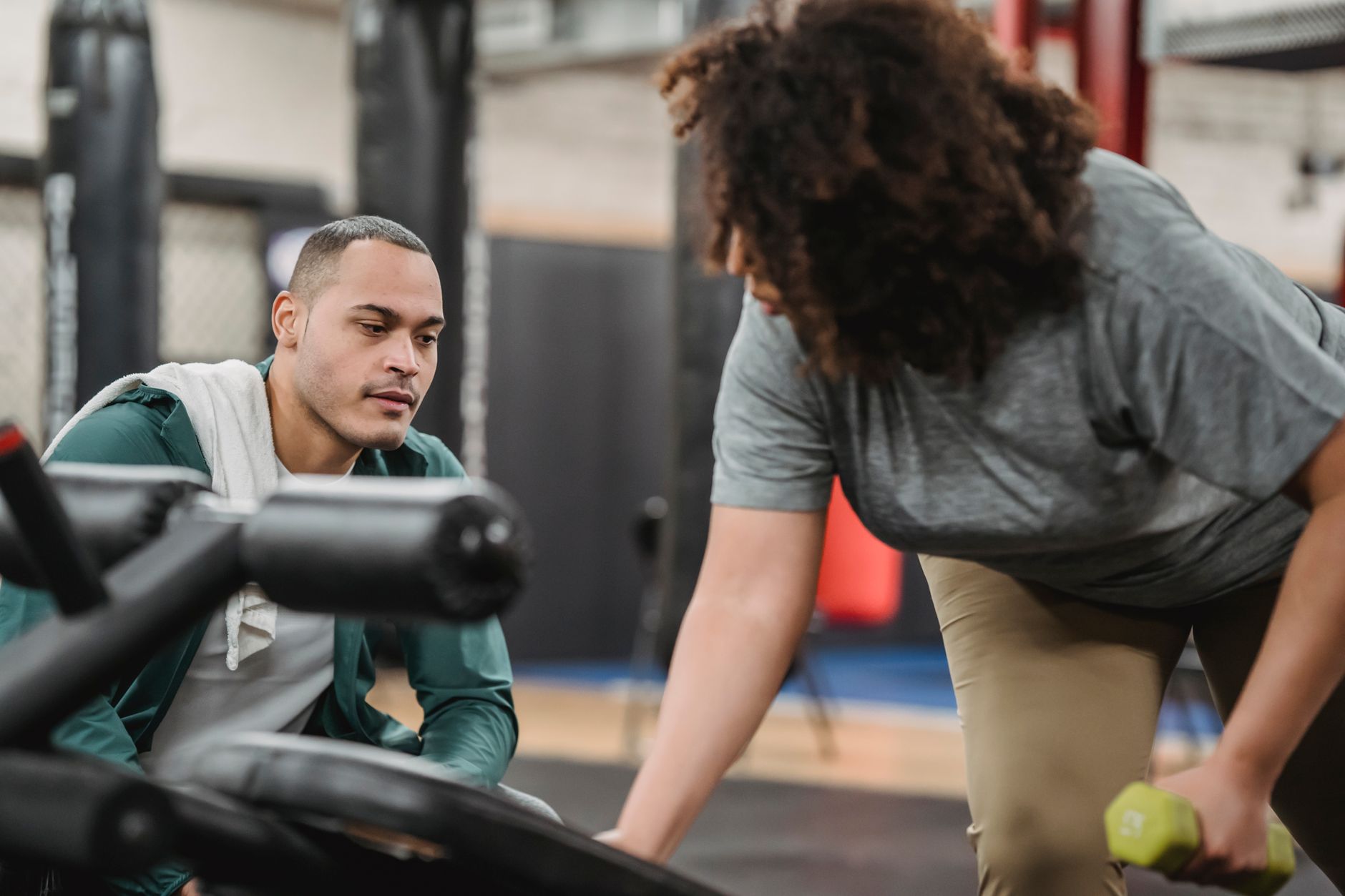
Cultivating a High-End Brand
Elite coaching is a professional service, and your business practices must reflect that. Whether you are providing personal training San Diego or remote coaching globally, your professionalism is your brand. This includes clear communication, reliable scheduling, and professional boundaries that keep the coach-client relationship respectful and focused.
Investing in Constant Education
The industry moves fast. Those who stop learning start falling behind. Dedicate time every week to reading research papers, attending workshops, or consulting with mentors. A great coach is, above all else, a student. For personalized growth, you can reach out to our team for mentorship opportunities.
5. Frequently Asked Questions
How long does it take to become an elite coach?
Becoming an elite coach is a lifelong journey. While foundational certifications take months, true expertise—the kind that comes from thousands of hours of client interaction and continuous education—takes years. There is no shortcut, only consistent effort and refined observation.
How do I handle a difficult client?
Difficult clients are often just misaligned clients. Revisit their goals, communicate clearly about the program logic, and ensure your expectations are aligned. Sometimes, patience and radical empathy are the exact tools required to turn a challenging relationship into a breakthrough.
Why is nutrition coaching essential for personal trainers?
Because you cannot out-train a poor diet. Elite coaching encompasses the whole human. By providing fundamental nutritional guidance, you significantly increase the ROI of the time spent in the gym, leading to faster results and higher client retention.
Conclusion: Your Next Steps
Transitioning from a good trainer to an elite coach is a transformative process that combines technical mastery with human connection. By focusing on individualized programming, psychological insight, and professional integrity, you can provide unparalleled value to your clients. Remember that your growth is directly proportional to the depth of your commitment to excellence. For those ready to take their career to the next level or seeking to learn more about our high-standard methodologies, visit our contact page to start a conversation today. Your future as a leader in the fitness industry begins with the decisions you make in your next session. Elevate your practice, refine your science, and never stop pursuing greatness.