

The Evolution of the Modern Personal Trainer
The fitness industry is saturated with individuals who can count reps and spot a bench press. However, true impact in the world of human performance requires something far deeper than surface-level exercise prescription. To transition from a good trainer to a master coach, one must bridge the gap between biological science and behavioral psychology. This article explores the nuanced layers of elite coaching and what it takes to thrive in a competitive market like personal training San Diego.
Becoming an elite professional is not just about certification credentials; it is about the synthesis of empathy, clinical precision, and business acumen. Whether you are seeking personal trainer tips to improve your retention or looking to specialize in high-level athletic development, the path forward requires a dedication to lifelong learning. In this comprehensive guide, we dissect the attributes that define the top 1% of the fitness industry.
1. The Science of Programming and Periodization


Applying Evidence-Based Protocols
The hallmark of a great trainer is their ability to interpret and apply exercise science, not just follow trending fads. Elite coaches utilize progressive overload as the foundational pillar of every program, ensuring that clients are not just working hard, but working smart. By understanding how to manipulate volume, intensity, and frequency, coaches can elicit specific physiological adaptations.
Understanding the difference between training for hypertrophy, strength, or power requires a deep dive into exercise physiology. A trainer who understands the mechanics of metabolic stress and mechanical tension will always outperform one who relies on hit-or-miss programming. For those ready to take their health to the professional level, explore our specialized training services today.
Data-Driven Progression
Measurement is the key to accountability. Great trainers track every set and rep, creating a feedback loop that validates their programming efficacy. When you integrate consistent data tracking, you can objectively demonstrate progress to your client, which builds immense trust. If you are struggling with client consistency, consider reviewing your approach to sleep optimization and lifestyle recovery metrics.
2. Mastering the Psychology of Human Behavior
Building Rapport and Trust
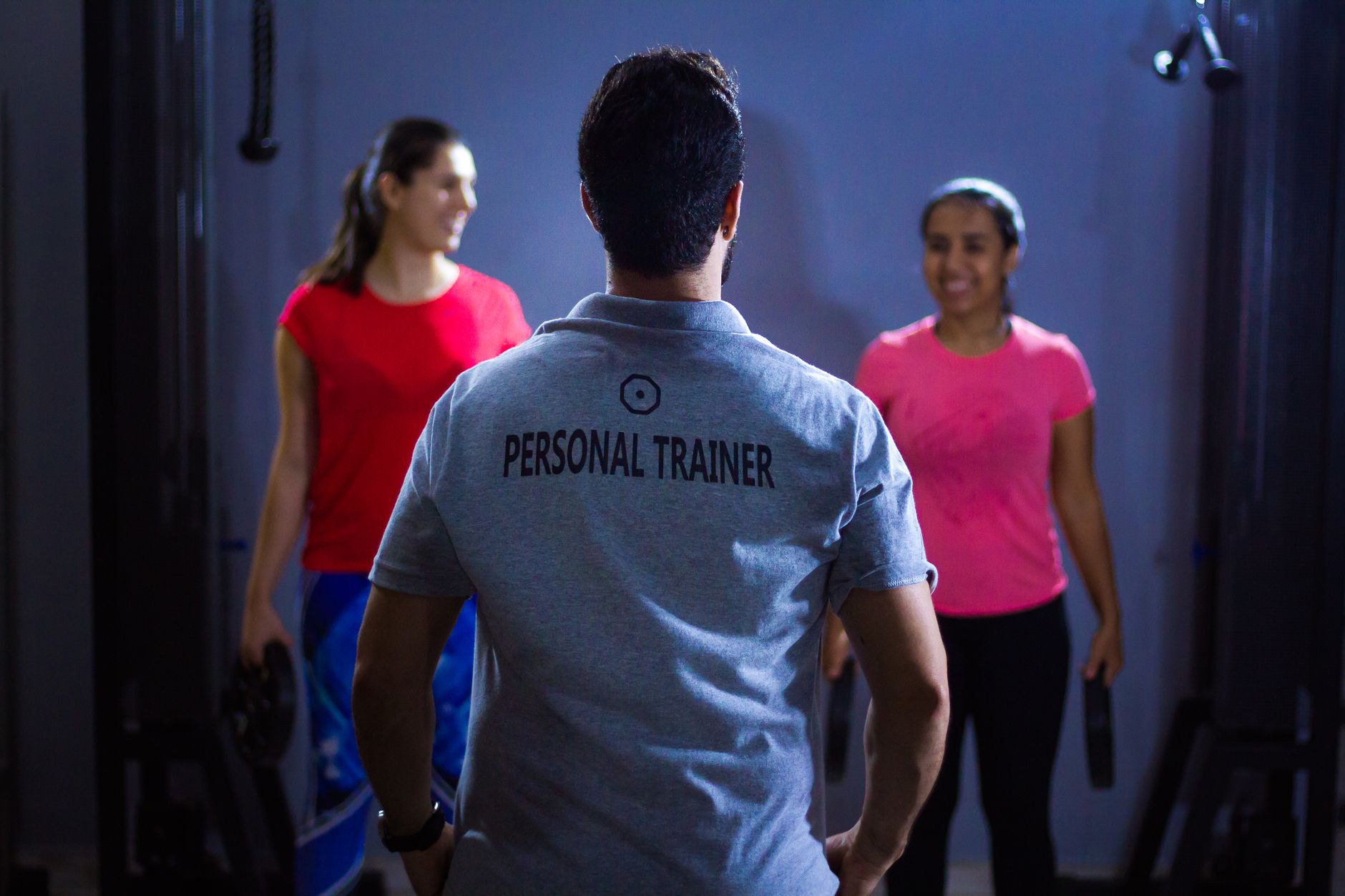
You can provide the perfect workout, but if your client does not feel heard, your retention rate will suffer. Fitness coaching is ultimately a business of influence. When a client walks through the door, your job is to identify their "why"—the intrinsic motivation that keeps them coming back when the novelty of exercise wears off.
Elite coaches are masters of active listening. By paying attention to what a client says—and what they don't say—you can adjust your coaching style to fit their emotional needs. High-quality personal training isn't just about the weights; it’s about the transformation of the individual's lifestyle, including their protein intake guide and nutritional habits.
Overcoming Behavioral Barriers
Resistance is a natural part of any lifestyle change. A great coach anticipates plateaus and develops strategies to help the client break through them. Whether it is a lack of time, stress, or self-doubt, the coach acts as the architect of a solution-oriented mindset. You can learn more about how we facilitate this transformation at our personal training portal.
3. The Art of Professional Communication
Clarity in Cueing
How you communicate movement determines how well a client performs it. The best trainers use simple, actionable cues to correct form without overloading the client with technical jargon. Instead of explaining the anatomy of the latissimus dorsi during a pull-down, a great coach might simply say, "pull your elbows into your back pockets."
- Use external cues to improve movement quality immediately.
- Keep instructions short and punchy during high-intensity bouts.
- Use visual demonstrations to reinforce your verbal cues.
Setting Boundaries and Expectations
Professionalism is defined by how you handle the business side of the relationship. Establishing clear boundaries regarding scheduling, communication outside of sessions, and payment policies is critical for long-term sustainability. Respecting your own time makes you more valuable to your clients.
4. Developing a Specialized Niche
The Power of Specialization
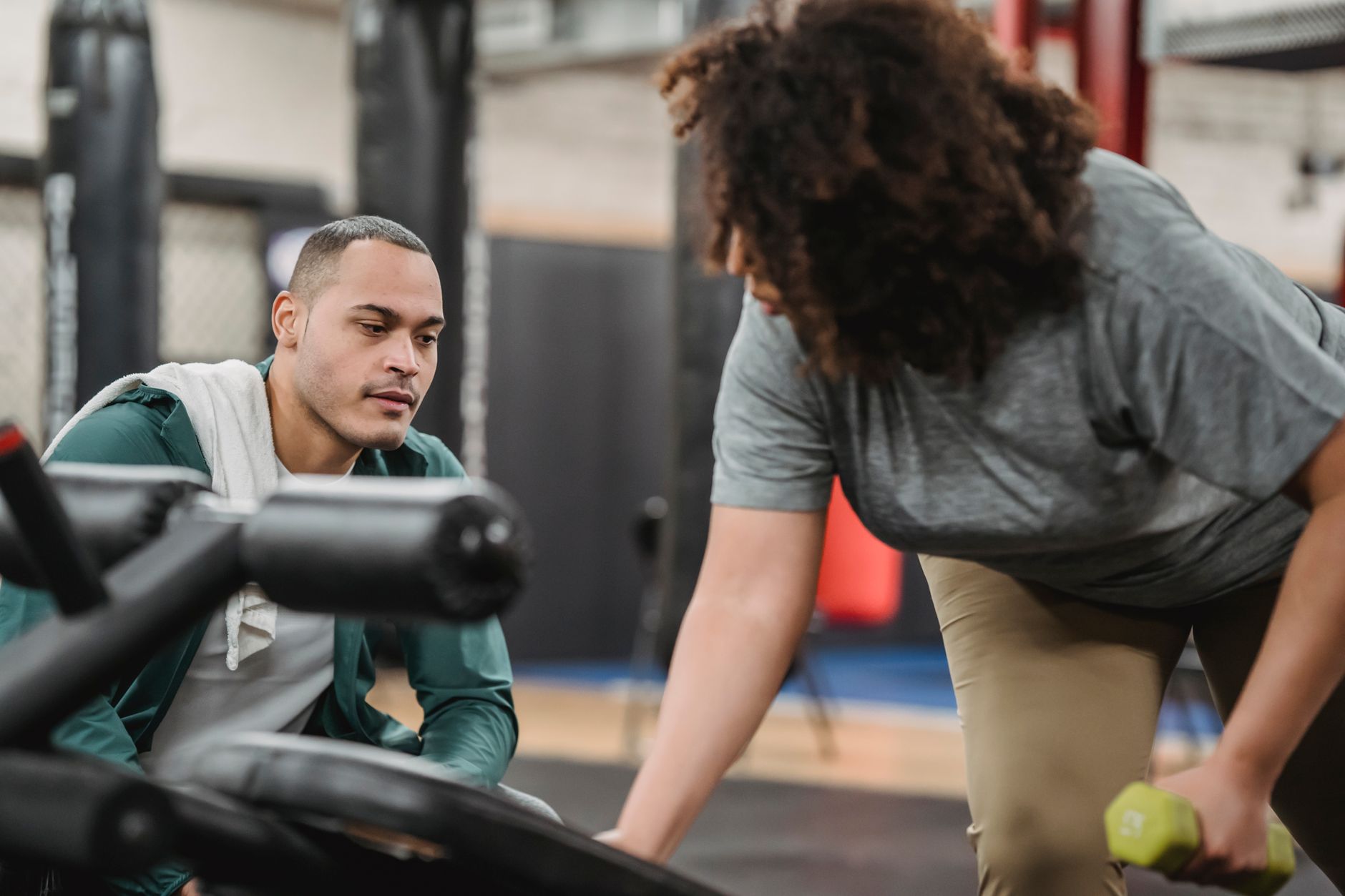
In the landscape of personal training San Diego, being a generalist can make it difficult to stand out. Great coaches eventually find a niche that resonates with their personal strengths and passions. Whether it is post-rehab training, athletic performance, or prenatal fitness, specialization allows you to become the go-to authority in your field.
Specialization also aids in professional development. When you focus on a specific demographic, you can dive deeper into the relevant science and become an expert in that domain. This level of dedication usually results in higher client success rates and increased referrals.
Networking and Community
Even if you have a niche, you are part of a broader professional ecosystem. Networking with physical therapists, nutritionists, and massage therapists ensures that your client gets a holistic approach. An elite coach knows when to refer out, ensuring that the client receives the best care possible.
5. Recovery and Long-Term Longevity
Prioritizing Active Recovery
Training hard is only one half of the equation; recovery is the other. Great trainers teach their clients the value of active recovery to prevent burnout and injury. Without recovery, performance declines and health risks increase. Always ensure your programming includes deload weeks and mobility work.
Sustainable Lifestyle Integration
Fitness is a lifelong pursuit, not a 12-week challenge. Elite coaches teach clients how to manage their stress, hydration, and social situations so they can maintain their results for years. This focus on sustainability is what separates the temporary transformation from a permanent lifestyle shift.
Frequently Asked Questions
How long does it take to become an elite coach?
Elite status is a journey, not a destination. It typically requires years of hands-on experience, continuous education, and a commitment to refining one's soft skills alongside technical knowledge.
Is a degree required to be an elite coach?
While formal education in exercise science is helpful, many elite coaches come from diverse backgrounds. The most important factors are your ability to deliver results, your commitment to science, and your interpersonal skills.
How do I differentiate myself in a competitive market?
Focus on your specialty, deliver measurable results through data tracking, and cultivate an exceptional client experience. Authenticity and consistency are the fastest ways to build a reputable brand.
Conclusion
The journey to becoming an elite coach is defined by an unwavering commitment to the growth of your clients and the refinement of your own craft. By mastering exercise science, human psychology, and professional communication, you can transition from simply being a trainer to becoming a true performance coach. Remember, the best coaches never stop learning. If you are ready to take your training to the next level or looking for world-class coaching, reach out to our team via our contact page to discuss how we can help you achieve your goals.