

The Anatomy of Exceptional Fitness Coaching
The fitness industry is saturated with professionals who can count reps and provide generic meal plans, but the gap between a standard trainer and an industry leader is vast. To achieve truly elite coaching results, one must move beyond the basics of exercise selection. It is about understanding the intersection of human psychology, biomechanics, and long-term behavioral change. At ElitePTS, we believe that coaching is an art form rooted in rigorous science.
Great trainers are not just clock-watchers; they are masters of nuance. Whether you are seeking personal training San Diego residents trust or looking to elevate your own coaching career, understanding the difference is paramount. This article explores the core competencies—ranging from sophisticated periodization to deep empathy—that delineate those who merely facilitate movement from those who transform human potential.
The Science of Programming: Beyond Generic Sets


Good trainers follow templates; great coaches design bespoke roadmaps. Understanding the application of progressive overload is the baseline, but the mastery of periodization for diverse physiological needs is what defines an elite professional. It is about balancing intensity, volume, and recovery to ensure the client stays in the sweet spot of adaptation.
Macro-Cycling and Long-Term Adaptation
Elite coaches look at the horizon, not just the next workout. By implementing macro-cycles, trainers can align physiological adaptations with a client's specific lifestyle demands. This involves manipulating stressors systematically, ensuring that performance plateaus are addressed before they even manifest.
The Role of Biomechanical Individualization
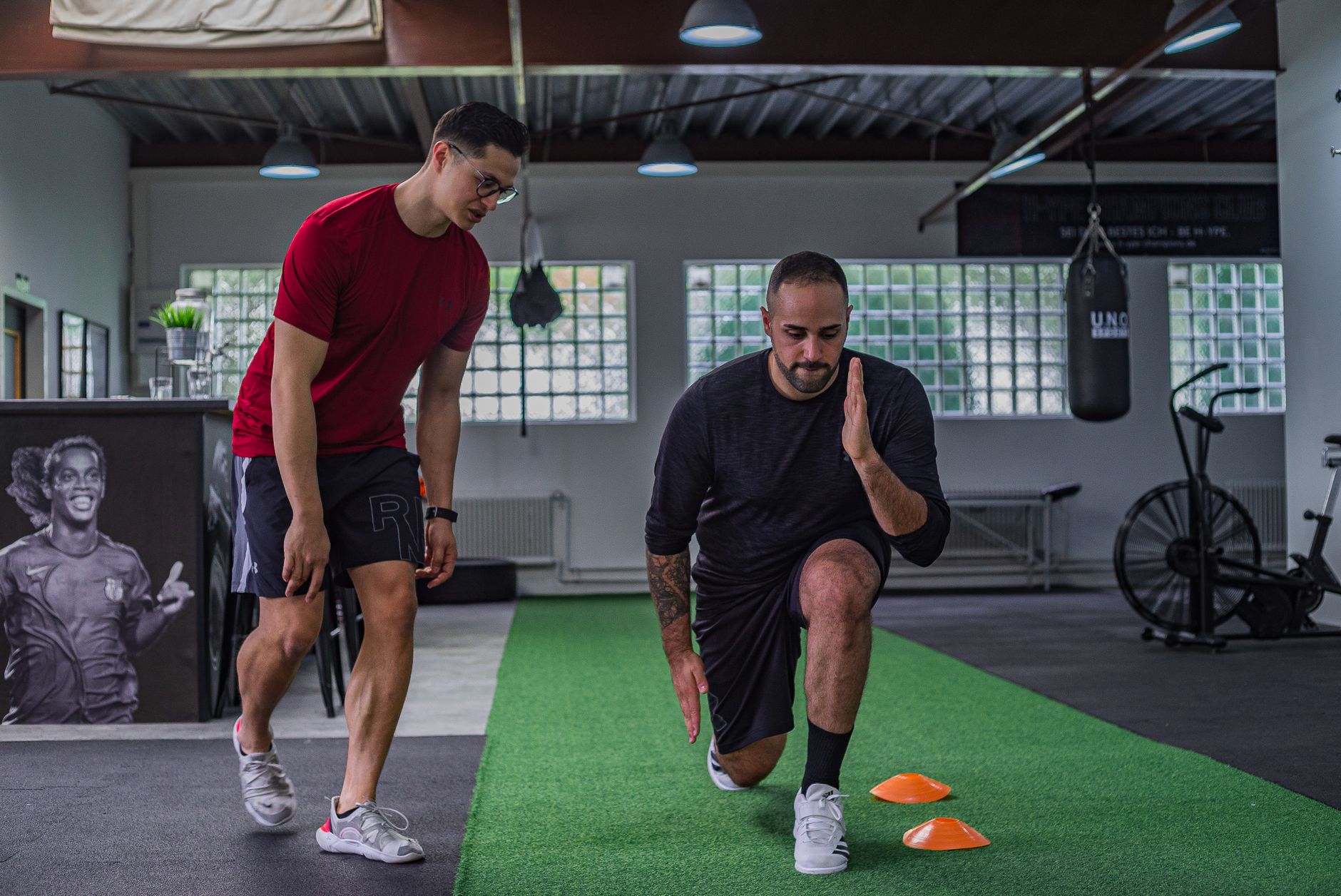
No two human skeletons are identical. A truly great coach understands that a textbook squat is not a perfect squat for everyone. By performing detailed movement screenings and respecting anatomical constraints, coaches can prevent injury and optimize muscle recruitment patterns for every individual.
The Psychology of Behavior Change
If exercise were simply about knowledge, everyone would be in perfect shape. The reality is that fitness coaching is 80% psychology. Great trainers excel at motivational interviewing, helping clients identify their intrinsic 'why' rather than relying solely on external vanity-based goals.
Building Lasting Habits
True change requires shifting a client’s identity. Elite coaches utilize cognitive behavioral frameworks to replace negative associations with movement. Whether it is improving protein intake guidelines or establishing daily movement triggers, consistency is built on sustainable systems.
Managing the Client-Coach Dynamic
The relationship between trainer and client is a two-way street of trust. A great coach knows when to push, when to listen, and when to pivot. This level of emotional intelligence ensures that clients feel empowered rather than belittled, which is the cornerstone of high retention.
Optimization Beyond the Gym Floor
Fitness doesn't stop when the session ends. A superior coach focuses on the 'other 23 hours' of the day, guiding clients through the intricacies of sleep optimization and nutritional periodization. This holistic approach is what separates the average from the elite.
The Impact of Recovery Science
Without adequate recovery, the stimulus provided in the gym is useless. Coaches must educate clients on the biological necessity of active recovery to manage systemic inflammation and cortisol levels effectively.
Integrating Lifestyle Management
Elite coaching requires managing the client's stress buckets. Whether it is professional pressure or home life, a great coach helps clients adjust their training volume in real-time to avoid burnout and keep them consistent over the long haul.
Frequently Asked Questions
How does elite coaching differ from standard personal training?
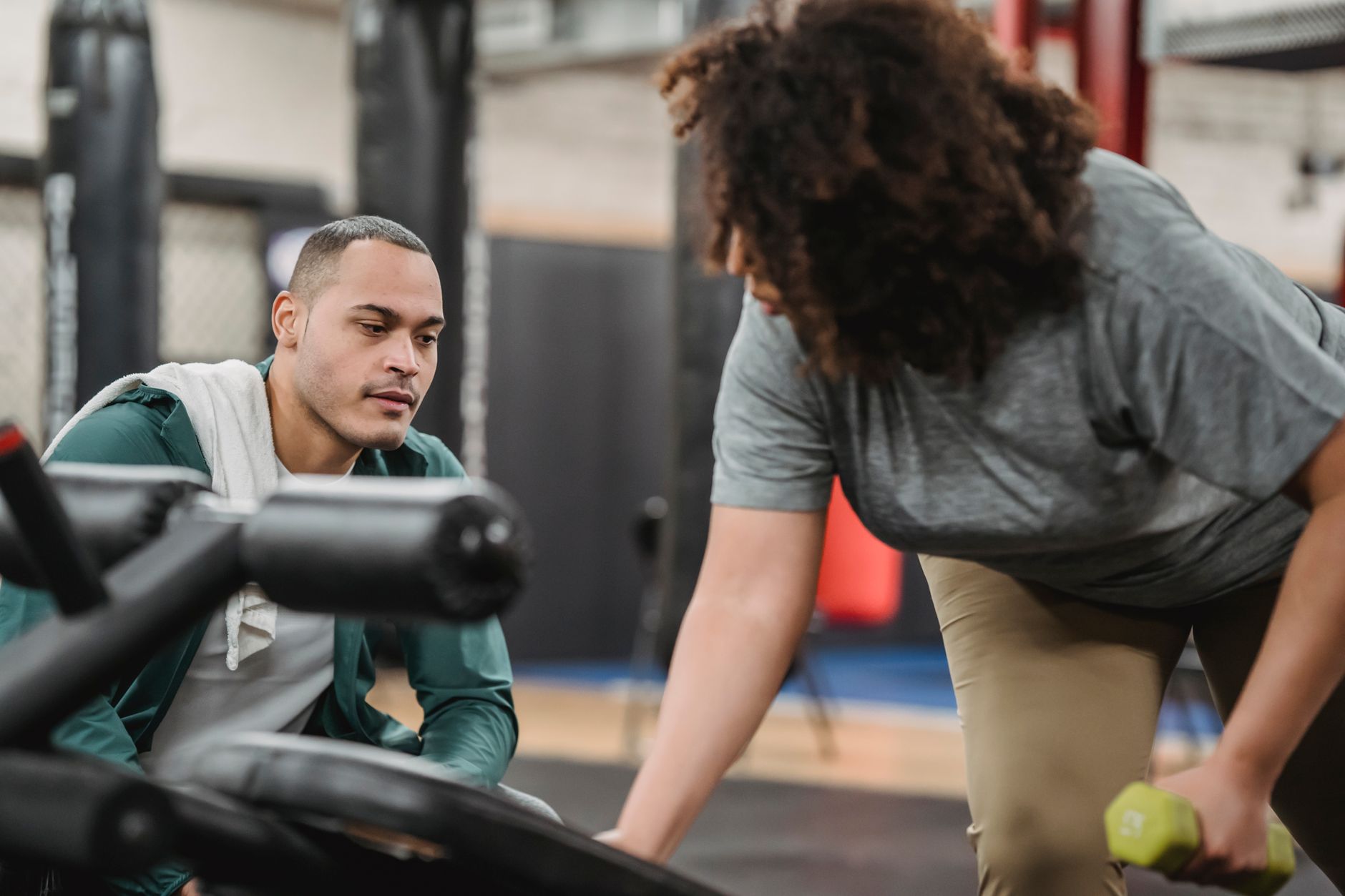
Standard training often relies on pre-made apps or cookie-cutter routines. Elite coaching is highly individualized, evidence-based, and focused on behavioral psychology to ensure sustainable results that persist outside of the supervised session.
Why is movement quality more important than weight?
Weight is a metric of ego; movement quality is a metric of longevity. High-level coaches prioritize proper range of motion and joint health to prevent chronic injury, which is the primary cause of fitness failure.
Can I learn elite coaching skills on my own?
While self-study is valuable, mentorship and practical application are essential. Great coaches constantly seek feedback, attend advanced certifications, and critically analyze their own coaching efficacy daily.
Conclusion: The Path to Excellence
Becoming an elite trainer is a journey of continuous improvement, scientific inquiry, and genuine human connection. By mastering the mechanics of programming, the psychology of change, and the nuances of recovery, you elevate yourself from a service provider to a life-changing expert. Whether you are looking to advance your own fitness or join a team of professionals who set the standard in the industry, the key is always to lead with empathy and evidence. Are you ready to take your training to the next level? Visit our contact page to learn more about our coaching philosophy and how we can help you achieve your goals.