

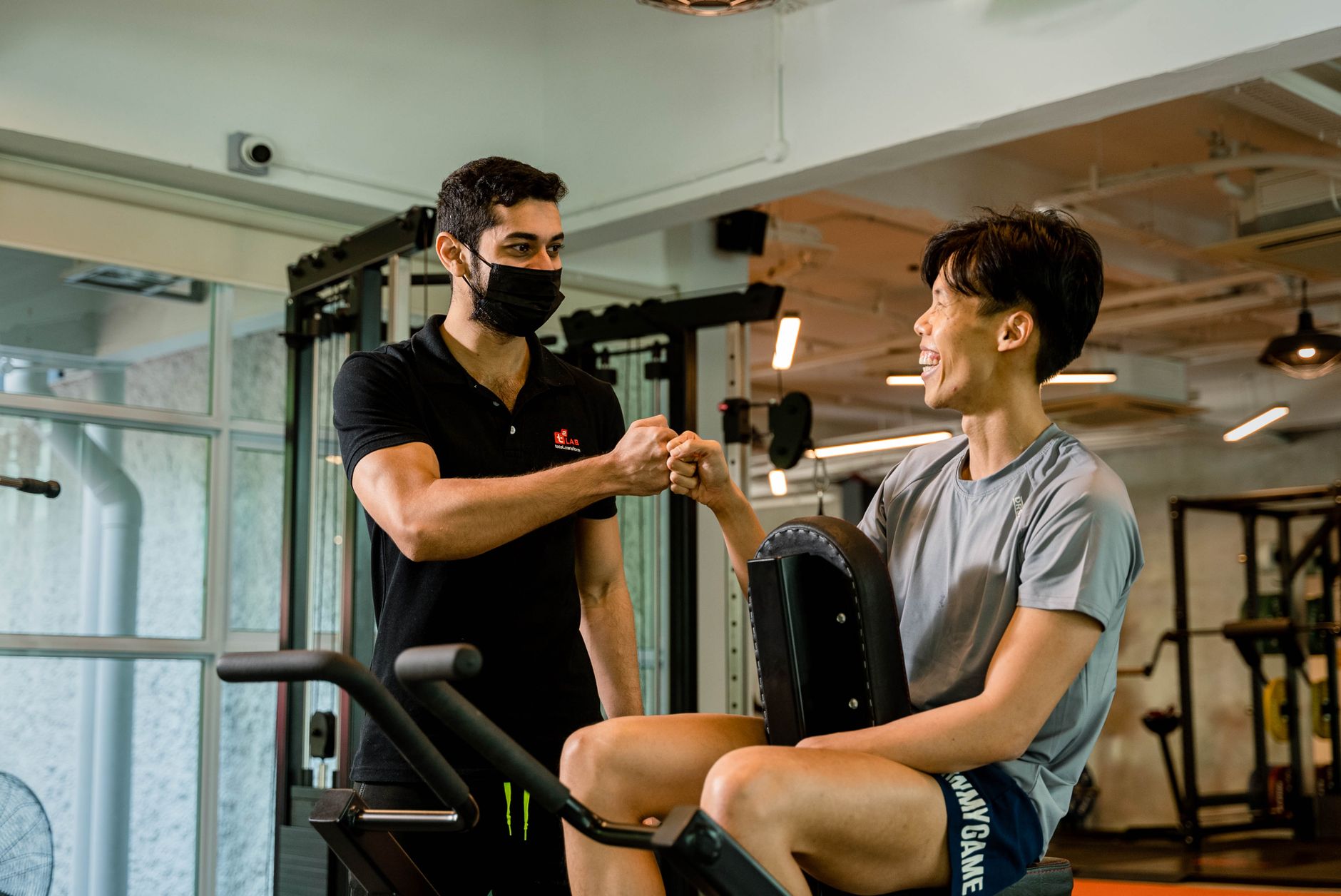
The Path to Mastery in Fitness Coaching
In the bustling world of modern fitness, the difference between a trainer who just tracks sets and one who transforms lives is profound. Elite coaching is not merely about certification or counting reps; it is an art form rooted in human psychology, biomechanics, and relentless empathy.
Becoming a truly transformative professional requires moving beyond basic physiological knowledge. Whether you are providing personal training San Diego clients or training remote athletes, the core principles remain constant. Great trainers possess a unique ability to bridge the gap between scientific programming and behavioral change. By mastering this synthesis, you move from being a commodity trainer to an indispensable coach.
Defining the Elite Standard
What does it actually mean to provide elite coaching? It starts with the mindset of a lifelong learner. The fitness landscape shifts rapidly, and those who stop learning stop being effective. A great trainer views every client interaction as a data point, an opportunity to refine their delivery, and a chance to deepen the relationship.
The standard of excellence is set by consistency, transparency, and a client-first philosophy. If you are looking to refine your own practice, explore our professional coaching services to see how we maintain these standards daily.
The Science of Connection
Elite trainers understand that fitness coaching is 80% communication. You can write the perfect program, but if the client does not feel heard, understood, or empowered, the program will fail. High-level professionals utilize active listening and motivational interviewing to uncover the root of a client's hesitation.
Great trainers are also experts at managing expectations without crushing dreams. They build trust by being the anchor for their client during periods of stress, fatigue, or injury. This psychological partnership is what creates true longevity in the industry.
Mastering Program Design and Periodization
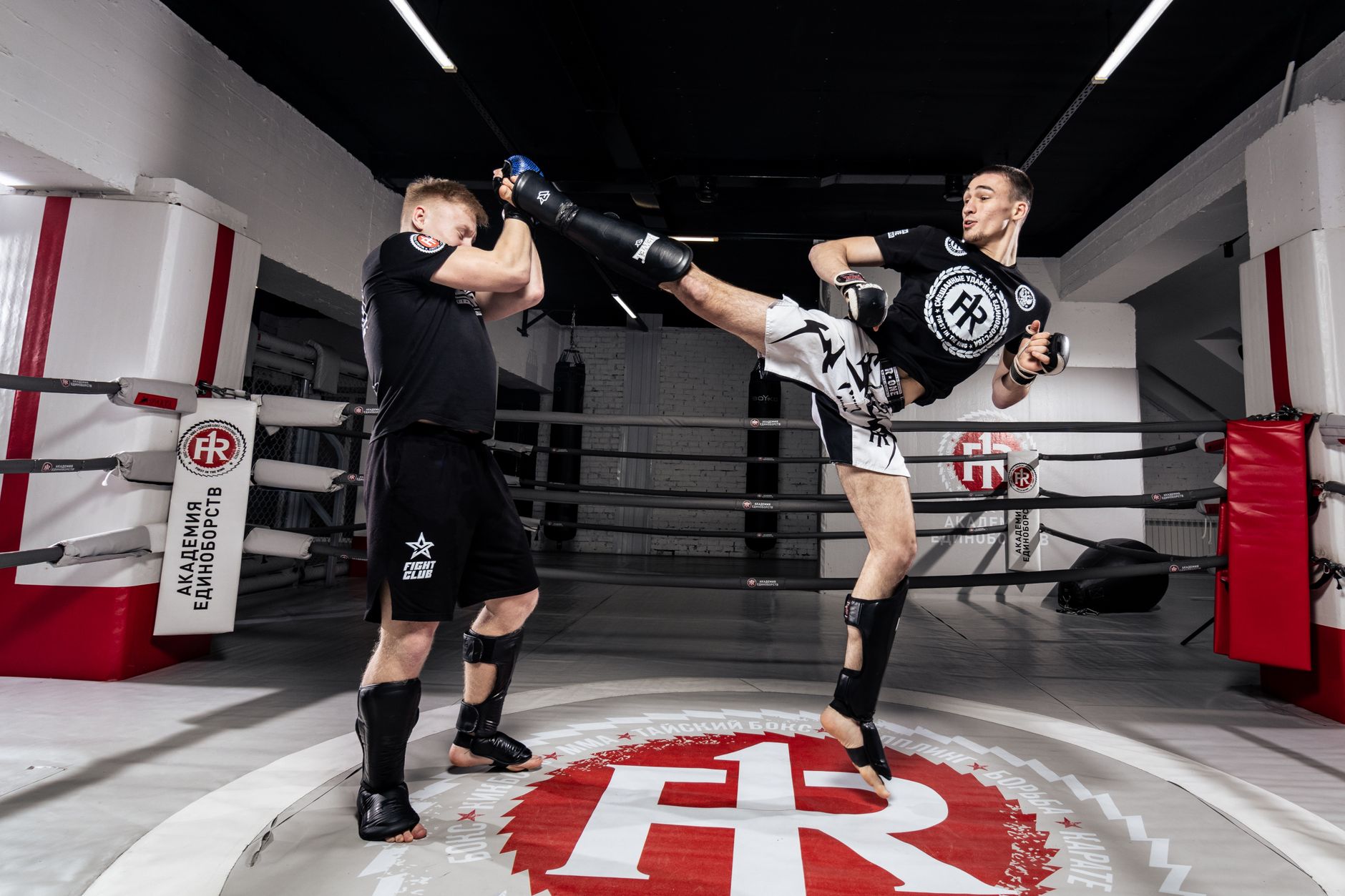

Beyond Linear Progression
While beginners might see results from random training, elite coaching demands intentional, structured periodization. Understanding progressive overload is the foundation, but great trainers understand the nuances of fatigue management and systemic recovery. They manipulate volume, intensity, and frequency to keep the client progressing without overtraining.
Great coaches know when to push and when to pull back. They track objective data points like bar speed, heart rate variability (HRV), and RPE to make informed decisions rather than relying on guesswork. By applying these metrics, they ensure that every session is moving the needle toward the client’s long-term goals.
The Role of Nutrition Integration
A trainer who ignores nutrition is only doing half the job. Elite coaches provide actionable guidance on protein intake guide best practices, hydration, and meal timing. They don't just hand out generic meal plans; they educate their clients on how to create a sustainable lifestyle that supports their training.
This holistic approach is vital for body composition goals and performance optimization. When a coach can explain the why behind a nutritional intervention, the client’s adherence rates skyrocket. You can visit our personal training portal to learn more about how we integrate nutrition into our coaching framework.
Advanced Client Retention Strategies
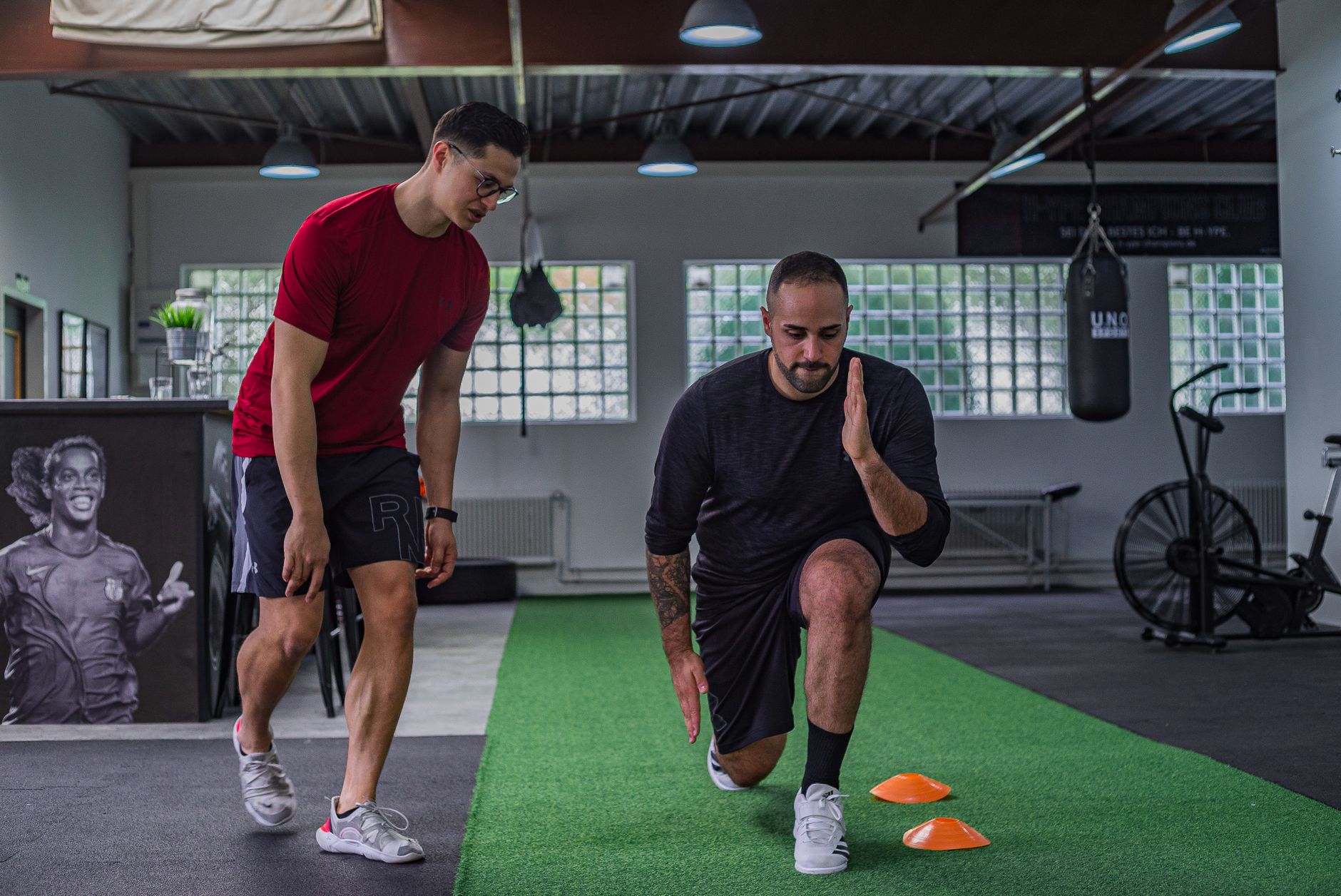
Building a Culture of Accountability
Retention is the hallmark of a successful career. Great trainers do not view themselves as hired help, but as consultants in their clients' success. They implement robust systems for accountability that make it easy for the client to stay on track even on the days they don't want to show up.
This involves consistent check-ins, celebrating small wins, and addressing roadblocks before they become habits. Elite trainers know that by providing consistent value, they become an essential part of the client's week, ensuring long-term loyalty and professional growth.
The Art of Personalized Communication
Not every client responds to the same coaching style. Some need a drill sergeant, while others require a gentle coach and collaborator. Developing the self-awareness to adapt your style is one of the most critical personal trainer tips for success.
- Use digital tools to track consistency.
- Provide feedback via video for form corrections.
- Offer support for sleep optimization and lifestyle habits.
- Foster a community feel among your training cohort.
Mastering the Environment
Creating an Elite Coaching Space
Whether you operate in a high-end studio or a garage gym, your environment influences the quality of your coaching. A clean, organized, and focused space allows you to give your full attention to the client's movement patterns and mental state.
Great coaches curate the gym experience to maximize the client’s focus. By removing distractions and ensuring the necessary equipment is ready, you demonstrate professionalism and respect for the client's time. This attention to detail is a subtle but powerful signal of high-level service.
Managing Recovery and Longevity
Elite trainers prioritize active recovery as much as they do the actual lift. They teach clients that rest days are not 'off' days, but 'recovery' days. By integrating mobility work and de-load weeks into their programs, they ensure their clients remain injury-free for years to come.
When you teach a client to respect the recovery process, you are teaching them how to maintain a body that performs at its peak. This foresight is what separates the long-term career coach from the trainer who burns out clients in three months.
FAQ: Answering the Toughest Coaching Questions
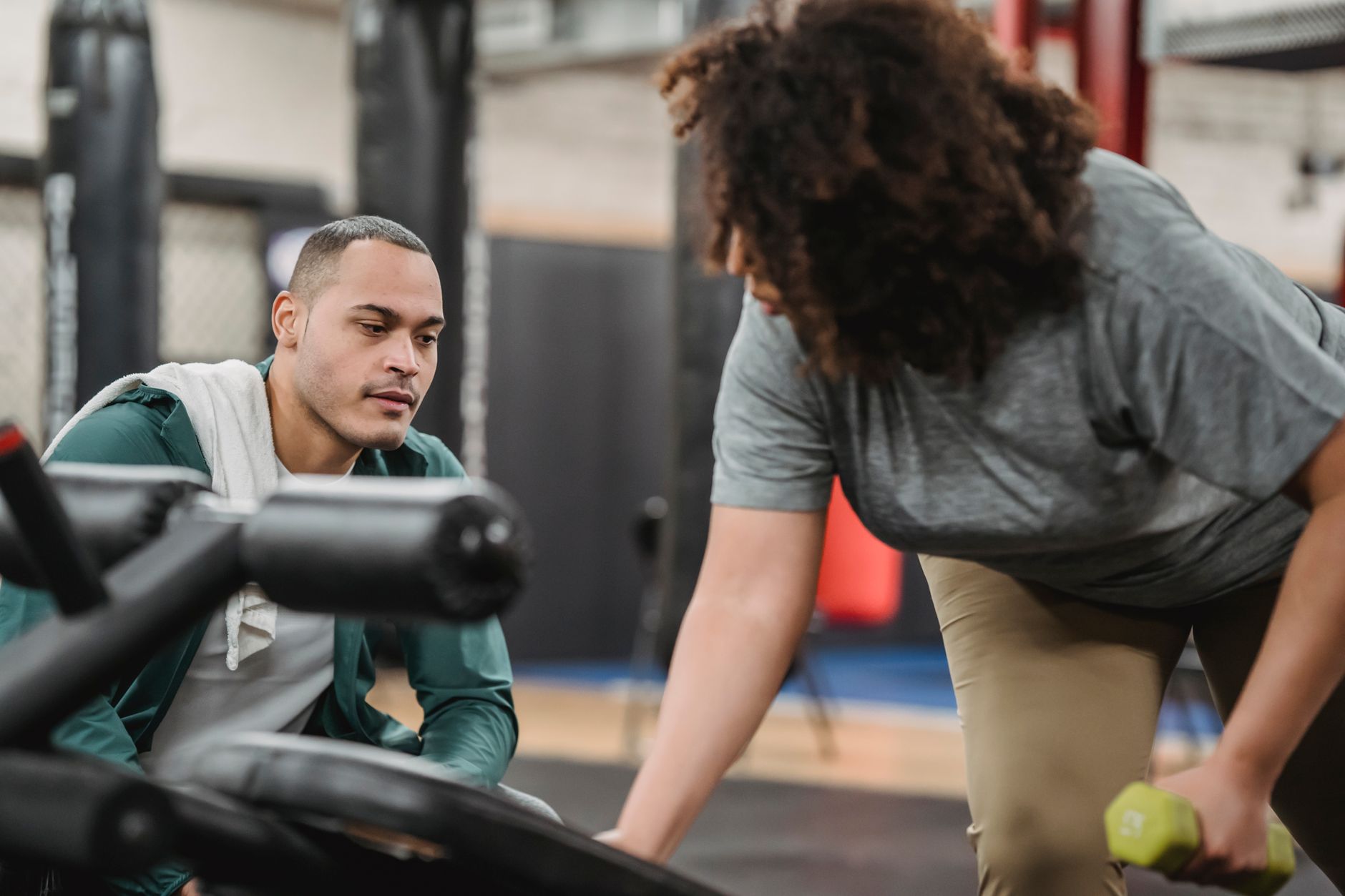
How long does it take to become an elite coach?
Mastery is a journey, not a destination. It typically takes years of dedicated practice, continuing education, and thousands of hours on the floor to refine your intuition and coaching eye.
What is the biggest mistake new trainers make?
The biggest mistake is overcomplicating programming while ignoring the human element. You must learn to simplify complex concepts and build a genuine, trusting relationship with the client first.
How do I differentiate my services in a saturated market?
Specialization is key. By focusing on a specific niche—whether that is postpartum fitness, athletic performance, or post-rehab training—you can position yourself as an authority rather than a generalist.
Conclusion: Taking the Next Step
Transitioning from a good trainer to a great one is a rewarding pursuit that requires dedication, empathy, and a rigorous commitment to evidence-based practice. By prioritizing the client’s holistic health, mastering the nuance of programming, and refining your communication, you can build a sustainable and impactful career. If you are ready to take your training to the next level or looking for a team that embodies these elite standards, reach out to us today. Contact our team at ElitePTS to discuss how we can support your growth or help you achieve your fitness goals.