



Understanding First Step Quickness
First step quickness is crucial for athletes looking to gain an immediate advantage in sports. This ability, defined as the rapidity with which an athlete can initiate movement, is a key determinant of overall performance in various sports, such as basketball, football, and soccer. Key components include reaction time, acceleration, and agility.
Studies have shown that athletes with superior first step quickness can reduce their reaction time by as much as 20%, significantly impacting their competitive edge.
The Science Behind Speed Off the Mark

Speed off the mark involves multiple aspects of athletic training, including muscular strength, neurological factors, and biomechanical efficiency. Let's delve deeper into the key components:
1. Neurological Adaptations
The connection between the brain and muscles is fundamental in achieving swift movement. Athletes can enhance their reaction time by training their nervous system:
- Motor Unit Recruitment: Training can improve the synchronization of motor units, allowing for faster force production.
- Proprioception: Enhancing body awareness leads to quicker adjustments during dynamic movements.
2. Muscular Strength and Power
Increased power output translates into improved first step quickness. Focus on explosive movements to develop this.
- Weight Lifting: Olympic lifts can enhance strength in a short range of motion.
- Plyometrics: Exercises like box jumps promote explosiveness.
Essential Drills for First Step Quickness

A variety of drills can effectively train first step quickness. Here are some essential ones:
1. Start Stop Drill
This drill improves acceleration and deceleration skills.
- Instructions: Use cones to mark points. Start at a cone, sprint to the next, and then stop suddenly.
- Focus: On explosive starts and quick stops.
2. Ladder Drills
Ladder drills enhance foot speed and coordination.
- Instructions: Use an agility ladder and incorporate various foot patterns (e.g., single-leg hops, side shuffles).
- Focus: Speed and precision.
Acceleration Training Techniques
Incorporating acceleration training into your regimen can yield substantial gains in first step quickness:
1. Sprints with Resistance
Adding resistance while sprinting can build strength for faster launches.
- Instructions: Use parachutes or resistance bands.
- Focus: Drive mechanics and overcome resistance.
2. Hill Sprints
Running uphill enhances force output and accelerative strength.
- Instructions: Find a hill with a moderate incline. Sprint up, recover, and repeat.
- Focus: Push off the ground explosively.
The Role of Flexibility and Mobility

While strength is vital, flexibility is equally essential. It ensures that muscles can contract and relax effectively:
1. Dynamic Stretching
Prior to workouts, dynamic stretching prepares muscles for explosive movement.
- Examples: Leg swings, walking lunges, and arm circles.
2. Static Stretching
Post-workout static stretching aids recovery and maintains range of motion.
- Emphasis: Target muscle groups involved in sprinting.
Measuring Your Progress
To know if your training is effective, regular assessment is necessary:
1. Timing Your Sprints
Use a stopwatch to measure how quickly you can sprint a defined distance (e.g., 10 meters).
- Consistency is Key: Test under the same conditions.
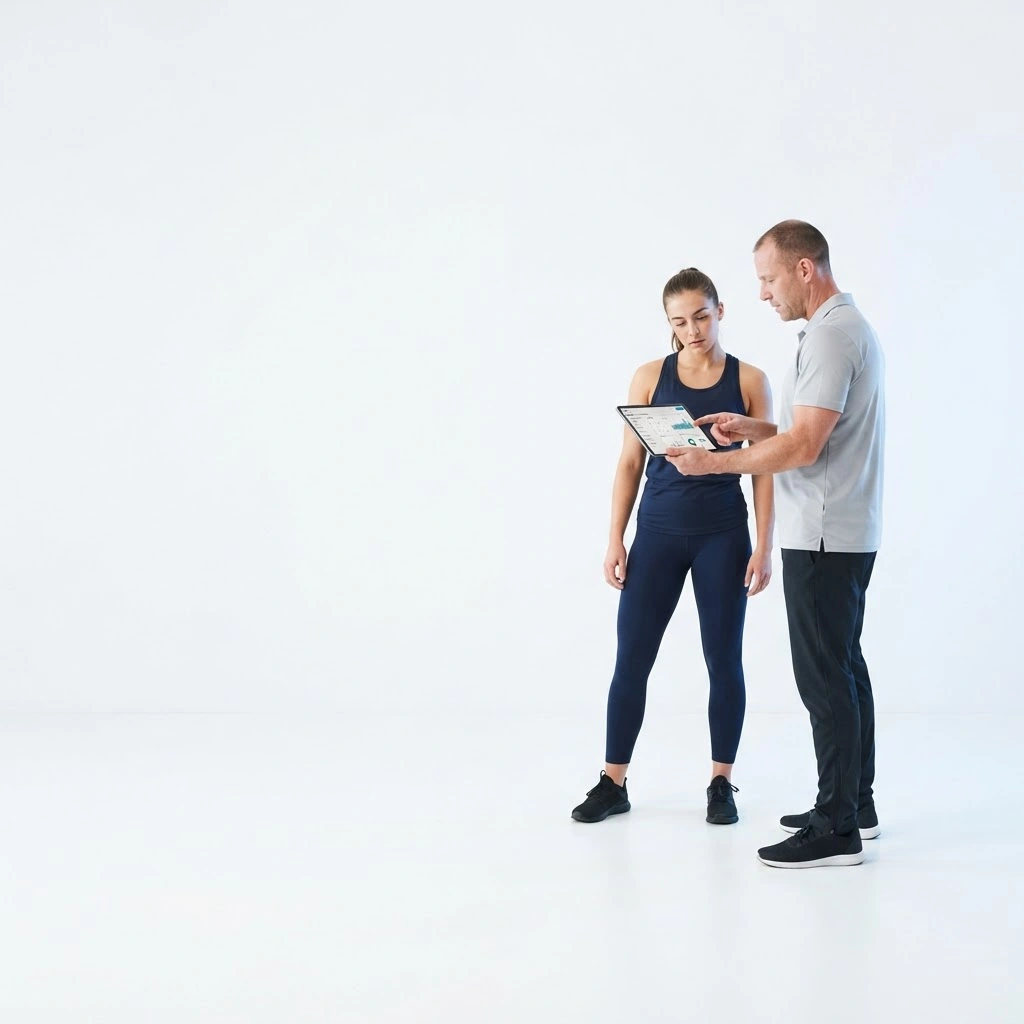
2. Use Technology
Consider using smart devices or apps for detailed analytics of sprints.
- Benefits: Get insights into reaction times and acceleration phases.
Nutrition's Role in Performance
No training regimen is complete without proper nutrition. Fuel your body appropriately to ensure high performance:
1. Pre-Workout Nutrition
Consume a balanced meal with carbohydrates and protein prior to workouts.
- Examples: Oatmeal with protein powder or a banana with almond butter.
2. Post-Workout Recovery
Post-exercise nutrition is critical for recovery and muscle synthesis.
- Examples: A protein shake or lean meat with vegetables.
FAQ: Common Questions on First Step Quickness
1. How long does it take to improve first step quickness?
The timeline varies, but with consistent training, significant improvements can be seen within 6-8 weeks.
2. Are certain sports more dependent on first step quickness?
Yes, sports like basketball, soccer, and football heavily rely on the ability to quickly initiate movement.
3. Can older athletes improve their first step quickness?
Absolutely! While the rate of improvement may differ, older athletes can still enhance their quickness through strategic training.
4. What is the best age to start speed training?
Youth athletes can benefit from speed training as early as age 12, focusing on form and movement patterns.
Conclusion
Improving your first step quickness can dramatically enhance your athletic performance. Implement these drills, techniques, and nutritional strategies to unlock your full potential. Join ElitePTS for personalized training programs tailored to maximize your speed off the mark and transform your athletic career!