


Introduction to Functional Movement Screen (FMS)
The world of fitness is constantly evolving, and staying ahead means understanding the tools available to assess and enhance performance. One such tool is the Functional Movement Screen (FMS). This method evaluates your body's movement patterns, helping identify muscular imbalances, weaknesses, or compensations that may hinder performance or increase the risk of injury.
Whether you're an athlete or a fitness enthusiast, understanding FMS can transform your workout approach, making it more efficient and tailored to your needs.
What is the Functional Movement Screen?

The FMS is a screening tool composed of seven fundamental movement patterns that are key to functional fitness. These patterns are:
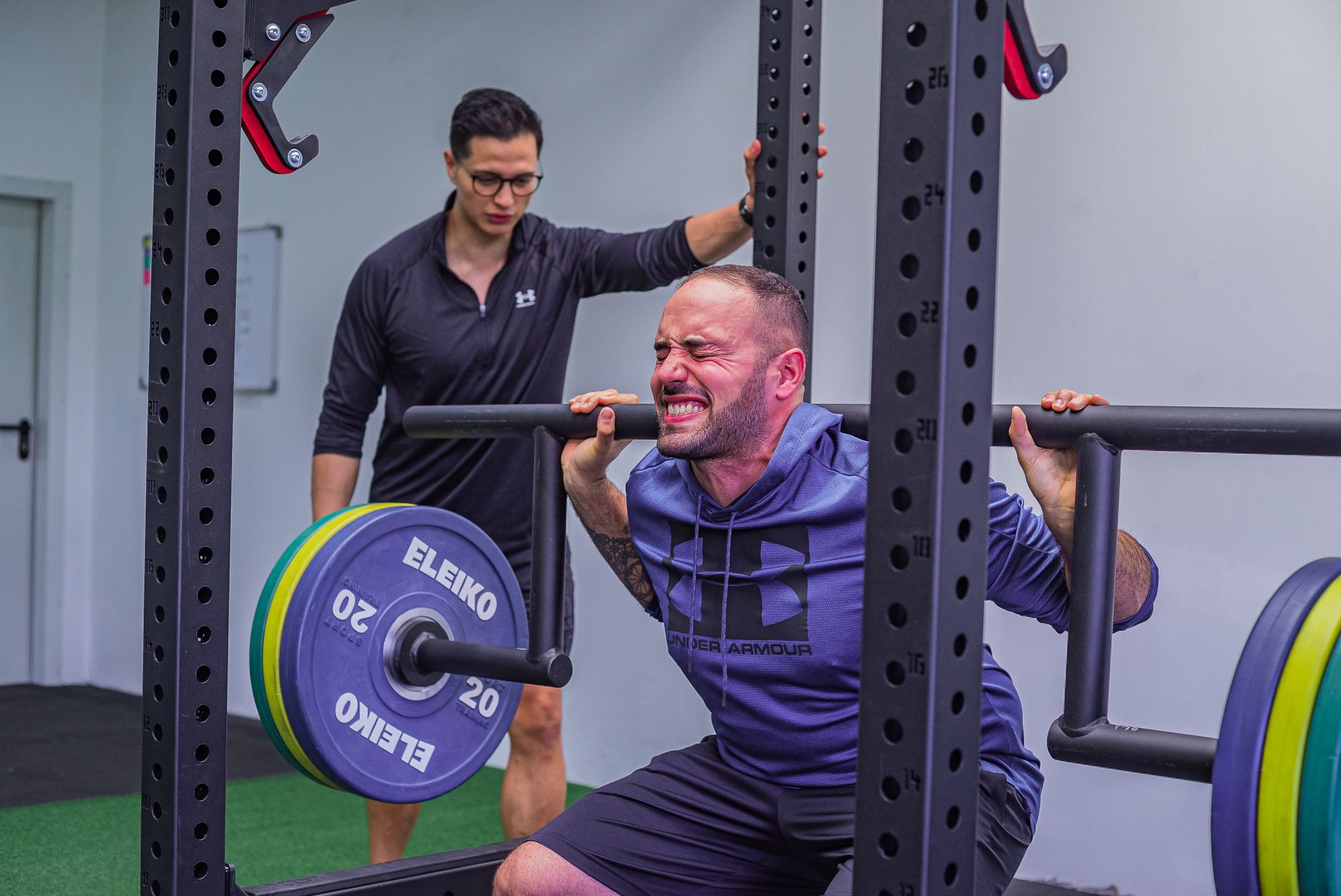
- Deep Squat
- Hurdle Step
- Inline Lunge
- Shoulder Mobility
- Active Straight Leg Raise
- Trunk Stability Push-Up
- Rotary Stability
Each pattern is scored, with a maximum score of 21 points. A lower score indicates the need for targeted training and potentially highlights risks for injury.
Components of the FMS
1. Movement Patterns: Each movement pattern assesses a different aspect of functional ability. For example, the deep squat evaluates flexibility and balance.
2. Scoring System: Scoring ranges from 0 to 3 for each test. Zero indicates pain during the movement, while a score of 3 indicates perfect execution.
3. Follow-up Recommendations: After assessment, tailored corrections and strategies are recommended based on individual results.
Why the FMS Matters for Athletes and Fitness Enthusiasts

Understanding the FMS offers several benefits that can greatly influence athletic performance and overall health:
- Injury Prevention: By identifying movement deficiencies, you can address them before they lead to injuries.
- Performance Enhancement: Tailoring fitness programs based on FMS data can optimize performance by improving movement efficiency.
- Personalized Training Programs: Coaches can create individualized training plans, enhancing your workout's effectiveness.
FMS for Injury Prevention
Injuries can be debilitating, especially for active individuals. Research shows that athletes with lower FMS scores are at a higher risk of injury. By addressing these deficiencies through targeted training, you can significantly reduce your chances of sustaining injuries.
FMS in Everyday Fitness
FMS isn't just for athletes. Regular fitness enthusiasts can benefit from this assessment by ensuring that their workouts do not compromise movement quality, promoting longevity in activity.
How to Conduct an FMS Assessment
Understanding the process behind the FMS can empower you to seek out or perform assessments effectively. The following steps outline the process:
Choosing a trained professional
1. Seek certified professionals who can administer the FMS and interpret results accurately.
Preparing for the assessment
2. Wear flexible clothing and be prepared to demonstrate basic movements.
Understanding the scoring process
3. Familiarize yourself with the scoring to understand your results better.
Incorporating FMS Results into Your Training Program

Once you've completed an FMS assessment, it's essential to use the results to shape your training:
- Identify Key Weaknesses: Pinpoint areas for improvement before they manifest as injuries.
- Modify Your Workouts: Create workouts that target weaknesses and enhance movement quality.
- Reassess Regularly: Schedule regular FMS assessments to track progress and adjust programming as needed.
Example Training Modifications
1. If you score low on the deep squat, integrate mobility exercises into your routine.
2. Utilize strength training to address imbalances identified in the inline lunge.
The Science Behind the FMS
Research confirms the efficacy of the FMS as a robust predictor of injury risk. A study published in the Journal of Athletic Training found that athletes scoring below a certain threshold on the FMS were significantly more likely to incur injuries throughout their season.
This data suggests that investing time in an FMS assessment is crucial for athletes at all levels to optimize performance and minimize injury.
Frequently Asked Questions
What should I expect during an FMS assessment?
You will perform a series of movements while being scored on flexibility, strength, and balance. It generally takes about 30 minutes.
How often should I undergo an FMS evaluation?
It’s recommended to perform an FMS at least annually, or more often if you increase training intensity or experience any injuries.
Can I do FMS by myself?
While you can perform self-assessments, it's best to have a trained professional to ensure accuracy and safety.
What if I score low on my FMS?
A low score indicates specific areas to improve. Working with a professional trainer, you can develop a personalized program to address these deficiencies.
Conclusion
The Functional Movement Screen is a game changer for optimizing your physical performance and minimizing injury risk. For fitness enthusiasts and athletes looking to elevate their training, understanding your body's movement is paramount. At ElitePTS, our certified professionals are ready to assist you in conducting your FMS assessment and developing a tailored approach to help you reach your fitness goals. Don't wait; enhance your movement quality today!