




Introduction: The Athlete's Challenge with Plantar Fasciitis
As an athlete, there's nothing more frustrating than being sidelined by foot pain running. Plantar fasciitis, a common injury among runners and other athletes, can significantly impact performance and training routines. Understanding its causes, treatments, and prevention strategies is crucial for maintaining peak athletic performance.
Understanding Plantar Fasciitis

Plantar fasciitis is characterized by inflammation of the plantar fascia, the thick band of tissue running across the bottom of your foot and connecting your heel bone to your toes. This condition often manifests as sharp heel pain, especially noticeable in the morning or after long periods of inactivity. The pain can be debilitating, making it essential to identify the underlying causes.
Common Causes of Plantar Fasciitis
- Overuse: Repetitive strain from running and jumping can lead to micro-tears in the plantar fascia.
- Biomechanical Issues: Flat feet, high arches, or improper walking patterns often contribute to pressure on the fascia.
- Improper Footwear: Shoes that lack arch support or cushioning can exacerbate foot pain.
Risk Factors for Athletes
While any athlete can suffer from plantar fasciitis, certain risk factors increase susceptibility:
- High Training Loads: Increased mileage or intensity can strain the plantar fascia.
- Age: Older athletes may have reduced elasticity in the fascia.
- Weight: Excess body weight adds more stress to the plantar fascia.
Symptoms of Plantar Fasciitis
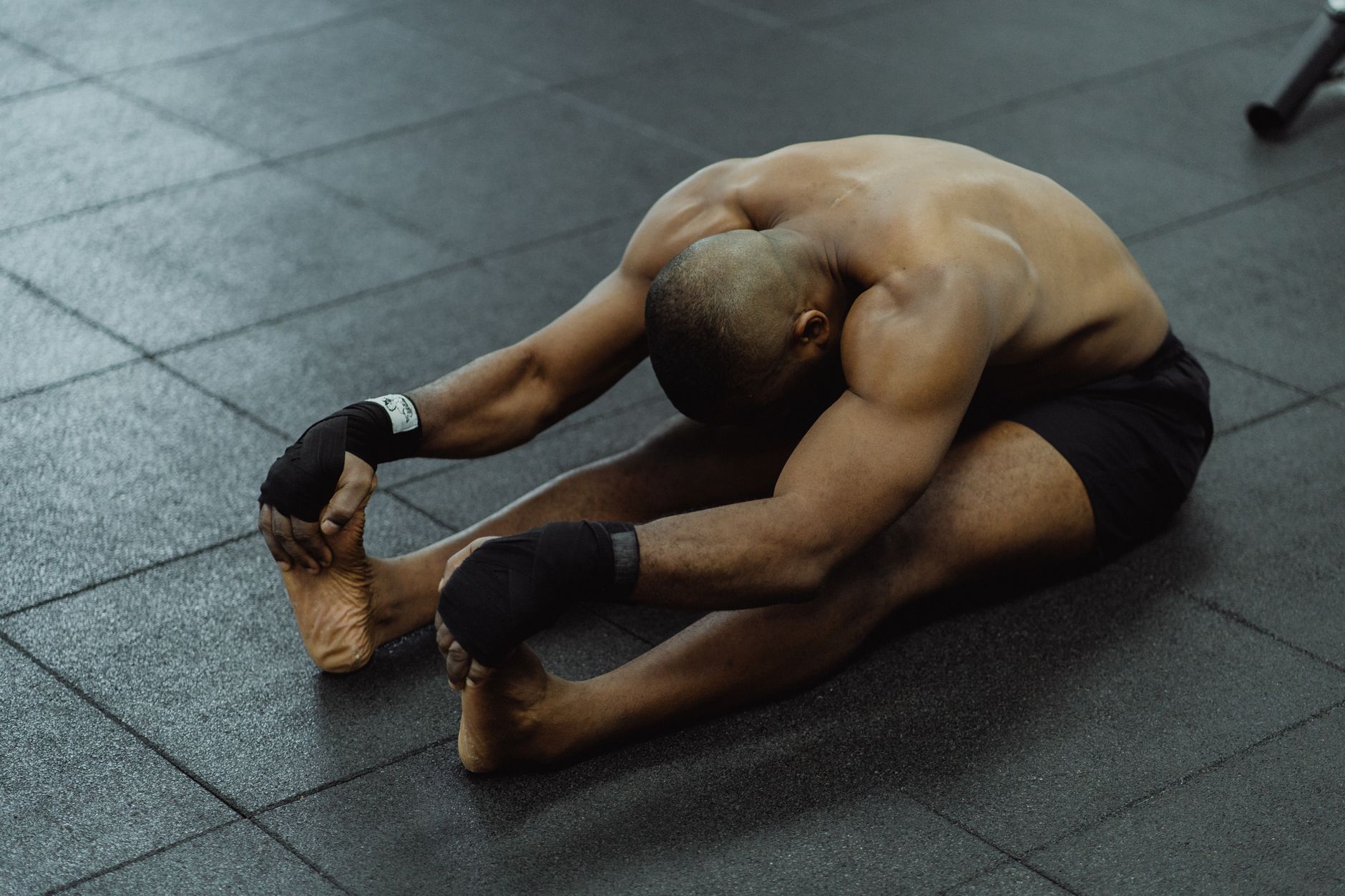
Identifying the symptoms can help athletes find effective plantar fasciitis treatment. Common symptoms include:
- Sharp heel pain, especially with the first steps of the day.
- Increased pain after prolonged sitting or standing.
- Pain during or after exercise, particularly running or jumping activities.
Treatment Options for Plantar Fasciitis
Once identified, treating plantar fasciitis is crucial for athletes to return to form. Here are some effective strategies:
Rest and Recovery
Taking time off from high-impact activities allows your plantar fascia to heal.
- Cross-training: Engage in low-impact activities like swimming or cycling to maintain fitness without aggravating your foot.
- Cryotherapy: Ice the affected area to reduce inflammation.
Physical Therapy
A licensed physical therapist can develop a personalized program focusing on:
- Stretching: Gastroc and soleus stretches can relieve tension on the plantar fascia.
- Strengthening Exercises: Targeting the intrinsic foot muscles can improve foot mechanics.
Footwear and Orthotics
Investing in the right shoes or custom orthotics can greatly improve comfort and performance:
- Arch Support: Look for shoes with proper arch support specific to your foot type.
- Custom Insoles: Consider orthopedic inserts designed to provide adequate support and cushioning.
Preventing Plantar Fasciitis: Strategies for Athletes

While treatment is essential, prevention is key for long-term success. Here are practical tips to avoid developing plantar fasciitis:
Strengthening and Flexibility Exercises
Incorporating these into your routine can help:
- Calf Stretch: Stretching your calves regularly reduces tension on the plantar fascia.
- Toe Curls: Picking up marbles with your toes can strengthen the foot muscles.
Proper Training Practices
To minimize the risk of injury, athletes should:
- Gradually Increase Intensity: Avoid sudden jumps in training load; gradual adjustments are key.
- Incorporate Rest Days: Allow your muscles and fascia time to recover.
Choosing the Right Footwear
Pick shoes that cater to your foot type and activity level:
- Running Shoes: Select shoes designed for your specific gait and foot shape.
- Cushioning: Ensure adequate shock absorption to alleviate pressure on your heels.
FAQs about Plantar Fasciitis for Athletes
How long does it take for plantar fasciitis to heal?
Healing time can vary based on treatment and adherence but typically ranges from several weeks to a few months.
Can I continue to run with plantar fasciitis?
It’s best to limit high-impact activities. Consult a healthcare provider for individualized advice.
What type of physical therapy is effective for plantar fasciitis?
Manual therapy, ultrasound, and specific exercises targeting the calf and foot are often beneficial.
Are there any specific stretches that help prevent plantar fasciitis?
Yes. Regular calf and plantar fascia stretches can reduce the risk of developing this painful condition.
Conclusion
Understanding and managing plantar fasciitis is essential for athletes aiming to prevent foot pain and maintain performance. Implementing proper treatment and preventive strategies can make a significant difference. If you're struggling with heel pain or seeking guidance, consider reaching out to ElitePTS for personalized advice and support. Your path to pain-free performance starts here!