



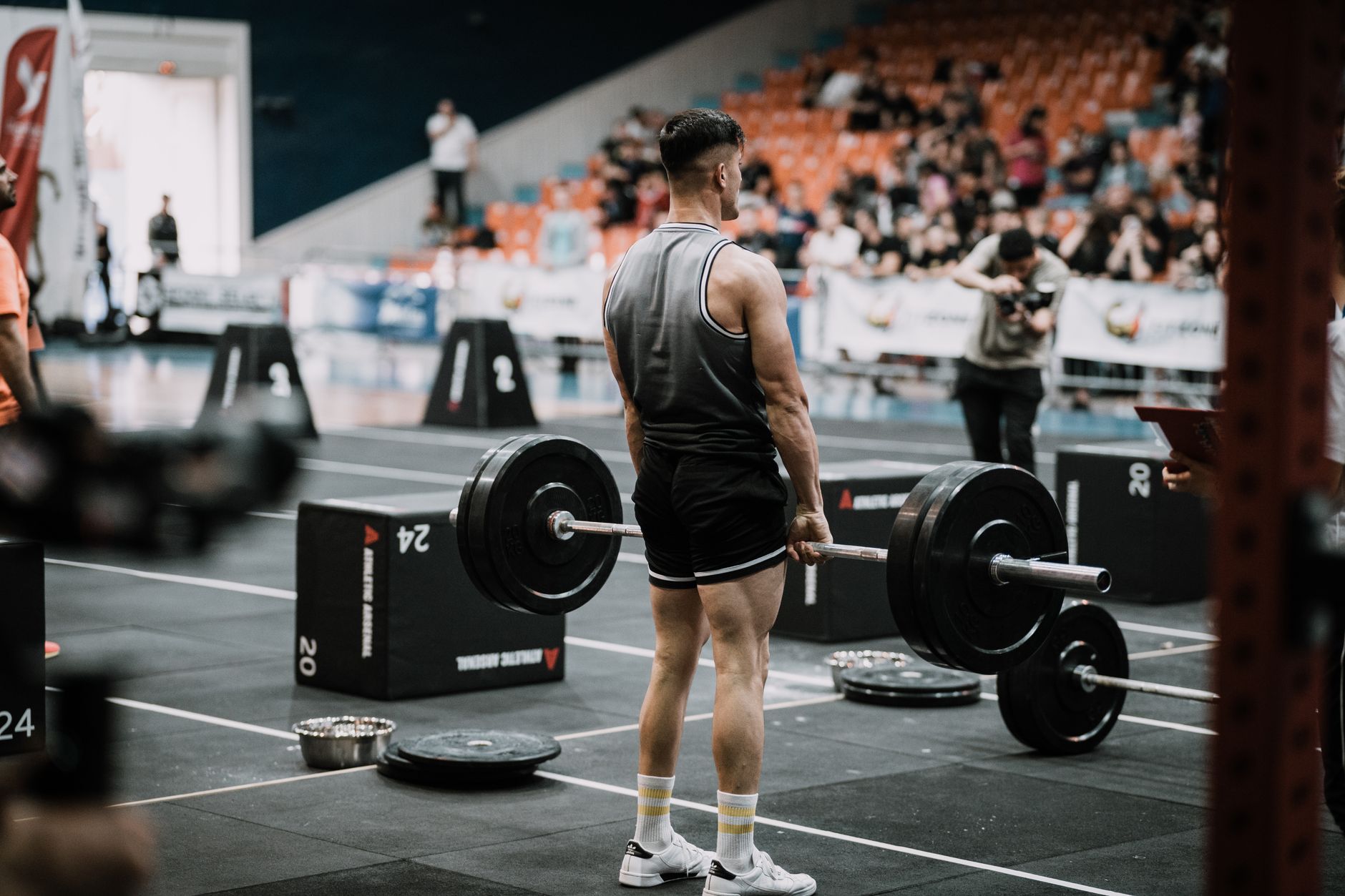
How to Prevent the Most Common Gym Injuries
Most gym injuries do not come from freak accidents. They usually build from small errors repeated under fatigue: rushed warm-ups, technique that degrades rep by rep, aggressive load jumps, and recovery habits that never match training stress.
That is good news, because it means many injuries are preventable. Serious lifters and athletes do not need fear-based training; they need better systems. Injury prevention in the gym is less about avoiding hard work and more about preparing tissues for force, managing exposure, and making smart decisions when pain or fatigue appears.
This guide breaks down the most common reasons lifters get hurt and how to reduce risk without becoming overly cautious. You will learn how to build a useful warm up routine, apply safe lifting principles under real training loads, protect the shoulders, knees, and lower back, and manage recovery so progress is sustainable. If your goal is to keep training hard for years, not just weeks, these are the habits that matter most.
Why Gym Injuries Happen in Otherwise Good Programs
Load spikes beat perfect programming
One of the most common patterns behind gym injuries is a sudden mismatch between what the workout demands and what your tissues are prepared to tolerate. A lifter might feel great, add 40 pounds to a squat over two weeks, then wonder why a knee or low back flare-up appears. Muscles often adapt faster than tendons, joint surfaces, and connective tissue, so performance can briefly outpace resilience.
Research on training-load management across sport consistently shows that rapid spikes in workload raise injury risk. In the gym, that can mean too much volume, too much intensity, or too much novelty at once. A practical example: if you switch from machine pressing to high-volume barbell bench plus dips plus flyes in the same week, your shoulders may be seeing a new stress profile they have not earned yet.
Fatigue changes mechanics before pain shows up
Most technique breakdown is not obvious on rep 1. It shows up when fatigue accumulates and the body starts finding shortcuts: lumbar extension replaces shoulder flexion overhead, knees cave as hips lose control, or the bar drifts away from the midfoot on deadlifts. Those small changes increase local stress and, over time, make overuse problems more likely.
That is why the final reps of a set matter so much. If you only own your positions when fresh, your program may be built on false confidence. A smart coach watches not just whether you finish the set, but how you finish it. For more on building training stress gradually, see progressive overload for athletes.
Structured preparation and sensible load progressions consistently outperform random effort. The body tolerates hard training well when force, fatigue, and frequency increase in a controlled way.
Build a Warm Up Routine That Actually Works


Raise temperature and joint readiness first
A good warm up routine is not a 20-minute mobility circus, and it is not five lazy minutes on a bike followed by heavy singles. Its job is simple: increase tissue temperature, improve range you can actively control, and prepare the nervous system for the session's speed and force demands. Dynamic movement is usually more useful than long static stretching right before lifting, especially when power output matters.
For most sessions, 5 to 10 minutes is enough. Start with general movement like light sled work, rower intervals, jump rope, or brisk cycling, then move into controlled dynamic drills for the ankles, hips, thoracic spine, and shoulders. If your prep is random, use a structured dynamic warm-up for strength training instead of guessing day to day.
Prime the exact pattern you plan to train
After general prep, shift to movement-specific ramp-up sets. If you are squatting, use bodyweight squats, goblet squats, empty-bar squats, and then progressive working sets. If you are pressing, add scapular control drills, push-up variations, and a few submaximal presses. This is where the body learns today's positions, not just where it gets warm.
A simple sequence works well for most lifters:
- 2-3 minutes of general movement
- 1-2 mobility drills for the joints that limit your main lift
- 1 activation or stability drill for the prime movers
- 3-5 ramp-up sets that gradually build load and intent
The best warm-up is specific to the task. A powerlifter attempting heavy triples needs more neural ramping than someone doing hypertrophy work on machines. The principle is the same: finish your warm-up feeling more coordinated, not more tired.
Safe Lifting Starts With Technique, Bracing, and Load Selection
Own the setup before you own the weight
Safe lifting begins before the bar even moves. Your foot pressure, grip, rib position, brace, and line of pull create the foundation for every rep. If the setup is inconsistent, the movement pattern will be inconsistent too. In squats and deadlifts, think midfoot balance, full-body tension, and a brace that expands 360 degrees around the trunk rather than just pushing the belly out.
In upper-body lifts, shoulder position matters just as much. On bench press, lifters often flare the elbows too early and lose upper-back tension; on overhead work, they compensate for limited shoulder mobility by arching through the low back. These are not always immediate injury mechanisms, but they are common ways small joint irritation becomes chronic pain.
Progress load, range, and failure exposure gradually
Many athletes think injury prevention means lighter weights. Not true. It means the right weight for the quality of movement you can currently repeat. If your last two reps require your spine to move, your knees to shift unpredictably, or your spotter to save you, the load is too heavy for the training goal. Training to technical failure occasionally can be useful; living there is not.
Use a simple rule: earn the next progression only after you can repeat the current one with stable form across sets. That applies to load, range of motion, tempo, and exercise difficulty. If you coach or train others, the broader ideas in ElitePTS coaching articles are helpful for spotting when technique breaks down under fatigue rather than at setup.
Injury Prevention for Shoulders, Knees, and Lower Back
Shoulders: manage pressing volume and keep the scapula moving
The shoulder is mobile by design, which is why it gets irritated so easily when programming becomes press-heavy and repetitive. Common problems include anterior shoulder pain from too much flat pressing, cranky rotator cuffs from poor overhead mechanics, and biceps tendon irritation from high-volume pressing without enough rowing or scapular work.
Balance your program with at least as much pulling as pressing, and often more if your shoulders are sensitive. Include rows, pull-ups, face pulls, rear-delt work, and serratus-focused drills. If you know your thoracic spine or lats limit overhead position, a targeted mobility training for athletes plan will help more than forcing painful range under load.
Knees: control total knee stress, not just squat depth
Knee pain in the gym is often blamed on squatting, but the real issue is usually total exposure. Hard squats, lunges, jumps, sprints, leg extensions, and sport practice all load the knee. If all of them rise together, the patellar tendon or joint surfaces may get angry even when your squat form looks fine.
Keep the quads strong, train through tolerable ranges, and avoid dramatic week-to-week jumps in split-squat or plyometric volume. Heel elevation, tempo work, and slightly reduced range can keep a lifter training while symptoms settle. In practice, athletes do better when they modify intelligently rather than stopping all lower-body work at the first sign of discomfort.
Lower back: protect position in hinges and loaded carries
The low back is not fragile, but it is sensitive to fatigue, poor bracing, and repeated loss of position. Many flare-ups happen when lifters rush setup on deadlifts, let the bar drift forward, or combine heavy spinal loading with poor sleep and long hours sitting. The issue is often cumulative, not one bad rep in isolation.
Keep hinge work technical, use loads you can brace for, and respect exercise order. Heavy deadlifts after high-fatigue circuits or hard sport practice are a different stressor than deadlifts performed early and fresh. Farmers carries, split squats, and trap-bar pulls can often maintain strength with less irritation during high-stress weeks.
Recovery and Load Management Are Core Injury Prevention Tools
Sleep, fuel, and hydration affect tissue tolerance
Recovery is not a bonus for serious athletes; it is what makes training adaptations possible. Poor sleep reduces coordination, slows reaction time, and makes hard sessions feel even harder. Observational research in athletes has linked routinely getting less than 8 hours of sleep with higher injury rates, likely because fatigue alters both decision-making and tissue tolerance.
Nutrition matters the same way. Under-fueling reduces recovery capacity, especially when athletes chase body-composition goals while maintaining high volume. Protein supports repair, carbohydrates support performance and glycogen restoration, and hydration helps preserve force output and concentration. For a deeper framework, review recovery strategies for performance and treat them as part of the program, not afterthoughts.
Injury risk rises when training stress climbs while sleep, calories, and hydration fall. Hard training and poor recovery are a bad trade over time.
Plan volume, exercise selection, and deloads before you need them
The best recovery strategy is often better programming. Most lifters do not get hurt because one exercise is evil; they get hurt because total stress from all exercises is poorly distributed. Four hard pressing variations, plus dips, plus sport practice is not a chest day problem. It is a workload problem.
Build training in waves. Use harder and easier weeks, rotate stressful variations when joints feel beat up, and keep 1 to 3 reps in reserve on most compound work. A deload does not mean doing nothing. It means temporarily reducing volume, intensity, or both so tissues can recover while patterns stay sharp.
Know When to Modify Training Instead of Forcing It
Use pain rules that keep you training but reduce risk
Pain is not always damage, but it is always information. A useful rule is that mild discomfort during a lift may be acceptable if it stays low, does not worsen as the session goes on, and settles back to baseline within 24 hours. Sharp pain, changing mechanics, or symptoms that escalate set to set usually mean the current variation is not the right choice today.
Instead of asking, 'Should I train or rest?' ask, 'What can I train well right now?' Swap barbell squats for belt squats, reduce range on split squats, use neutral-grip pressing, or lower the load and slow the tempo. Red flags that deserve caution include:
- Pain above a 3 to 4 out of 10 that rises as you continue
- Loss of strength, balance, or coordination on one side
- Night pain, numbness, tingling, or radiating symptoms
- Symptoms that are worse the next morning than during training
Return to full training with a checklist, not emotion
After a flare-up, athletes often make the same mistake twice: first they stop everything, then they come back too hard. A better approach is graded exposure. Rebuild tolerance through movements that are symptom-light, repeatable, and specific to the pattern you eventually want. That may mean trap-bar pulls before straight-bar deadlifts or push-up progressions before heavy benching.
Use objective checkpoints. Can you warm up pain-free? Can you complete planned sets without compensating? Does the area feel the same or better the next day? If the answers are yes for a week or two, progress the next variable. That process is slower than ego wants, but faster than re-injury.
FAQ: Common Questions About Preventing Gym Injuries
Is soreness the same thing as an injury?
No. Normal post-training soreness is usually diffuse, symmetrical, and most noticeable 24 to 48 hours after unfamiliar or high-volume work. It tends to improve as you warm up and does not usually change movement quality in a major way.
Injury-related pain is more often sharp, localized, and tied to a specific motion or load. It may worsen with certain reps, create guarding, or linger beyond normal recovery. If soreness starts changing how you move, treat it less like soreness and more like a workload-management problem.
Should beginners use belts, sleeves, or wraps?
Equipment can help, but it does not replace skill. A belt can improve bracing awareness and trunk stiffness during heavy compound lifts, and sleeves may make joints feel warmer and more comfortable. Neither one fixes poor setup, rushed progressions, or fatigue-based breakdown.
Beginners should first learn to brace, control tempo, and finish sessions with good movement quality. Add supportive equipment when loads justify it, not as a shortcut. Think of gear as a performance tool, not an injury-proofing device.
Are machines safer than free weights?
Machines are often easier to learn and can be excellent when a joint is irritated because they reduce stability demands and let you target tissue with more control. That can make them useful during high-fatigue phases, rehab-adjacent training, or hypertrophy blocks where technical precision on heavy barbell lifts is not the priority.
Free weights are not inherently dangerous; they simply require more coordination. The safest option is the one that matches your skill level, current fatigue, and goal. A smart program uses both, not ideology.
How often should I deload for injury prevention?
There is no universal schedule, but many athletes benefit from a deload every 4 to 8 weeks depending on training age, intensity, sport demands, and recovery quality. Others can auto-regulate by backing off when bar speed drops, motivation crashes, nagging pain rises, or sleep quality falls.
The key is not waiting until your joints force the decision. Planned reductions in stress are a performance strategy, not a sign of weakness. When in doubt, trim volume first before you slash intensity completely.
Conclusion: Smarter Injury Prevention Keeps You Training
Preventing gym injuries is not about avoiding hard work. It is about earning hard work through better preparation, cleaner execution, and smarter recovery. A consistent warm up routine, disciplined safe lifting habits, and simple workload management will do more for injury prevention than any trendy corrective drill performed once in a while.
If you want to train like a serious athlete, think long term. Build tolerance gradually, keep technique honest under fatigue, modify before pain becomes a shutdown, and treat sleep, nutrition, and deloads as non-negotiables. That is how you stay available for the sessions that actually move performance forward. For more science-backed training, recovery, and performance resources, visit Peak.ElitePTS and build a system that keeps you progressing without unnecessary setbacks.