


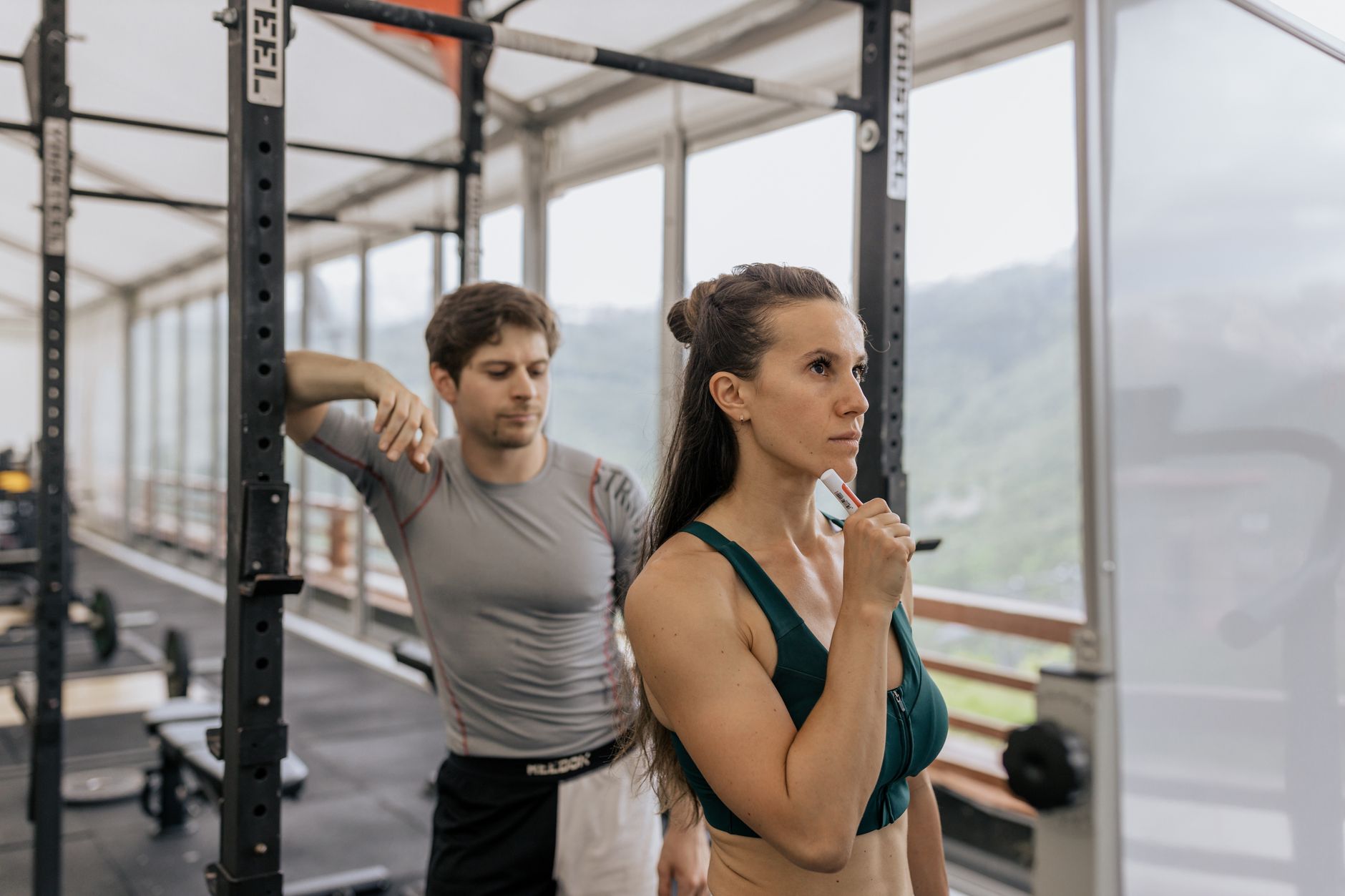
Progressive Overload: The Science of Continuous Strength Gains
Every effective lifting program eventually comes down to one brutal question: are you doing more than your body has already adapted to? Progressive overload is the engine of strength training, muscle growth, and long-term performance, and without it, even hard workouts become little more than maintenance.
At its core, progressive overload means gradually increasing the demands placed on your body so it has a reason to adapt. That can mean more weight on the bar, but it can also mean more reps, more total volume, better technique, shorter rest periods, greater range of motion, or more high-quality work at the same load. Serious athletes often stall because they confuse intensity with progress; they train hard, but not in a way that is measurable, recoverable, and repeatable. A well-built system tracks performance, manages fatigue, and advances stress at the right pace. If you want a deeper foundation on workload management, start with this strength training volume guide. And if autoregulation is part of your process, understanding RPE and RIR makes overload far more precise.
Why Progressive Overload Drives Strength Training Adaptation
Mechanical tension is the primary growth signal
Muscle and strength adaptations are driven largely by mechanical tension. When a muscle produces force under load, especially through challenging but controlled reps, it recruits more motor units and generates the signal for adaptation. That is why a set of squats at 80 percent of your one-rep max creates a different biological demand than a casual warm-up set.
For muscle growth, the body does not care whether you love the exercise; it cares whether the stress is sufficient and repeated over time. Progressive overload works because it keeps tension from becoming stale. When the same load, rep target, and effort level stop being difficult, the stimulus fades, and adaptation slows.
Recovery converts training stress into performance
Strength training does not build strength in the session itself. It creates disruption, and recovery turns that disruption into a stronger athlete. Neural efficiency, improved coordination, increased muscle protein synthesis, and connective tissue remodeling all happen after the workout, not during it. That is why overload without recovery becomes accumulated fatigue instead of progress.
This is also why advanced lifters need patience. Fitness and fatigue rise together, but fatigue often masks improvement in the short term. A smart lifting program increases stress only as fast as recovery can support it.
A 2017 meta-analysis by Schoenfeld and colleagues found a clear dose-response relationship between weekly training volume and hypertrophy, reinforcing that more work can build more muscle, but only up to the point an athlete can recover from it.
What You Can Progress Beyond Just Adding Weight
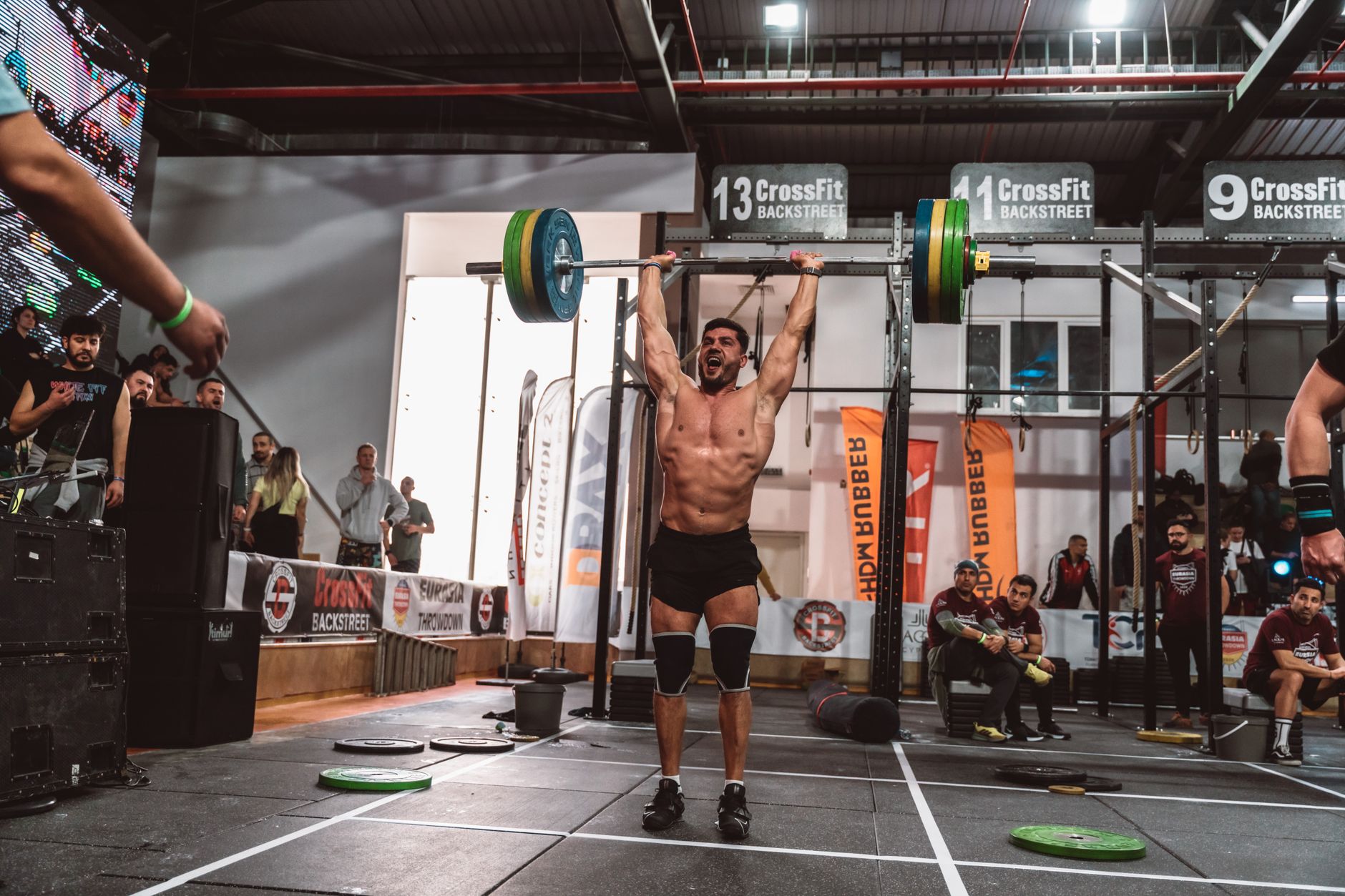
Load and reps are the most obvious tools
Adding load is the simplest form of progressive overload, but it is not the only one. If you bench 225 for 5 reps this week and 225 for 7 reps next week with the same technique, you progressed. This is why double progression works so well: stay within a rep range, hit the top end across all sets, then increase the load slightly.
Microloading is especially valuable for intermediate lifters. A 2.5-pound increase on an upper-body lift can be enough to create a new stimulus without crushing recovery. That small jump often beats forcing a 10-pound increase that changes bar path, cuts range of motion, and turns quality work into survival reps.
Volume, density, and range of motion matter too
Total volume, usually measured as hard sets or tonnage, is one of the most powerful drivers of muscle growth. If you move from 12 challenging weekly sets for quads to 15 over several weeks and recover well, that is meaningful overload. Rest periods matter too. Doing the same work in less time raises density and increases the training demand.
Range of motion and technical quality are often overlooked. A deeper split squat, a paused bench press, or a cleaner deadlift lockout can all represent progression even before the load rises. For a more detailed framework on set targets and workload progression, see Peak's guide to training volume.
- Load: add 1 to 5 percent when the target reps are secure.
- Reps: perform more reps at the same load and effort.
- Sets: add weekly hard sets when recovery is solid.
- Density: shorten rest while keeping output high.
- Execution: improve tempo, pauses, and range of motion.
How to Build a Lifting Program Around Progressive Overload
Use the right progression model for your training age
Beginners usually respond best to simple linear progression because nearly any organized stress is novel. Add a little weight, keep technique crisp, and repeat. Intermediates often need slower progressions such as step loading, wave loading, or undulating weekly targets because adaptation takes longer and fatigue accumulates faster.
A practical example: squat 4 sets of 5 at a load you can complete with 2 reps in reserve. Each week, add 5 pounds until bar speed drops and technique slips. Then hold the load and build reps, or reduce fatigue with a lighter week before pushing again. That is a smarter form of overload than forcing weekly PRs until the lift breaks down.
Match overload strategies to the exercise
Big compound lifts usually progress best with smaller load jumps, lower rep ranges, and tighter fatigue control. Accessory lifts are different. On rows, lunges, presses, curls, or hamstring work, progressing reps and total volume often drives more muscle growth with less systemic fatigue than chasing load alone.
Exercise stability matters too. If you change movements every week, you lose your ability to compare performance. Keep your primary lifts in place for 4 to 8 weeks so the body can adapt and the logbook can tell a real story. If you want expert programming support beyond templates, explore ElitePTS coaching resources for advanced strength planning.
- Primary barbell lifts: 3 to 5 sets of 3 to 6 reps, 1 to 3 RIR.
- Secondary compound lifts: 3 to 4 sets of 6 to 10 reps.
- Accessory hypertrophy work: 2 to 4 sets of 8 to 15 reps.
Measure When to Push and When to Hold
Use objective performance markers
The best athletes do not guess whether they are progressing; they track it. Log load, reps, sets, rest, RIR, and notes on technique. If your front squat is up 10 pounds at the same effort, that is progress. If the load is unchanged but rep quality, speed, and depth improve, that is also progress.
Autoregulation keeps overload productive. A target of 1 to 3 reps in reserve on compound lifts gives you enough intensity to drive adaptation without burying recovery. When performance drops for two straight sessions, do not force the jump. Reassess sleep, food, soreness, and stress, then use a hold week instead. This is where RPE and RIR become valuable decision-making tools.
Protect the recovery side of the equation
No lifting program can out-train poor recovery. Sleep below seven hours, low energy intake, inconsistent protein, and chronic life stress all reduce the amount of overload you can actually adapt to. Protein targets around 1.6 to 2.2 grams per kilogram of body weight remain a solid evidence-based range for strength athletes seeking muscle growth.
When readiness falls, strategic reduction is a performance tool, not a weakness. A deload of 30 to 50 percent less volume for 5 to 7 days can restore output and reduce joint irritation. If recovery is a weak link, read Peak's breakdown of sleep and muscle recovery and its deload week strategy to keep progress moving.
The Biggest Mistakes That Kill Continuous Strength Gains
Confusing maximal effort with effective overload
Not every set should be a grinder. Constantly training to failure on compound lifts can raise fatigue faster than fitness, especially for athletes balancing sport practice, conditioning, or high life stress. Overload is about progressive challenge, not daily destruction.
Most lifters make faster long-term progress by keeping primary lifts around 1 to 3 RIR for most training blocks and saving true limit efforts for testing phases or selected accessory work. This preserves movement quality, reduces needless joint stress, and creates room to accumulate productive volume over time.
Program hopping and ignoring specificity
One of the fastest ways to sabotage progressive overload is changing exercises, rep schemes, and priorities before adaptation occurs. A new plan every two weeks feels exciting, but it destroys meaningful data. You cannot know whether a lifting program works if the target keeps moving.
Specificity matters. If you want a bigger squat, your plan must contain enough squatting or closely related patterns performed consistently. If you want more muscle growth, you need enough hard sets for the target muscle groups repeated across weeks. For a bigger-picture approach, periodization for strength athletes helps organize overload across blocks instead of sessions.
- Do not increase load if range of motion shortens.
- Do not add volume during weeks of poor sleep and low appetite.
- Do not chase novelty when the current plan is still producing data.
- Do not ignore pain signals that alter movement mechanics.
FAQ: Progressive Overload for Strength Training and Muscle Growth
How often should I increase weight in a lifting program?
Increase load when you hit the planned rep target with solid technique and the intended effort level. For beginners, that may happen weekly on major lifts. For intermediates, it may happen every 2 to 3 weeks, especially on pressing movements.
If the jump changes bar speed dramatically or forces sloppy form, it is too aggressive. Smaller jumps sustain progress better than heroic jumps that create missed reps and recovery debt.
Can progressive overload happen without adding weight?
Yes. You can add reps, sets, range of motion, tempo control, pauses, or reduce rest periods while keeping effort high. Many athletes build significant muscle growth by doing more quality work before touching heavier loads.
This is especially effective during high-volume hypertrophy phases, return-to-training periods, or when equipment is limited. Overload is about increased demand, not just heavier barbells.
Can I still use progressive overload during a fat-loss phase?
Yes, but expectations should shift. During a calorie deficit, the goal is often to maintain or make smaller gains in strength while preserving lean mass. Progress may look like holding load steady while improving rep quality or maintaining performance with less body weight.
Use conservative progression, keep protein high, and manage fatigue closely. Aggressive volume increases are harder to recover from when energy availability is low.
What should I do if my lifts stall for 3 to 4 weeks?
First, identify the bottleneck. Review sleep, calories, protein, body weight trends, exercise selection, technique, and recent training volume. Many plateaus are recovery problems or programming errors, not a lack of effort.
Then adjust one variable at a time: reduce fatigue with a deload, add a small amount of volume, change the rep range, or microload the lift. Randomly overhauling the entire program usually hides the real issue instead of solving it.
Conclusion: Use Progressive Overload to Keep Strength Gains Coming
Progressive overload is not a motivational slogan. It is the operating system behind effective strength training, sustained muscle growth, and every lifting program that keeps delivering results after the beginner phase ends. The athletes who improve longest are not always the ones who train the hardest in a single workout; they are the ones who apply slightly more stress, recover from it, and repeat the cycle with discipline.
If you want continuous strength gains, track your work, respect recovery, and progress the variables that matter most for your goal. Start simple, stay consistent, and let measurable performance guide the next step. For more science-backed training strategies, programming breakdowns, and elite performance content, visit Peak.ElitePTS.com. And for broader coaching insights and strength resources, explore ElitePTS to build a smarter, stronger long-term system.