




Unlock Success with an Effective Coaching Program
As a new personal trainer, structuring your first coaching program can be daunting. With a clear plan in place, you can create a 12 week coaching program that sets the foundation for your client's success. This comprehensive guide will walk you through the essential steps to design a fitness coaching program structure that meets your clients' needs.
Understanding the Importance of Program Structure


A well-structured program provides direction not only for the clients but also for you as a coach. Here’s why it matters:
- Client Accountability: Clients who understand their program and see progression are more likely to stay engaged.
- Measurable Outcomes: A structured plan allows clients to track their progress towards specific goals.
- Risk Management: An organized approach reduces the risk of injury by gradually introducing intensity.
Moreover, a proper structure aids in enhancing motivation while facilitating recovery, fitting perfectly within the progressive overload principle by ensuring that clients can continuously challenge themselves.
Step 1: Initial Assessment and Goal Setting
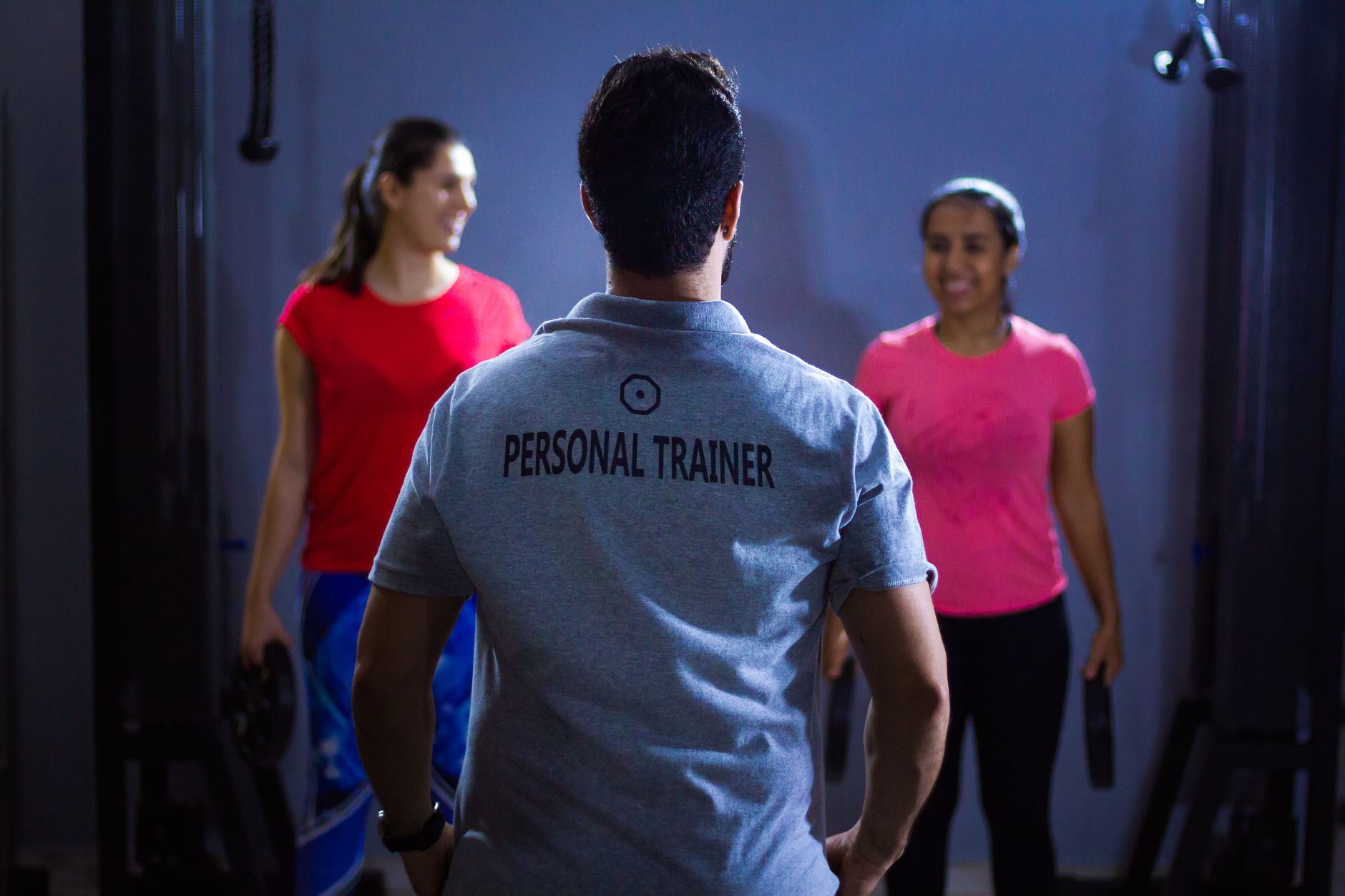
The first step in designing an effective coaching program is to conduct a thorough initial assessment. This phase sets the tone for the ensuing 12 weeks.
Conducting a Comprehensive Assessment
Begin with a detailed assessment that includes the following:
- Physical Assessment: Evaluate strength, endurance, flexibility, and any limiting factors.
- Medical History: Ensure you are aware of any injuries or health conditions that need consideration.
- Lifestyle Factors: Understand their dietary habits, work schedule, and activity levels.
Setting SMART Goals
In collaboration with your client, establish SMART goals (Specific, Measurable, Achievable, Relevant, Time-bound). Examples include:
- Weight Loss: Lose 10 pounds in 12 weeks.
- Muscle Gain: Gain 5 pounds of muscle while maintaining body fat.
- Endurance Improvement: Run a 5k within 12 weeks.
Clearly defined goals help both trainers and clients steer their efforts efficiently throughout the program, ensuring you can tailor the PT program design to their unique needs.
Step 2: Program Phases Breakdown
Your 12-week program should typically be broken down into three distinct phases, with each phase having unique goals and training focuses.
Phase 1: Foundation Building (Weeks 1-4)
This phase is all about building a base of strength and endurance.
- Focus on Form: Prioritize teaching proper movement patterns to prevent injury.
- Low to Moderate Intensity: Introduce exercises at lower intensity focusing on volume more than load.
Phase 2: Strength and Skill Development (Weeks 5-8)
In this phase, begin to increase the intensity and introduce more complex movements.
- Progressive Loading: Gradually increase weights and resistance.
- Skill Practice: Incorporate more challenging exercises such as compound lifts or advanced cardio techniques.
Phase 3: Peak Performance (Weeks 9-12)
The final phase focuses on peak performance and retesting assessments.
- High-Intensity Training: Employ techniques like interval training to push endurance.
- Assessment and Validation: Retest initial assessments for improvements.
Every phase serves to steadily guide clients through their transformations, helping them understand the significance behind your client program planning process.
Step 3: Training Methodologies and Exercise Selection

The next crucial step is to choose the training methodologies best suited to achieve clients' goals. Consider the following:
Resistance Training Approaches
With resistance training, implement various styles such as:
- Traditional Weightlifting: Focus on progressive overload through free weights and machines.
- Bodyweight Exercises: Use exercises like push-ups and squats to enhance strength.
- Pilates or Yoga: Incorporate sessions to enhance flexibility alongside strength.
Cardiovascular Training Options
For cardiovascular training, you can use:
- Steady-State Cardio: Low to moderate activities like jogging or cycling at a consistent pace.
- Interval Training: Alternate between high-intensity efforts and active recovery periods.
Remember to balance the two methodologies based on clients’ individual goals. However, don’t shy away from adjusting based on performance feedback over the duration of the program.
Step 4: Incorporating Nutrition and Recovery Plans
Nutrition plays a pivotal role in complementing your training plan. A well-rounded program should also address dietary habits.
Custom Nutrition Plans
Develop nutrition strategies that align with clients’ personal goals. Key strategies include:
- Macronutrient Distribution: Educate clients on proteins, fats, and carbohydrates.
- Hydration: Emphasize the importance of staying consistently hydrated.
Incorporating Recovery Protocols
Incorporating recovery methods enhances performance and reduces injury risk, which can involve:
- Active Recovery Days: Include light activities such as walking or yoga.
- Sleep Optimization: Educate on the importance of adequate sleep as part of the recovery process.
For more insight on nutrition, check out our nutrition planning guide.
Step 5: Monitoring Progress and Adjusting the Program
Monitoring progress is critical for success. Make adjustments as per individual responses throughout the 12 weeks:
Regular Check-ins
Establish a regime of check-ins to address the following:
- Performance Metrics: Track client performance on exercises and raise or lower intensity as needed.
- Feedback Mechanism: Encourage clients to voice their testimonials on how they feel about the program.
Data Analysis
Utilize data from progress assessments to:
- Adjust volume and intensity as per client progress.
- Revise program goals if original targets are met too easily or difficulty is too high.
FAQs about Structuring a Coaching Program
What is the best way to start a coaching program?
The best way begins with a thorough assessment and defining SMART goals to tailor an effective plan that addresses individual needs.
How often should I reassess my client's progress?
Regular assessments should occur bi-weekly to ensure goals are being achieved and help maintain motivation.
Can nutrition planning be included in a coaching program?
Absolutely! Integrating tailored nutrition plans can complement the physical training aspect and enhance results.
What should I do if my client is not progressing?
If clients aren’t progressing, ensure that you analyze performance metrics, reassess their goals, and modify the plan as necessary.
Conclusion
Structuring your first 12 week coaching program can be a rewarding journey for both you and your clients. By following these steps, you create a solid foundation for client growth and transformation. Ready to get started? Contact us today for professional guidance and personalized coaching plans.