



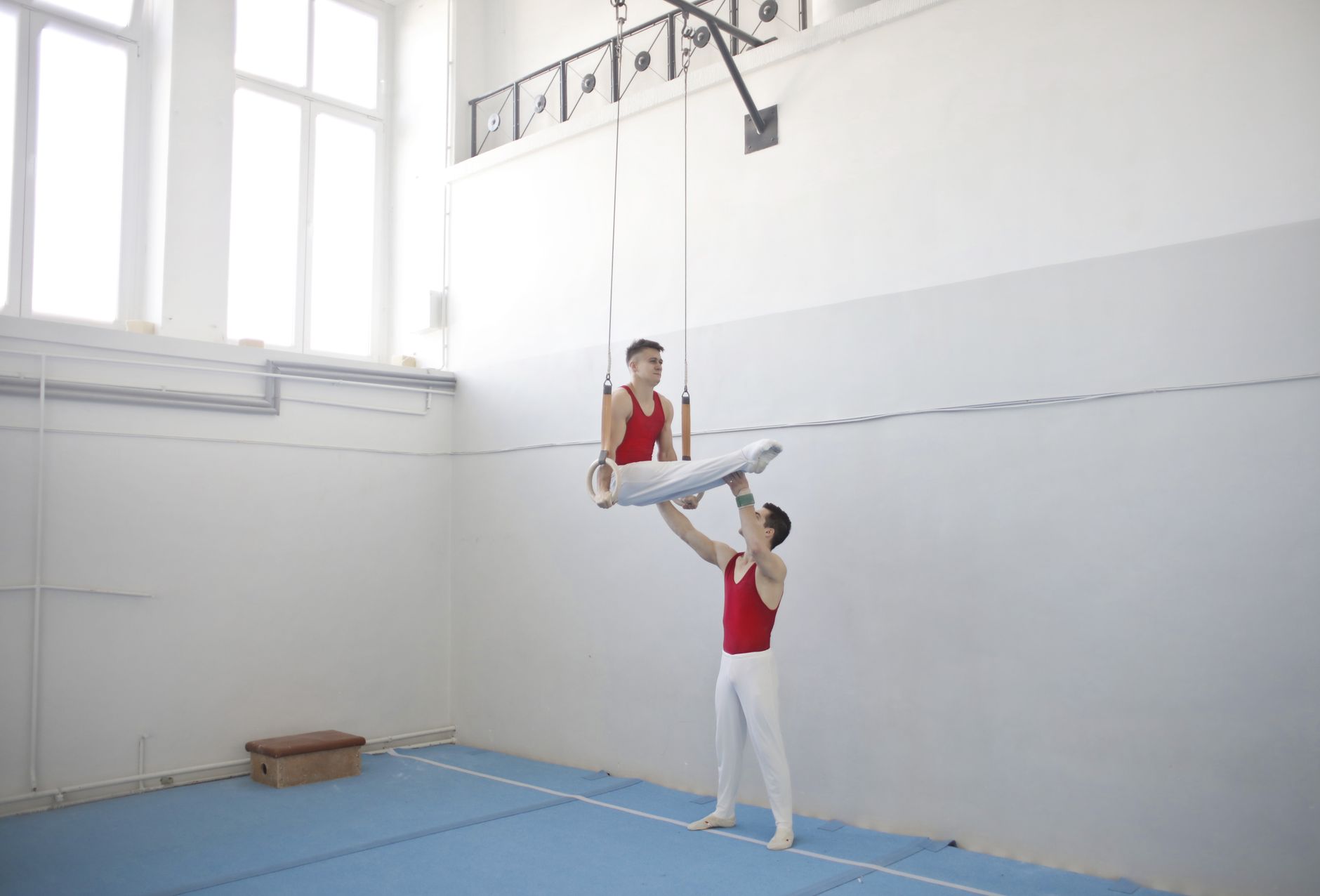
The Importance of Work-Life Balance for Personal Trainers
In the demanding world of personal training, achieving a healthy work-life balance is crucial not just for trainers but also for their clients. Trainer burnout is a reality many professionals face due to long hours, emotional exhaustion, and the physical demands of the job. Understanding the risks and implementing practical strategies can lead to a more sustainable training career.
Understanding Trainer Burnout: Signs and Causes


What is Trainer Burnout?
Trainer burnout refers to a state of physical, emotional, and mental exhaustion caused by prolonged and excessive stress in the workplace. It's characterized by:
- Chronic fatigue and sleep disturbances
- Increased cynicism and detachment towards clients
- Decreased job performance and motivation
Causes of Trainer Burnout
Several factors contribute to fitness coach burnout prevention that trainers need to recognize:
- Excessive Workload: Managing multiple clients back-to-back can be overwhelming.
- Lack of Time for Recovery: Failing to prioritize personal health can lead to exhaustion.
- Emotional Strain: Constantly motivating and focusing on clients can drain emotional resources.
Strategies for Achieving Work-Life Balance

1. Establish Clear Boundaries
Creating boundaries between your personal and professional life is essential. Here are some actionable tips:
- Set specific working hours and stick to them.
- Limit after-hours communications with clients.
- Designate a "personal time" that is strictly for self-care.
2. Create a Scheduled Routine
Establishing a structured daily routine can foster balance:
- Include time for client sessions, personal workouts, and relaxation.
- Incorporate breaks between sessions to recharge.
- Utilize calendars or scheduling apps to manage time effectively.
Preventing Burnout Through Self-Care
Nourish Your Body
A balanced diet is vital for trainers to maintain their energy levels:
- Incorporate whole foods rich in nutrients.
- Stay hydrated to combat fatigue and stress.
Mental Wellness Strategies
Taking care of mental health is equally important. Consider these activities:
- Engage in mindfulness or meditation practices.
- Consult a professional if feelings of burnout persist.
Creating a Support Network

Importance of Community Support
Joining a community of fitness professionals can provide a valuable support system:
- Share experiences and coping strategies.
- Attend workshops or seminars to connect with peers.
Finding a Mentor
A mentor can offer guidance and support as you navigate your career:
- Seek experienced trainers for advice.
- Learn from their successes and failures.
Balancing Professional Development and Personal Needs
Pursue Continuing Education
Investing in your professional growth is crucial:
- Attend fitness conferences to learn new techniques.
- Get additional certifications that interest you.
Engage in Hobbies
Make time for personal interests:
- Participate in activities that bring joy and relaxation.
- Explore new workouts or sports to keep your passion alive.
FAQs About Trainer Burnout and Work-Life Balance
What are common symptoms of trainer burnout?
Common symptoms include chronic fatigue, lack of motivation, and emotional detachment from clients.
How can I effectively manage my work hours?
Establish clear working hours, limit client communication after hours, and prioritize self-care into your schedule.
What role does self-care play in burnout prevention?
Self-care activities such as proper nutrition, exercise, and mental wellness practices are essential in preventing trainer burnout.
How can I create a support network?
Join professional fitness communities, attend workshops, and seek mentorship to build a strong support network.
Conclusion
Maintaining a healthy work-life balance is crucial for personal trainers to prevent burnout and ensure a sustainable training career. By implementing these proactive strategies, trainers can achieve their professional goals while also caring for their mental and physical health. ElitePTS is dedicated to supporting trainers on this journey through ongoing education and community engagement. Together, we can foster a thriving fitness profession.