



Understanding Muscle Imbalances and How to Fix Them
Most muscle imbalances do not show up as a cosmetic problem first. They show up as a missed lift, a cranky knee, a shoulder that loses position overhead, or posture issues that slowly turn good training into overuse pain.
If you train hard, coach athletes, or want to stay durable, you need a better definition of imbalance than left side looks smaller than right side. In practice, an imbalance is a meaningful difference in strength, mobility, coordination, or joint control that changes how force is produced and absorbed. Small asymmetries are normal. Humans are not perfectly symmetrical, and sport itself creates dominance patterns. The real question is whether the asymmetry is large enough to reduce performance or increase injury risk.
That is where evidence-based decision making matters. Research on unilateral testing, previous injury, shoulder function in overhead athletes, and lower-body asymmetry in field sports suggests that bigger side-to-side gaps matter most when they are paired with pain, a loss of range of motion, or task-specific weakness. The goal of corrective training is not to make every athlete look identical. It is to restore function, reduce compensations, and build resilient movement under load. This guide breaks down what muscle imbalances are, how to identify the ones that matter, and how to fix them with practical symmetry training you can apply this week.
What muscle imbalances actually mean in training
Structural asymmetry vs functional asymmetry
Not every left-right difference is a problem. Structural asymmetry includes natural differences in bone shape, dominant-hand bias, or sport-specific adaptations. A tennis player may have a more developed hitting shoulder. A soccer player may have one leg that is more coordinated in striking. These are common, and chasing perfect symmetry can waste training time.
Functional asymmetry is different. This is when one side cannot access the same range of motion, stability, or force output as the other in a task that should be relatively balanced. Examples include one hip that cannot internally rotate, one ankle that blocks squat depth, or one scapula that loses upward rotation during pressing. Those issues change mechanics, and mechanics change load distribution.
When an imbalance becomes a real risk
The biggest red flag is not appearance. It is a combination of symptoms and performance data. If you see a visible shift during squats, repeated trunk lean on single-leg work, a clear loss of control during landing, or pain that only shows up on one side, the asymmetry deserves attention. Previous injury also matters. After ankle sprain, ACL rehab, or shoulder pain, the body often protects the area long after the tissue has healed.
Many coaches and clinicians use less than 10% side-to-side difference in unilateral strength and hop tests as a practical target. It is not a magic number, but it is a useful threshold for deciding when asymmetry is performance-relevant.
In other words, treat asymmetry as a threshold problem, not an aesthetic problem. If the difference is small, pain-free, and does not change technique, keep training. If the gap is paired with loss of motion, poor control, or repeated symptoms, fix it before it becomes a bigger bottleneck.
Why muscle imbalances develop: training bias, injury history, and posture issues
Sport demands and repetitive loading
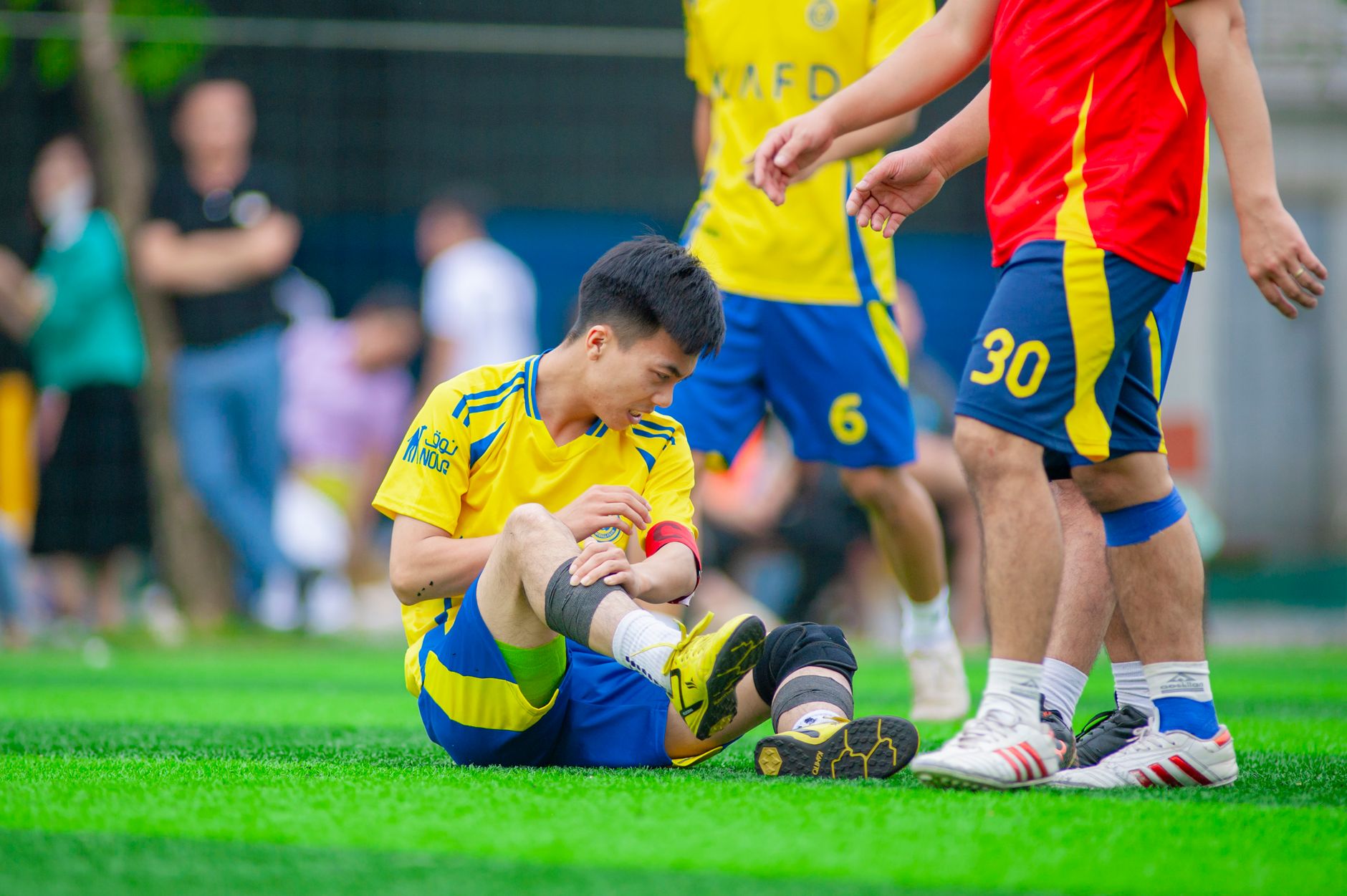
Your sport and your exercise menu shape your asymmetries. Throwing athletes accumulate rotational bias. Lifters who always pull conventional may load one hip differently. Desk workers often arrive to training with stiff thoracic spines, shortened hip flexors, and underactive posterior chain patterns. Over months, the body gets very efficient at using the same strategy over and over.
This is why generic mobility circuits rarely solve the problem. If the imbalance is created by repeated stress, the fix must be equally specific. An athlete who always cuts off the same leg may need deceleration work on the weaker side. A client who always shifts into the right hip during squats may need better left ankle dorsiflexion and left glute medius control, not random stretching.
Pain, compensation, and poor exercise execution
Injury history is one of the strongest drivers of lasting asymmetry. Pain changes motor output. Even when pain fades, the nervous system often keeps the old compensation because it feels safer and more efficient. That is why athletes returning from groin, hamstring, or shoulder issues often regain bilateral numbers before they regain symmetrical control.
Technique errors make the problem worse. If one side is limited and you keep adding load, the stronger side learns to do more work. Over time, the imbalance becomes a skill. If your squat shifts, start by reviewing common squat mistakes and cleaning up setup, stance, and bracing before assuming you need exotic rehab.
Warm-ups matter too. If you skip movement prep, you often reinforce the same restrictions that created the issue. A smart primer should target the joint that is stiff, the muscle group that is not contributing, and the pattern you are about to train. For a practical framework, see how to warm up for strength training.
Corrective training starts with the right assessment
Use simple screens you can repeat weekly
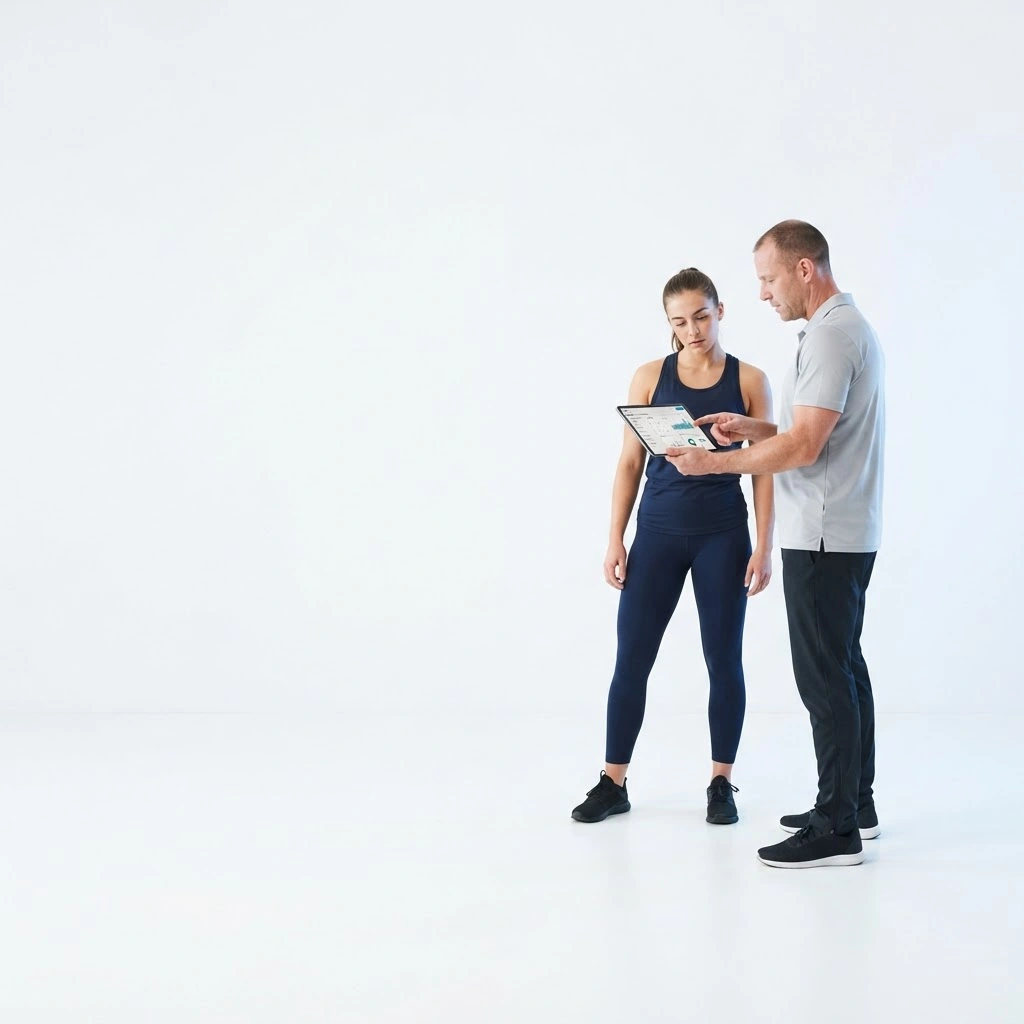
You do not need a laboratory to find actionable asymmetries. Start with five repeatable screens: bodyweight squat, split squat hold, single-leg balance, single-leg RDL reach, and shoulder flexion against a wall. Watch for side-to-side changes in depth, foot pressure, trunk lean, pelvic control, and ability to hold position for 20 to 30 seconds.
Then test the pattern that matters to your sport. Jumpers should compare single-leg hop distance or landing control. Lifters should compare split squat strength, single-arm pressing stability, and loaded carry quality. Overhead athletes should compare shoulder internal rotation, external rotation strength, and scapular control. The goal is to connect the screen to a real training demand.
The numbers that matter most
Use a simple hierarchy. First, note pain. Second, measure range of motion. Third, compare unilateral strength. Fourth, assess fatigue resistance and technique breakdown. A common mistake is chasing force output when the real issue is position. If one ankle is missing 8 to 10 degrees of dorsiflexion, the squat shift will keep returning no matter how many lunges you do.
For a useful training dashboard, track:
- Range of motion: ankle dorsiflexion, hip internal rotation, shoulder flexion
- Isometric control: split squat hold, side plank, single-leg bridge hold
- Unilateral strength: rear-foot-elevated split squat, single-arm row, single-leg calf raise
- Dynamic quality: hop-and-stick, step-down, overhead reach
If you want a broader framework for readiness and pattern tracking, pair these screens with a performance checklist like the one on Peak by ElitePTS. Keep the process simple enough that you will actually repeat it every 1 to 2 weeks.
Corrective training principles that fix imbalances faster
Restore motion before you chase strength
Mobility restrictions often sit upstream of strength deficits. If you cannot access the joint position, you cannot strengthen it well. Start with the restricted tissue or joint, but be specific. For ankles, use 2 to 3 sets of 8 to 10 knee-over-toe rocks plus a 30-second loaded stretch. For hips, use 90/90 transitions for 2 sets of 6 per side and controlled hip airplanes with support for 2 sets of 4. For shoulders, use wall slides and serratus-focused reaches for 2 to 3 sets of 8.
Tempo is a hack here. A 3-second eccentric and 1-second pause force the athlete to own the new range instead of bouncing through it. You do not need long mobility sessions. Most athletes respond well to 5 to 8 focused minutes before lifting and one or two low-fatigue drills between working sets.
Load the weak link, but do not detrain the strong side
Once range improves, unilateral loading does the heavy lifting. Train the weaker side first when the nervous system is fresh. Use matched reps, but if the movement is pain-free and technically clean, add one extra set or a 5 to 10 second longer isometric hold on the weaker side. That is enough bias to create adaptation without feeding compensation.
Good corrective training is not tiny-band theater. It is targeted, progressive, and measurable. A strong template is 2 to 4 main unilateral exercises per week, 3 to 4 sets of 6 to 10 reps, RPE 6 to 8, with one control drill at the end. If you are unsure how to scale loading over time, review progressive overload so your symmetry training keeps moving forward instead of staying stuck in rehab mode.
Use this order when building a session:
- 1. Reset: mobility or activation for the restricted area
- 2. Repattern: slow bodyweight or lightly loaded unilateral pattern
- 3. Strengthen: heavier unilateral or asymmetry-focused main lift
- 4. Integrate: bilateral lift or athletic pattern with improved mechanics
Symmetry training protocols that actually work
Lower-body protocol for hips, knees, and ankles
If the issue is a squat shift, knee cave, or one-sided hip loading, run this lower-body sequence 2 times per week for 4 to 6 weeks. Start with ankle mobilization 2 x 10, adductor rock-backs 2 x 8, and supported hip airplanes 2 x 4 each side. Then perform rear-foot-elevated split squats for 4 x 6 to 8 with a 3-1-1 tempo, starting on the weaker side. Follow with single-leg RDLs for 3 x 8, step-downs for 3 x 6, and heavy suitcase carries for 3 x 20 to 30 meters.
The hack most lifters miss is foot pressure. Cue tripod foot, big toe contact, and knee tracking over the second toe. That instantly cleans up many apparent glute problems that are really foot and ankle control problems. For athletes returning from lower-body injury, add pogo hops or low-level hop-and-stick drills only when landings are quiet and symmetrical.
Upper-body protocol for shoulder balance and posture issues
For pressing asymmetry, rounded-shoulder posture issues, or one-sided overhead instability, use a scapula-first approach. Begin with foam roll reaches or bench T-spine extensions for 1 to 2 minutes, then wall slides 2 x 8 and banded serratus punches 2 x 10. Main work: half-kneeling single-arm landmine press 4 x 6 to 8, chest-supported single-arm row 4 x 8 to 10, and bottoms-up carries 3 x 20 meters.
To restore rotator cuff balance, add side-lying external rotation or cable external rotation at 30 to 45 degrees of abduction for 2 to 3 sets of 12 to 15. Keep the load light enough to feel the cuff, not the upper trap. If you coach overhead athletes, pair this with a smart throwing or pressing volume cap. More corrective work cannot out-recover bad workload management. This is where good sleep and recovery habits matter; our guide to recovery strategies for athletes is worth reviewing alongside your program.
Weekly template that fits real training
You do not need a separate corrective day. Most athletes do better when asymmetry work is embedded in the main program:
- Day 1 lower: reset, split squat, bilateral squat, carry
- Day 2 upper: reset, single-arm press, row, cuff work
- Day 3 lower: reset, single-leg hinge, bilateral hinge, hop or calf work
- Day 4 upper: reset, pull emphasis, unilateral accessory, carry
Run the corrective block for 4 to 6 weeks, retest, then decide whether the asymmetry still needs special attention. If pain is gone, range is restored, and the strength gap is under about 10%, blend back into normal programming while keeping 1 to 2 unilateral lifts in the plan year-round.
FAQ: muscle imbalances, corrective training, and posture issues
Are muscle imbalances always bad?
No. Small asymmetries are normal, especially in athletes with a dominant side. A problem starts when the difference affects technique, reduces force production, limits range of motion, or creates recurring pain. Function matters more than appearance.
If an athlete performs well, stays pain-free, and shows only minor side-to-side differences, you usually do not need aggressive intervention. Monitor it, keep unilateral work in the program, and focus on the demands of the sport.
How long does it take to fix a side-to-side imbalance?
Most mild functional asymmetries improve in 4 to 8 weeks when the cause is clear and the program is consistent. The fastest improvements usually come from restoring motion and cleaning up exercise setup, not from adding endless activation drills.
Long-standing asymmetries after surgery, major pain episodes, or years of compensation can take longer. The key is to retest every 1 to 2 weeks so you know whether the plan is working instead of guessing.
Should I always train the weaker side first?
Usually, yes. Training the weaker side first improves focus and reduces the chance that fatigue will exaggerate compensation. Match the reps on the stronger side so total volume does not become sloppy or excessive.
If the weaker side is pain-free and controlled, one extra set or a slightly longer isometric is a good bias. Do not double the volume. Large volume differences often create more soreness than useful adaptation.
Can posture issues cause muscle imbalances?
Posture issues can reflect muscle imbalances, but they are rarely the whole story. Rounded shoulders, anterior pelvic tilt, or a visible shift are often outputs of how someone breathes, moves, and loads, not simply one weak muscle.
Use posture as a clue, not a diagnosis. Test range, strength, and control in movement. Then build corrective training around the actual limitation instead of trying to force a perfectly upright static posture all day.
Conclusion
Muscle imbalances matter when they change movement quality, reduce performance, or keep feeding pain. The fix is rarely complicated, but it does need to be precise: identify the real restriction, restore the missing range, strengthen it with unilateral loading, and integrate the change into normal training. That is how corrective training becomes productive instead of endless busy work.
The best symmetry training is simple, measurable, and built into your main program. Track side-to-side range, strength, and control. Address posture issues only when they connect to a real movement problem. Then retest and progress. If you want more evidence-based programming tools, movement education, and practical injury-prevention strategies, explore more resources at ElitePTS. Train smarter, move cleaner, and make your gains harder to break.