


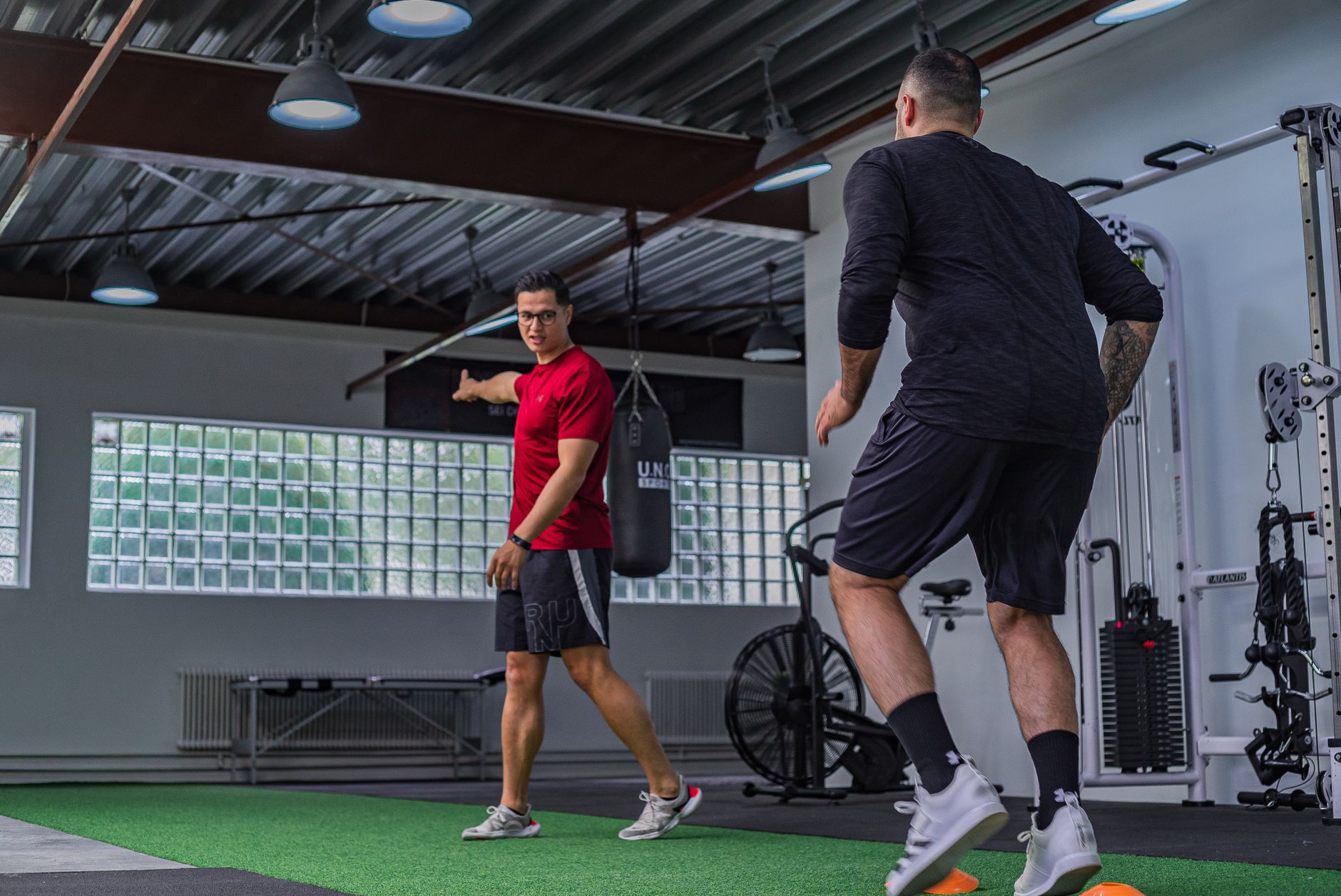
Advanced Coaching Communication Strategies for Coaches
Great coaching communication is often the difference between a client who merely attends and one who adapts, trusts, and performs. In high-stakes training environments, every cue, question, and follow-up message shapes effort, learning, and retention.
Most coaches spend years refining programming, exercise selection, and load management, yet many still underinvest in the communication skills that determine whether the program is actually executed. That gap matters. Research across sport psychology, behavior change, and motor learning shows that athletes and clients respond better when coaches create autonomy, clarity, and psychological safety. In practice, that means your words can increase buy-in, reduce resistance, and improve long-term adherence without changing the exercise sheet at all.
This guide breaks down advanced, science-backed strategies for coaching communication that fitness professionals can apply immediately. Whether you are a fitness mentor working with general population clients or a performance coach managing serious athletes, these tools will sharpen trainer interaction, cueing, conflict repair, and accountability systems so better conversations lead to better training decisions.
Why Coaching Communication Drives Outcomes
Communication shapes effort, learning, and adherence
Coaching is not just information delivery. It is behavior design in real time. A clear cue can improve movement execution, a well-timed question can surface a hidden barrier, and a poorly chosen comment can lower confidence for weeks. Self-determination theory, led by Deci and Ryan, consistently shows that people are more persistent when they feel autonomy, competence, and relatedness. Strong coaching communication directly supports all three.
Consider two versions of the same message. “You need to stop missing sessions” creates defensiveness. “What keeps getting in the way on Tuesdays, and how can we redesign the plan?” invites problem solving. The second message protects dignity while still holding a standard. That is why communication is not soft skill fluff; it is performance infrastructure.
Trust is the gateway to technical coaching
Clients rarely implement advice from coaches they do not trust, no matter how evidence-based the advice is. In sport psychology, the coach-athlete relationship is strongly associated with satisfaction, commitment, and performance behaviors. Before advanced periodization matters, the athlete must believe the coach listens, notices, and adjusts.
If you want a broader framework for these adherence conversations, pair this article with evidence-based behavior change coaching. Good communication turns expertise into action by making the client feel seen, not managed.
Build Psychological Safety as a Fitness Mentor
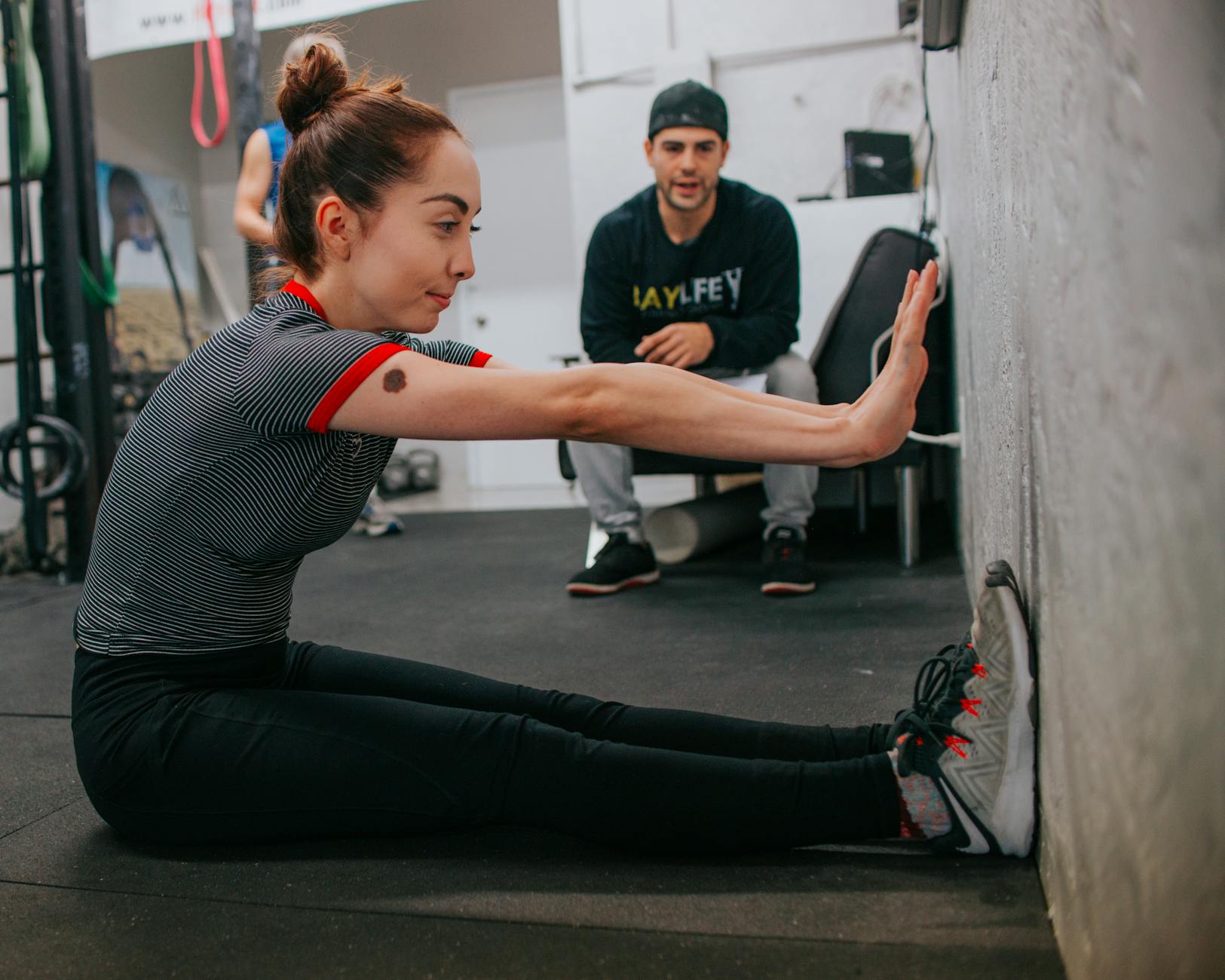
Use autonomy-supportive language
Autonomy-supportive coaching does not mean being permissive. It means giving meaningful rationale, offering constrained choices, and avoiding language that makes clients feel controlled. Instead of “Do exactly this because I said so,” try “This option fits your goal and your current knee tolerance best; if you prefer, we can also use the split squat variation.”
That small shift changes the emotional climate of the session. The client remains accountable, but also feels ownership. This is especially useful with experienced lifters and athletes who value independence. A skilled fitness mentor gives direction while preserving agency.
Calibrate tone, timing, and nonverbal cues
Your content may be correct while your delivery still fails. Facial tension, rushed pacing, talking over clients, or correcting them mid-rep too often can signal threat rather than support. In motor learning, perceived pressure often narrows attention and reduces adaptability, especially in newer trainees.
Research on supportive coaching climates consistently shows that athletes respond better when instruction is paired with respect, clarity, and emotional control from the coach.
In practical terms, correct after the rep when possible, kneel or stand at eye level during difficult conversations, and pause before answering. Calm delivery improves the quality of trainer interaction because the client processes your message as help rather than judgment.
Ask Better Questions and Listen Like a Clinician
Use motivational interviewing to evoke change talk
Motivational interviewing has strong support in health behavior settings because it helps people verbalize their own reasons for change. Instead of persuading harder, coaches can ask open questions that draw out importance, confidence, and next actions. Examples include: “What would consistent training make easier in your life?” and “On a scale of 1 to 10, how confident are you that this plan fits your week?”
When clients say, “I know I feel better when I train in the morning,” that is change talk. Your job is to reinforce it: “That sounds like a pattern worth protecting.” This approach is especially effective when progress stalls due to schedule friction, fear of failure, or mixed priorities.
Use reflective listening and summary loops
Reflective listening is one of the most underused skills in coaching communication. Instead of immediately solving, briefly reflect what you heard: “You are not lacking motivation; you are exhausted by the end of the workday.” Accurate reflections lower defensiveness and improve honesty. They also prevent you from prescribing the wrong intervention.
At the end of the conversation, summarize the plan in one or two sentences and ask for confirmation. That summary loop closes misunderstanding before it becomes noncompliance. For deeper retention strategies, see how to improve client adherence in fitness. Coaches looking to expand their mentoring toolkit can also explore PEAK for continuing education and professional development.
Give Feedback That Changes Movement, Not Just Mood
Prioritize external cues over cue overload
Many coaches talk too much during skill learning. Research by Gabrielle Wulf and others shows that external focus cues often outperform internal cues for performance and motor learning. “Push the floor away” usually works better than “extend your knees and hips aggressively.” The athlete gets a simpler target and can organize the movement more naturally.
Keep your cueing narrow. Give one primary cue, watch the response, then decide whether to layer a second. If three cues are needed at once, the exercise may be too complex for the current task. For more on refining instructions, review exercise cueing for strength coaches.
Use feedback schedules that preserve learning
Constant correction can create dependence. In motor learning, too-frequent augmented feedback improves immediate performance but can reduce retention once the coach is absent. A better model is to let the athlete attempt, self-assess, then receive targeted input. Ask, “What did you feel on that rep?” before you tell them what you saw.
A simple feedback protocol looks like this:
- Rep 1-2: observe without interrupting unless safety is compromised
- Rep 3: ask for self-rating
- One cue: deliver the highest-value correction
- Next set: reassess whether the cue transferred
This method improves awareness, keeps athletes engaged, and reduces the noise that often weakens trainer interaction during technical work.
Handle Resistance, Missed Sessions, and Difficult Conversations
Separate data from judgment
When adherence slips, many coaches accidentally moralize the issue. Saying “You are not committed” attacks identity. Saying “You completed one of three sessions this week” presents data. The first creates shame; the second creates a shared reality. Effective coaches stay behavior-specific and emotionally neutral.
Once the data is clear, move to collaborative diagnosis. Ask whether the barrier is time, recovery, logistics, confidence, or program fit. In many cases, resistance is not laziness but mismatch. The athlete may be overreaching, under-recovered, or unclear on priorities. A good coach investigates before escalating.
Use a repair script after conflict or inconsistency
Every long-term coaching relationship will hit friction. What matters is whether you have a repair process. A useful script is: acknowledge, inquire, align, and reset. “I noticed some tension last session. I want to understand what felt off. Here is what I was trying to accomplish. How should we adjust moving forward?”
This approach preserves standards without avoiding discomfort. It also models professionalism. If the issue is programming fit, support the discussion with better structure using program design principles for personal trainers. Better plans reduce the number of unnecessary hard conversations.
Create a Repeatable Coaching Communication System
Build pre-session, in-session, and post-session touchpoints
Advanced coaches do not rely on charisma alone. They build systems. A simple communication framework includes a brief pre-session check-in, focused in-session cueing, and a post-session recap. The pre-session question might be, “Energy, soreness, and stress out of 10?” That one message can change exercise selection, load, and expectations before problems start.
Post-session communication matters just as much. A short summary with one win, one focus point, and the next appointment improves recall and accountability. For hybrid and online coaches, this becomes essential because much of your trainer interaction happens between sessions rather than on the floor.
Track metrics that show whether communication is working
If you do not measure communication quality, you will overestimate it. Track session attendance, response time to check-ins, completion of home assignments, technique retention from week to week, and subjective buy-in. If a client says “I understand” but repeatedly misses the same target, clarity has not been achieved.
Also track your own patterns. How often do you interrupt? How many cues do you give per set? Do you ask more questions than you answer? Coaches who want to sharpen these habits outside the gym can explore advanced mentor development at PEAK. Strong coaching communication becomes a competitive advantage when it is systemized, reviewed, and improved like any other performance variable.
FAQ: Advanced Coaching Communication for Coaches
What is the difference between coaching communication and simply being motivational?
Motivation is only one part of effective communication. Advanced coaching communication includes listening, questioning, cueing, expectation-setting, conflict repair, and follow-up. A coach can be energetic and still be unclear, overly controlling, or technically noisy.
The best communicators do more than fire people up. They reduce ambiguity, build confidence through competence, and help clients make better decisions when motivation is low. That is what creates consistent results.
How often should a fitness mentor follow up between sessions?
For most general population clients, one concise follow-up between sessions is enough if it is useful rather than intrusive. A message that asks about recovery, barriers, or scheduling can maintain momentum without creating pressure. Competitive athletes may need more frequent check-ins around intense phases or skill blocks.
The key is consistency and relevance. If your messages do not influence training decisions, they become noise. Tie every follow-up to action: next session readiness, nutrition execution, recovery behavior, or habit completion.
What is the best way to correct technique without hurting confidence?
Lead with observation, not accusation. Start with what is working, then give one precise correction attached to the goal of the movement. For example: “Your brace stayed solid. Now let’s make the bar path straighter by pushing the floor away.”
This keeps the athlete oriented toward improvement rather than deficiency. It also prevents the common mistake of turning every set into a running list of errors, which often degrades performance and trust.
How do I improve trainer interaction with online clients?
Online coaching requires more deliberate structure because you lose spontaneous in-person feedback. Use recurring check-in templates, video review with one or two key points, and clear expectations for response times and progress metrics. Written feedback should be brief, specific, and behavior-linked.
It also helps to define your communication lanes: where clients send videos, how emergencies are handled, and when plan changes occur. When the system is predictable, online trainer interaction feels more supportive and less fragmented.
Conclusion: Coaching Communication Is a Performance Skill
At a high level, coaching communication is not separate from coaching results; it is one of the main drivers of them. The best coaches ask better questions, listen more carefully, cue more selectively, and repair friction before it erodes trust. They act like a true fitness mentor, not just a programmer with a loud voice. That is what turns ordinary trainer interaction into long-term adherence, better movement learning, and stronger performance outcomes.
If you want to coach with more clarity and confidence, keep building your evidence-based toolkit through ElitePTS. Explore more coaching resources, refine your systems, and turn every conversation into a better training decision.