



Introduction: The Impact of Ankle Sprains on Athletes
Ankle sprains are one of the most common injuries among athletes, affecting all kinds of sports from basketball and soccer to running and gymnastics. A sprained ankle can sidelined athletes, often leading to frustration, lost training time, and costly medical bills. Understanding ankle sprain recovery and having a sound prevention strategy is crucial for maintaining performance and longevity in sports.
Understanding Ankle Sprains
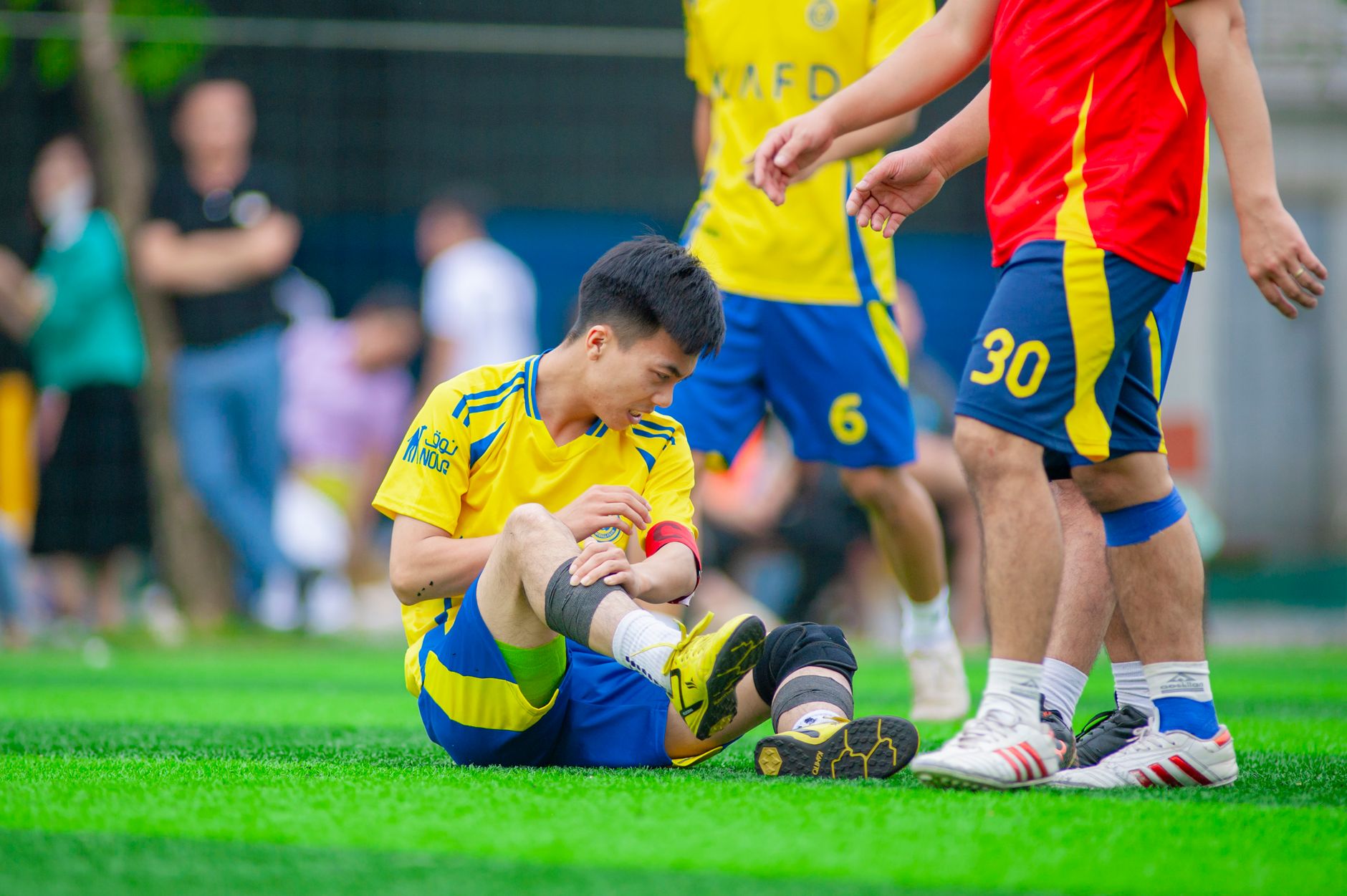
What is an Ankle Sprain?
An ankle sprain occurs when the ligaments that support the ankle stretch beyond their limits and tear. This common injury typically results from awkward landings, sudden directional changes, or stepping on an uneven surface.
Types of Ankle Sprains
There are three grades of ankle sprains:
- Grade I: Mild stretching of ligaments with minor swelling.
- Grade II: Moderate sprain where ligaments partially tear, resulting in swelling and bruising.
- Grade III: Severe sprain involving a complete ligament tear, causing significant swelling and instability.
Risk Factors for Ankle Sprains
Several factors increase the likelihood of sustaining an ankle sprain:
- Previous ankle injuries
- Weak ankle stabilizing muscles
- Improper footwear
- Poor balance and proprioception
Prevention of Ankle Sprains
Strengthening Exercises
Strengthening the muscles around the ankle is one of the most effective ways to prevent ankle sprains. Focus on exercises that target:
- Calves: Heel raises can increase strength.
- Peroneals: Side lunges help strengthen the outer ankle.
- Flexibility: Stretching routines enhance ankle flexibility.
Proprioception Training
Improving balance and body awareness can greatly reduce the risk of ankle sprains:
- Use balance boards or Bosu balls to challenge stability.
- Incorporate single-leg stands in training sessions.
Proper Footwear and Equipment
Using the right shoes for your sport can help prevent ankle injuries. Consider:
Footwear that provides:
- Support and cushioning
- Flexibility where necessary
- Firm grip and traction
Immediate Treatment for Sprained Ankles
The R.I.C.E. Method
The R.I.C.E. method is a widely recommended treatment for acute ankle sprains:
- Rest: Avoid putting weight on the injured ankle.
- Ice: Apply ice for 15 to 20 minutes every few hours.
- Compression: Use an elastic bandage or brace to minimize swelling.
- Elevation: Keep the ankle elevated above heart level.
Medication and Pain Management
Over-the-counter anti-inflammatory medications (e.g., ibuprofen) can help manage pain and swelling. However, consult a healthcare provider for personalized advice.
When to Seek Professional Help
If swelling persists, or if you experience severe pain or inability to move the ankle, seek professional evaluation. Imaging studies like X-rays may be necessary to rule out fractures.
Rehabilitation for Ankle Sprains

Restoration of Movement and Strength
Once the acute phase has passed, focus on regaining motion and strength:
- Range of Motion Exercises: Gently move the ankle in all directions.
- Strength Exercises: Incorporate resistance bands to strengthen ankle often using minimal weights.
Functional Exercises
Tailor functional exercises that simulate the movements of your sport:
- Side shuffles: Repair lateral movement.
- Agility drills: Develop speed and quickness.
Return to Activity Protocols
A structured return-to-sport program should be followed to ensure full recovery before returning to full activity:
- Gradually increase the intensity of training.
- Incorporate sport-specific drills.
- Continue strength and balance training.
Returning to Sport Post-Ankle Sprain
Signs You’re Ready to Return
Assess yourself for readiness to return:
- No pain during activity
- Full range of motion
- Strength equal to the uninjured ankle
Utilizing Supportive Gear
Consider using ankle braces during your return to sport for added stability. Follow guidelines to choose the appropriate brace:
- Seek a brace designed for your sport.
- Ensure a proper fit.
Monitoring Your Progress
Upon returning to sport, closely monitor your ankle's response:
- Increase training gradually, avoiding too much too soon.
- Keep a training journal to track pain levels and performance.
Frequently Asked Questions
How long does it take to recover from an ankle sprain?
Recovery time varies by severity. A Grade I sprain may heal in a few days, while a Grade III can take weeks to months.
Can I prevent ankle sprains completely?
While it's unlikely to prevent all ankle sprains, proactive measures can significantly reduce the risk.
Are there any exercises that can help prevent ankle sprains?
Yes, exercises that focus on balance, strength, and flexibility are effective in ankle sprain prevention.
Should I return to sport after an ankle sprain if it still hurts?
Never return to sport if pain persists. Full recovery is essential to prevent re-injury.
Conclusion: Set Yourself Up for Success
Understanding ankle sprains and implementing prevention strategies are essential for any athlete. Remember to listen to your body, seek help when necessary, and follow a structured rehabilitation protocol.
At ElitePTS, we specialize in helping athletes recover and return to sport safely. Contact us today to learn how we can assist you in developing a personalized training and rehabilitation program!