



Introduction: The Great Debate
When it comes to strength training, one of the most hotly debated topics among fitness enthusiasts is: barbell vs dumbbell. Both forms of free weights are popular choices for resistance training, each boasting unique advantages for muscle building and enhancing overall fitness. In this article, we will delve deep into the differences, benefits, and drawbacks of barbell training and dumbbell exercises, helping you make an informed decision to optimize your workouts.
The Benefits of Barbell Training

Barbells are often considered the gold standard when it comes to weight lifting. Here are some benefits associated with barbell training.
1. Increased Lifting Capacity
Barbells allow for a greater amount of weight to be lifted compared to dumbbells. The bar’s design distributes weight evenly across your body, which can enhance your lifting potential.
- More Stabilization: The ability to lift heavier weights often leads to greater muscle engagement and stabilization.
- Compound Movements: Barbell exercises, such as deadlifts and squats, engage multiple muscle groups, which can accelerate muscle growth.
2. Improved Progress Tracking
Barbells come in standardized weights, making it easy to track progress with incremental lifts.
- Progressive Overload: It’s easier to apply progressive overload, a key principle in muscle building.
- Structured Learning: They provide a foundational element for learning proper lifting techniques.
3. Increased Power and Explosiveness
Exercises like the Olympic lifts (clean and jerk, snatch) developed with barbells can enhance power and explosiveness, crucial for athletes.
Research has shown that explosive strength training can enhance athletic performance and muscle hypertrophy.
Dumbbell Exercises: The Versatile Option

Dumbbells provide an excellent alternative to barbells, offering unique perks for muscle growth.
1. Improved Range of Motion
Dumbbells allow for a greater range of motion in many exercises.
- Greater Muscle Engagement: The ability to move freely can help engage stabilizer muscles and promote balanced strength.
- Customizable Workouts: You can modify movements to suit your needs, allowing for more creative workout routines.
2. Unilateral Training Benefits
Dumbbells offer the chance to work each side of the body independently.
- Correcting Imbalances: Unilateral training can help address muscle imbalances, reducing injury risk.
- Core Stability: Many dumbbell exercises engage the core significantly due to the nature of movement.
3. Portability and Convenience
Dumbbells are easier to store and transport, allowing for home workouts or fitness on the go.
From living rooms to parks, dumbbells can fit seamlessly into any workout routine.
Comparative Analysis: When to Use Each
Both barbells and dumbbells play vital roles in weight training. Understanding when to use each can maximize your training results.
1. Overall Strength vs. Isolation Work
Barbells shine in compound movements aimed at overall strength, whereas dumbbells are particularly effective for isolation exercises:
- Barbell Exercises: Squats, bench presses, deadlifts.
- Dumbbell Exercises: Lateral raises, tricep extensions, chest flies.
2. Beginners vs. Experienced Lifters
Beginners may find barbells intimidating; therefore, starting with dumbbells might be beneficial to build foundational strength before progressing. Experienced lifters may prefer to utilize both.
3. Specific Goals and Outcomes
Your individual fitness goals should dictate your choice between the two:
- Muscle Hypertrophy: Both can achieve this, but a combination may yield optimal results.
- Athletic Performance: Focus on barbells for power development.
Practical Tips for Combining Both Tools
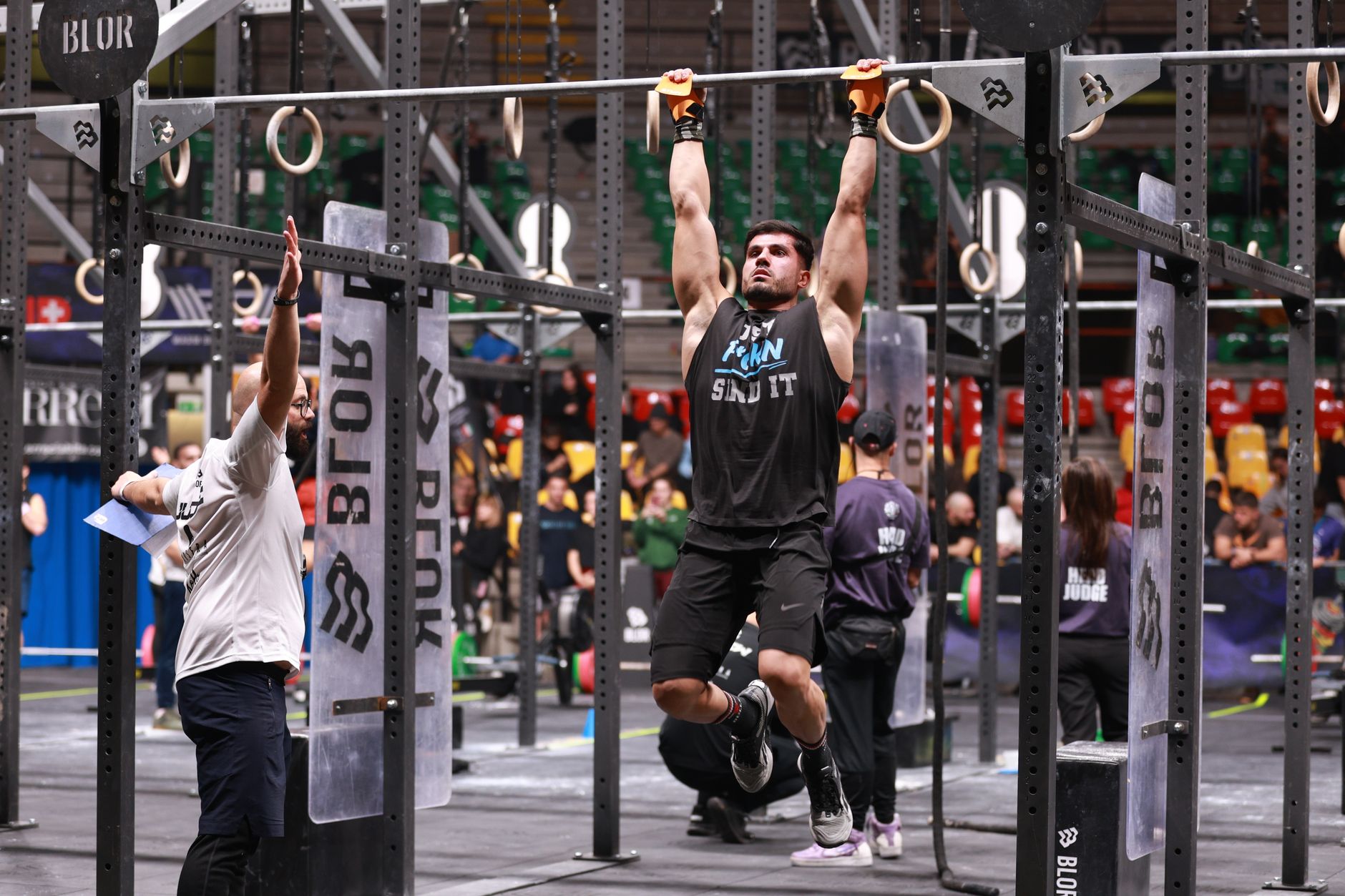
Integrating both barbells and dumbbells into your routine can yield great benefits:
1. Balanced Workouts
Try incorporating both types into your weekly training regimen. Balance compound lifts with isolation exercises to hit all muscle groups.
2. Periodization Strategy
Incorporate cycles of heavy barbell training followed by phases focused on dumbbell work for recovery and stabilization.
3. Challenge Yourself
Switch between the two for exercises like bench press and shoulder press, alternating each workout to stimulate different muscle fibers.
FAQs on Barbell vs Dumbbell
1. Which is better for beginners, barbells or dumbbells?
For beginners, dumbbells are often recommended as they are easier to control and allow for better movement patterns.
2. Can I build muscle with just dumbbells?
Yes, dumbbell exercises can be highly effective for muscle building, especially when incorporated into a balanced routine.
3. Do I need both barbells and dumbbells?
Having both tools can provide more versatility in your training, allowing for a wider variety of exercises and adapting to specific goals.
4. How often should I switch between barbells and dumbbells?
Consider reviewing your training program every 4-6 weeks and incorporate both types depending on your workout goals and progress.
Conclusion
In the battle of barbell vs dumbbell, the best choice can depend on your individual goals, experience level, and preferences. Both tools have unique strengths that can complement each other in a comprehensive strength training program. Whether you opt for the heavy lifting capabilities of barbells or the versatility of dumbbells, make sure to incorporate these exercises effectively. If you’re serious about optimizing your muscle building efforts, consider reaching out to ElitePTS for personalized training and guidance tailored to your needs.