


Introduction
In the realm of sports, competitive confidence is not just an asset; it’s a prerequisite. Whether you’re a seasoned athlete or an ambitious newcomer, the mental game often influences performance as much as physical training. Building unshakeable competitive confidence can be the difference between achieving your goals and falling short. In this article, we will explore actionable methods and insightful data that shape a winning confidence athlete mindset.
The Foundation of Competitive Confidence

Understanding the core components of competitive confidence is essential for athletes. Many factors contribute to a robust mindset, including:
- Self-belief: The conviction in your skills and abilities.
- Experience: Past performances that reinforce or undermine confidence.
- Preparation: The physical and mental readiness for competition.
Self-Belief and Its Impact
Self-belief is crucial in cultivating competitive confidence. Research shows that athletes with a strong belief in their abilities perform better under pressure. According to a study published in the Journal of Sports Psychology, athletes with high self-efficacy often outshine their less confident counterparts.
Experience Matters
Experience plays a pivotal role in fostering confidence. Regular performance, training, and encountering various competition scenarios help athletes build a reservoir of knowledge that boosts confidence. This ‘experience bank’ can be drawn upon, especially during tense moments.
Preparation and Performance
The mantra of 'practice makes perfect' rings true in enhancing competitive confidence. Well-structured training sessions prepare athletes both physically and mentally, bridging the gap between readiness and self-assurance.
Techniques for Building Athletic Confidence

There are various strategies that athletes can implement to enhance their athletic confidence. Below are some techniques supported by science.
Visualization Techniques
Visualization, or mental imagery, is a powerful tool used by elite athletes. A study conducted by Graham Jones at the University of Exeter found that athletes who visualize their performance see improvements in their psychological readiness. Imagine yourself performing well, executing perfect movements, and achieving your objectives.
Positive Self-Talk
Positive self-talk can reshape your mental landscape. Instead of focusing on past mistakes or what-ifs, cultivate an inner dialogue that emphasizes your strengths and capabilities. Replace negative thoughts with affirmations, such as “I am capable,” or “I trust my training.”
Goal Setting
Setting achievable goals can significantly bolster performance confidence. The SMART (Specific, Measurable, Achievable, Relevant, Time-bound) criteria for goal-setting keeps athletes focused, motivated, and confident as they reach milestones. A study published in the International Journal of Sport Psychology confirms that clear goals improve focus and reduce anxiety.
Overcoming Performance Anxiety
Performance anxiety can sap your confidence and hinder peak performance. Recognizing the symptoms can help you develop coping strategies.
Identifying Triggers
Understanding what triggers your performance anxiety is the first step. Identify situations or thoughts that elevate stress levels. This awareness allows you to prepare mentally for challenging scenarios.
Breathing Techniques
Techniques like deep breathing can reduce anxiety levels. According to a study by the American Psychological Association, controlled breathing techniques have been linked with lower anxiety and improved focus.
Mindfulness Practices
Mindfulness encourages focus on the present moment rather than dwelling on the past or worrying about the future. Engaging in mindfulness can help athletes channel competitive energy positively, thereby improving sport confidence training.
The Role of Support Systems
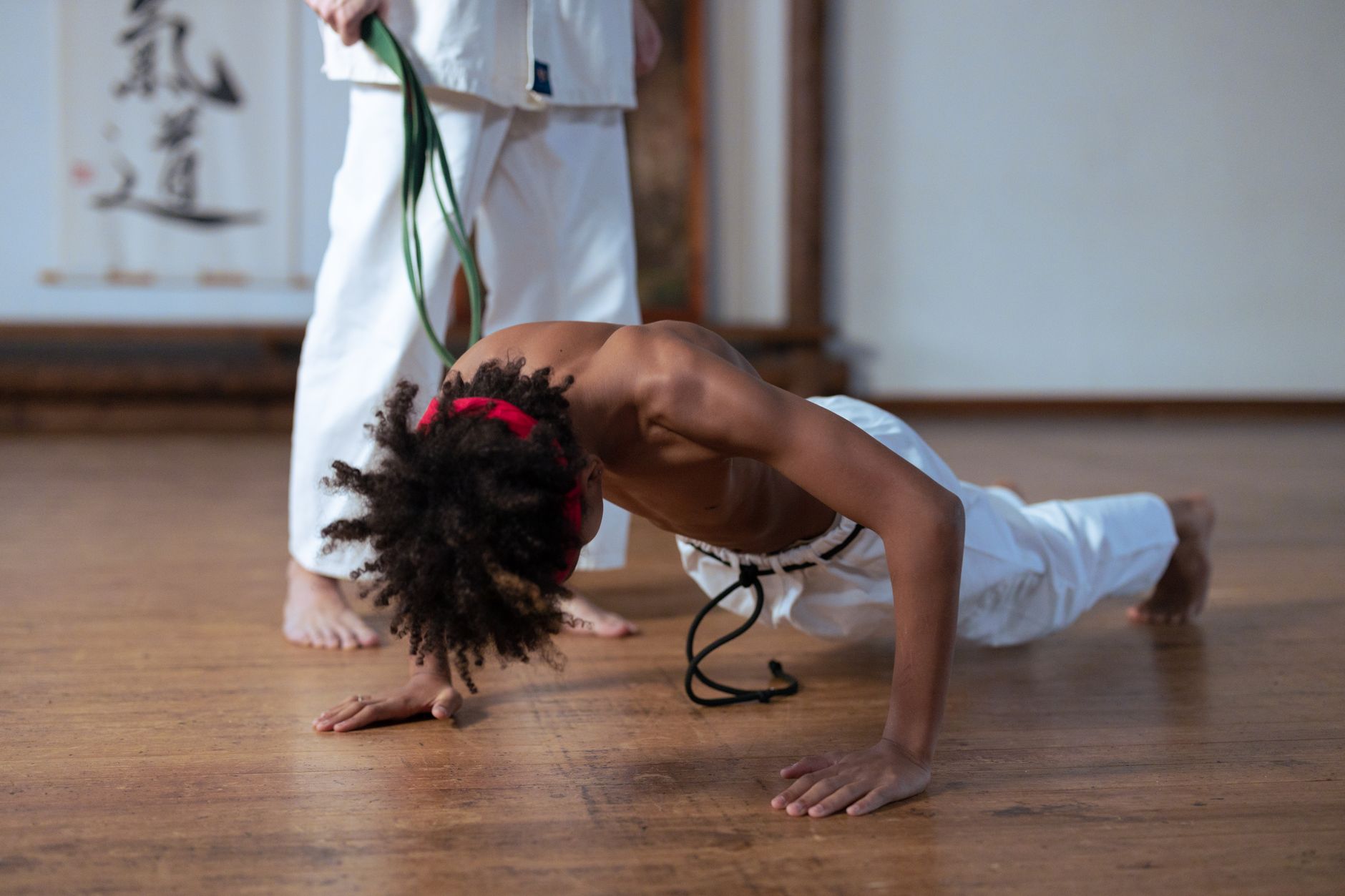
Having a solid support network can amplify confidence athlete mindset. Surrounding yourself with individuals who encourage and boost morale is invaluable.
The Coach-Athlete Relationship
A strong rapport with your coach can enhance confidence significantly. Coaches who provide constructive feedback and foster an environment of trust create a safe space for athletes to express vulnerabilities. Some studies have shown that athletes with supportive coaches report higher levels of confidence.
Peer Support and Team Dynamics
Peer support can mitigate the effects of stress and anxiety. Team environments that promote positively reinforcing behaviors increase individual athlete confidence through camaraderie and mutual encouragement.
Family and Friends
Family members and friends who understand your sport and personal goals can offer encouragement and unwavering support. Their belief in your abilities can also help you believe in yourself, strengthening your competitive confidence.
Building Resilience Through Challenges
Resilience is the ability to bounce back from setbacks, an essential component in building competitive confidence.
Embracing Failures
Failures and setbacks should be viewed as opportunities for growth. A phrase often repeated in sports circles is, “You learn more from loss than victory.” Each setback can teach valuable lessons, enhancing both experience and resilience.
Adaptability in Face of Adversity
Flexibility in your training and mindset can create resilience. Athletes who can adjust to changing circumstances often cope better and maintain their competitive confidence.
Feedback and Reflection
Regularly seeking feedback from coaches and peers can provide insights that facilitate growth. Moreover, creating a habit of reflection allows you to ponder your performances critically, identifying areas for improvement.
Frequently Asked Questions
How can I improve my competitive confidence quickly?
Begin practicing positive self-talk and visualization techniques. Setting small, achievable goals can also boost your confidence rapidly.
What should I do if I struggle with performance anxiety?
Identify your anxiety triggers, practice mindfulness, and engage in breathing techniques. Seeking support from coaches or friends can also help.
Is competitive confidence something that can be learned?
Absolutely! Competitive confidence can be cultivated through consistent practice and the right mental strategies.
How important is the role of a coach in building confidence?
A coach plays a critical role in developing an athlete’s confidence. They can provide guidance, reinforcement, and constructive feedback necessary for growth.
Conclusion
Building unshakeable competitive confidence is a journey, influenced by many factors such as mindset, preparation, and support structures. By embracing strategies like visualization, positive self-talk, and setting achievable goals, athletes can significantly enhance their competitive confidence. Remember that challenges are part of the journey, and resilience builds strength. For personalized guidance on enhancing your performance, consider reaching out to the experts at ElitePTS. Together, let’s cultivate the champion within you!