



Choosing the Best Personal Trainer Certification
The best personal trainer certification is not the one with the loudest marketing. It is the one that helps you pass efficiently, coach safely on day one, and earn trust in the exact market you want to serve. If you are stuck in a fitness certification comparison or debating NSCA vs NASM, the wrong choice can cost you months of momentum and thousands in lost income.
Choosing a personal trainer certification is really a decision about career fit, coaching depth, and return on investment. A credential should do three jobs: prove baseline competence, teach usable systems, and open doors with employers, insurers, and clients. For a coach in Edmonton or anywhere else, that means looking beyond shiny study portals and asking harder questions: Is the certification accredited? Does it prepare you for the people you actually want to coach? Will it help you build better assessments, better programs, and better client retention? At ElitePTS, we care less about brand hype and more about what creates real coaching results. If you want to build stronger onboarding systems after certification, start with a solid client assessment system so your first session already looks professional and evidence-based.
What Makes a Personal Trainer Certification Worth It?
Accreditation, exam rigor, and employer trust
Start with accreditation. In most cases, the safest filter is NCCA accreditation or a widely recognized equivalent in your market. That matters because accredited exams are built with psychometric standards, job-task analysis, and defensible pass/fail processes. In plain English: they are more likely to test actual entry-level coaching competence instead of random trivia.
Do this before you buy any package: check whether the cert is accepted by the gyms you want to work at, whether your insurer recognizes it, and whether CPR/AED is required. A good rule is simple: shortlist only certifications that require a proctored exam, have a continuing education pathway every 2-3 years, and are recognized by employers in your niche. If a certification cannot clear those three filters, treat it as an add-on course, not your primary credential.
Curriculum depth and Monday-morning coaching transfer
A certification should improve what you do with a real human standing in front of you. That means the curriculum must cover movement screening, exercise regressions and progressions, contraindications, program design, behavior change, and basic nutrition scope of practice. Memorizing muscle origins is useful only if it helps you cue, modify, and load exercises better.
Use a 100-point scorecard before enrolling: 25 points for accreditation and employer recognition, 20 for exercise science depth, 20 for practical coaching systems, 15 for client population fit, 10 for exam prep quality, and 10 for total cost. If a cert scores under 80 for your situation, keep shopping. That simple rubric prevents emotionally driven purchases and forces a coach-level decision.
Education research consistently shows that spaced retrieval and practice testing beat passive rereading for long-term retention. The best certification is one you can study actively, recall under pressure, and apply on the gym floor immediately.
NSCA vs NASM: Which One Fits Your Career?
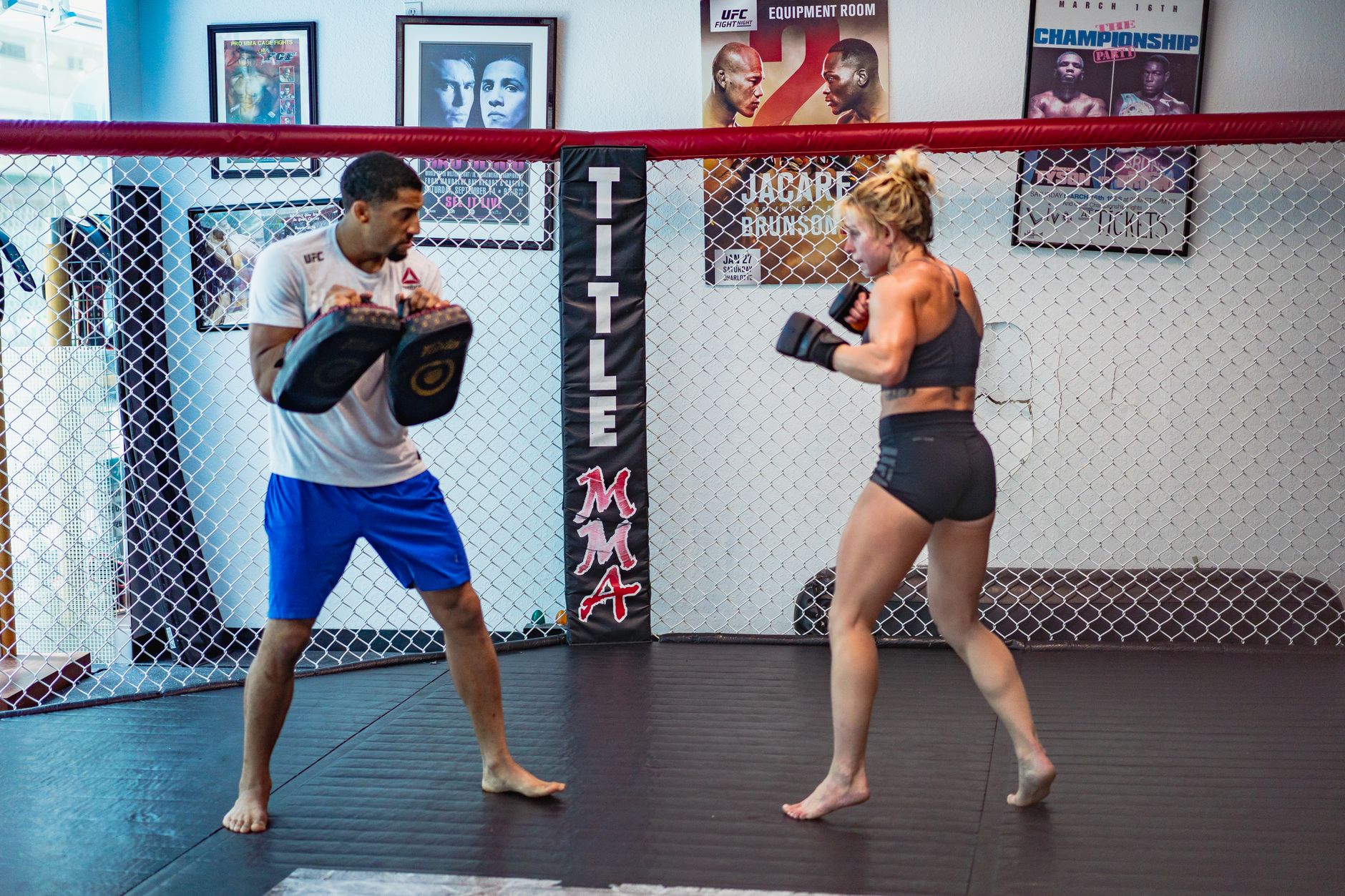
Choose NSCA if you coach performance, strength, or athletes
In the NSCA vs NASM debate, NSCA usually wins for coaches who want stronger grounding in exercise science and performance training. The NSCA-CPT tends to appeal to coaches working with athletes, serious lifters, and performance-focused general population clients. Its ecosystem also connects well with the CSCS pathway, which can matter if your long-term goal is collegiate, tactical, or high-performance work.
In practice, NSCA is a better fit when your coaching day involves questions like how to progress sprint mechanics, organize power work before strength work, or periodize an off-season plan. A hockey athlete, for example, may need 3-5 sets of 3-6 reps on compound lifts, 2-3 minutes rest, and clear weekly volume management. If that sounds like your world, NSCA aligns well with learning how to apply progressive overload in a performance setting. The tradeoff is that many beginners find NSCA denser and less hand-holding than NASM.
Choose NASM if you want a structured system for general population
NASM is often the more efficient starting point for coaches entering commercial gyms, onboarding general population clients, or wanting a structured framework right away. Its OPT model gives newer trainers a usable template for stabilization, strength, and hypertrophy progressions. That matters because a new coach often needs a repeatable system more than theoretical depth.
NASM also tends to be strong in packaging, study tools, and mass-market recognition. If 70-80% of your future clients are busy adults who want fat loss, better movement quality, and accountability, NASM can be a smart launch credential. The limitation is that some performance coaches outgrow it quickly and need deeper strength-and-conditioning education later. If you want to stack broader coach development after certification, use the PEAK education hub to keep building practical skills beyond the exam.
Fitness Certification Comparison: ACE, ACSM, ISSA, and CSEP
ACE and ISSA: strong options for beginners and online coaches
ACE is underrated for one major reason: behavior change. Research on exercise adherence consistently shows better outcomes when coaches use autonomy support, self-monitoring, and simple habit systems. ACE tends to address communication and client adherence better than many science-heavy certifications, which is valuable if your business depends on average people staying consistent for 6-12 months.
ISSA can work well for self-starters, especially coaches focused on online training, flexible study timelines, and entrepreneurship. The caution is simple: confirm employer and insurer acceptance before purchasing, because not every gym values every credential equally. For the coach who wants fast entry and strong lifestyle-coaching relevance, ACE and ISSA can both be practical, but they are usually less ideal than NSCA for a coach whose brand is built around athletic performance.
ACSM and CSEP: better for clinical, screening, and Canada-specific paths
ACSM makes the most sense when your lane overlaps with medical fitness, risk stratification, or special populations. If you want to work with deconditioned adults, cardiac-risk populations, or rehab-adjacent facilities, ACSM's reputation is a real advantage. It may not be the flashiest marketing brand, but it carries strong credibility where safety and screening matter most.
For Canadian coaches, CSEP deserves serious attention. In some settings across Canada, including municipal, educational, and health-related environments, CSEP can carry stronger local recognition than a U.S. certification. If you plan to stay in Alberta long-term, ask employers directly which credentials they prioritize. A simple 10-email outreach campaign to local gyms, clinics, and performance centers will tell you more than hours of browsing sales pages.
Choose by Client Type, Business Model, and ROI
Match the certification to the clients you actually want
The biggest mistake in a fitness certification comparison is choosing based on brand prestige instead of business reality. Write down your next 20 ideal clients. If most are athletes or strength-focused lifters, lean NSCA. If most are general population weight-loss clients, NASM or ACE may create faster practical traction. If most are older adults or medically complex clients, ACSM or CSEP may be safer bets.
Use this quick matching system: athletes = NSCA, commercial gym beginners = NASM, behavior-change-heavy coaching = ACE, clinical-adjacent = ACSM, Canada-specific public or health settings = CSEP. If your revenue plan is built around body composition and adherence, pair your first cert with strong systems for evidence-based fat loss coaching rather than chasing the most difficult exam for ego points.
Calculate total cost, recertification, and payback period
Most coaches underestimate the real cost of certification. Your total number usually includes the course or exam package, CPR/AED, textbooks or practice tests, recertification fees every 2-3 years, and continuing education credits. In many cases, the real first-year cost lands between $700 and $1,800. That is not expensive if the credential starts producing clients quickly, but it is expensive if it delays your launch.
Run this formula: breakeven clients = total certification cost / net profit per starter package. If your total cost is $1,200 and you net $400 from each 10-session starter package, you need just 3 clients to break even. That is the kind of math that should drive your decision. A slightly less prestigious certification that gets you hired and coaching next month can outperform a better-known one that sits unfinished on your laptop.
6-Week Protocol to Pass Your Certification and Coach Better
Weeks 1-4: build recall, not fake confidence
Use a six-week study block with 5 days per week and 60-90 minutes per day. Spend roughly 40 minutes on concept review, 20 minutes on retrieval practice, and 10-20 minutes on flashcards or error correction. Every week, complete one 50-question quiz and track weak domains: anatomy, acute program variables, contraindications, or assessment logic.
The hack most candidates miss is this: every study session should end with one practical case. Example: write a first-week plan for a 42-year-old beginner with knee discomfort and fat-loss goals. That forces you to connect theory to exercise selection, volume, intensity, and coaching language. If you want faster transfer, review how expert coaches coach exercise technique so your exam prep doubles as floor prep.
Weeks 5-6: peak for the exam, then build your first 30 coaching days
In week 5, take two full mock exams under timed conditions. Your target is 80% or better before test day, with no domain below 70%. In week 6, reduce volume, review only weak areas, and prioritize sleep. Aim for 7.5-9 hours the two nights before the exam. If you use caffeine, keep it familiar; around 2-3 mg/kg is plenty for alertness without frying focus.
After you pass, your first 30 days should include three deliverables: a standardized intake form, three base programs, and one follow-up system. Build one novice strength template, one fat-loss template, and one athletic movement template. Then schedule client check-ins every 7 days for the first month. That cadence is supported by adherence research and gives you a professional rhythm immediately, which matters more than collecting another certificate too soon.
FAQ: Choosing the Best Personal Training Certification
Is the hardest certification automatically the best?
No. Difficulty does not equal fit. The best personal trainer certification is the one that matches your target client, gets recognized by your market, and teaches usable systems you can apply right away.
If your goal is high-performance coaching, a tougher science-heavy route may be worth it. If your goal is getting hired in a general population gym next month, a more structured and accessible cert may produce better ROI.
Do gyms prefer NSCA or NASM?
Many commercial gyms accept both, but they often use them differently. NASM is common in big-box settings because it is widely recognized and approachable for new trainers.
Performance gyms, athlete-focused facilities, and strength-centered environments often lean more toward NSCA. Before buying either, contact 5-10 facilities in your area and ask what they hire for most often.
Can I work in Canada with a U.S. certification?
Usually yes, but the answer depends on the employer, insurer, and setting. In private studios and commercial gyms, U.S. certifications like NASM or NSCA are often accepted.
In some Canadian public, academic, or health-linked environments, CSEP may carry more local weight. If you are planning a long-term Alberta career, verify requirements before enrolling instead of assuming all credentials are treated equally.
Should I add a nutrition certification right away?
Only after you can already assess, program, and retain clients well. Your first bottleneck is rarely lack of advanced nutrition knowledge; it is usually onboarding, adherence, cueing, and session delivery.
Once you have coached 20-30 clients, a nutrition course can raise your value if it stays within scope of practice. For structured continuing education, the PEAK platform is a smart next step after your primary certification is in place.
Choosing the best personal trainer certification comes down to one principle: pick the credential that best fits the people you want to coach, the business you want to build, and the standards your market respects. In the classic NSCA vs NASM debate, neither is universally better; one is simply better for your lane. Use accreditation, curriculum fit, real cost, and employer demand as your filters, then follow a strict study protocol so the credential becomes a skill set, not just a logo.
If you want to turn certification knowledge into real coaching results, keep building with Elite Catalyst at ElitePTS Articles. You will find evidence-based systems for assessment, exercise technique, program design, and client results so your certification becomes the starting line for better coaching, not the finish line.