



Introduction
When it comes to coaching athletes vs general population training, the differences may seem subtle at first. However, they are profound in practice. Understanding these distinctions can enhance training outcomes for both groups and tailor a personal trainer’s approach to meet individual needs.
Whether you’re a fitness enthusiast looking to improve performance or a coach seeking to refine methods, this guide will help clarify key differences and aid in developing effective training strategies.
The Athlete’s Mindset
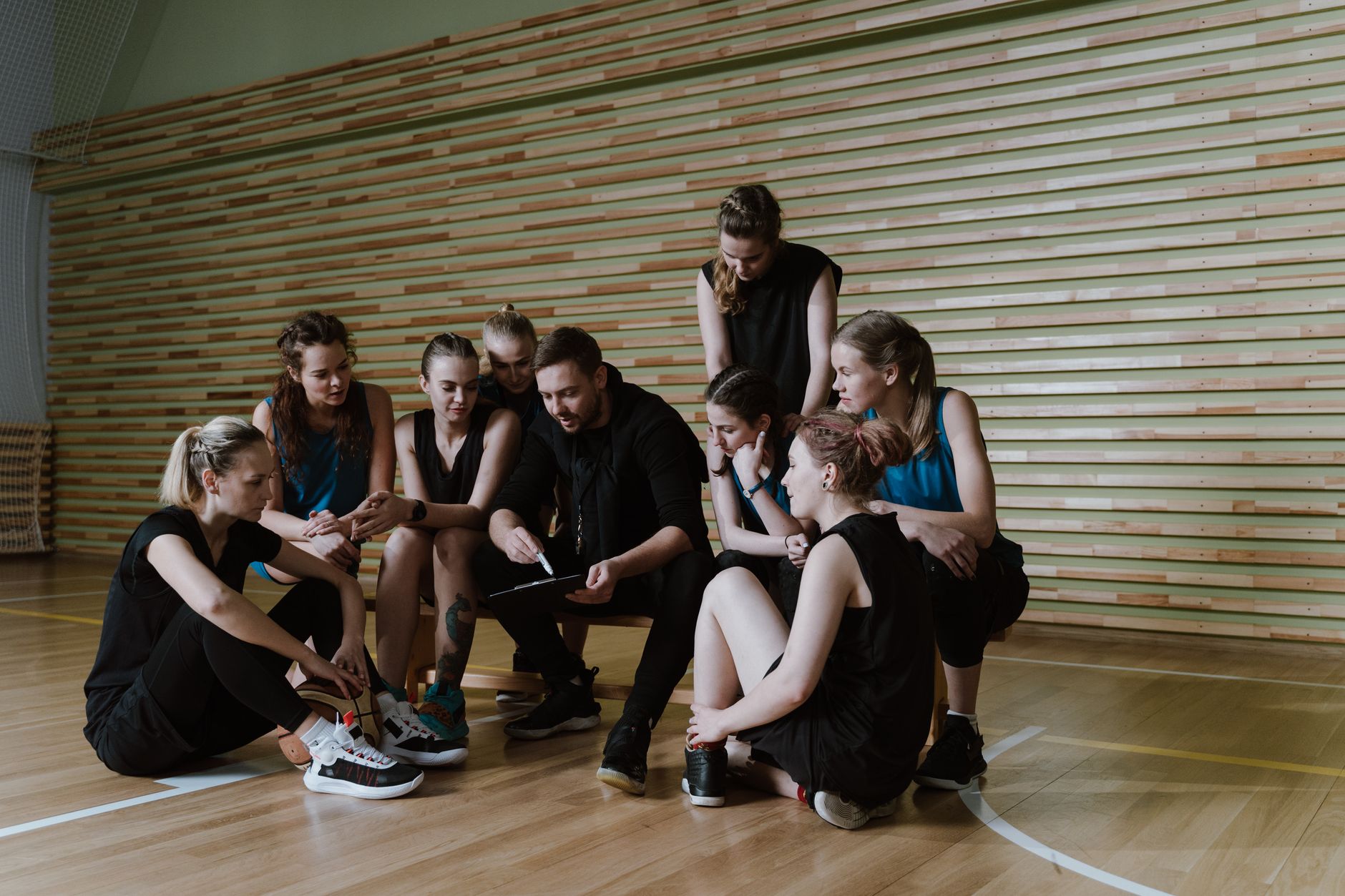
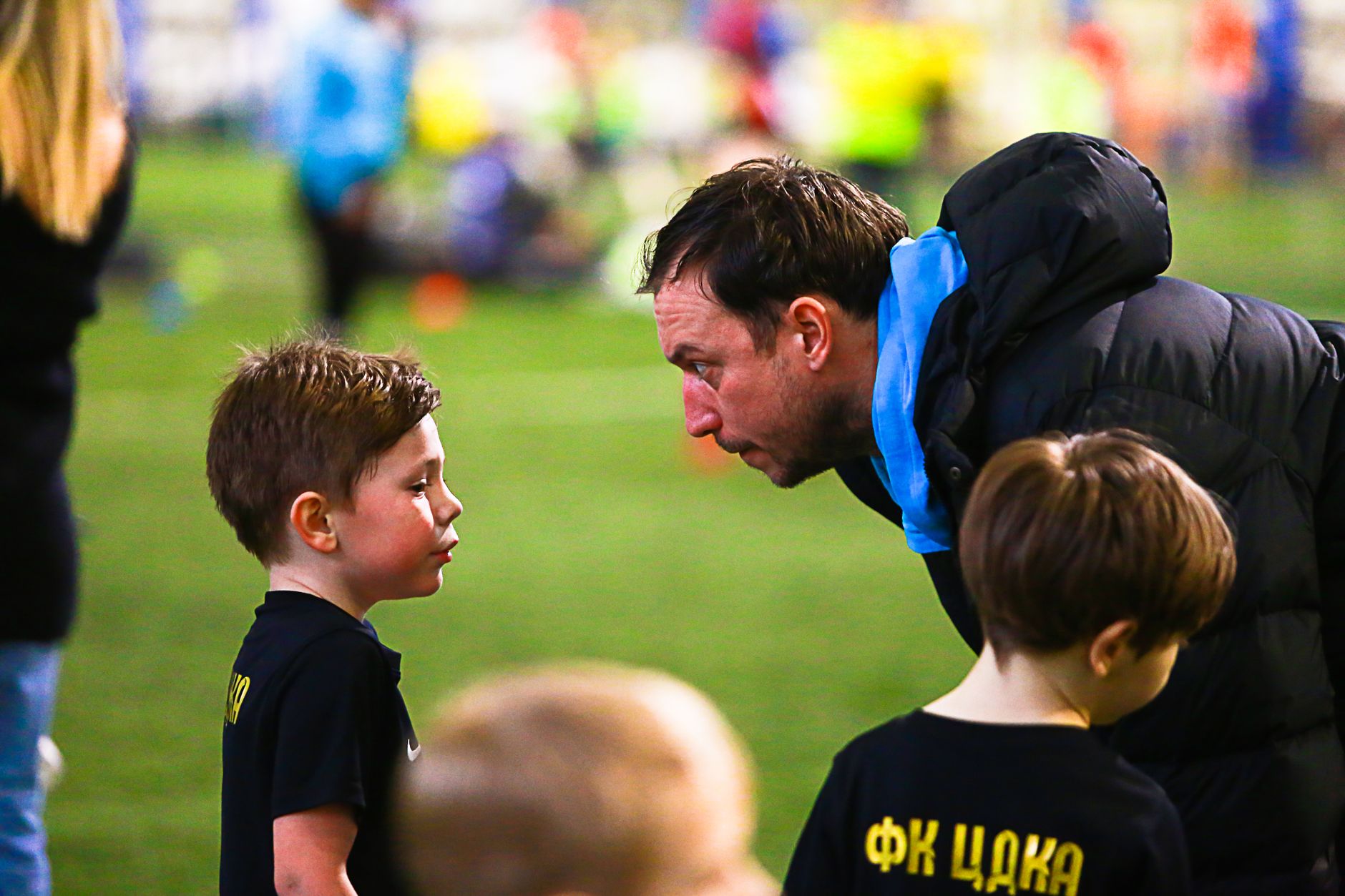
Athletes often possess a unique mindset characterized by goals, drive, and discipline, which is often lauded in competitive environments.
Goal Orientation
Athletes are generally focused on performance metrics, such as:
- Improving specific skills (e.g., speed, agility)
- Aiming for competition success
- Tracking progress with precise measurement tools
This athlete coaching approach requires trainers to set tangible milestones and regularly evaluate progress.
Resilience to Pain
In contrast to the general population, athletes may tolerate higher pain levels and perceive discomfort in training as part of their journey. This resilience highlights the need for specialized coaching strategies that account for these psychological factors.
General Population Needs
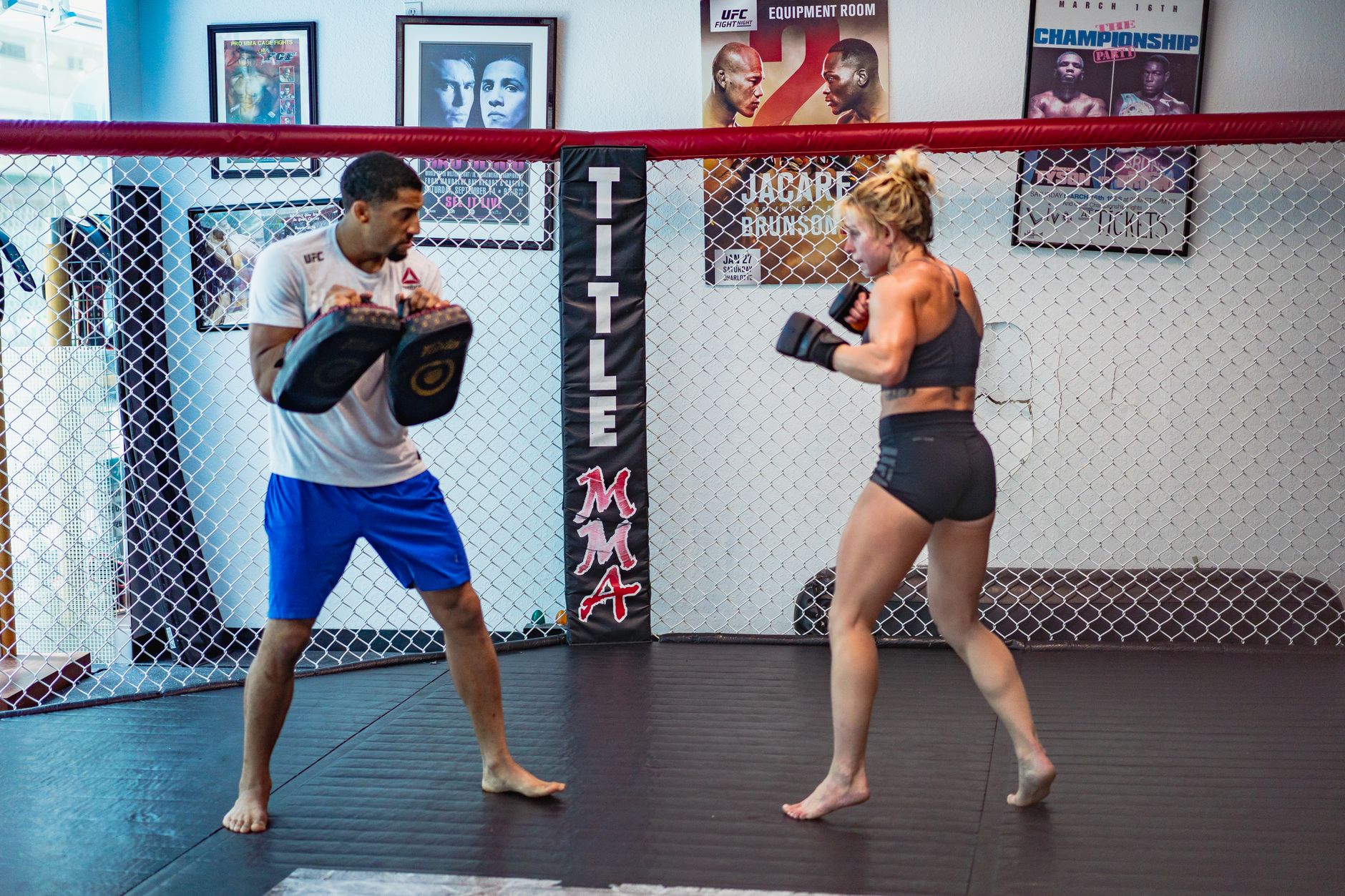
Coaching the general population requires a very different approach focused on varying fitness levels and personal motivations.
Diverse Goals and Motivations
General fitness enthusiasts may have varied objectives including:
- Weight loss
- Stress relief
- Improving health and wellness
Such diverse goals demand a personal trainer to employ flexible methods tailored to individual client needs.
Injury Prevention Considerations
General population clients might not be conditioned for strenuous training, making injury prevention paramount. Effective trainers should emphasize foundational movements and progressively build capacity to ensure safety.
Training Strategies: Athletes vs. General Population
Distinct strategies are necessary when comparing sports vs fitness coaching methodologies.
Program Design
Athlete training programs often feature:
- High-intensity, sport-specific drills
- Structured periodization across training cycles
- Emphasis on recovery and nutrition to optimize performance
In contrast, general population programs tend to:
- Prioritize accessibility and enjoyment
- Incorporate functional movements
- Enhance overall health and fitness
Assessment and Progress Tracking
For athletes, assessments may include:
- Performance metrics (e.g., speed tests, strength assessments)
- Skill-based evaluations
For the general population, basic assessments may suffice:
- Body composition analysis
- Functional movement screenings
Communication Styles

Effective coaching requires understanding how to communicate differently with athletes versus the general population.
Feedback and Motivation
Athletes often appreciate direct feedback and constructive criticism to push their limits. General population clients may benefit more from encouragement and positive reinforcement to maintain motivation.
Education and Empowerment
Trainers should educate athletes on technical aspects of their sport, while general population clients appreciate holistic lifestyle coaching that empowers them to make lasting changes.
Common Misunderstandings
Many misconceptions exist around coaching methodologies, particularly regarding the capabilities and needs of different groups.
One Size Fits All
A common mistake is to apply the same training routines across both populations. This approach disregards individual needs and can lead to suboptimal results.
Underestimating the General Population
While athletes may require advanced techniques, general populations also seek efficient program designs that lead to tangible results without life disruptions.
Actionable Advice for Personal Trainers
Enhancing your coaching practice requires implementing tailored strategies based on athlete or client classification.
Assess Before You Progress
Always conduct thorough assessments to understand your client’s needs and limitations, whether they are an athlete or part of the general population.
Focus on Individual Goals
Create customized plans that resonate with your client’s aspirations, maximizing their commitment and enthusiasm toward training.
Frequently Asked Questions
What is the main difference in training athletes and the general population?
Athletes have performance-based goals that require specific training protocols, while the general population often focuses on general health and fitness.
How does a coach support an athlete’s mindset?
By encouraging resilience, setting competitive goals, and cultivating a sense of discipline through structured training programs.
Can general population clients train like athletes?
While aspects of athlete training can benefit enthusiastic fitness clients, it's critical to adapt intensity and specificity to avoid injury.
Conclusion
Understanding the key differences between coaching athletes vs general population is vital in providing effective training solutions. By recognizing individuals' unique needs, personal trainers can create tailored programs that enhance performance and well-being. At ElitePTS, we aim to elevate your fitness journey whether you’re an athlete or a general fitness enthusiast. Reach out today to learn more about how our specialized training can support your goals!