



Introduction: The Challenge of Midlife Fitness
As men enter their 40s, staying fit can feel more challenging than ever. Changes in metabolism, hormonal levels, and lifestyle can make it hard to maintain and regain peak fitness. However, with the right approach and coaching strategies, men can overcome these challenges and achieve remarkable fitness levels. In this article, we explore how to effectively coach men over 40, leveraging evidence-based methods and practical advice to maximize their potential.
Understanding the Physiological Changes After 40
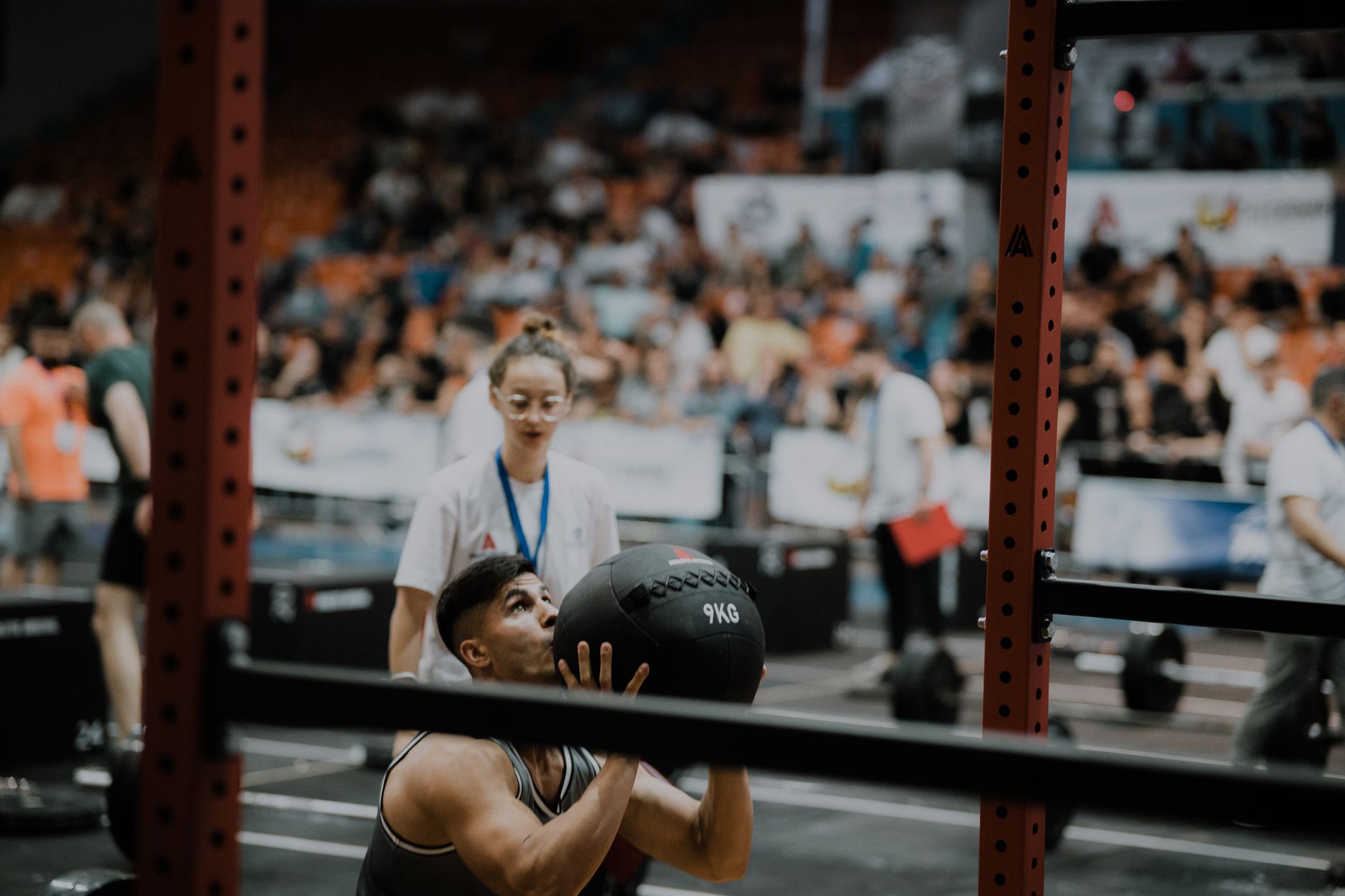
Before devising a training program, it's crucial to understand the physiological changes men experience as they age.
1. Hormonal Shifts
- Testosterone Levels: Testosterone levels decline by about 1% each year after 30. This affects muscle mass, recovery, and energy levels.
- Growth Hormone: Production decreases, impacting recovery and muscle synthesis.
2. Metabolism Changes
Metabolism slows down, making it easier to gain weight and harder to lose it. This necessitates a change in dietary strategies and exercise intensity.
3. Joint and Muscle Health
Muscle mass naturally declines with age, leading to potential injuries if proper precautions aren’t taken. Understanding this can help in crafting suitable programs that prioritize injury prevention.
Crafting the Ideal Training Program for Men Over 40

An effective coaching program must tailor workouts to accommodate these physiological changes.
1. Incorporating Strength Training
- Frequency: Aim for strength sessions at least 2-3 times per week.
- Focus on Compound Movements: Exercises such as squats, deadlifts, and bench presses engage multiple muscle groups.
2. Importance of Flexibility and Mobility Work
Incorporate stretching and mobility exercises to enhance joint health and reduce injury risks.
- Dynamic Warm-Ups: Use these before workouts to prepare your body.
- Static Stretching: Include this post-workout to promote recovery.
3. Cardiovascular Activity
Encourage a mix of moderate and high-intensity cardiovascular training, focusing on both endurance and recovery.
- HIIT: High-Intensity Interval Training can be beneficial for fat loss and cardiovascular health.
- Steady-State Cardio: This should be included for long-term endurance and heart health.
Nutrition: Fueling the Body After 40
Nutrition plays a pivotal role in fitness, especially for men over 40. A personalized nutrition plan can aid in reaching peak fitness.
1. Adjusting Macronutrients
- Protein Requirements: Aim for at least 1.2 to 2.0 grams of protein per kilogram of body weight to support muscle maintenance.
- Healthy Fats: Include sources of Omega-3s and reduce saturated fats.
2. Staying Hydrated
As hydration levels can impact performance, remind clients to maintain adequate fluid intake throughout the day, especially during workouts.
3. Mindfulness in Eating
Encourage clients to practice mindful eating, focusing on hunger cues and avoiding emotional eating.
Setting Realistic Goals and Expectations

It's essential to assist clients in setting achievable and realistic fitness goals tailored specifically for their lifestyle and capabilities.
1. Short-Term vs. Long-Term Goals
- Short-Term Goals: Can include weight loss, strength tests, or completing a specific workout.
- Long-Term Goals: Might involve competing in an event or reaching a body composition target.
2. Emphasizing Consistency Over Perfection
Remind your clients that consistency is key to making progress, rather than aiming for perfection in every workout.
Overcoming Psychological Barriers
Men over 40 may face psychological barriers that can hinder their fitness journey.
1. Building Self-Efficacy
Strengthening clients' belief in their ability to succeed is crucial. Provide constant encouragement and celebrate small victories.
2. Encouraging Social Support
- Group Classes: Encourage participation in group fitness classes or training with friends.
- Accountability Partners: Pair clients with accountability buddies for mutual support.
3. Managing Stress
Teach stress management techniques such as breathing exercises or mindfulness to help them cope with life’s pressures.
Practical Tips for Personal Trainers Working with Men Over 40
Here are some actionable tips for trainers:
1. Personalize the Approach
- Assess each client's unique needs and preferences.
- Tailor programs not just for fitness levels but also for personal interests.
2. Stay Educated
Continuous education on the latest fitness research, especially relating to aging, ensures you offer the best guidance.
3. Foster a Positive Environment
A supportive and encouraging atmosphere can significantly impact a client's motivation and progress.
FAQ
1. What is the best workout for men over 40?
The best workouts for men over 40 typically include a combination of strength training, cardiovascular exercise, and flexibility/mobility work. Incorporating compound movements and high-intensity interval training (HIIT) can produce excellent results.
2. How often should men over 40 exercise?
Men over 40 should aim for 150 minutes of moderate aerobic exercise or 75 minutes of vigorous exercise each week, combined with strength training exercises on two or more days a week.
3. Can men regain muscle after 40?
Yes, men can regain muscle after 40 with consistent and targeted strength training, proper nutrition, and recovery strategies.
4. What nutritional changes should men over 40 consider?
Men over 40 should focus on increased protein intake, healthy fats, and a balanced diet rich in fruits and vegetables while staying mindful of caloric intake.
Conclusion
Coaching men over 40 back to peak fitness requires a multifaceted approach that considers their unique physiological and psychological needs. By employing personalized training programs, fostering a supportive environment, and educating clients about nutrition and recovery, fitness professionals can empower middle-aged men to achieve extraordinary results. At ElitePTS, we are dedicated to guiding you through this transformative journey. Let us help you unlock your fitness potential today!