



Understanding the Need for Fitness After 50
As people age, maintaining physical fitness becomes crucial for enhancing quality of life. Research indicates that individuals over 50 benefit immensely from regular exercise not only physically but also mentally and emotionally. A personal trainer for older adults will focus on creating tailored fitness programs that cater to specific needs and limitations.
Physical Changes and Fitness
With age, our bodies experience various changes:
- Decreased Muscle Mass: Starting from around age 30, muscle mass declines approximately 3-8% per decade.
- Bone Density Reduction: As individuals reach 50, bone density decreases, heightening the risk of fractures.
- Joint Stiffness: Aging can lead to stiff joints, affecting mobility.
Understanding these changes is essential for creating effective and safe training programs for those aged 50 and above.
Principles of Effective Senior Fitness Coaching


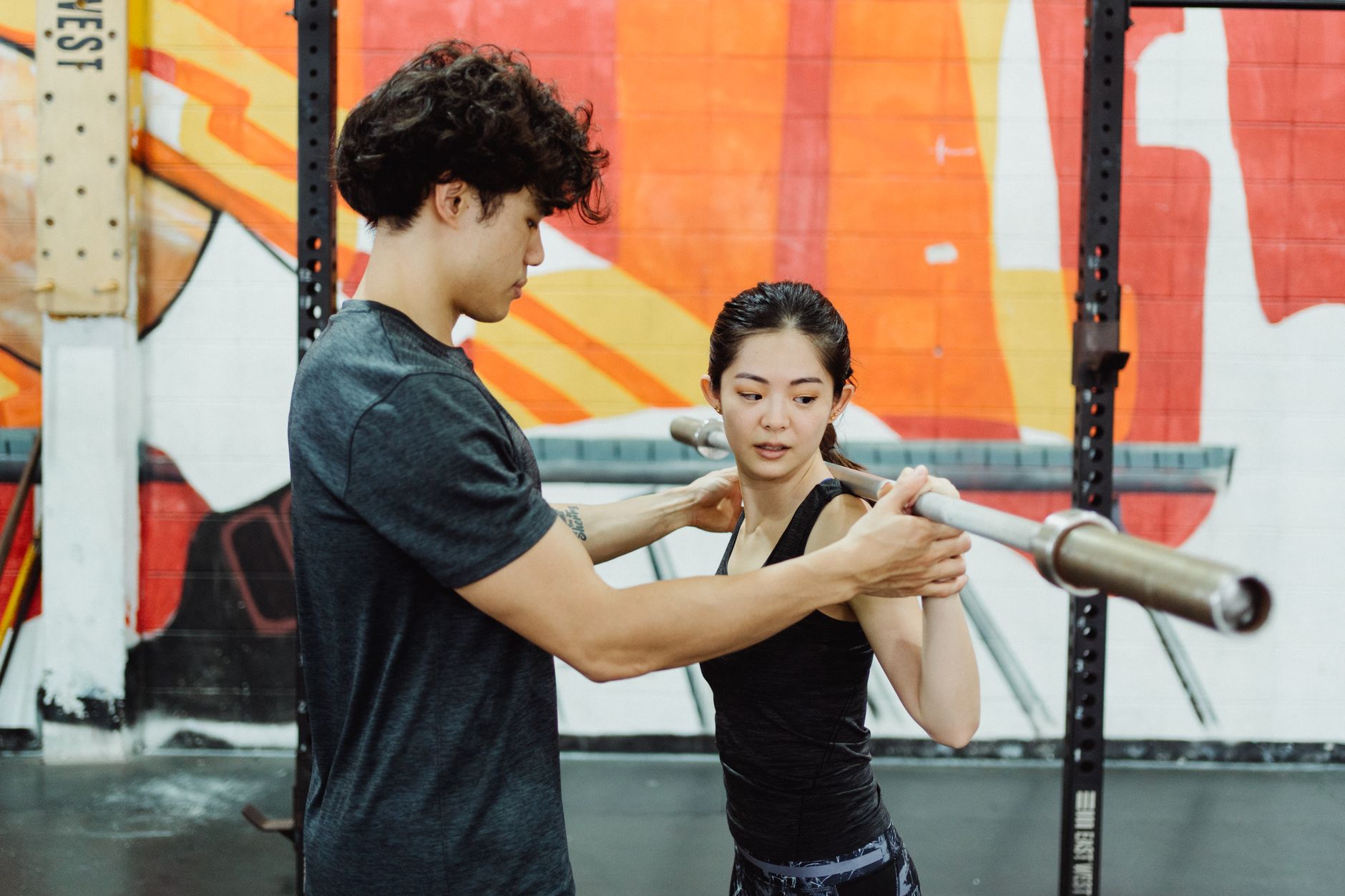
When designing fitness coaching programs for seniors, several principles must guide your approach:
Safety First
Safety is non-negotiable. Conduct health screenings before initiating any program. Ensure to:
- Get clearance from their healthcare provider.
- Assess for existing conditions such as arthritis, heart disease, or diabetes.
Individualized Programs
No two seniors are alike, so customization is key. Tailor fitness routines based on:
- Their current fitness level.
- Personal goals like weight loss, strength building, or improved balance.
- Any previous injuries or health concerns.
Focus on Functional Fitness
Your fitness programs should emphasize exercises that help seniors perform daily activities. Including:
- Squats for sitting and standing.
- Balance exercises to prevent falls.
- Functional strength training for lifting and carrying items.
Types of Exercises to Include
Creating a well-rounded fitness plan involves a variety of exercises:
Aerobic Activities
Aerobic exercises improve cardiovascular health. Recommendations include:
- Walking or jogging.
- Cycling.
- Swimming or water aerobics, especially for those with joint issues.
Strength Training
Incorporating resistance training is vital. A personal trainer working with older adults should focus on:
- Light weights or resistance bands.
- Bodyweight exercises.
- Exercises targeting all major muscle groups.
Flexibility and Balance Training
Flexibility helps maintain range of motion. Suggest:
- Stretching routines.
- Yoga or Pilates for flexibility.
- Balance exercises, such as tai chi, to prevent falls.
Creating a Supportive Environment
Creating an encouraging atmosphere is important for seniors. Here are some strategies:
Building a Community
Encourage group classes where seniors can connect with others:
- Group motivation can enhance adherence to fitness routines.
- Socializing can contribute to mental well-being.
Positive Reinforcement
Use positive coaching techniques such as:
- Praising effort.
- Setting achievable milestones.
- Recognizing improvements, no matter how small.
Monitoring Progress and Adjustments
Monitoring a senior's progress is essential for keeping them engaged and enabling further improvements:
Regular Assessments
Schedule regular check-ins to evaluate fitness levels, and adjust programs as necessary. Focus on:
- Tracking improvements in strength, endurance, and flexibility.
- Understanding their feedback regarding comfort and pain levels.
Adaptation to Needs
As circumstances change—be it health issues or fitness levels—adjust their training program accordingly.
Common Myths About Senior Fitness
There are several misconceptions regarding fitness training for seniors:
Seniors Shouldn't Lift Weights
False: Weight training is highly beneficial for seniors to build muscle and strengthen bones.
Exercise is Too Risky for Older Adults
False: While risks exist, with proper guidance and precautions, exercise can be safe and advantageous.
Exercise is Always Painful
False: While some discomfort is normal, workouts shouldn't be painful. Focus on gradual progression.
FAQs
How often should older adults exercise?
Older adults should aim for at least 150 minutes of moderate-intensity aerobic activity per week, along with muscle-strengthening activities on two or more days.
What types of exercises are best for seniors?
A mixture of aerobic exercise, strength training, balance, and flexibility activities is optimal for seniors' health.
Is personal training for older adults worth it?
Yes, a qualified personal trainer can provide individualized programs, motivation, and ensure safety during workouts which is crucial as one ages.
How can I encourage a senior to start exercising?
Highlight the benefits such as improved health, increased independence, and socialization opportunities. Offer simplified programs to ease them in.
Conclusion
Training over 50 brings unique challenges and rewards. By implementing thoughtful coaching techniques, trainers can help older adults reap the benefits of fitness, leading to improved quality of life. At ElitePTS, we specialize in creating personalized training programs for older adults that focus on achieving their fitness goals safely and effectively. Partner with us to elevate senior fitness coaching.