


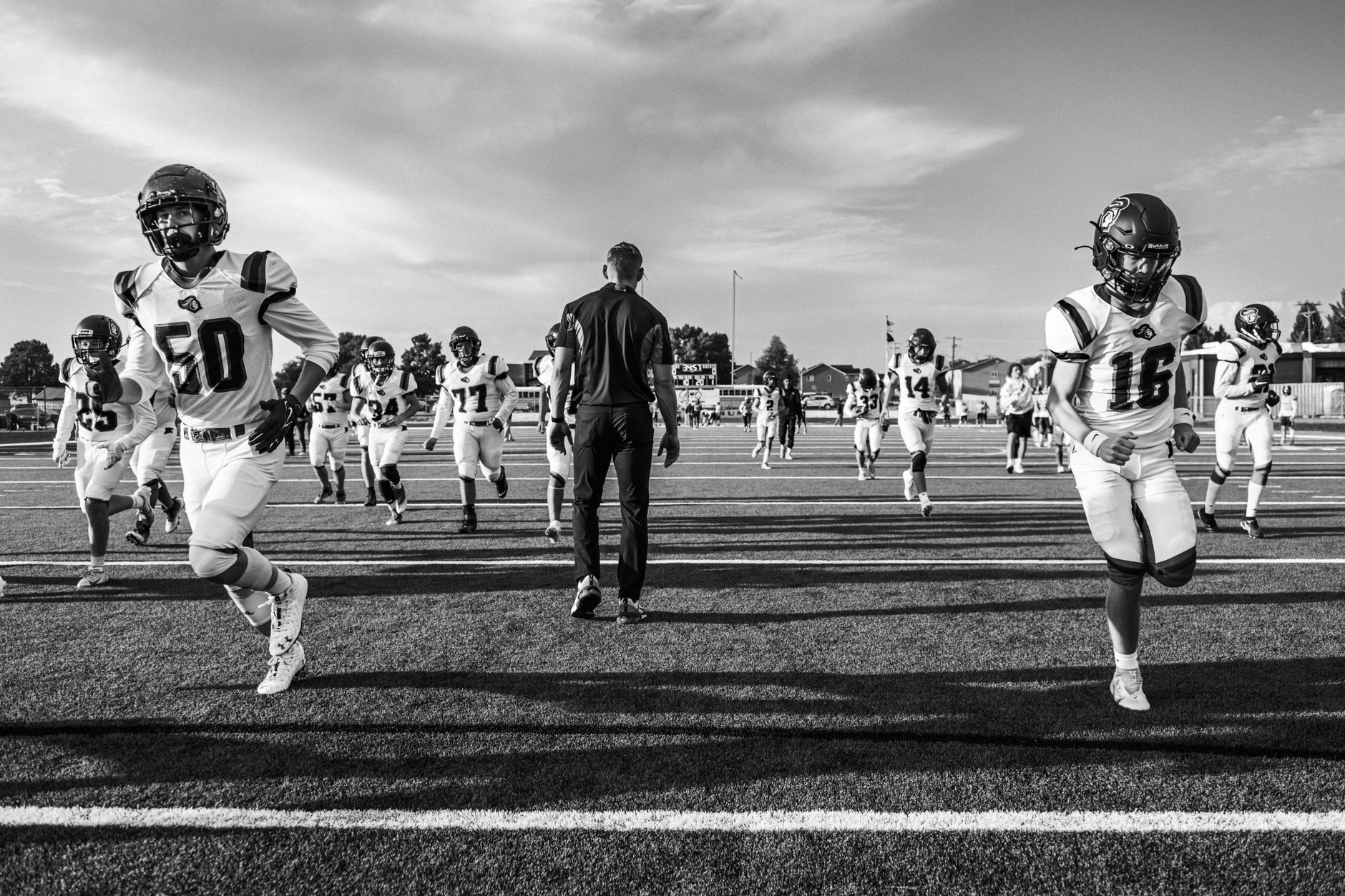
Introduction: Understanding the Landscape of Youth Sports
Coaching youth athletes is a rewarding yet complex task that requires a tailored approach. By understanding the unique physical, emotional, and developmental stages of young athletes, personal trainers can create effective training programs that not only enhance performance but also promote a lifelong love for fitness.
The Importance of Coaching Youth Athletes

Coaching young athletes goes beyond teaching skills. It shapes their perception of sports, teamwork, and health. According to the American Academy of Pediatrics, proper guidance can lead to improved mental and physical benefits.
- Development of Skills: Youth sports coaching helps develop foundational athletic skills.
- Building Confidence: Achievements in sports can boost self-esteem.
- Encouraging Lifelong Health: Establishing healthy habits early leads to better long-term outcomes.
Understanding Youth Development Stages
It's crucial to grasp the growth and development stages of young athletes:
- Physical Development: Understand the physiological changes during adolescence.
- Emotional Maturity: Address the varying emotional responses to successes and failures.
- Cognitive Development: Tailor communication strategies based on cognitive comprehension.
Foundations of Safe and Effective Training
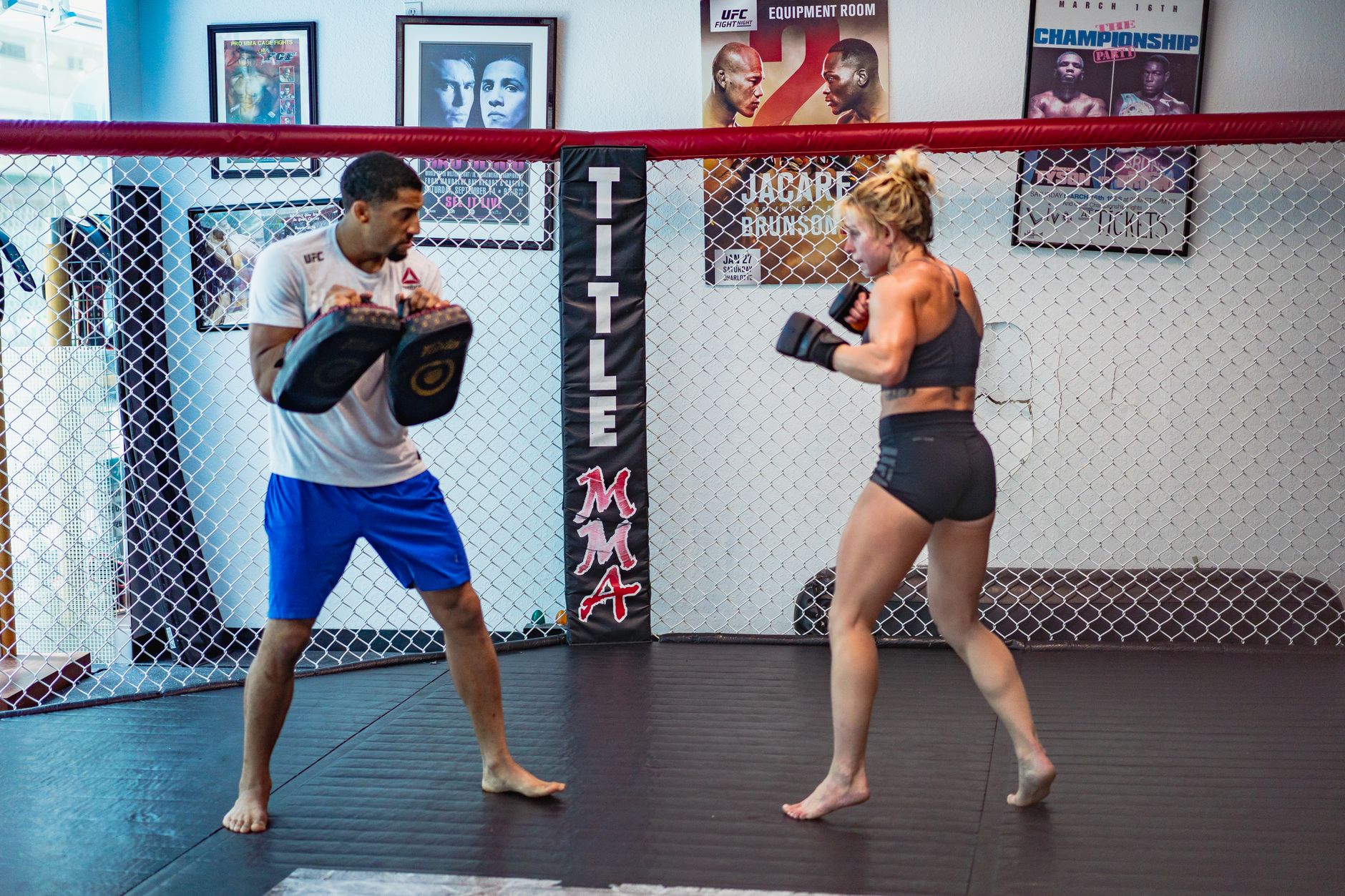
Injury Prevention
Injury prevention should be at the forefront of coaching youth athletes. Research shows that injuries can have long-term effects on young athletes. Incorporate the following strategies:
- Proper Nutrition: Fueling young bodies with the right nutrients aids recovery.
- Age-appropriate Drills: Select drills that match their developmental stage.
- Rest and Recovery: Emphasize the importance of downtime.
Optimal Warm-Up and Cool-Down Procedures
Effective warm-up and cool-down routines help improve performance and reduce injuries. Implement dynamic stretches that engage the entire body during warm-ups and static stretches during cool-downs.
Designing Youth Fitness Programming
Customizing fitness programming for kids involves several aspects:
Assessing Individual Needs
Every athlete is unique. Conduct physical assessments to tailor programs to individual strengths and areas for improvement.
- Testing for Speed and Agility: Utilize drills to measure speed and quickness.
- Strength Assessments: Introduce bodyweight exercises before adding resistance.
Creating Enjoyable Workouts
Keep sessions engaging! Use a variety of drills and incorporate games to enhance interest and motivation.
Effective Communication Techniques

Building Trust with Young Athletes
Trust is foundational in the coach-athlete relationship. Foster an environment where young athletes feel valued:
- Active Listening: Encourage athletes to express feelings and concerns.
- Positive Reinforcement: Acknowledge efforts and improvements regularly.
- Open Feedback Channels: Promote two-way communication for better understanding.
Communicating with Parents
Engaging parents is critical. Regular updates about training progress and open discussions help align expectations and support.
Incorporating Mental Skills Training
Mental resilience is key for young athletes. Integrate mental skills training into your coaching:
Visualization Techniques
Teach athletes visualization exercises that help them prepare mentally for competition.
Goal Setting
Involve young athletes in setting SMART goals. This empowers them and makes achievements more meaningful.
FAQs about Coaching Youth Athletes
What age should athletes start specialized training?
Generally, youth should focus on fundamental skills until around age 12, after which they can specialize based on their interests.
How do I handle burnout in young athletes?
To prevent burnout, ensure a balanced training schedule, include various sports, and prioritize fun and health over competitive success.
What are the best practices for safety during training?
Ensure proper supervision, follow age-appropriate guidelines, and promote open communication about any discomfort or injuries.
Conclusion: Empowering the Next Generation of Athletes
Coaching youth athletes requires a multifaceted approach that prioritizes safety, enjoyment, and personal growth. By implementing these strategies, trainers can positively impact young athletes' lives. If you're looking for personalized coaching techniques and resources, visit ElitePTS and elevate your youth coaching skills today!