



The Promise of Compression Garments
In the world of athletics, recovery is just as crucial as training. Athletes are constantly seeking methods to enhance recovery and performance, leading to the widespread adoption of compression garments. But do compression garments work? Let’s delve into the science behind them and whether they are a worthy addition to your recovery toolkit.
Understanding Compression Garments

Compression garments are designed to exert pressure on the body's tissues, primarily helping in blood circulation and muscle support. These garments come in various forms, including:
- Compression Socks: Often used for lower leg support, they are a popular choice among runners and cyclists.
- Compression Tights: Full-length tights that cover the legs, offering support during workouts and recovery.
- Compression Sleeves: These provide targeted pressure to arms or legs for specific healing and support.
Types of Compression Garments
Each type of compression garment has its own set of advantages, depending on the athletic activity:
- Compression Socks: Ideal for improving recovery post-long runs.
- Compression Tights: Provide muscle support during intense workouts.
- Compression Sleeves: Focus on localized support and recovery.
How Compression Works
The principle behind compression garments is quite simple. By providing external pressure, these garments promote:
- Enhanced Blood Flow: Increased oxygen delivery to muscles contributes to better performance.
- Reduced Muscle Vibration: Less vibration leads to less muscle fatigue.
- Improved Lymphatic Drainage: Helps mitigate swelling and promote recovery.
The Evidence on Effectiveness

Studies Supporting Compression Use
Multiple studies have been conducted to investigate the effectiveness of compression garments, and the results have been mixed. However, a substantial number of studies indicate some positive outcomes:
- A study published in the International Journal of Sports Medicine found that runners wearing compression socks experienced significantly less muscle soreness post-exercise.
- Research in the Journal of Sports Sciences indicated that athletes using compression tights showed improved recovery times following intense training sessions.
Limitations in Research
While the available research provides a foundation, it's important to note:
- Not all studies agree on the magnitude of the benefits.
- The effectiveness may vary depending on the individual athlete.
- Many studies have small sample sizes, limiting generalizations.
Practical Tips for Using Compression Gear
Choosing the Right Compression Garment
When selecting compression garments for recovery, consider these factors:
- Fit: Choose garments that fit snugly without causing discomfort.
- Material: Look for breathable, moisture-wicking fabrics to enhance comfort.
- Compression Level: Typically, higher compression levels offer better support but should be selected based on the activity and need.
When to Use Compression Garments
Timing can be crucial for optimal recovery. Here are some suggestions for effective use:
- Post-Workout: Wearing compression socks or tights after intense activity could provide better recovery.
- During Activity: Compression wear can offer support during endurance events, helping to minimize fatigue.
- Travel Recovery: Compression socks can help mitigate swelling during long flights or road trips.
Real-World Experiences
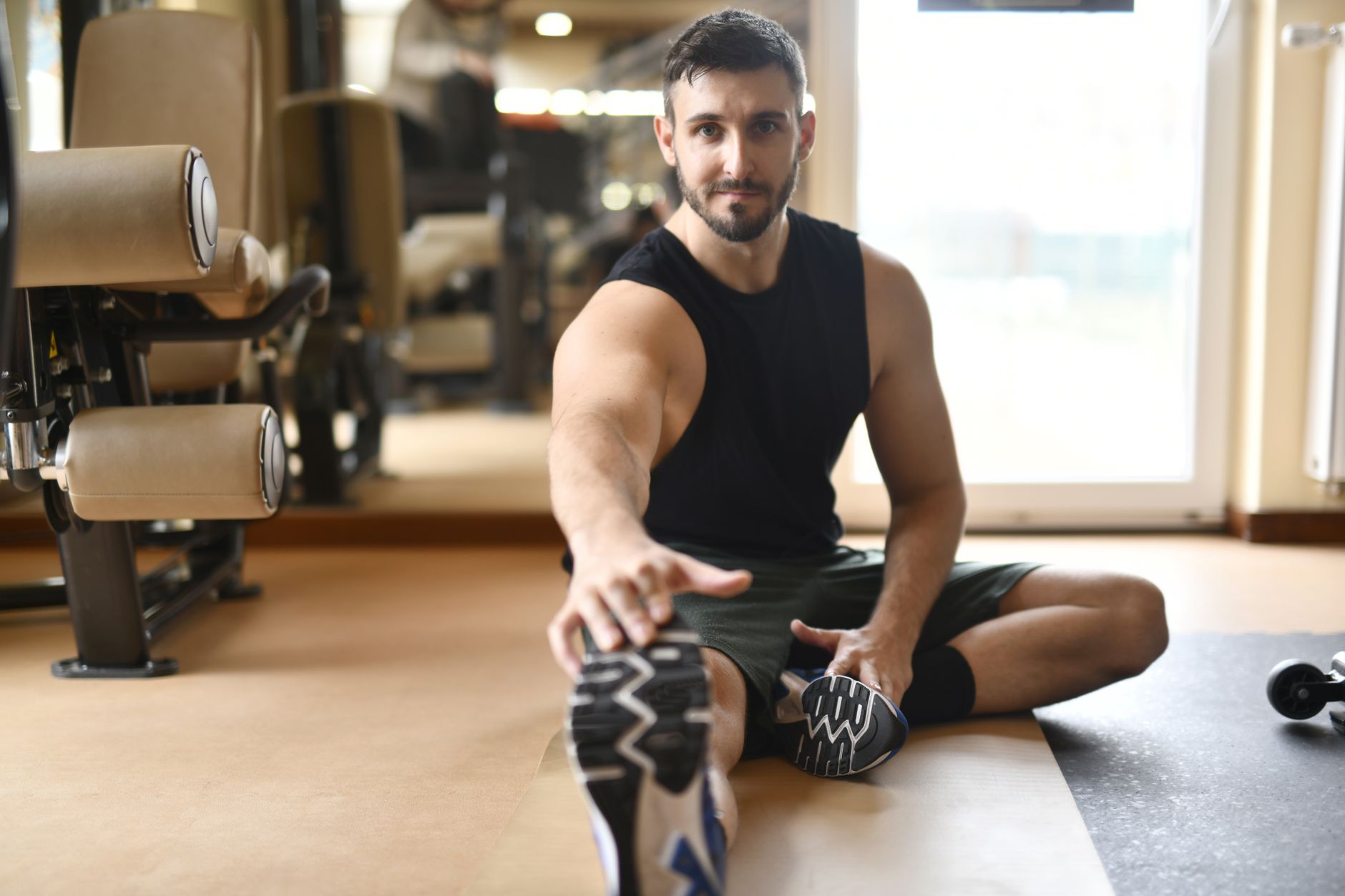
Athlete Testimonials
Real experiences from athletes often shed light on the practical benefits of compression garments:
"After wearing compression tights during my marathon training, I felt less soreness post-race and was able to return to training sooner." - John D., Marathon Runner
"The difference with compression socks was monumental; my legs felt fresher during rides, and recovery was noticeably quicker." - Sarah K., Cyclist
Common Concerns About Compression
Despite their benefits, some athletes might have reservations:
- Discomfort: It’s essential to find the right fit to avoid discomfort.
- Over-reliance: Relying solely on compression without other recovery methods can be detrimental.
FAQ Section
Do compression garments really improve performance?
While many athletes report a subjective improvement in performance, scientific evidence is mixed. However, they may enhance recovery and reduce soreness.
How long should I wear compression garments?
It’s generally recommended to wear them for several hours post-exercise or during active training sessions. Specific durations can vary based on the garment and individual preference.
Can I sleep in compression socks or tights?
While many athletes choose to sleep in compression gear, it's best to consult with a healthcare professional for personalized advice, especially if you experience any discomfort.
Are there risks associated with using compression garments?
Risks are minimal if the garments fit well. However, improper sizing can lead to discomfort, or even circulation issues. Always ensure proper fit and consult with a professional when uncertain.
Conclusion
Incorporating compression garments into your athletic recovery arsenal can provide benefits, particularly in enhancing recovery and reducing muscle soreness. While the science shows mixed results, many athletes swear by their effectiveness. For tailored advice, consider consulting with the experts at ElitePTS. We can help you find the best recovery strategies for your specific needs!