



Introduction
As athletes constantly seek ways to enhance performance and speed up recovery, compression garments have surged in popularity. These snug-fitting clothes, including compression socks and tights, are often marketed as essential gear for optimizing recovery. But do they actually work? In this article, we’ll delve into the science behind compression garments for athletic recovery, analyzing their effects, benefits, and practical tips for incorporating them into your routine.
1. Understanding Compression Garments
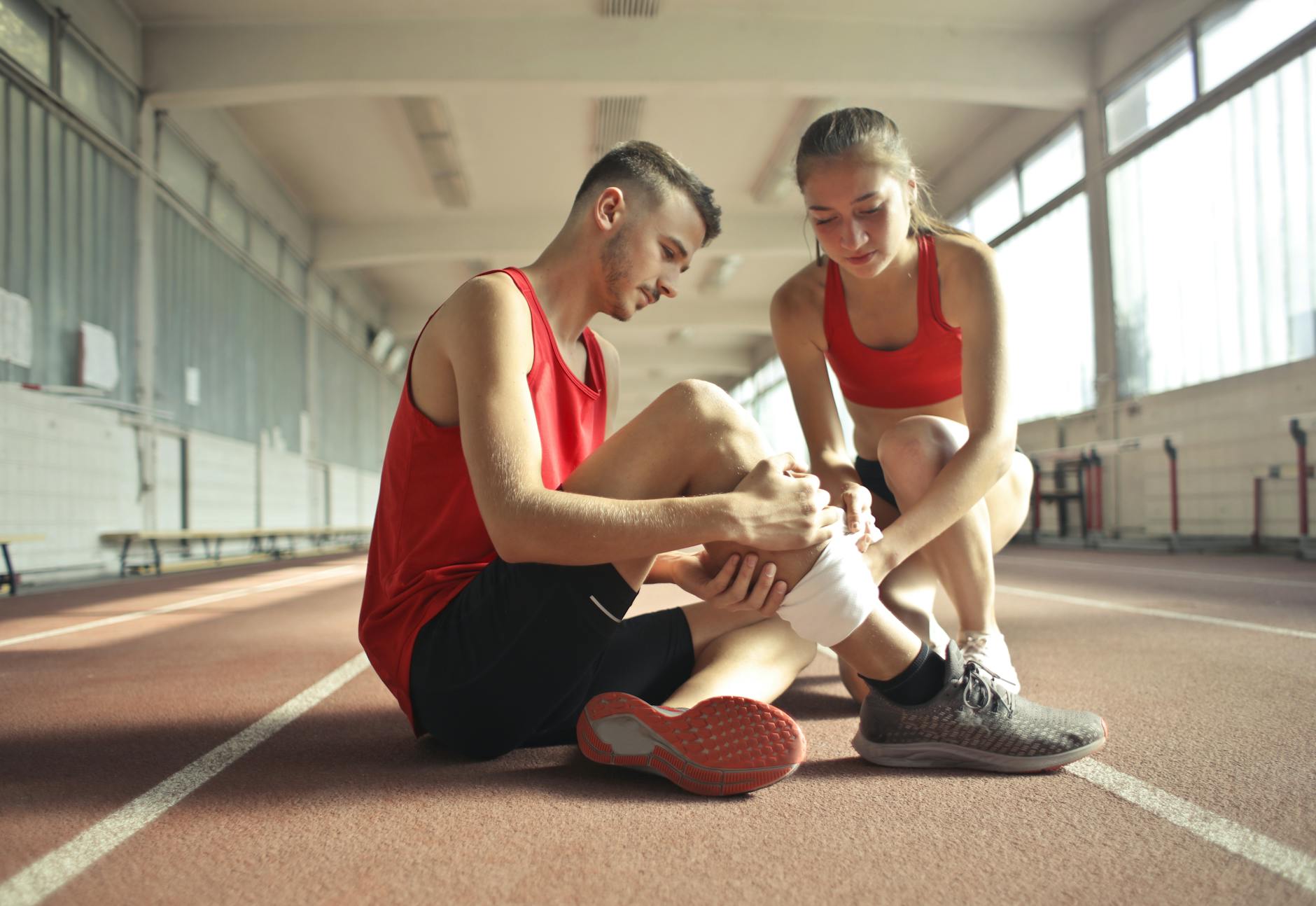
What are Compression Garments?
Compression garments are specialized apparel designed to fit tightly against the skin. They apply graduated pressure to various parts of the body, which can influence circulation and muscle function. The most common types include:
- Compression Socks: Designed primarily for the lower legs.
- Compression Tights: Covering the entire leg and often used for running and other activities.
- Compression Sleeves: Typically worn on arms or calves.
How Do They Work?
Compression garments work by reducing the diameter of distended veins, which can improve blood flow and reduce blood pooling. They also support muscle stabilization during exercise, potentially leading to better performance.
2. The Science Behind Compression Gear

Effects on Blood Circulation
A study published in the Journal of Sports Sciences found that wearing compression gear enhances venous return, allowing more oxygen-rich blood to reach the muscles. This can lead to improved endurance and reduced fatigue during and after workouts.
Impact on Muscle Recovery
"Compression garments may significantly decrease muscle soreness post-exercise, as indicated by numerous sports medicine studies."
Research suggests that athletes wearing compression socks post-exercise report less perceived muscle soreness. This effect can be attributed to reduced muscle oscillation and inflammation.
3. Benefits of Compression Garments for Athletes
Enhanced Performance
Many athletes report that wearing compression tights enhances their performance due to the support and stability these garments provide. The compression helps reduce muscle oscillation, resulting in improved efficiency in movement.
Faster Recovery Times
Compression socks for recovery are frequently endorsed by sports professionals. They facilitate quicker recovery times by reducing lactic acid buildup, thus lessening post-exercise fatigue.
4. Using Compression Garments Effectively
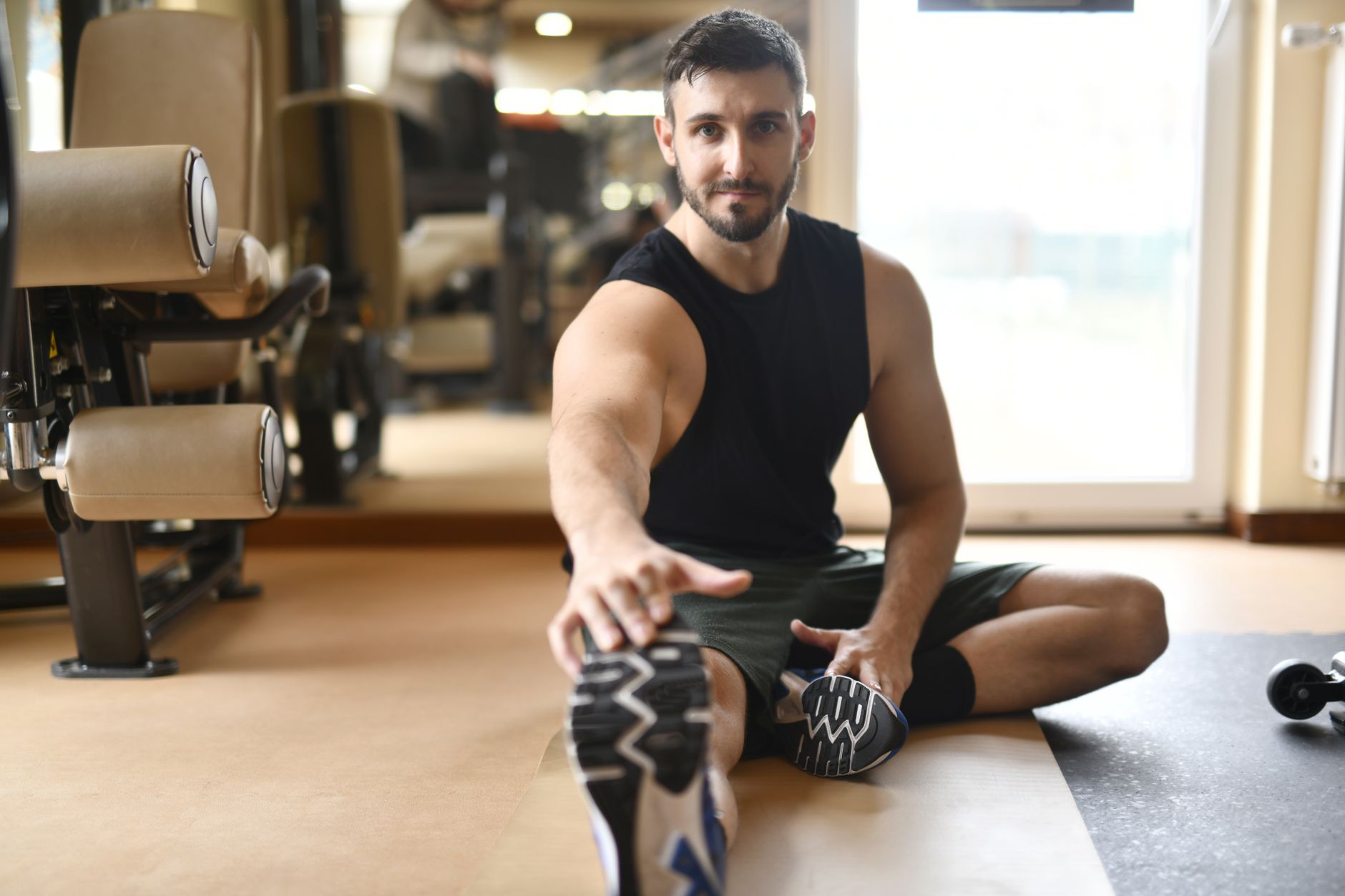
Best Practices for Wearing Compression Gear
- Choose the Right Size: Ensure a proper fit to prevent discomfort.
- Timing Matters: Wear them during and after workouts for maximum benefits.
- Pair with Hydration: Combine usage with adequate hydration for optimal recovery.
Common Misconceptions
Some believe that tighter is always better. While it’s important for garments to fit snugly, excessively tight clothing can impede circulation rather than improve it. It's crucial to find a balance that feels right.
5. Compression Gear in Different Sports
Running and Compression Socks
For runners, compression socks can provide targeted support, enhancing performance and reducing the risk of injury. Studies indicate that runners using compression socks report less calf soreness and muscle fatigue.
Strength Training and Compression Tights
Weightlifters often utilize compression tights to stabilize their muscles and joints, which helps improve lifting performance and decreases injury risk. They also enhance thermoregulation, which is beneficial during heavy lifts.
6. Real-Life Experiences: Athletes’ Testimonials
Professional Insights
Many professional athletes endorse the use of compression garments. For example, marathon runners cite improved race times and reduced recovery periods.
Everyday Athletes
Weekend warriors also report significant benefits from compression gear, particularly for endurance sports and after long training sessions.
7. FAQs About Compression Garments
Do compression garments really work?
Yes, studies suggest that they help improve blood circulation, reduce muscle fatigue, and enhance recovery through various mechanisms.
Can anyone use compression gear?
Most people can safely use compression gear; however, those with circulatory issues should consult a healthcare provider before use.
How long should I wear compression socks after exercise?
Typically, wearing them for 1-2 hours post-exercise is recommended for optimal recovery.
Do compression garments help prevent injury?
While they help improve muscle support and reduce vibrations, they should be part of a comprehensive training and recovery plan.
Conclusion
In conclusion, compression garments for athletic recovery can be an effective tool in enhancing performance and facilitating faster recovery. By understanding their functionality and benefits, athletes can make informed decisions about their use. At ElitePTS, we encourage you to explore our range of high-quality compression gear to elevate your training and recovery. Invest in your performance today!