



Unlocking Success: Why Your Personal Trainer Bio Matters
Your personal trainer bio serves as your first impression, the gateway through which potential clients perceive your values, skills, and uniqueness. In a competitive fitness industry, standing out is crucial. An engaging bio not only showcases your qualifications but also reflects your personality and training philosophy, making it easier for clients to determine if you are the right fit for them. The right elements in your bio can genuinely resonate with your audience, enhancing your brand and attracting the clients you desire. Let's explore the essentials of crafting an impactful fitness coach about page.
Understanding Your Audience

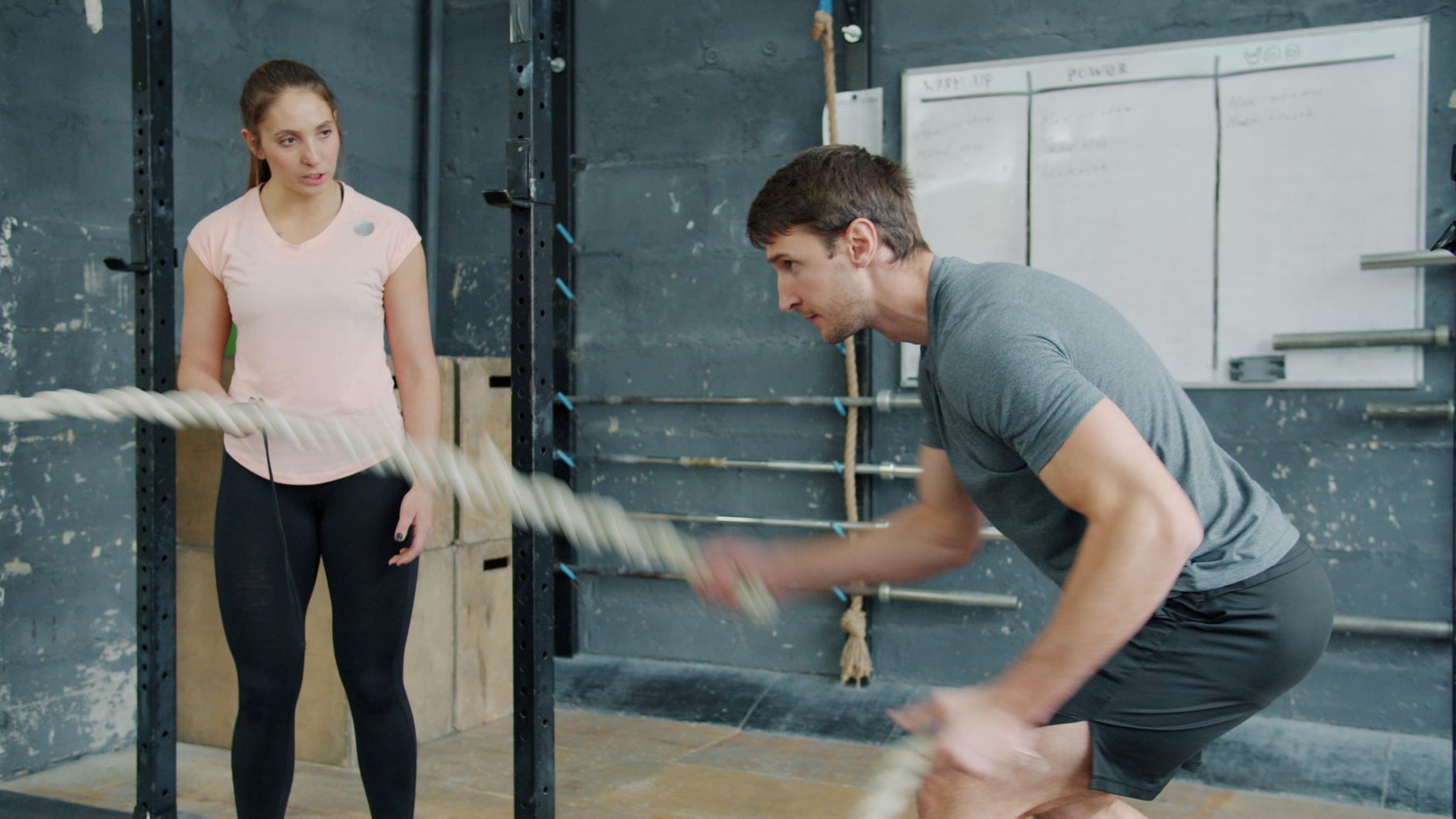


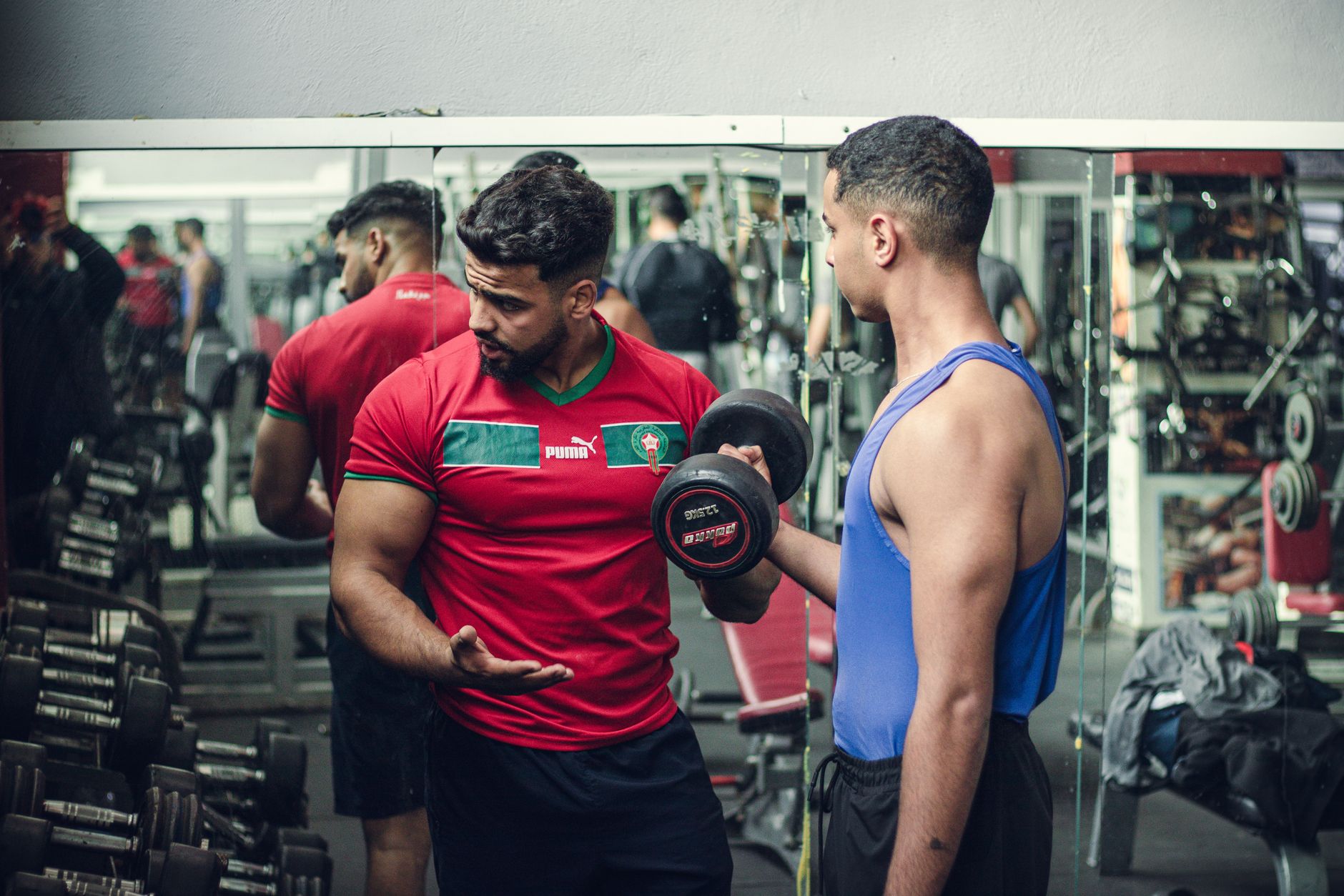
Before diving into writing your PT profile, it’s vital to understand who your audience is. Your bio should speak directly to the clients you want to attract. Consider the following:
- Demographics: Are your clients primarily beginners, athletes, or those looking for rehabilitation? Tailor your message accordingly.
- Goals: Understand the fitness goals of your audience. Endurance training? Weight loss? Muscle gain?
- Challenges: Recognize the obstacles your clients may face and how you can help them overcome these challenges.
By knowing your audience, you can create a bio that appeals specifically to their needs, fostering a connection even before the first meeting.
Essential Components of a Personal Trainer Bio
Crafting a comprehensive trainer biography involves incorporating several key components:
- Your Qualifications: List your certifications, specializations, and education degrees.
- Your Experience: Share your journey in the fitness industry, significant roles, and your training philosophy.
- Your Personality: Let your unique traits shine through. What makes you different from other trainers?
- Client Testimonials: Incorporating success stories can add credibility and entice new clients.
- Call to Action: Encourage potential clients to reach out, inviting them to initiate contact.
Each part plays a critical role in presenting a holistic view of who you are as a trainer.
Your Qualifications
Your qualifications establish your authority in the fitness realm. Ensure to include:
- Certifications: Clarify the certifications you hold, such as NASM, ACE, or ACSM, providing credibility.
- Education: Mention relevant degrees that contribute to your expertise, like Kinesiology or Physical Education.
- Specializations: Highlight any specific areas of skill such as sports conditioning, nutrition coaching, or injury rehabilitation.
Clearly listing your qualifications not only enhances trust but also can set expectations regarding your skill sets.
Your Experience
Your experience conveys your journey and expertise. Discuss the following:
- Career Timeline: Provide a brief overview of your career path. What led you to become a personal trainer?
- Specific Roles: Include notable positions you've held, such as head coach at a gym or leading a community fitness program.
- Fitness Philosophy: Describe your training methodology and what motivates you to help clients achieve their goals.
This narrative not only builds a connection with readers but also illustrates your credibility in the field.
Your Personality
Your personality is what will ultimately make you memorable. Consider these tips:
- Authenticity: Be real about who you are. People appreciate honesty and vulnerability.
- Energy: Showcase a positive and motivating tone that reflects your coaching style.
- Personal Touch: Share a bit about your personal interests, hobbies, or what you love about fitness.
Engaging clients on a personal level can make all the difference in building relationships.
Client Testimonials
Social proof is invaluable in the fitness industry. Including client testimonials can reinforce your credibility:
- Success Stories: Share before-and-after client transformations or milestones they've achieved.
- Quotes: Feature direct quotes from satisfied clients discussing their experience of working with you.
- Impactful Experiences: Highlight how you’ve specifically helped clients overcome challenges.
Testimonials serve as potent endorsements that can sway potential clients in your favor.
Call to Action
Your bio should end with a strong call to action. Encourage readers to:
- Contact You: Invite potential clients to get in touch via email or phone.
- Visit Your Site: Direct them to your website for more information or to view your training services.
- Follow You: Encourage them to connect with you on social media platforms for updates and fitness tips.
A robust call to action can significantly increase the chances of converting readers into clients.
Best Practices for PT Profile Writing
Once you understand the essential components, here are some trainer biography tips to polish your profile:
- Keep It Concise: Aim for clarity and brevity. Use straightforward language and avoid jargon.
- Be Engaging: Use an active voice and engaging tone to keep readers interested.
- Regular Updates: Keep your bio current with new qualifications, successes, and any changes in your personal journey.
- Visuals: Incorporate professional photos or videos to enhance authenticity and visual appeal.
- SEO Optimization: Use relevant keywords naturally to help your bio rank better in search engines.
Following these best practices can enhance the effectiveness of your PT profile and attract more clients.
SEO Considerations in Your Trainer Biography
Optimizing your personal trainer bio for search engines is crucial for visibility. Focus on the following:
- Keyword Integration: Naturally include primary and secondary keywords throughout your bio.
- Meta Descriptions: Craft a compelling meta description that summarizes your bio effectively.
- Internal Linking: Include links to relevant sections of your website such as services, testimonials, or blogs that showcase your expertise.
- Mobile Optimization: Ensure your bio is easily readable on mobile devices, as many clients will search on their phones.
These strategies will not only help increase traffic to your bio but also enhance chances of conversion.
Common Mistakes to Avoid in Personal Trainer Bios
Here are common mistakes to avoid when writing your personal trainer bio:
- Overly Formal Language: Remember to maintain a balance between professionalism and approachability.
- Lack of Personal Touch: Don’t just list qualifications; share your journey and why you love what you do.
- Ignoring the Target Audience: Always write with your client demographic in mind.
- Neglecting Updates: Keep your bio fresh and relevant; don't let it grow stale.
Avoiding these mistakes can enhance the effectiveness of your bio and how potential clients perceive you.
FAQs about Writing a Personal Trainer Bio
What length should a personal trainer bio be?
A personal trainer bio should typically range between 150-300 words. This length is enough to cover essential points without overwhelming readers.
Should I include my personal story in my personal trainer bio?
Yes, including your personal story humanizes you and allows potential clients to connect with you on a deeper level. It showcases your passion for fitness and how it impacted your life.
How do I make my personal trainer bio stand out?
To make your bio stand out, focus on your unique experiences, qualifications, and personal training philosophy. Use engaging language, and don't hesitate to inject some personality into your writing.
Can I use the same bio across different platforms?
While you can use the same basic bio, consider tailoring it to fit different platforms or target audiences. Each audience may have specific interests or preferences.
Conclusion
Crafting a compelling personal trainer bio is a critical step in establishing your presence in the fitness industry. Ensure you include the essential components, engage your audience with your personality, and implement best practices for the best results. By following these insights and tips, you’ll not only enhance your visibility but also attract the clientele you desire. Start crafting or updating your bio today!