


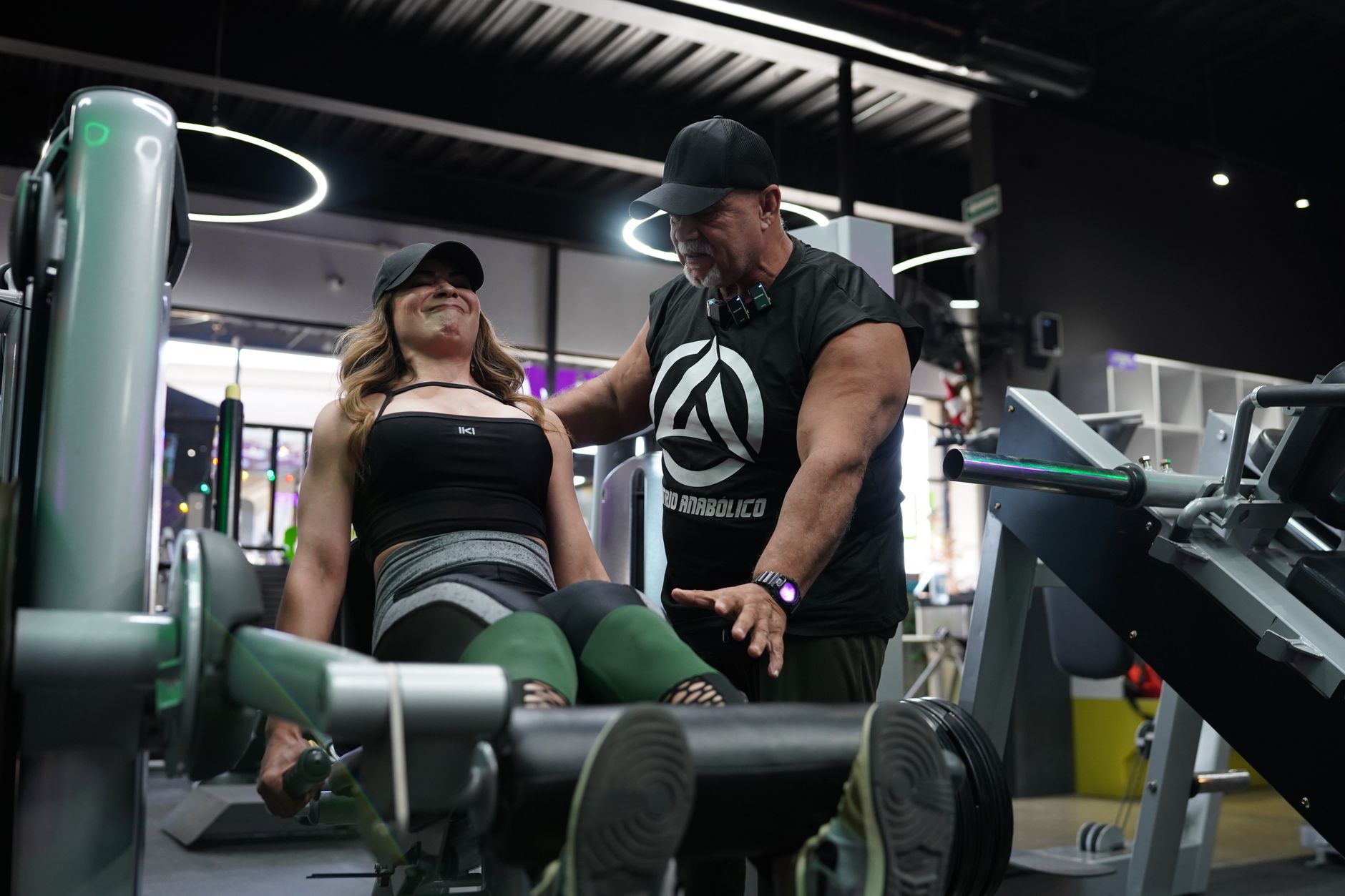
Understanding Gym Anxiety
For many newcomers, the thought of stepping into a gym can be overwhelmingly intimidating. Gym anxiety is a real issue that affects individuals of all backgrounds. Research shows that approximately 70% of people feel nervous or insecure about exercising in public spaces. This anxiety can stem from a variety of factors, including fear of judgment, lack of knowledge, or past negative experiences.
Identifying the Causes of Anxiety
To effectively help gym anxiety clients, it is crucial to first understand the underlying causes of their fears. These may include:
- Concern about body image and judgment from others.
- Lack of familiarity with gym equipment or exercises.
- Past experiences of feeling out of place or unsatisfactory performances.
By pinpointing the specific triggers, personal trainers can tailor their coaching strategies to better meet the needs of these individuals.
Creating a Welcoming Environment


A critical aspect of beginner personal training is fostering a supportive and welcoming atmosphere. A comfortable setting helps to alleviate anxiety and encourages first-time gym goers to engage with their fitness journey.
Choosing the Right Gym
It is essential that beginners select a gym that is conducive to their comfort level. Here’s how trainers can help them:
- **Visit Together**: Accompany clients on their first gym visit to help them acclimate.
- **Tour the Facility**: Familiarize them with the layout including locker rooms, workout areas, and relaxation zones.
- **Meet the Staff**: Encourage introductions to welcoming staff who can provide further support.
Setting Up a Comfortable Space
Create workout areas that allow privacy for clients who may feel self-conscious. This can greatly enhance their training experience.
Developing an Introductory Program

A well-structured, beginner program is essential in easing new gym-goers into their fitness routines. The program should focus on fundamental movements, gradually progressing in intensity.
Structuring the Program
The first time gym goer program should prioritize:
- **Skill Development**: Focus on mastering basic movements — squats, push-ups, and lunges.
- **Interdisciplinary Workouts**: Incorporate strength, cardio, flexibility, and balance exercises to enhance overall fitness.
- **Progressive Overload**: Gradually increase difficulty to boost confidence and physical capabilities.
Frequency and Duration of Sessions
Beginning with 2-3 sessions per week is ideal. Each session should last between 30-45 minutes to ensure clients are not overwhelmed, allowing sufficient time for rest and recovery.
Incorporating Mindfulness and Motivation
Mental barriers are often just as significant as physical challenges. Incorporating mindfulness strategies can empower clients to overcome fear and boost their confidence.
Mindfulness Techniques
Encourage clients to practice mindfulness exercises, such as:
- **Deep Breathing**: Teach them to focus on their breath to reduce anxiety.
- **Positive Affirmations**: Encourage the use of positive self-talk to combat negative thoughts.
- **Visualization**: Guide them to visualize successful workouts and positive experiences.
Setting Achievable Goals
Work with clients to set attainable, short-term goals to help them track progress and celebrate milestones. This boosts their confidence and reinforces a sense of accomplishment.
Empowering Clients Through Education

Educating clients about fitness fundamentals plays a crucial role in reducing anxiety. Understanding how exercises work and their benefits can empower them to embrace their workouts.
Providing Practical Demonstrations
Show clients how to properly perform exercises. Utilizing simple, clear instructions helps demystify gym equipment and routines.
Resource Sharing
Offer educational resources, including manuals, videos, or articles that cover:
- Basic gym etiquette.
- The importance of warm-up and cool-down.
- Nutrition basics to complement their fitness journey.
Monitoring Progress and Providing Feedback
A critical aspect of successful beginner gym coaching is consistent monitoring of client progress. Regular check-ins help reinforce positive behavior and adjustments to their programs.
Establishing Tracking Mechanisms
Use fitness tracking apps or journals to help clients log their workouts, nutrition, and feelings, which aids in accountability.
Giving Constructive Feedback
Offer feedback that focuses on clients’ efforts and improvements. Celebrate successes, no matter how small, to affirm their journey.
Frequently Asked Questions
What if a client refuses to attend the gym?
Consider introducing home workouts or outdoor sessions. Easing them into fitness without the gym can help them build confidence.
How can I help a client with severe gym anxiety?
Gradually expose clients to gym settings. Start with lighter traffic times and accompany them to help ease their fears.
What should the first session look like?
Keep the first session light and fun; focus on relationship-building, basic movements, and introducing them to gym culture.
How can I track progress for anxiety-focused goals?
Incorporate self-reporting tools, such as client feedback forms, to assess decreases in self-reported anxiety levels over time.
Conclusion
Designing programs for beginners who fear the gym is a vital skill for personal trainers. By creating a supportive, well-structured environment that incorporates education, mindfulness, and constructive feedback, you can truly transform the fitness journey of gym anxiety clients. At ElitePTS, we specialize in crafting programs tailored to individual needs, empowering new gym-goers to embrace their fitness journey with confidence. Reach out to us today to learn more about our exclusive personal training offerings!
Ready to take your training to the next level? Contact ElitePTS for science-backed personal training in San Diego, or explore our coaching services.
Ready to take your training to the next level? Contact ElitePTS for science-backed personal training in San Diego, or explore our coaching services.