


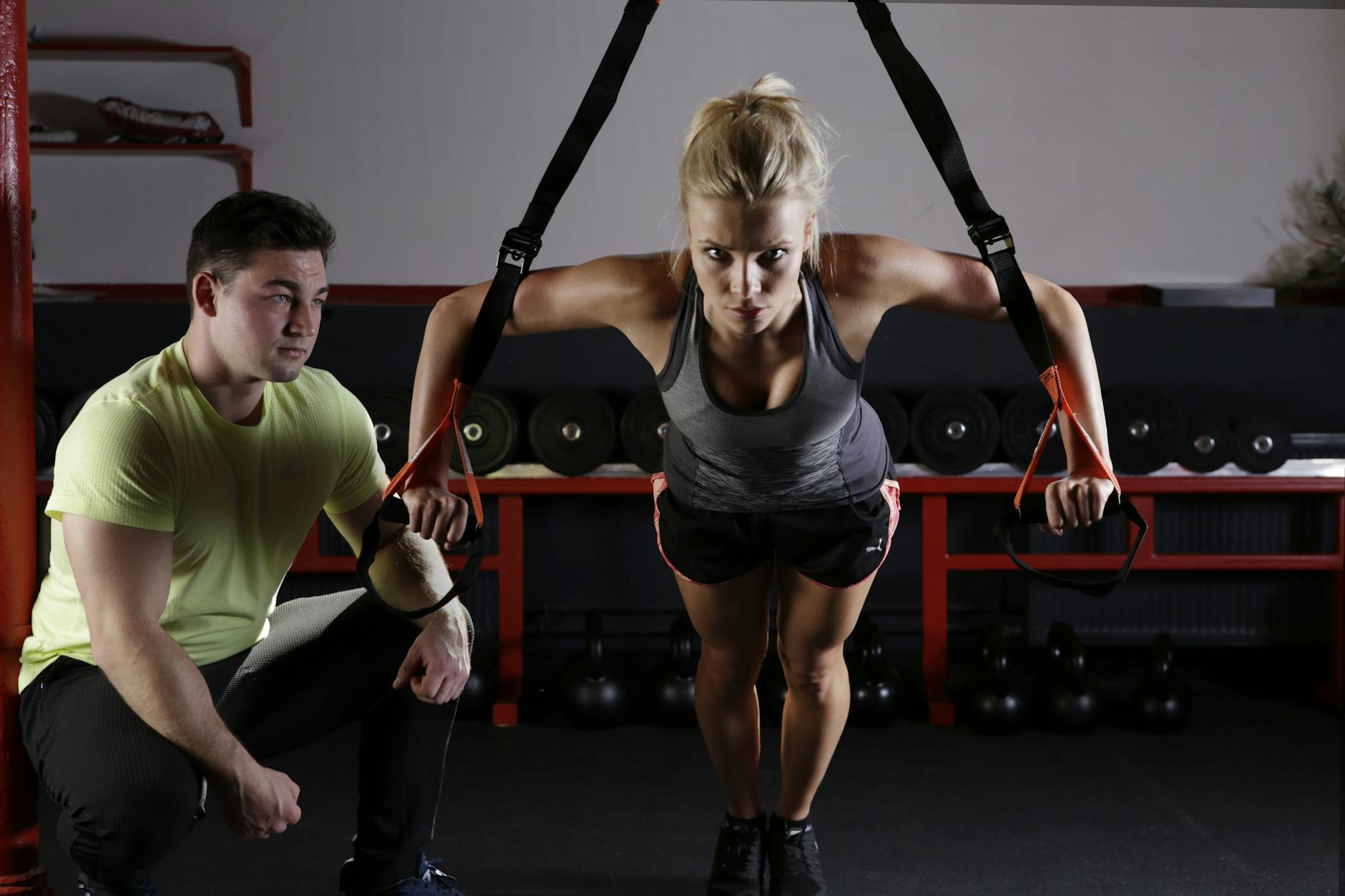
In the fitness industry, ensuring inclusivity is paramount. Training clients with disabilities or special conditions requires a nuanced understanding of their unique challenges and needs. As personal trainers, we must equip ourselves with the knowledge and strategies to provide adaptive fitness solutions that empower our clients and help them achieve their fitness goals.
Understanding Special Populations
Special populations refer to groups of individuals who face specific challenges related to physical, psychological, or sensory disabilities. According to the American College of Sports Medicine (ACSM), these populations can include:
- Individuals with physical disabilities (e.g., paralysis, amputations)
- Individuals with intellectual disabilities
- Individuals with chronic illnesses (e.g., diabetes, arthritis)
- Individuals with sensory impairments (e.g., blindness, deafness)
Understanding the specific needs of these populations is essential for creating effective training programs.
The Importance of Assessment
Before developing a training plan, conducting a comprehensive fitness assessment is crucial. This assessment should evaluate:
- Medical history
- Current fitness level
- Specific limitations or restrictions
- Goals and aspirations
A thorough assessment enables trainers to create tailored programs that meet the individual needs of clients with disabilities.
Creating Inclusive Training Programs
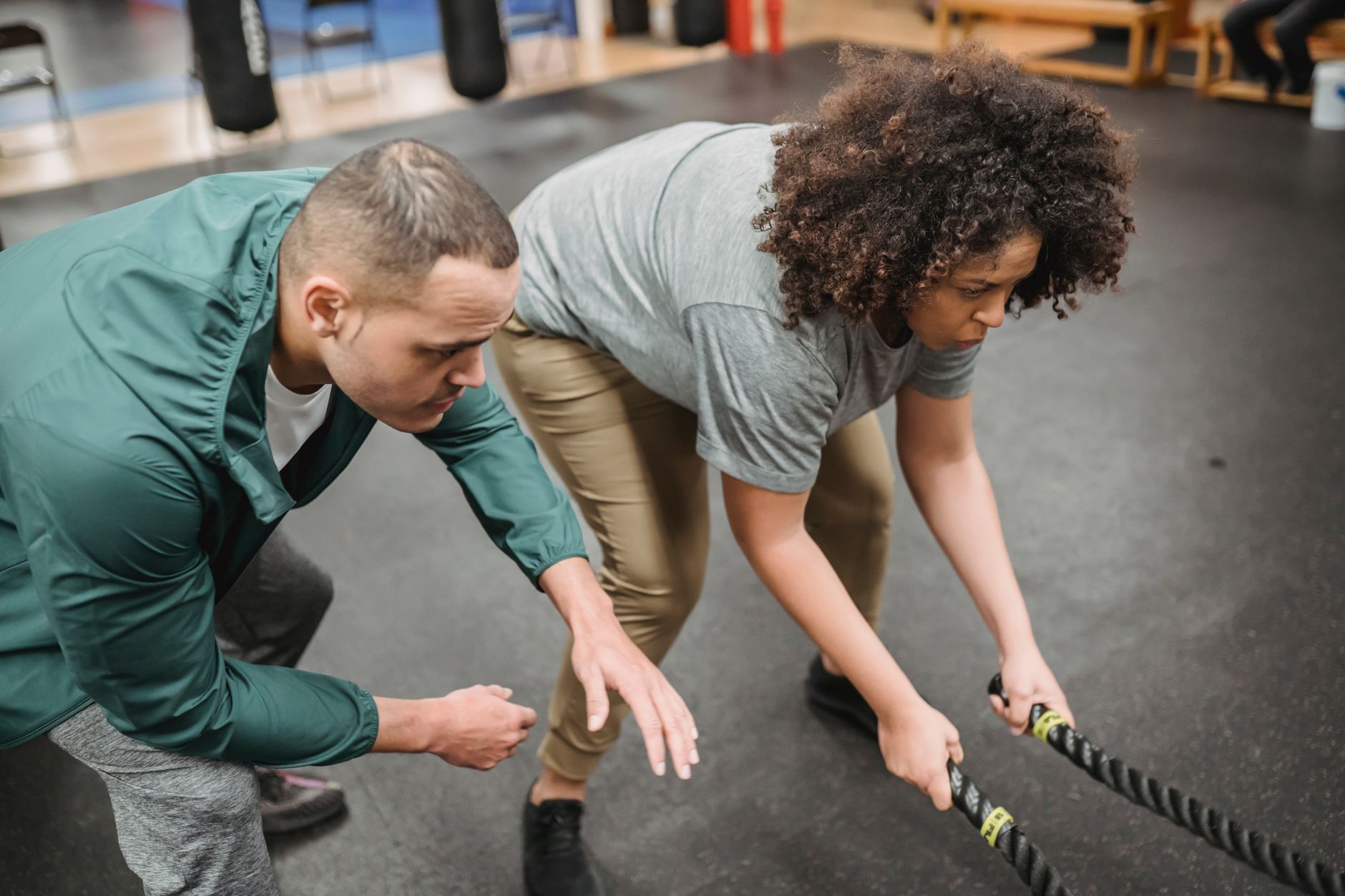

When designing special populations training programs, consider the following strategies:
1. Focus on Functional Movement
Functional movements mimic everyday activities, making them essential for special populations. Examples include:
- Squats for sitting down and standing up
- Push-ups for pushing objects
- Walking exercises to improve mobility
By fostering functional movement patterns, trainers facilitate real-world skills and build confidence.
2. Ensure Safety and Comfort
Trainers should prioritize safety and comfort by:
- Using appropriate equipment (e.g., resistance bands, stability balls)
- Incorporating modifications as necessary
- Setting up a supportive training environment
Providing a safe space encourages clients to push their limits.
3. Utilize Technology and Apps
Leverage technology to enhance training. Applications designed for fitness tracking, instructional videos, or virtual coaching can greatly aid clients in their progress.
Adapting Exercises for Disabilities
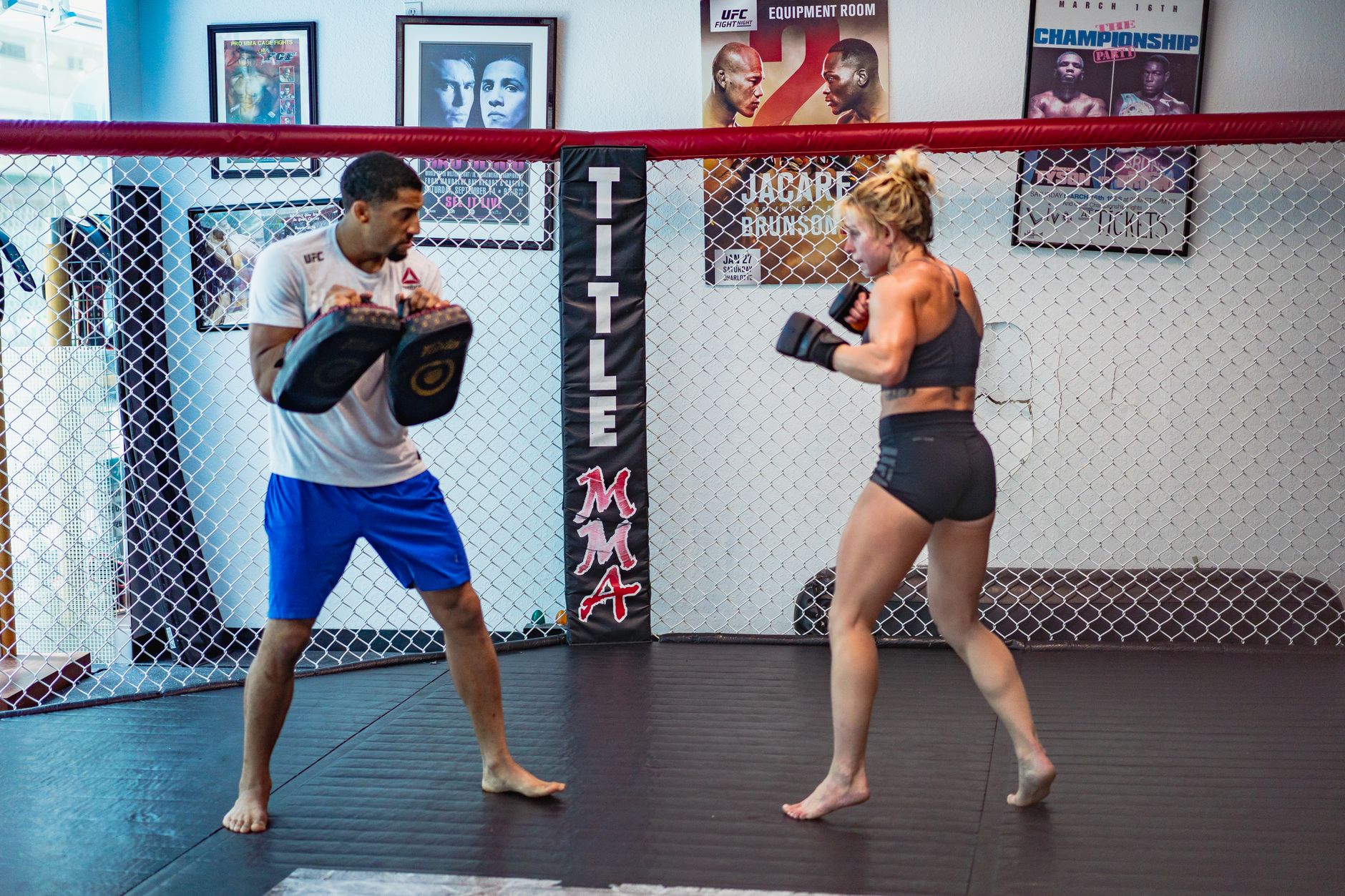
Adapting exercises is crucial for inclusivity. Below are specific adaptations for various disabilities:
Upper Body Limitations
For clients with limited upper body mobility, consider:
- Seated resistance band exercises
- Using weight machines with accessible adjustments
- Incorporating alternative grip options for weights
Lower Body Challenges
Clients with lower body mobility issues can benefit from:
- Wheelchair-friendly workouts
- Strength training for upper body to help support mobility
- Utilizing functional training to improve balance and stability
Building Rapport and Communication
Open communication is vital for success with special populations. Trainers should:
- Engage in active listening to understand clients' needs
- Encourage feedback on exercise comfort level
- Foster a positive environment by celebrating small successes
Building rapport will enhance the overall training experience.
Motivation Strategies
Incorporate motivational strategies, such as:
- Setting achievable short-term goals
- Using visual progress tracking systems
- Incorporating fun activities to maintain engagement
Tailoring these strategies can lead to improved adherence to the program.
Real-Life Case Studies

Including case studies can provide insights into practical application. Here are some examples from ElitePTS trainers:
Success Story: Adaptive Strength Training
A trainer worked with a client who had a spinal cord injury. By utilizing seated adaptive equipment, the client was able to gain significant upper body strength and improve their independence.
Success Story: Improving Mobility with Fun
In another instance, a trainer created a group class for individuals with cognitive disabilities, incorporating dance-based movements to enhance coordination while ensuring enjoyment.
Best Practices for Training Clients with Disabilities
Here are some best practices to follow when training special populations:
- Stay informed about various disabilities and conditions
- Maintain open lines of communication with clients and caregivers
- Continuously reassess progress and modify programs as necessary
- Encourage peer support and group workouts
Continuous Learning
Trainers should pursue ongoing education and certifications focusing on PT special conditions and adaptive fitness to enhance their skills.
Frequently Asked Questions
1. What types of disabilities can benefit from personal training?
Many disabilities, including physical, intellectual, and sensory impairments, can benefit from personalized training programs tailored to their specific needs.
2. How do I find the right equipment for clients with disabilities?
Research accessible fitness equipment and consider specialized options designed for adaptive training. Consulting with suppliers focused on adaptive fitness can provide further resources.
3. What should I do if a client appears uncomfortable?
Always check in with your client. If they express discomfort, modify the exercise or take a break to ensure their safety and comfort.
4. How can I continue to improve my training methods for special populations?
Pursue specialized training courses, certifications, and join professional groups for networking and sharing best practices within the community of adaptive fitness.
Conclusion
Training clients with disabilities requires a commitment to understanding and adapting to their unique needs. At ElitePTS, we specialize in special populations training, ensuring everyone has the opportunity to succeed in fitness. By empowering our clients through tailored programs and support, we can help them achieve their goals and thrive. Join us to learn more about our inclusive training programs.