


The Path to Mastery in Fitness Coaching
The fitness industry is saturated with individuals who possess a certification and a passion for lifting weights. However, the gap between a standard trainer and a true expert is not defined by their personal deadlift max or their social media following. It is defined by their ability to facilitate sustainable behavior change and drive physiological adaptation through elite coaching.
Great coaching is an intersection of art and science. It requires an intimate understanding of progressive overload as much as it requires the empathy to listen to a client who has had a stressful day. To excel in a competitive market like personal training San Diego, you must transcend the role of a simple rep-counter and evolve into an architect of human performance. This guide explores the foundational pillars that separate the good from the truly elite.
Beyond the Rep Counter
Many trainers fall into the trap of believing their value lies solely in their knowledge of exercise selection. While movement literacy is non-negotiable, the ability to communicate that information effectively is where the true value resides. Elite trainers don't just teach movements; they teach concepts that empower clients to manage their own fitness long after the session ends.
Furthermore, great trainers utilize sleep optimization and recovery protocols to ensure that the work performed in the gym yields maximum results. They recognize that the gym is the stimulus, but the results happen during the recovery phase. By educating clients on holistic wellness, elite coaches build trust and long-term value that standard trainers often overlook.
Psychology and the Art of Communication


Building Rapport and Trust
The foundation of all successful active recovery and performance programming is a rock-solid relationship. Clients are often vulnerable, insecure, or frustrated with their previous attempts at health transformations. A great coach listens with the intent to understand, not just the intent to reply. They practice active listening to uncover the underlying motivations of their clients, which is essential for long-term adherence.
Developing this rapport requires a high level of emotional intelligence. You must be able to gauge a client's mood the moment they walk through the door. If a client is physically and mentally exhausted, an elite coach knows when to pivot to mobility or lighter volume rather than pushing for a heavy lifting day that could lead to burnout or injury.
The Power of Motivational Interviewing
Standard trainers tend to bark orders, but elite coaches ask the right questions. Motivational interviewing is a technique that helps clients resolve ambivalence about their goals. Instead of telling a client they 'need' to lose weight, a great coach asks how reaching their goal would change their quality of life. This shift empowers the client, making them an active participant in their transformation.
By leveraging this psychological framework, you increase the likelihood of client retention significantly. Clients don't leave coaches who make them feel seen, heard, and understood. If you are looking to refine your own practice, visit our professional services to see how we structure our client consultations.
Mastering the Science of Programming
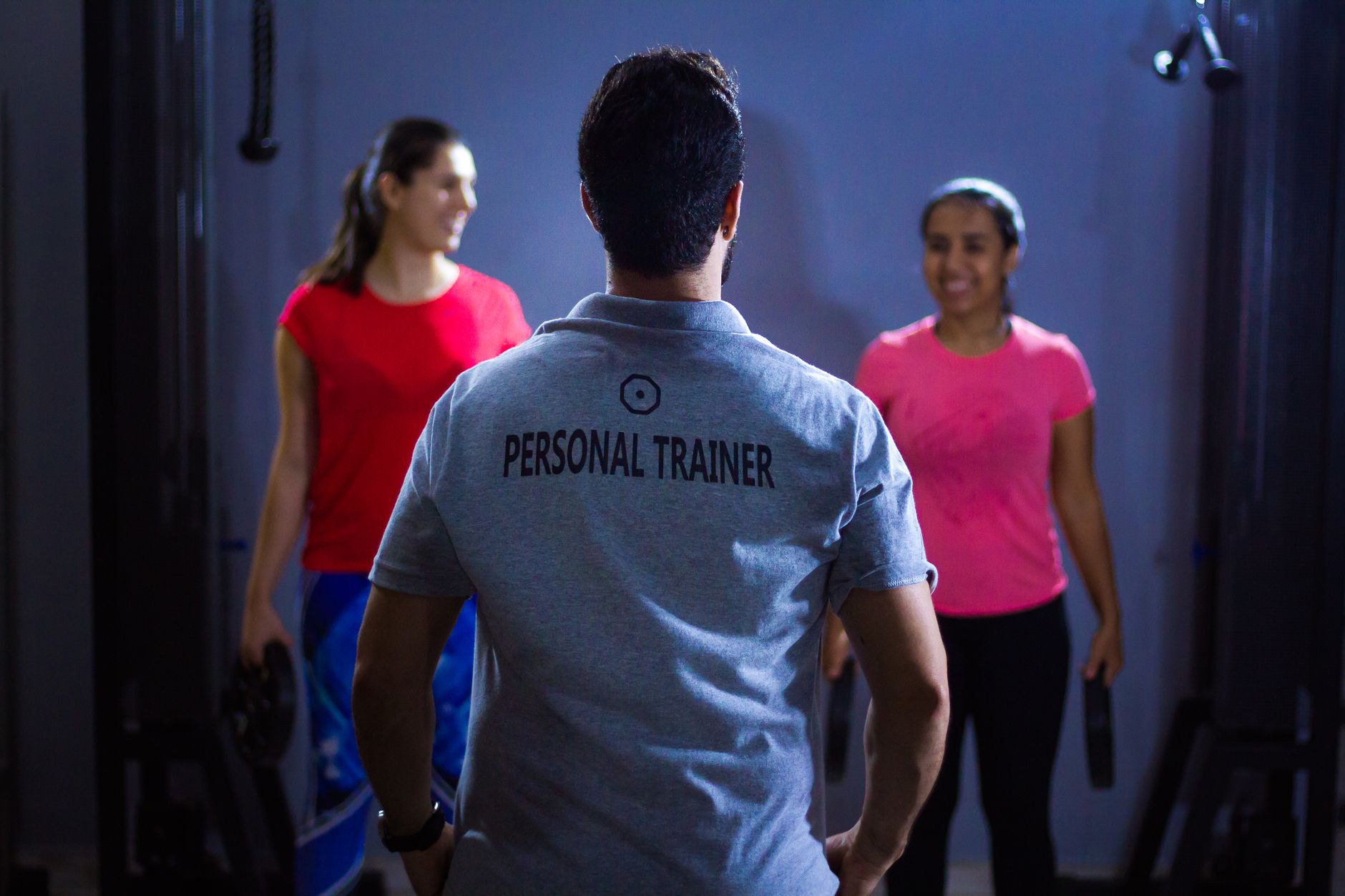
The Logic Behind Progressive Overload
At the heart of any successful program is a clear understanding of physiological progression. While many trainers change workouts every session to keep things 'fun,' elite coaches stick to the fundamentals. They understand that mastery takes time and that the body requires consistent, incremental stress to force adaptation. Utilizing the principles of progressive overload is the primary way to ensure that your clients are getting stronger and more resilient over time.
Elite coaching requires data-driven decision-making. Great trainers track everything: volume, intensity, perceived exertion, and even subjective metrics like mood and energy levels. By logging this data, they can make informed adjustments to a program, ensuring that the trajectory is always moving forward without sacrificing the integrity of the movement.
Nutrition and Metabolic Health
A trainer who refuses to discuss nutrition is leaving a significant piece of the puzzle on the table. While trainers should stay within their scope of practice, providing a comprehensive protein intake guide and general nutritional guidance is vital for physical results. Great coaches understand macronutrient partitioning and how different diets impact energy levels during high-intensity training sessions.
They teach clients how to fuel their bodies appropriately, moving away from 'fad diets' and toward sustainable nutritional habits. This includes educating clients on the importance of micronutrients and hydration as foundations of athletic performance. This comprehensive approach is what truly separates the best in the industry from the rest.
Professionalism and Business Ethics
The Value of Lifelong Learning
The fitness industry is constantly evolving, and a great coach never stops being a student. Elite trainers spend thousands of hours each year reading peer-reviewed research, attending workshops, and earning certifications that go beyond the basic 'trainer' designation. They are obsessed with providing the best possible experience for their clients based on the latest scientific evidence.
Commitment to excellence also means maintaining high ethical standards. Elite coaches are transparent about what they do and do not know, and they are quick to refer clients to physical therapists, registered dietitians, or medical professionals when a problem falls outside their scope of expertise. This humility and professionalism build a reputation that attracts high-caliber clients.
Setting Boundaries and Client Management
One of the most overlooked personal trainer tips is the importance of boundaries. Great trainers manage their energy as well as they manage their clients' workouts. They create systems for scheduling, billing, and communication that allow them to show up as their best selves for every session. When you are organized and professional, your clients are more likely to respect your time and your expertise.
FAQ: Answering the Core Questions
What are the essential certifications for elite coaching?
While a basic certification is the starting point, elite coaches often hold advanced credentials such as CSCS (Certified Strength and Conditioning Specialist) or specialized certifications in nutrition, corrective exercise, or functional movement systems. The key is to never stop learning.
How do I know if I am providing 'elite' coaching?
You know you are coaching at a high level when your clients stay with you for years, achieve their goals consistently, and refer their friends and family. Your retention rate and the success stories of your clients are the best KPIs for your coaching quality.
How important is personal branding for a trainer?
Personal branding is essential in today's digital age, but it must be backed by substance. Your brand should reflect your unique coaching philosophy and the specific demographic you serve. If you want to join a team that values high-level professional development, feel free to contact us today.
Conclusion
The journey to becoming an elite fitness coach is never truly finished. It requires a relentless commitment to your craft, a deep understanding of human psychology, and an unwavering dedication to your clients' long-term success. By mastering the science behind the movements, refining your communication skills, and maintaining the highest professional standards, you can set yourself apart in the crowded fitness landscape. Whether you are working in personal training San Diego or anywhere else in the world, the principles of elite coaching remain the same. Start by investing in your own education, focusing on building deep relationships, and always putting the client's needs at the center of your program design. If you are ready to take your coaching career to the next level, reach out to our team at ElitePTS today.