
The Anatomy of Excellence in Fitness Coaching
The fitness industry is saturated, but truly transformative coaching remains a rarity. While many trainers focus solely on sets and reps, the elite few understand that human performance is a complex tapestry of psychology, physiology, and behavioral science. Whether you are providing personal training San Diego clients with top-tier guidance or building a virtual empire, the difference lies in your ability to bridge the gap between biological necessity and psychological motivation.
Becoming a great coach requires more than just a certification. It demands an obsession with lifelong learning and an unwavering commitment to the individual in front of you. This article delves into the core tenets that elevate standard instruction to the level of elite coaching, providing you with actionable insights to transform your career and your clients' lives.
The Science of Individualized Programming


Beyond the Cookie-Cutter Approach
A good trainer uses a template. A great coach crafts a bespoke roadmap. Every client presents with unique biomechanics, injury history, and metabolic demands. Using progressive overload as your foundation, you must tailor the intensity and volume to ensure safety while maximizing results. Elite coaching is about knowing exactly when to push and, more importantly, when to pull back.
Understanding the nuance of movement patterns is essential. You are not just building muscle; you are building a more resilient human. By analyzing gait, posture, and neurological firing patterns, you can create programs that do not just change aesthetics but improve quality of life. Always remember that your programming is a hypothesis—your job is to test it, collect data, and iterate.
Data-Driven Decision Making
Metrics don't lie, but they can be misinterpreted. Great coaches track everything from sleep quality to training logs. Utilizing a protein intake guide as part of your comprehensive strategy allows you to optimize recovery markers effectively. By documenting these variables, you move from guesswork to precision, ensuring each client stays on the optimal path for their physiology.
- Track recovery metrics daily.
- Analyze training volume trends weekly.
- Pivot programming based on objective physiological feedback.
The Psychology of Client Retention
Building Authentic Connections
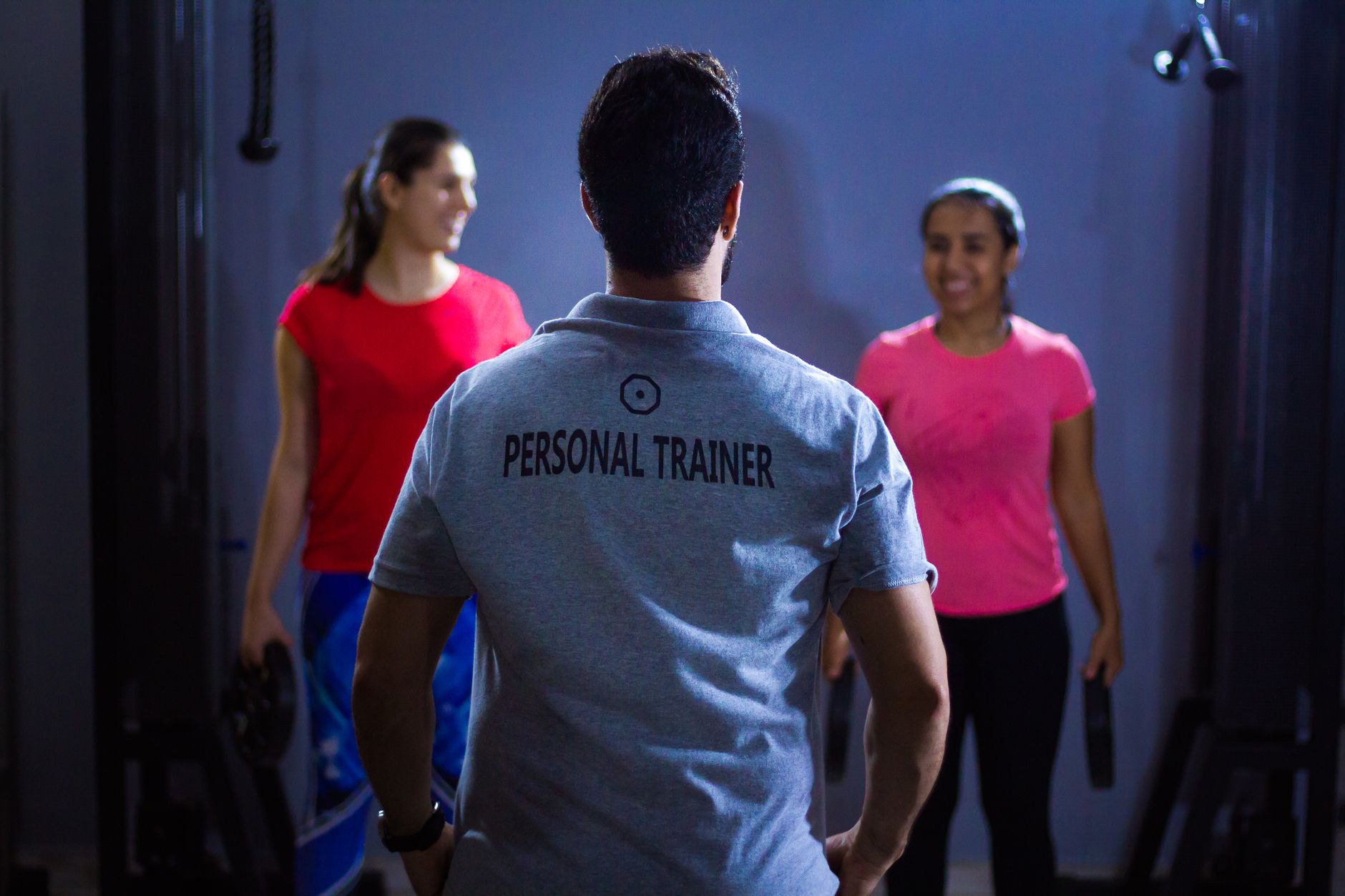
Elite coaching is fundamentally about trust. When a client feels truly heard, their adherence skyrockets. Use active listening during your assessments to identify the 'why' behind their goals. If they want to lose weight, ask why. Is it for confidence? Longevity? Energy? By tapping into intrinsic motivation, you create a bond that survives the inevitable plateaus of any fitness journey.
Your environment matters. For those practicing personal training San Diego style, create a culture of support that transcends the gym floor. You are a coach, a mentor, and often a confidant. The most successful trainers view themselves as partners in their client’s success, celebrating the small victories as much as the milestones. Check out our professional services to learn how we structure these relationships.
Mastering Behavioral Change
Most trainers provide the 'what' but fail to deliver the 'how.' Real results happen in the 23 hours outside the gym. Teach your clients the science of habit formation. Use strategies like implementation intentions or 'if-then' planning to help them navigate social situations, office lunches, and travel schedules. A great coach ensures their client is just as successful when they are on vacation as when they are in the gym.
Recovery and Longevity Protocols
The Vital Role of Rest
Many trainers are so focused on work capacity that they neglect the nervous system. Implementing active recovery sessions can be the difference between a client who burns out and one who hits a lifetime best. It is your job to educate the client that rest is not a sign of weakness; it is a fundamental tool for adaptation.
Consider the physiological load of modern life. Stress from work and family directly impacts training performance. When you account for external stressors, you show that you care about their holistic health. This level of concern is exactly what separates elite coaching from the average gym floor experience.
Sleep as a Performance Enhancer
We cannot overstate the importance of sleep optimization. A coach who ignores sleep quality is missing the primary pillar of recovery. Provide your clients with actionable sleep hygiene tips, such as blue light reduction and thermal regulation, to ensure they wake up primed for performance. Great trainers provide a roadmap for sleep, recovery, and nutrition that creates a bulletproof athlete.
The Business of Professional Coaching
Building a Personal Brand
In the age of social media, your reputation is your currency. Elite coaches don't chase trends; they establish their niche through evidence-based content and professional integrity. Your brand should reflect your unique philosophy, whether that is specialized injury rehabilitation or high-performance athletic training. If you are looking to take your professional journey to the next level, reach out to our team at ElitePTS.
Continuous Education and Mastery
The industry moves fast. If you aren't reading the latest exercise physiology papers, you are falling behind. Great coaches dedicate hours every week to sharpening their craft. Attend seminars, pursue certifications that actually improve your skill set rather than just adding letters to your name, and seek mentorship. Learning should never stop because the human body is a complex, evolving system.
FAQ: Mastering the Elite Mindset
How long does it take to become an elite coach?
Mastery is a lifelong pursuit. While technical proficiency can be acquired in years, the wisdom to manage complex human behaviors and high-level training programs is a result of decades of dedication. Stay curious and persistent.
Is elite coaching only for athletes?
Absolutely not. Elite coaching is defined by the quality of the service provided, not the population served. Whether you are training a high-level athlete or a busy parent, the principles of periodization, empathy, and evidence-based practice remain the same.
How can I stand out in a competitive market?
Focus on your specialty and provide unmatchable value. Most trainers struggle because they are generalists. By becoming the go-to expert in a specific niche—be it geriatric strength, post-rehab training, or elite athletic conditioning—you separate yourself from the herd.
Conclusion
The journey to becoming an elite coach is not a linear path of increasing your rates, but rather a deepening of your commitment to excellence. By mastering the integration of data, psychology, and recovery, you do more than train bodies—you transform lives. The fitness industry is waiting for more leaders who prioritize evidence over ego and connection over quick fixes. Whether you are refining your coaching methodology or looking for career advancement opportunities, remember that greatness is built in the details. Ready to elevate your professional standards and gain a competitive edge? Contact our team at ElitePTS to discuss how we can help you achieve your professional goals and define your path to elite-level success.