



Introduction: The Power of Effective Communication in Personal Training
As a personal trainer, your success hinges not only on your knowledge of fitness but also on your ability to communicate effectively with clients. The words you choose can motivate, inspire, and even resolve conflicts. Studies show that effective communication can lead to a high retention rate, as clients are more likely to stick with trainers who make them feel understood and appreciated. This article provides essential trainer communication scripts that every fitness coach should have at their disposal.
1. Building Rapport With Your Client

1.1 The Initial Conversation
Every trainer-client relationship starts with an initial conversation, where building rapport is crucial. Use these scripts to ensure your first impression is a good one:
- “Hi [Client's Name], it's great to meet you! What motivated you to start your fitness journey?”
- “Can you share any past experiences you’ve had with fitness?”
By opening with questions that show genuine interest, you establish trust and connection.
1.2 Active Listening Techniques
Active listening is paramount. Use affirmations like:
- “I hear you, that must be really challenging.”
- “It’s important to you, and I appreciate you sharing that.”
This shows clients you’re not just listening, but also understanding their needs.
2. Setting Clear Goals Together
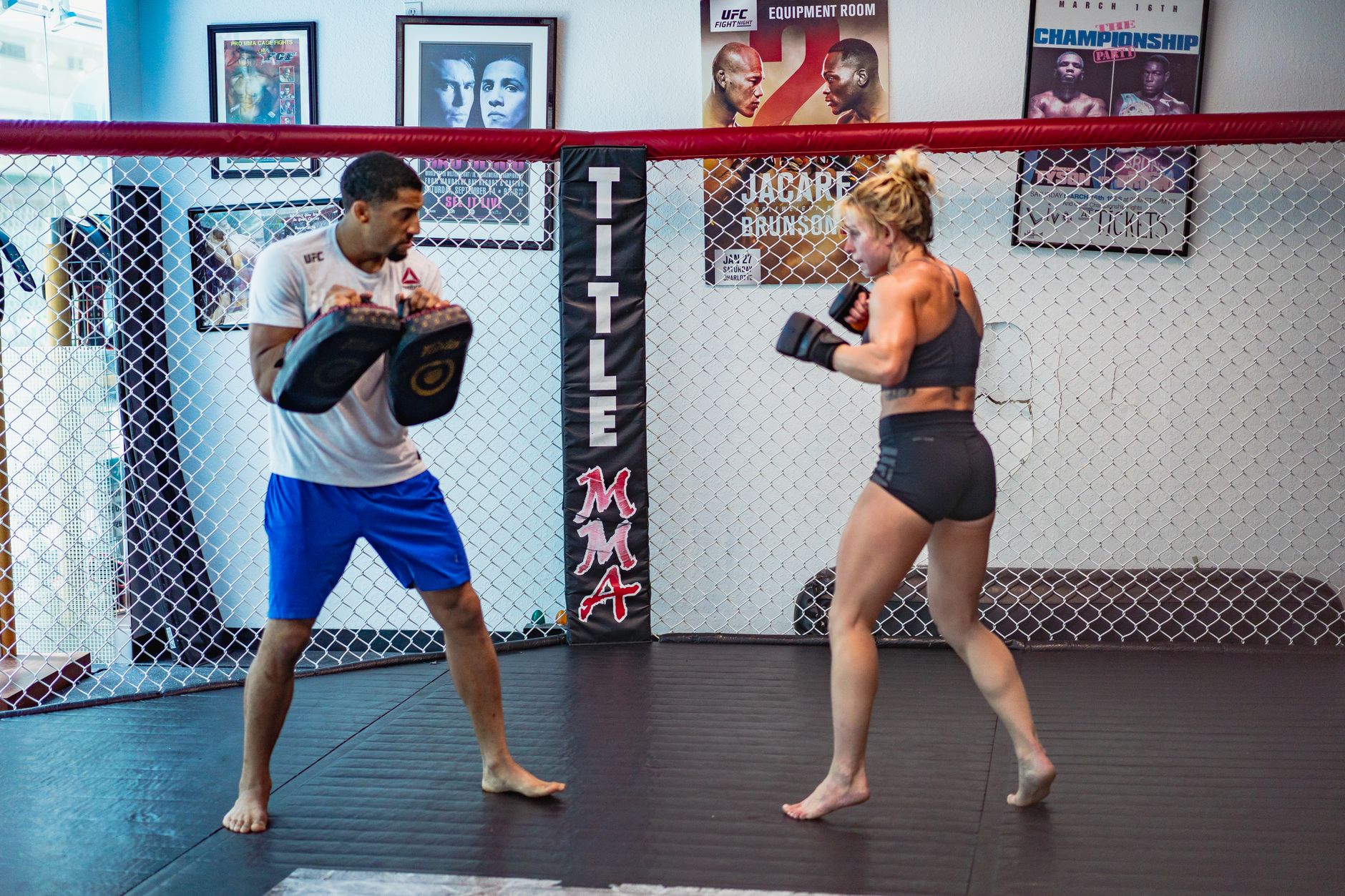
2.1 The Goals Discussion
Discussing goals should be a collaborative effort. Use scripts that facilitate this:
- “What specific goals would you like to achieve in our sessions?”
- “How do you envision your fitness journey evolving?”
By framing the conversation around their aspirations, clients feel more involved and committed.
2.2 Defining SMART Goals
In helping clients set goals, emphasize the SMART criteria:
- Specific
- Measurable
- Achievable
- Relevant
- Time-bound
Example script: “Let’s set a measurable goal, like running a 5K in three months.”
3. Managing Expectations
3.1 Dealing With Common Challenges
Setting the right expectations is crucial. Use these lines to navigate challenges:
- “Many clients experience plateaus; it’s a natural part of the process.”
- “Progress isn’t always linear; let’s stay committed to our goals.”
This prepares clients for ups and downs.
3.2 Outlining the Training Process
Make sure clients are aware of what to expect alongside their workouts:
- “Our sessions will include strength training, cardio, and flexibility work.”
- “You might feel soreness; that’s a sign of progress!”
4. Providing Constructive Feedback

4.1 Delivering Feedback Effectively
Feedback is essential for growth. Use these strategies:
- “That was a great attempt! Next time, let’s focus on your form.”
- “You’re making noticeable progress, but let’s tweak this movement for better results.”
Keep feedback balanced to cultivate a growth mindset in your clients.
4.2 Encouraging Self-Assessment
Encourage clients to self-reflect:
- “How do you feel about your recent progress?”
- “What do you think you could improve for next time?”
5. handling client concerns or complaints
5.1 Addressing Issues Promptly
When clients voice concerns, it’s vital to act swiftly:
- “Thank you for bringing this up; let’s discuss how we can make it better.”
- “I understand your frustration, and here’s my plan to address it.”
5.2 Active Resolution Strategies
Position yourself as a problem-solver:
- “Let’s explore alternatives that would work better for you.”
- “I’m here to support you, even if it means changing our approach.”
6. Maintaining Motivation and Engagement
6.1 Keeping the Energy Up
Keep motivation high with scripts designed to energize clients:
- “You’re doing fantastic! Let’s push through the last set!”
- “Remember, every workout brings you closer to your goals!”
6.2 Celebrating Progress
Celebrate milestones to further engage clients:
- “Congratulations on hitting that weight goal!”
- “Look how far you’ve come since our first session!”
7. FAQs about Trainer Communication Scripts
What should I include in a client intake form?
A thorough intake form should cover personal information, fitness history, current activities, goals, and any medical conditions.
How can I improve my active listening skills?
Practice summarizing what clients say, maintaining eye contact, and responding with empathy to enhance your active listening.
How often should I check in with clients?
Regular check-ins every 4-6 weeks can help assess progress and realign goals if needed.
What are effective motivational techniques for clients?
Utilizing positive reinforcement, outcome visualization, and goal setting are effective for keeping clients motivated.
Conclusion
Effective communication is the cornerstone of successful personal training. By mastering these trainer communication scripts, you can establish strong relationships with your clients, resulting in better outcomes and higher retention rates. Embrace these strategies and consider enhancing your skills further at ElitePTS, where we empower trainers to connect and inspire!